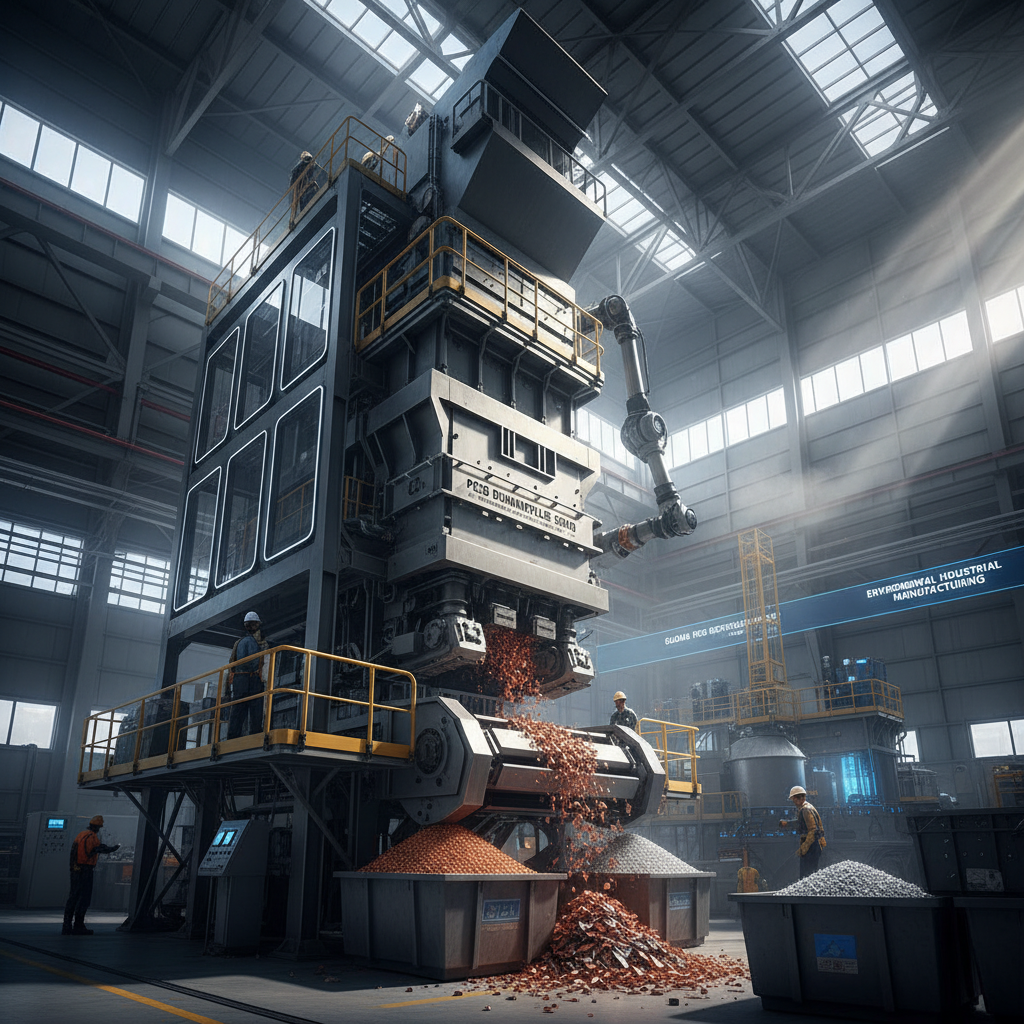
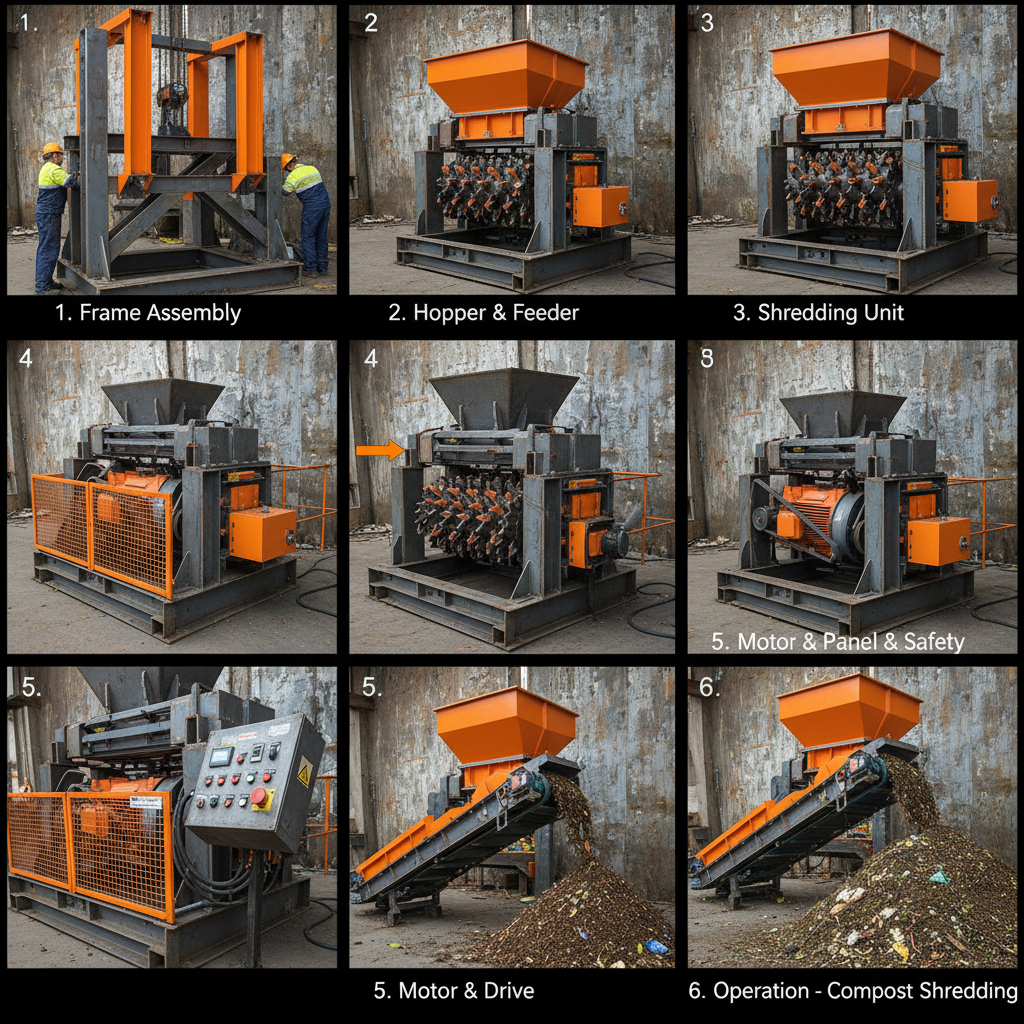
Industrial chippers are vital pieces of equipment transforming organic waste into valuable resources. Globally, the demand for efficient waste management and renewable energy sources is driving the growth of the industrial chipper market. From forestry and agriculture to landscaping and biomass energy production, these machines play a crucial role in sustainable practices. Understanding their function, applications, and advancements is becoming increasingly important for businesses and municipalities alike.
The increasing volume of wood waste, agricultural residue, and other organic materials presents a significant challenge worldwide. Traditional disposal methods like landfilling contribute to greenhouse gas emissions and environmental degradation. Industrial chippers offer a practical and eco-friendly solution by reducing waste volume, creating valuable mulch and compost, and providing feedstock for renewable energy production. This makes them essential for addressing sustainability concerns and promoting circular economy principles.
Investing in the right industrial chipper can significantly improve operational efficiency, reduce costs, and minimize environmental impact. These machines aren’t simply about grinding materials; they represent a shift towards more responsible and sustainable resource management, impacting industries and communities globally.
Introduction to Industrial Chippers
An industrial chipper is a powerful machine designed to reduce trees, branches, and other woody materials into wood chips. These chips can then be used for a variety of purposes, including mulch, compost, biomass fuel, and pulpwood. The scale of these machines ranges from relatively small, portable units to large, stationary systems capable of processing enormous volumes of material.
The rise of industrial chipping is directly linked to the growing emphasis on sustainable forestry practices and responsible waste management. As environmental awareness increases, the demand for efficient and eco-friendly solutions for processing organic waste continues to expand, cementing the industrial chipper’s role in modern industry.
Defining the Industrial Chipper
Simply put, an industrial chipper is a machine built to efficiently and reliably reduce bulky organic materials into smaller, more manageable pieces. Unlike consumer-grade chippers, industrial models are designed for continuous, high-volume operation, capable of handling substantial amounts of wood and vegetation daily. This makes them indispensable in industries dealing with significant organic waste streams.
The connection to modern industry is profound. Industries such as forestry, landscaping, utility companies (managing tree trimming waste), and biomass energy plants all rely on industrial chippers. The resulting wood chips are not waste products; they represent a resource ready to be repurposed, supporting a circular economy model.
Beyond industrial applications, industrial chippers also play a vital role in disaster relief. Quickly clearing debris after storms or wildfires is crucial for emergency response, and these machines facilitate that process, turning hazardous waste into manageable material for removal or repurposing.
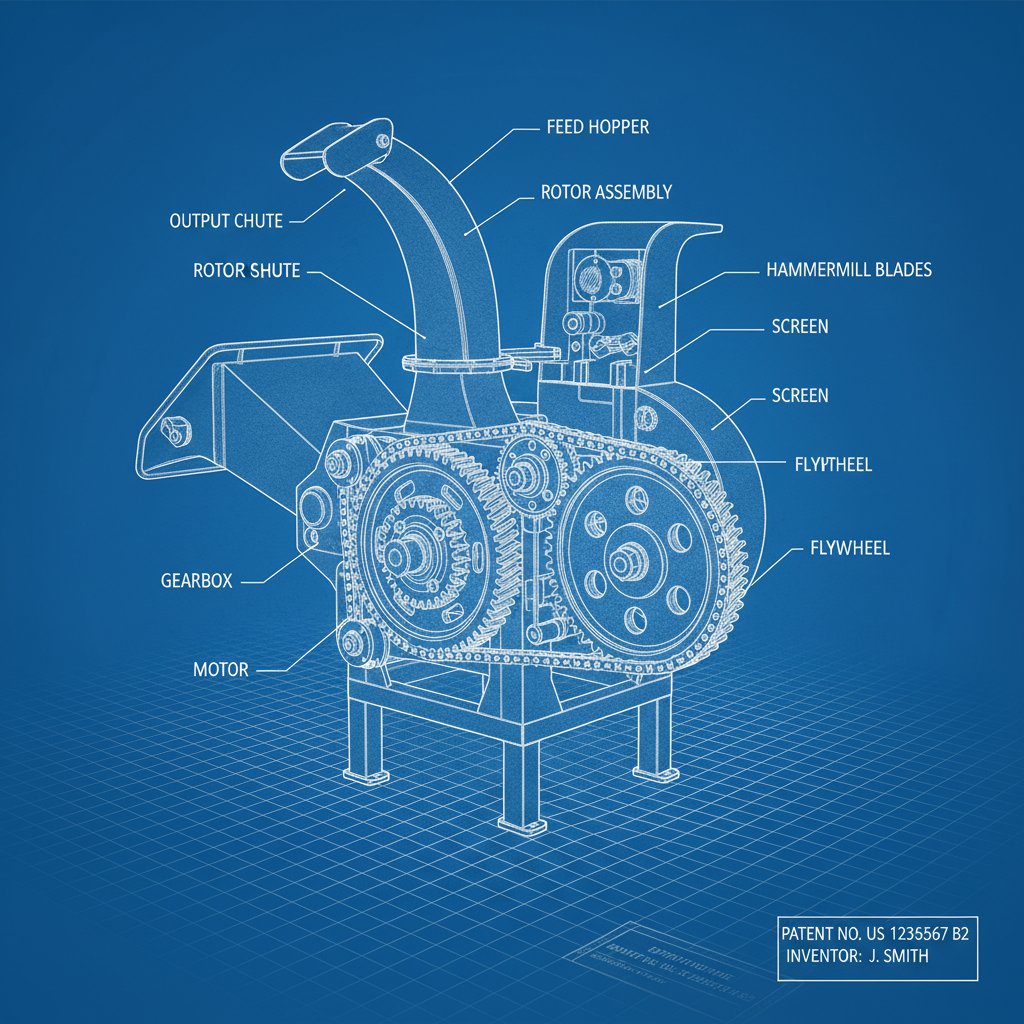
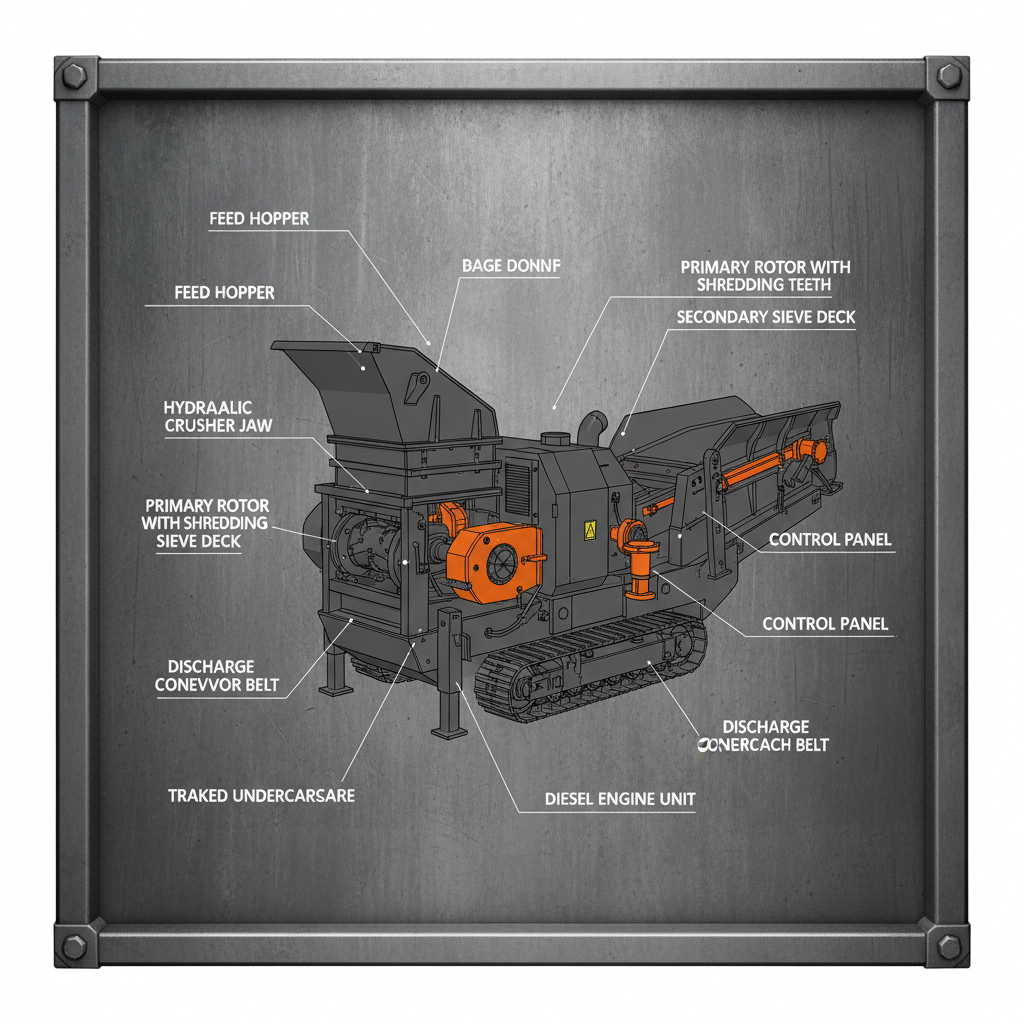
Core Components and Factors
Several key factors determine the performance and suitability of an industrial chipper. Durability is paramount, as these machines operate in demanding environments, processing abrasive materials. A robust frame, hardened steel components, and quality manufacturing are crucial for longevity.
Capacity and Throughput are also essential considerations. Different models offer varying capabilities, measured in tons per hour. Selecting a machine with the appropriate capacity ensures it can handle the volume of material generated by the specific operation. Blade Quality and Configuration directly impact the efficiency and quality of the chips produced, influencing subsequent processing steps.
Engine Power and Fuel Efficiency dictate operational costs. Powerful engines are necessary for demanding tasks, but optimizing fuel consumption is critical for long-term economic viability. Finally, Safety Features, such as emergency stops, infeed controls, and protective guarding, are non-negotiable to ensure operator safety.
Global Applications of Industrial Chippers
Industrial chippers are utilized extensively across a diverse range of industries globally. In forestry, they process tree limbs and waste wood generated during logging operations. In agriculture, they manage orchard prunings, vineyard debris, and other agricultural residues.
Landscaping and Tree Care companies rely on these machines to handle the large volumes of branches and vegetation produced during maintenance and storm cleanup. Biomass Energy Plants utilize wood chips as a renewable fuel source for power generation.
In remote industrial zones, where waste disposal options are limited, industrial chippers provide an on-site solution for reducing waste volume and creating valuable mulch or compost. In post-disaster relief operations, they are instrumental in quickly clearing debris and restoring affected areas.
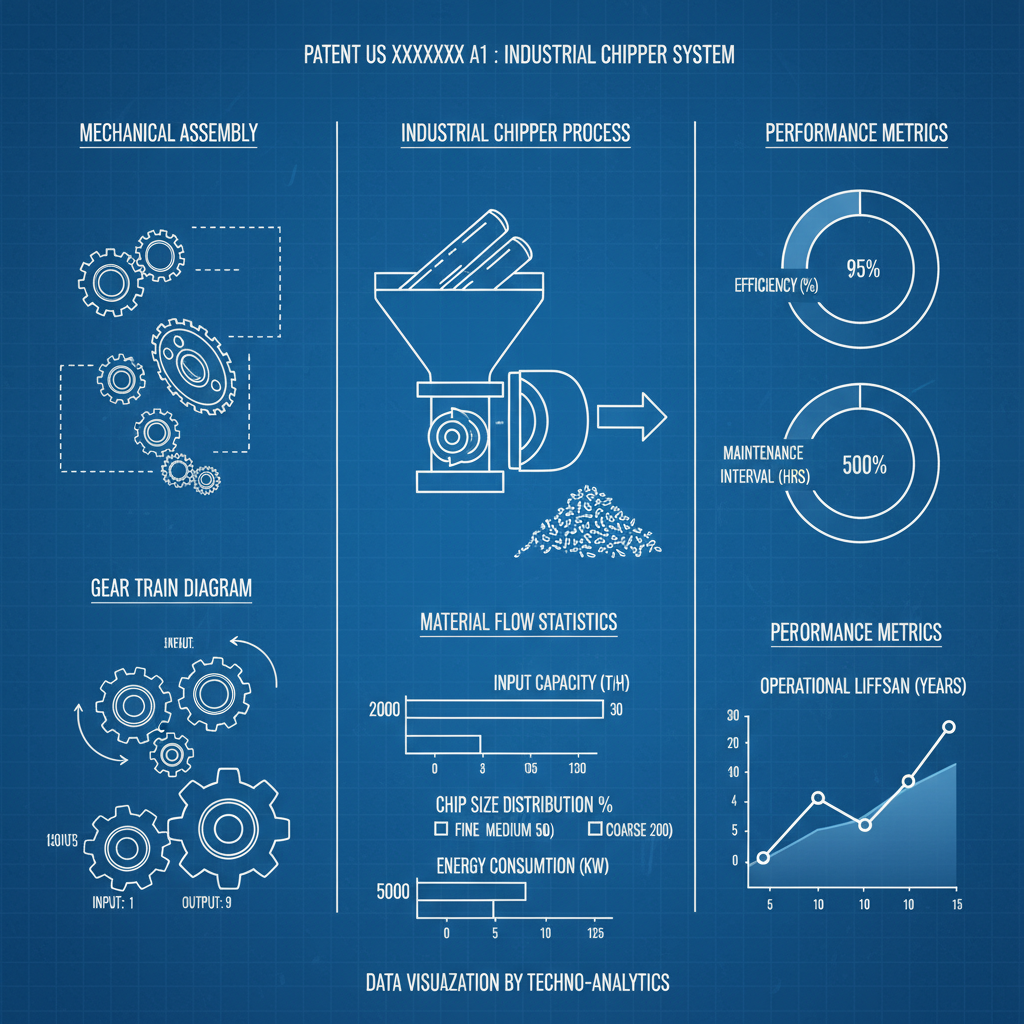
Industrial Chipper Performance Metrics
Advantages and Long-Term Value
The advantages of investing in an industrial chipper extend far beyond immediate waste reduction. Cost savings are realized through reduced disposal fees and the potential for generating revenue from the sale of wood chips. Sustainability is significantly enhanced by diverting organic waste from landfills and promoting the use of renewable resources.
From a social impact perspective, industrial chippers contribute to cleaner communities and healthier environments. Reliability and uptime are critical for uninterrupted operations, minimizing downtime and maximizing productivity. These benefits translate into long-term value, making industrial chippers a worthwhile investment for businesses and municipalities.
Future Trends in Industrial Chippers
The future of industrial chippers is being shaped by several key trends. Automation and remote control systems are increasing efficiency and safety. Digitalization and data analytics allow for optimized performance monitoring and predictive maintenance.
Green energy initiatives are driving demand for biomass fuel, increasing the importance of efficient wood chipping. Advancements in materials science are leading to the development of more durable and wear-resistant components. These innovations promise to further enhance the performance and sustainability of industrial chipping operations.
Challenges and Solutions
Despite their numerous benefits, industrial chippers face certain challenges. Maintenance can be demanding, requiring regular blade sharpening and component replacement. Noise pollution is another concern, particularly in residential areas.
Solutions include implementing preventative maintenance programs, utilizing noise reduction technologies (such as enclosures and mufflers), and investing in higher-quality components with extended lifespans. Furthermore, exploring alternative chipping technologies, such as slow-speed, high-torque grinders, can mitigate some of these issues.
Careful consideration of site selection and operational practices is also crucial for minimizing environmental impact and ensuring regulatory compliance.
Summary of Key Challenges and Solutions for Industrial Chippers
| Challenge |
Severity (1-10) |
Potential Solution |
Implementation Cost (USD) |
| Blade Wear |
8 |
High-Quality Alloy Blades |
500-1500 |
| High Maintenance |
7 |
Preventative Maintenance Schedule |
200-500 (annual) |
| Noise Pollution |
6 |
Sound Enclosures |
2000-5000 |
| Dust Generation |
5 |
Dust Suppression Systems |
1000-3000 |
| Material Jamming |
4 |
Improved Infeed Controls |
500-1000 |
| Operator Safety |
9 |
Enhanced Safety Guards & Training |
100-300 (training) |
FAQS
Drum chippers utilize a rotating drum with fixed blades, excelling in processing larger diameter material and often preferred for forestry applications. Disc chippers employ a rotating disc with replaceable blades, offering greater versatility and chip quality, commonly used in landscaping and biomass production. Choosing the right type depends on the specific material being processed and the desired chip size and quality.
Blade maintenance frequency depends on usage and material type. Regularly inspect blades for wear and damage. As a general guideline, blades should be sharpened every 50-100 operating hours and replaced when they reach a critical level of wear, indicated by reduced chipping efficiency or visible damage. Following manufacturer recommendations is crucial for optimal performance and safety.
Essential safety features include emergency stop mechanisms, infeed safety controls (e.g., bars, sensors), blade guarding, and clear signage. Proper training for operators is also vital. Regularly inspect and maintain all safety features to ensure they are functioning correctly. Compliance with industry safety standards is paramount.
Industrial chippers can process a wide variety of wood types, including hardwood, softwood, green wood, and seasoned wood. However, certain materials like metal, rocks, or construction debris should never be chipped as they can cause significant damage. The capacity to handle different wood types depends on the chipper’s design and power.
Wood chips have diverse applications. Common uses include mulch for landscaping, compost for soil enrichment, feedstock for biomass energy plants, pulpwood for paper production, and animal bedding. The chip size and quality can be adjusted based on the intended application.
With regular maintenance and proper operation, a high-quality industrial chipper can have a lifespan of 10-20 years or more. Consistent preventative maintenance, including blade sharpening, lubrication, and component inspections, is crucial for maximizing longevity. Choosing a reputable manufacturer and using genuine replacement parts also contribute to a longer lifespan.
Conclusion
In conclusion, industrial chippers are essential machines driving sustainability and efficiency across various industries. Their ability to transform organic waste into valuable resources, reduce environmental impact, and support renewable energy initiatives makes them critical for a circular economy. Understanding their core components, global applications, and future trends is crucial for making informed investment decisions and maximizing their benefits.
Looking ahead, continued innovation in automation, digitalization, and materials science will further enhance the performance and sustainability of industrial chippers. Prioritizing safety, preventative maintenance, and responsible operational practices will ensure their long-term reliability and effectiveness. For reliable industrial chippers and related services, visit our website: www.owrecycling.com.