The efficient management of waste and recyclable materials is a global challenge, impacting environmental sustainability, public health, and economic productivity. Small industrial shredders play a crucial role in addressing this challenge by providing a localized, efficient, and secure method for reducing waste volume, preparing materials for recycling, and protecting sensitive information. These machines are increasingly vital for businesses of all sizes seeking to minimize their environmental footprint and comply with ever-tightening regulations regarding data security and waste disposal.
The demand for effective waste reduction and resource recovery solutions is driven by factors such as population growth, increased consumption, and a growing awareness of the environmental consequences of landfilling. Small industrial shredders offer a practical answer to these problems, enabling companies to process materials in-house, reduce transportation costs, and unlock the value of previously discarded resources. Furthermore, advanced features like noise reduction and dust control make these machines suitable for a wider range of industrial settings.
From confidential document destruction to the processing of plastic for recycling, the versatility of the small industrial shredder is undeniable. The ability to size-reduce materials efficiently and safely makes them invaluable assets for businesses committed to sustainable practices and responsible waste management. This solution isn't limited to large corporations; it’s adaptable for smaller manufacturing facilities, print shops, and data centers alike.
The Role of Small Industrial Shredders in Modern Waste Management
Small industrial shredders are integral to modern waste management strategies, moving beyond simply disposing of waste to actively recovering resources. They facilitate the reduction of bulky items into manageable pieces, preparing them for recycling processes. This capability is increasingly important as landfill space diminishes and the demand for recycled materials rises.
The use of a small industrial shredder allows for on-site processing, reducing the costs and logistical complexities associated with transporting waste to external facilities. This also minimizes the risk of data breaches when confidential materials are destroyed, providing a secure and compliant solution for businesses handling sensitive information.
Understanding Small Industrial Shredder Technology
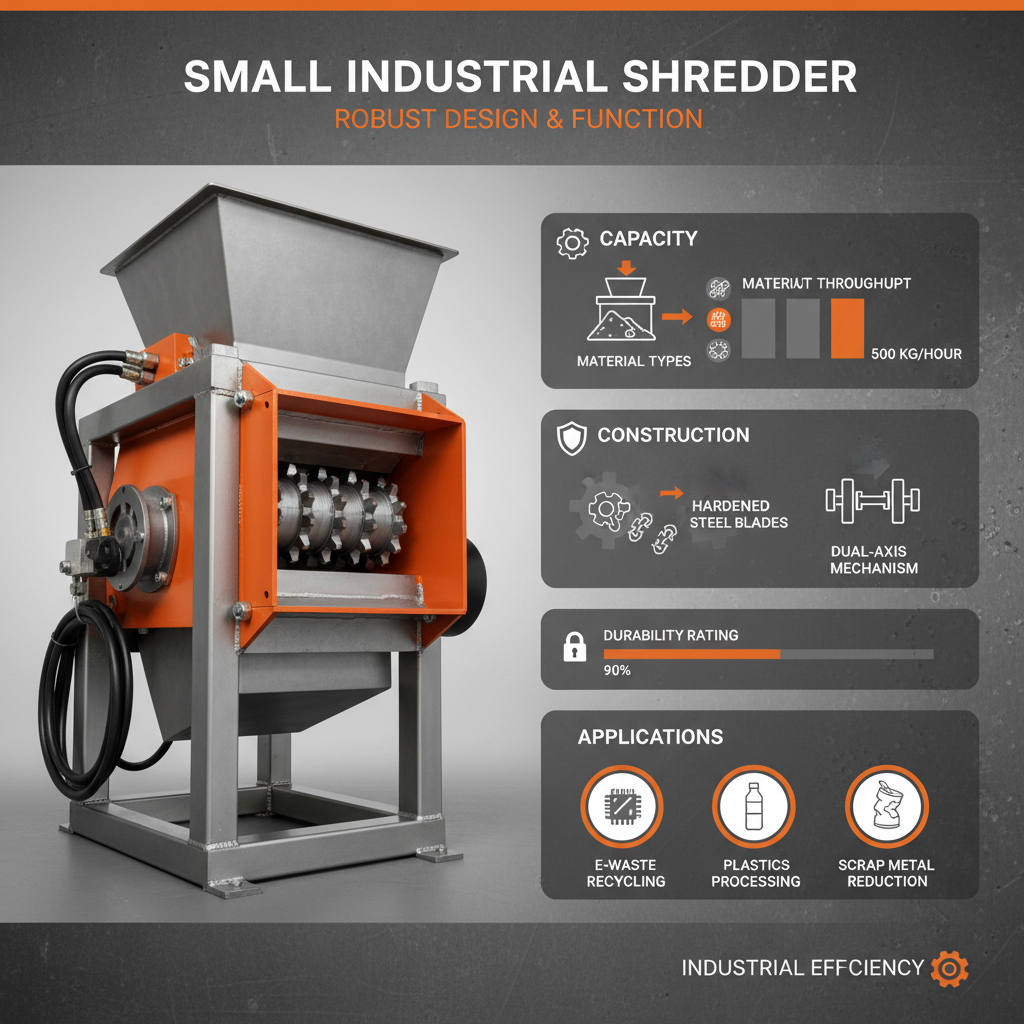
A small industrial shredder is a machine designed to reduce the volume of materials through cutting, ripping, or grinding. These machines differ significantly from office paper shredders in their capacity, durability, and ability to handle a wider range of materials, including plastics, metals, wood, and e-waste. They are built to withstand continuous use in industrial environments and feature robust construction for longevity.
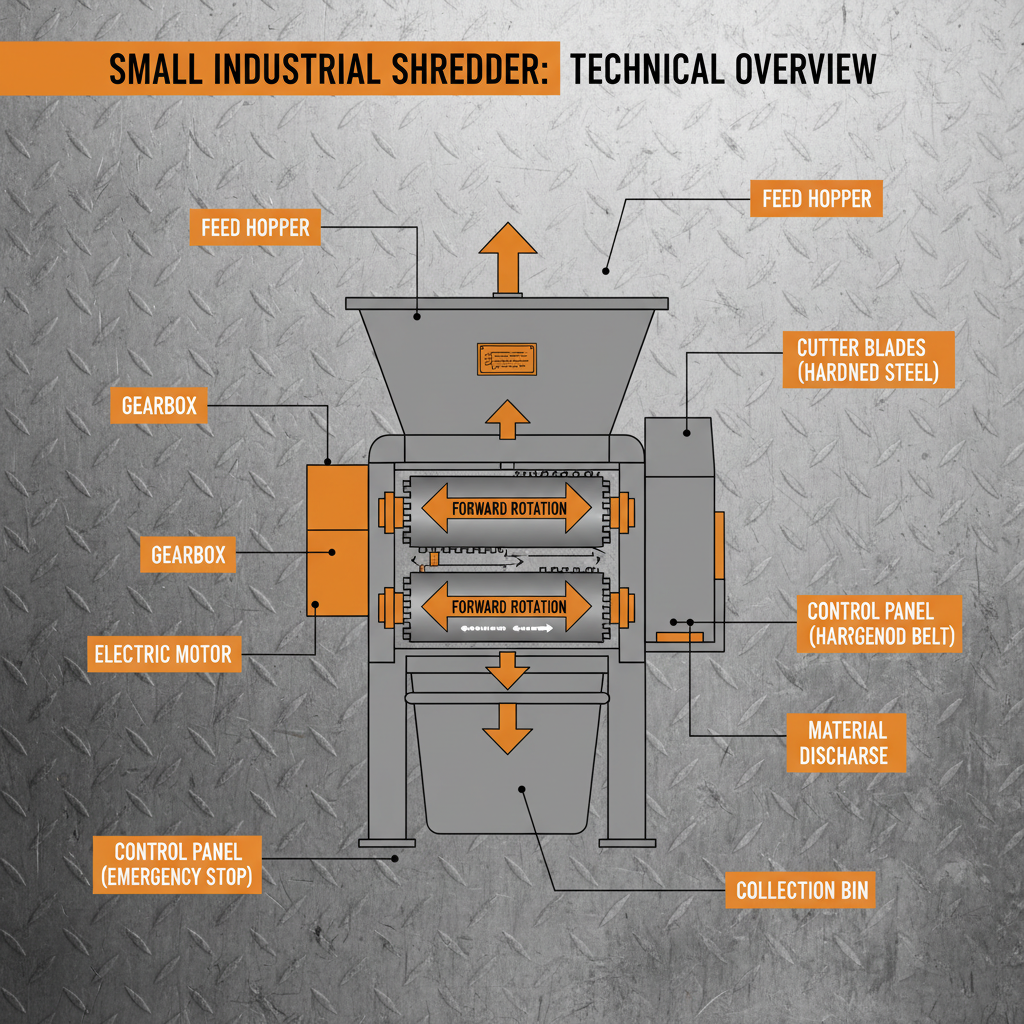
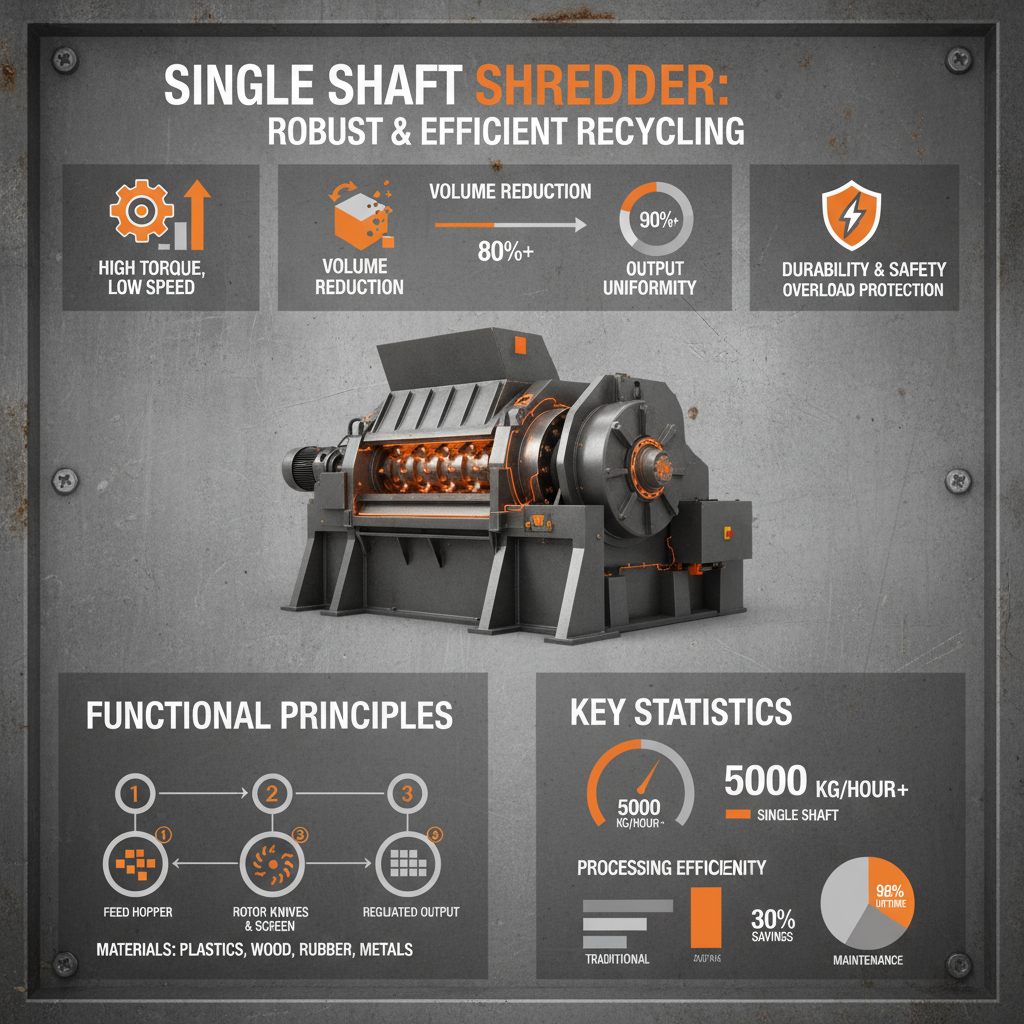
The core components of a small industrial shredder typically include a hopper for material input, cutting knives or blades, a motor to power the cutting mechanism, a drive system, and safety features like emergency stops and overload protection. The specific design and configuration will vary depending on the intended application and the types of materials being processed.
Modern shredders often incorporate advanced technologies like programmable logic controllers (PLCs) for automated operation, variable speed drives for optimizing performance, and remote monitoring capabilities for predictive maintenance. Choosing the right small industrial shredder requires a careful assessment of the materials to be shredded, the required throughput, and the available space and power supply.
Key Factors Influencing Shredder Performance
Several factors significantly impact the performance and effectiveness of a small industrial shredder. One crucial aspect is blade material and quality; high-quality steel blades maintain sharpness and resist wear, ensuring efficient and consistent shredding. Blade geometry also plays a key role, influencing the size and shape of the shredded material.
Motor horsepower is another critical consideration. A more powerful motor can handle thicker or denser materials with greater ease, while a smaller motor may be sufficient for lighter-duty applications. The drive system, whether it's hydraulic, electric, or pneumatic, also impacts performance, influencing the speed, torque, and reliability of the shredder.
Furthermore, the hopper design and feeding mechanism impact throughput and efficiency. A well-designed hopper facilitates smooth material flow and prevents jamming. Safety features, such as emergency stop buttons and overload protection, are essential for protecting operators and preventing damage to the machine.
Diverse Applications Across Industries
The versatility of small industrial shredders makes them indispensable across a wide range of industries. In the plastics recycling industry, they are used to reduce plastic waste into flakes or granules for reprocessing. The paper and print industry utilizes them for confidential document destruction and the recycling of paper waste.
Manufacturing facilities employ small industrial shredders to process scrap materials, such as metal offcuts, plastic rejects, and wood pallets, reducing waste and recovering valuable resources. E-waste recycling operations rely on them to dismantle electronic devices and separate materials for recovery.
Shredder Performance Comparison by Method
Advantages & The Long-Term Value Proposition
Investing in a small industrial shredder delivers a multitude of advantages, both tangible and intangible. Cost savings are significant, stemming from reduced waste disposal fees, lower transportation expenses, and the potential to generate revenue from recycled materials. Sustainability is another key benefit, as shredding reduces landfill waste and promotes resource recovery.
Beyond the financial and environmental benefits, a small industrial shredder enhances security and compliance, particularly for businesses handling confidential data. The ability to destroy sensitive information in-house provides peace of mind and minimizes the risk of data breaches, contributing to brand reputation and customer trust.
Future Trends and Innovations in Shredder Technology
The future of small industrial shredder technology is focused on increased automation, enhanced efficiency, and greater sustainability. We are seeing a growing trend towards smart shredders equipped with sensors and data analytics capabilities, enabling predictive maintenance and optimized performance.
The integration of artificial intelligence (AI) and machine learning (ML) is expected to further revolutionize the industry, enabling shredders to automatically identify and sort different materials, optimize cutting parameters, and improve overall efficiency. Developments in blade materials and designs are also leading to more durable, efficient, and energy-saving shredders.
Challenges and Optimizing Small Industrial Shredder Operations
Despite their numerous benefits, small industrial shredders can present certain challenges. One common issue is material jamming, which can disrupt operations and require manual intervention. Another challenge is noise pollution, which can be a concern in certain industrial environments. Regular maintenance and proper operator training are essential for mitigating these challenges.
Optimizing shredder operations involves selecting the right machine for the specific application, implementing a preventive maintenance schedule, and providing thorough training to operators. Proper material preparation, such as removing contaminants and pre-sorting materials, can also significantly improve efficiency and reduce the risk of jamming.
Addressing noise concerns can be achieved through the use of soundproofing enclosures or noise reduction technologies incorporated into the shredder design.
Summary of Operational Best Practices for Small Industrial Shredders
| Material Type |
Optimal Feed Rate |
Maintenance Frequency |
Common Issues & Solutions |
| Plastic Films |
Slow and Consistent |
Weekly Blade Inspection |
Jamming - Reduce Feed Rate/Pre-cut |
| Confidential Paper |
Moderate, Avoiding Overload |
Monthly Blade Sharpening |
Dust Buildup - Implement Dust Collection |
| Cardboard |
Fast, Flattened |
Bi-Annual Motor Check |
Overheating - Ensure Proper Ventilation |
| Aluminum Cans |
Moderate, Consistent Flow |
Quarterly Drive System Inspection |
Metal Fatigue - Replace Worn Parts |
| Wood Pallets |
Slow, Piece by Piece |
Annual Hydraulic System Flush |
Blade Dullness - Schedule Professional Sharpening |
| E-Waste (Circuit Boards) |
Slow, Small Batches |
Regular Dust Filter Replacement |
Contamination - Implement Pre-Sorting Protocol |
FAQS
Small industrial shredders offer significantly higher throughput, improved safety, and the ability to process a wider range of materials than manual methods. They are designed for continuous operation, reducing labor costs and improving efficiency. The increased security provided by a robust shredding process is also a major advantage, especially when dealing with confidential documents or sensitive data, minimizing the risk of information breaches.
Selecting the right shredder requires careful consideration of several factors. Assess the types of materials you’ll be shredding, the volume of material, the desired particle size, and your available space and power supply. Consider features like motor horsepower, blade material, safety mechanisms, and automation options. Consulting with a shredder specialist can help you determine the optimal solution for your application.
Regular maintenance is crucial for ensuring the longevity and optimal performance of your shredder. This includes daily inspections for jams or damage, weekly blade inspections, monthly lubrication of moving parts, and annual professional servicing. Maintaining sharp blades and a clean machine will prevent downtime and extend its lifespan.
Yes, safety is paramount. Always follow the manufacturer’s instructions and wear appropriate personal protective equipment (PPE), such as safety glasses, gloves, and hearing protection. Never reach into the hopper while the shredder is running and ensure all safety guards are in place. Regular operator training is essential to prevent accidents.
Noise reduction can be achieved through several methods. Consider using a soundproofing enclosure around the shredder, installing vibration dampeners, and selecting a shredder with noise reduction features. Maintaining the shredder properly and ensuring blades are sharp can also minimize noise levels.
Small industrial shredders have a positive environmental impact by reducing landfill waste, promoting resource recovery, and enabling recycling. By shredding materials on-site, you reduce transportation costs and emissions. Choosing energy-efficient shredder models and properly disposing of any waste materials generated during the shredding process further minimizes the environmental footprint.
Conclusion
In conclusion, the small industrial shredder represents a vital component of modern waste management and resource recovery strategies. From enhancing security and reducing costs to promoting sustainability and enabling regulatory compliance, the benefits are multifaceted and substantial. Its adaptability across a broad spectrum of industries reinforces its position as an indispensable tool for businesses prioritizing efficiency, responsibility, and long-term value.
As technology continues to evolve, we can anticipate further advancements in shredder capabilities, driven by automation, AI, and a growing emphasis on circular economy principles. Investing in a well-chosen and properly maintained small industrial shredder is not merely a purchase; it’s a commitment to a more sustainable, secure, and efficient future. Visit our website at www.owrecycling.com to learn more about our range of shredding solutions and find the perfect fit for your needs.