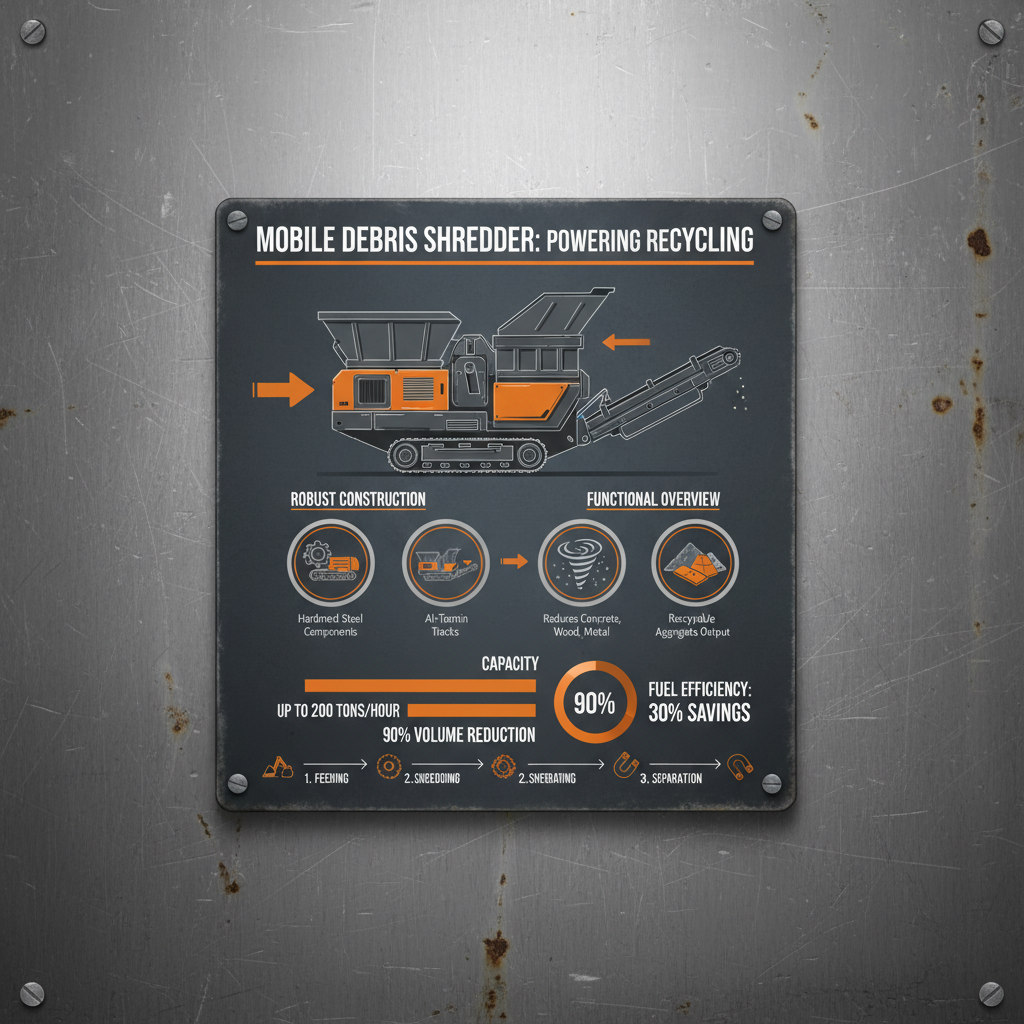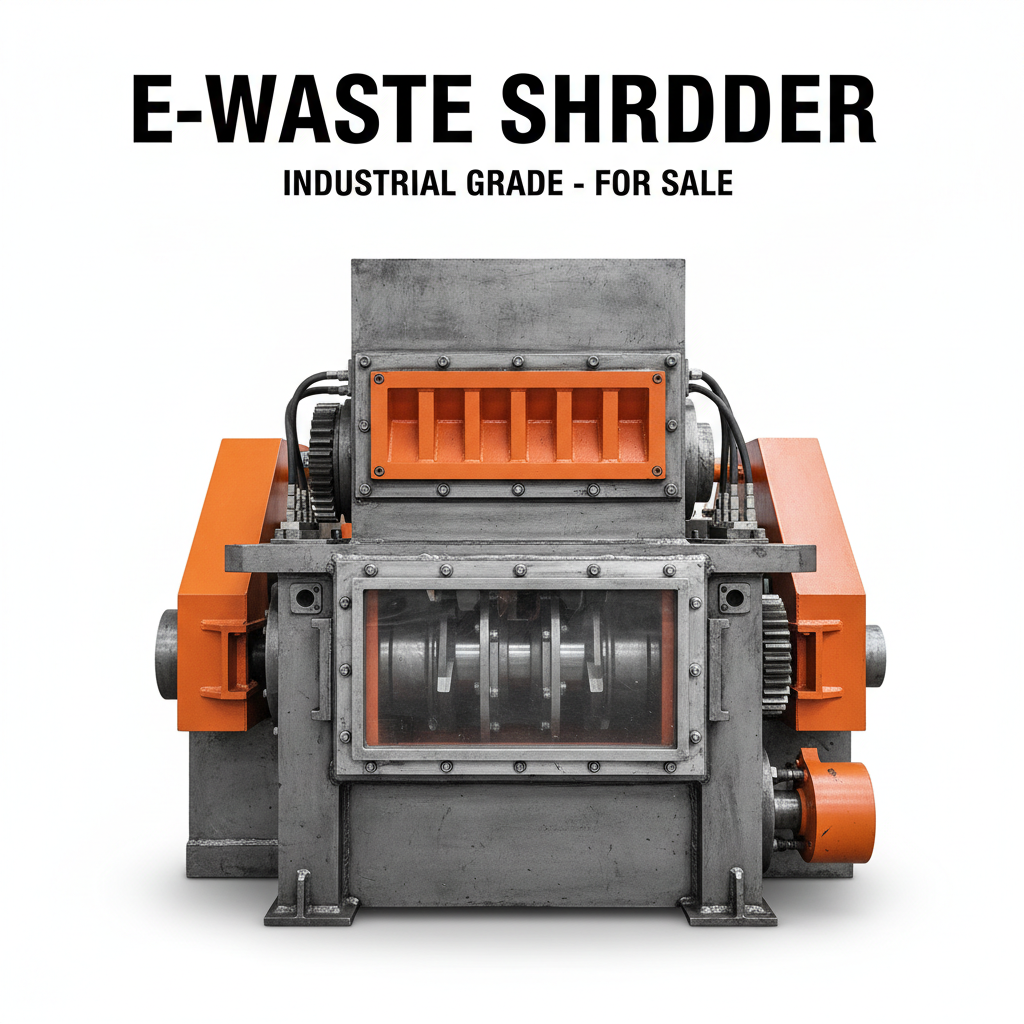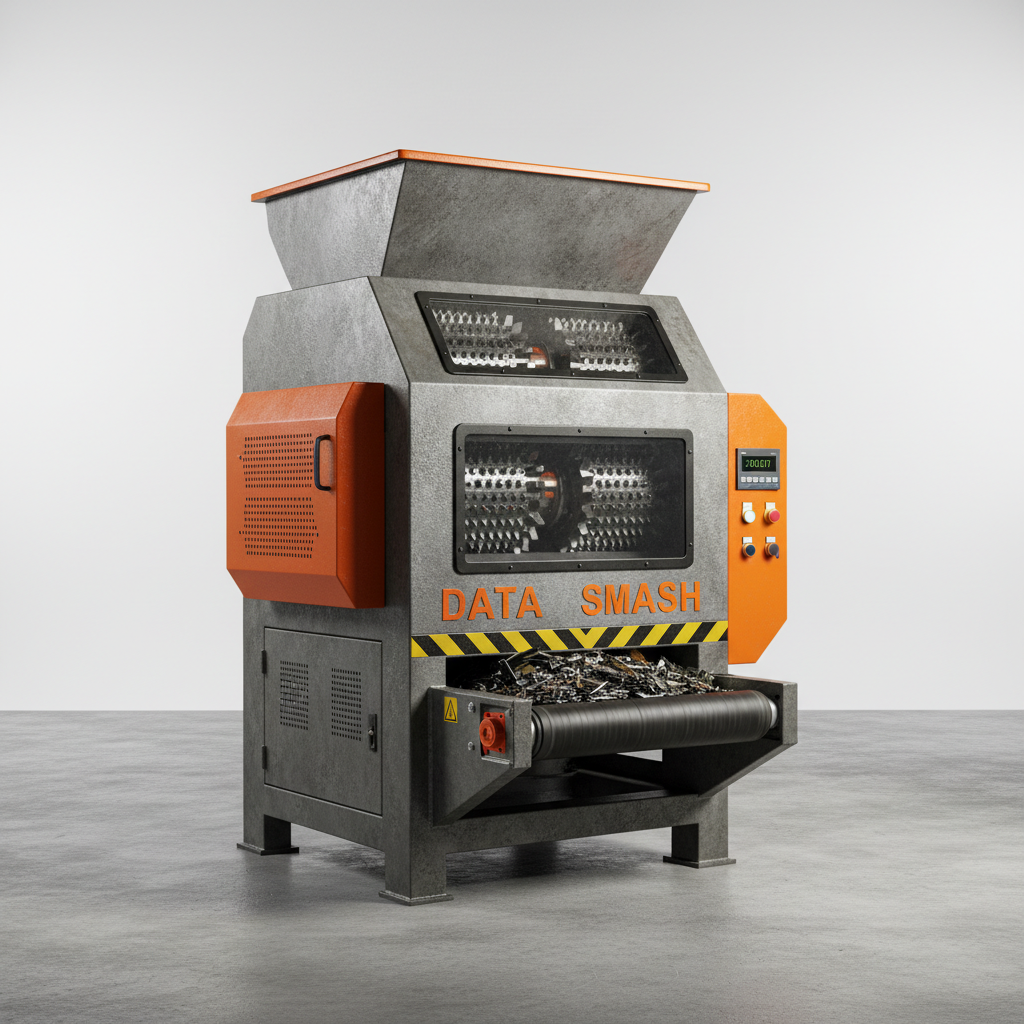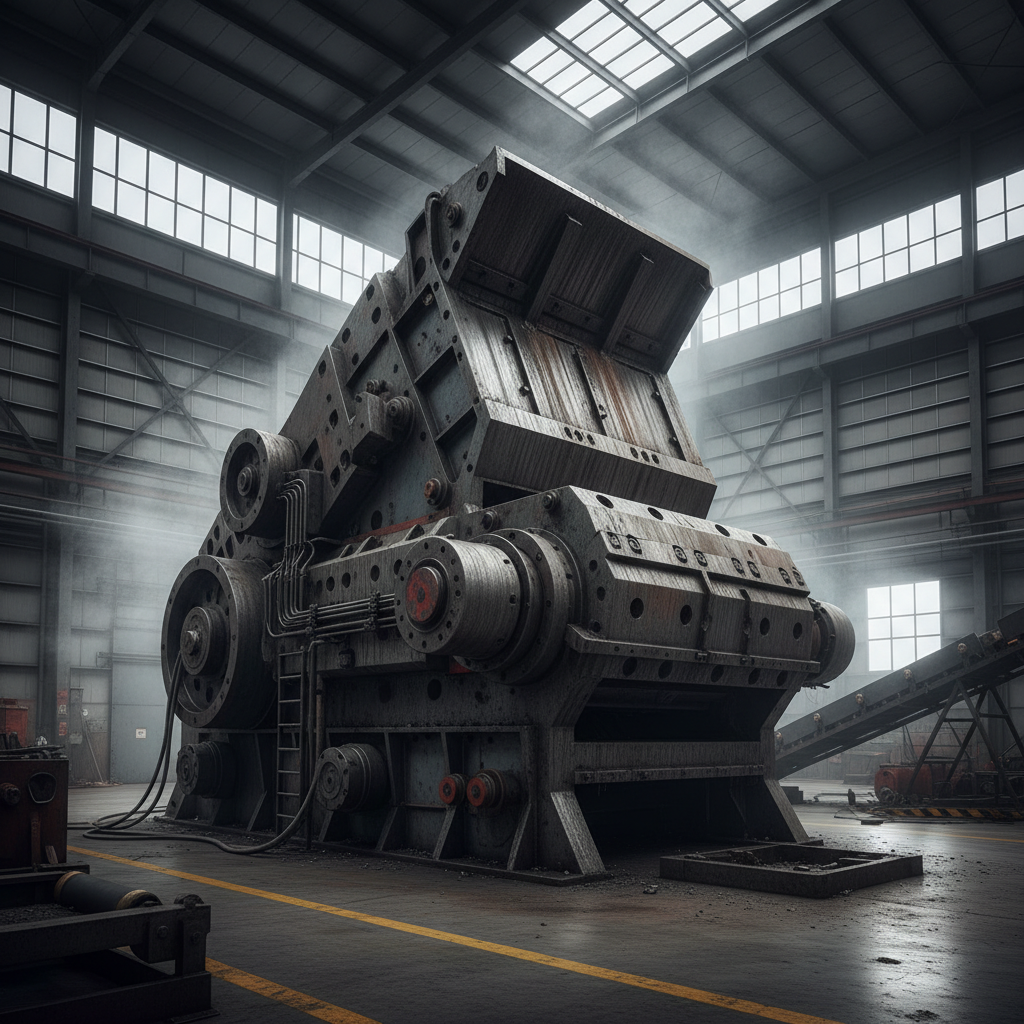
Industrial crushers are essential machines in a multitude of industries, playing a pivotal role in size reduction and material processing. From recycling operations to mining and aggregate production, the demand for efficient and reliable industrial crushers continues to grow globally. Understanding the principles, applications, and advancements in this technology is crucial for optimizing industrial processes and contributing to sustainable resource management. The increasing focus on waste reduction and resource recovery further underscores the importance of innovative industrial crusher solutions.
The global market for industrial crushers is estimated to reach significant figures in the coming years, driven by infrastructural development in emerging economies and the growing need for recycled materials. According to industry reports, the construction sector remains a primary driver, while the recycling industry is experiencing rapid expansion. This surge in demand presents both opportunities and challenges, requiring manufacturers to focus on developing more energy-efficient, durable, and technologically advanced industrial crushers. The World Bank estimates a substantial increase in construction waste globally, amplifying the necessity for effective crushing and recycling technologies.
The functionality of an industrial crusher directly impacts operational efficiency, cost-effectiveness, and environmental sustainability. These machines are not merely tools; they represent a critical link in the value chain, converting raw materials into usable resources. Effective crushing reduces transportation costs, enhances material handling, and enables the recovery of valuable components from waste streams. Without robust and reliable crushers, many modern industrial processes would be significantly hampered.
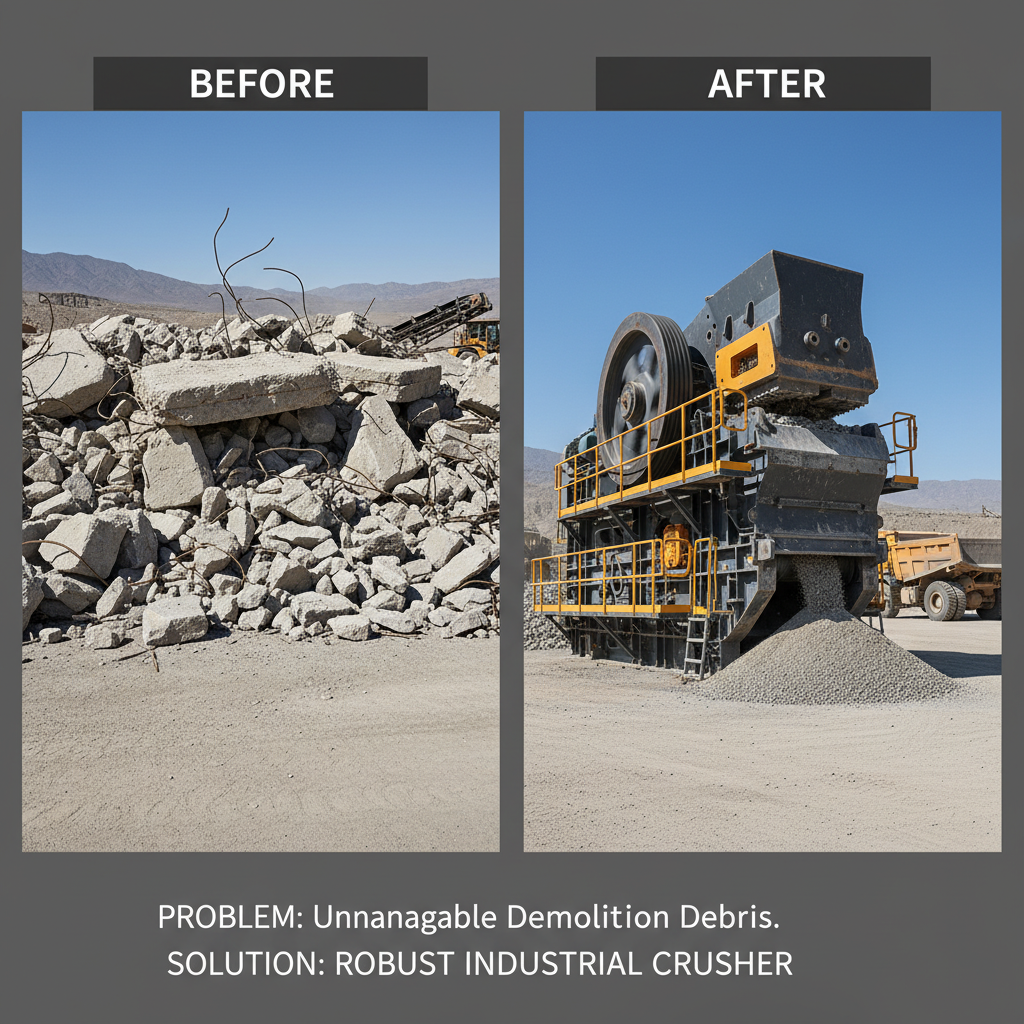
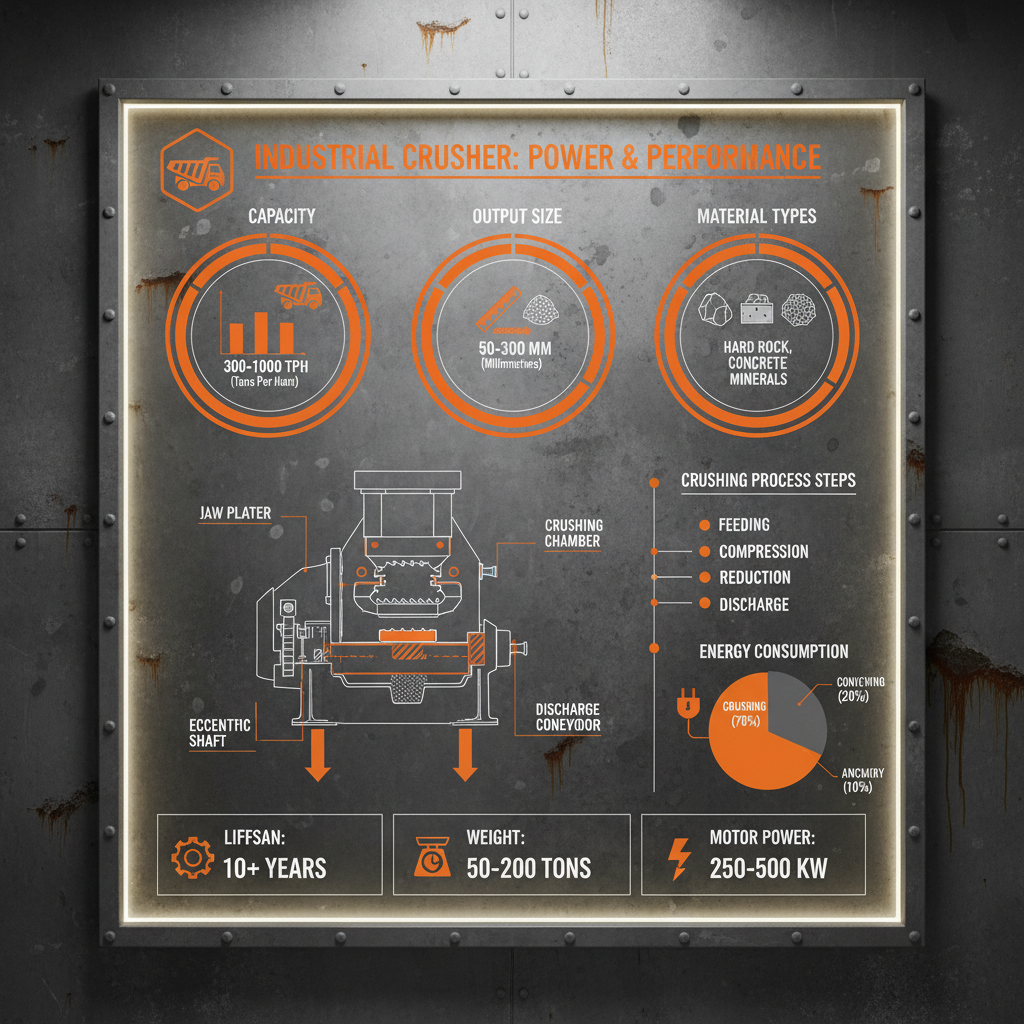
Industrial crushers are fundamental to numerous processing industries, enabling the transformation of large, unwieldy materials into manageable sizes. This size reduction is critical for subsequent operations like screening, grinding, and material handling. The effective use of an industrial crusher ensures optimal efficiency and profitability across a spectrum of applications.
Beyond purely industrial uses, these machines contribute to environmental sustainability through waste management and resource recovery. By processing construction debris, mining waste, and post-consumer materials, industrial crushers facilitate the creation of new products and reduce the strain on natural resources. This closed-loop approach is increasingly important in a world grappling with resource scarcity and environmental concerns.
Jaw crushers are generally used for primary crushing of hard, abrasive materials due to their high capacity and ability to handle large feed sizes. They operate on compression, squeezing the material between a moving and stationary jaw. Cone crushers, on the other hand, are ideal for secondary and tertiary crushing, producing a finer, more consistently sized product. They utilize a rotating cone within a bowl, providing a more efficient crushing action. The choice depends heavily on the material being processed and the desired output size.
Regular maintenance is crucial for ensuring the longevity and optimal performance of your industrial crusher. Daily checks should include visual inspections for wear and tear, lubrication of moving parts, and monitoring of operating parameters. More comprehensive maintenance, such as replacing wear plates and checking hydraulic systems, should be performed monthly or quarterly, depending on the machine’s usage and the materials being processed. Following the manufacturer's recommended maintenance schedule is highly advised.
Several factors contribute to the energy consumption of an industrial crusher, including the material's hardness, feed size, crushing cavity design, and operating speed. Harder materials require more energy to crush. Optimizing feed size and ensuring the crushing cavity is properly configured can significantly reduce energy usage. Additionally, selecting an energy-efficient motor and implementing variable frequency drives (VFDs) can help minimize energy consumption.
Safety should always be a top priority when operating an industrial crusher. Operators should wear appropriate personal protective equipment (PPE), including safety glasses, hearing protection, and dust masks. Emergency stop buttons should be readily accessible, and all safety guards should be in place. Proper training on the machine’s operation and safety procedures is essential. Regular safety inspections and maintenance are also critical for preventing accidents.
Choosing the right industrial crusher requires careful consideration of several factors, including the material type, feed size, desired output size, processing capacity, and mobility requirements. Consulting with a crusher manufacturer or industry expert can provide valuable guidance. Analyzing your specific needs and comparing the capabilities of different crusher types is essential for making an informed decision.
Industrial crushing can have environmental impacts such as dust generation, noise pollution, and energy consumption. These impacts can be minimized by implementing dust suppression systems, using noise barriers, and selecting energy-efficient crushers. Proper waste management practices, including the recovery and reuse of materials, are also crucial for reducing the environmental footprint. Adhering to environmental regulations and best practices is essential.
Industrial crushers are indispensable machines that underpin numerous industries, facilitating material processing, resource recovery, and sustainable waste management. Their ability to reduce material size efficiently and reliably is crucial for a wide range of applications, from mining and construction to recycling and disaster relief. Understanding the key components, operational factors, and future trends associated with industrial crushers is vital for optimizing performance and maximizing long-term value.
As industries continue to prioritize sustainability and efficiency, innovation in industrial crusher technology will be paramount. The integration of automation, data analytics, and advanced materials will lead to more intelligent, energy-efficient, and environmentally friendly crushing solutions. Investing in these advancements will not only enhance operational productivity but also contribute to a more sustainable and circular economy. For tailored solutions and expert guidance, visit our website: www.owrecycling.com