Look, I’ve spent the last fifteen years walking construction sites, getting dust in my boots, and talking to the folks actually using equipment. And what I’ve seen is a constant need for on-site processing of materials – everything from concrete rubble to wood waste. That’s where the mobile industrial shredder really shines. It’s not some fancy lab gadget; it’s a workhorse that keeps projects moving, cuts down on hauling costs, and frankly, makes life a whole lot easier for everyone involved. We're talking about real, tangible benefits impacting project timelines and bottom lines. mobile industrial shredder isn't just about breaking things down; it's about building things up more efficiently.
The biggest problem I consistently ran into was material buildup. Sites just don't have infinite space. Hauling everything off-site is expensive, time-consuming, and adds to the carbon footprint. A lot of companies are realizing now, not just for cost savings, but because regulations are tightening up around waste management. This isn’t just a trend; it’s becoming a necessity. The efficiency gains from on-site reduction mean fewer trucks on the road, less landfill waste, and more time for crews to focus on actual construction. It's a total game changer when you're trying to hit deadlines and stay within budget.
Honestly, folks have been jury-rigging solutions for years – small crushers, grinders, even trying to hand-sort stuff. But those methods are slow, labor-intensive, and often don't get the job done effectively. A properly spec'd mobile industrial shredder is a dedicated piece of kit designed to handle large volumes of diverse materials. It's a professional tool for a professional job, and the return on investment is surprisingly quick when you factor in all the savings. I've seen it firsthand.
The Core Functionality of mobile industrial shredder
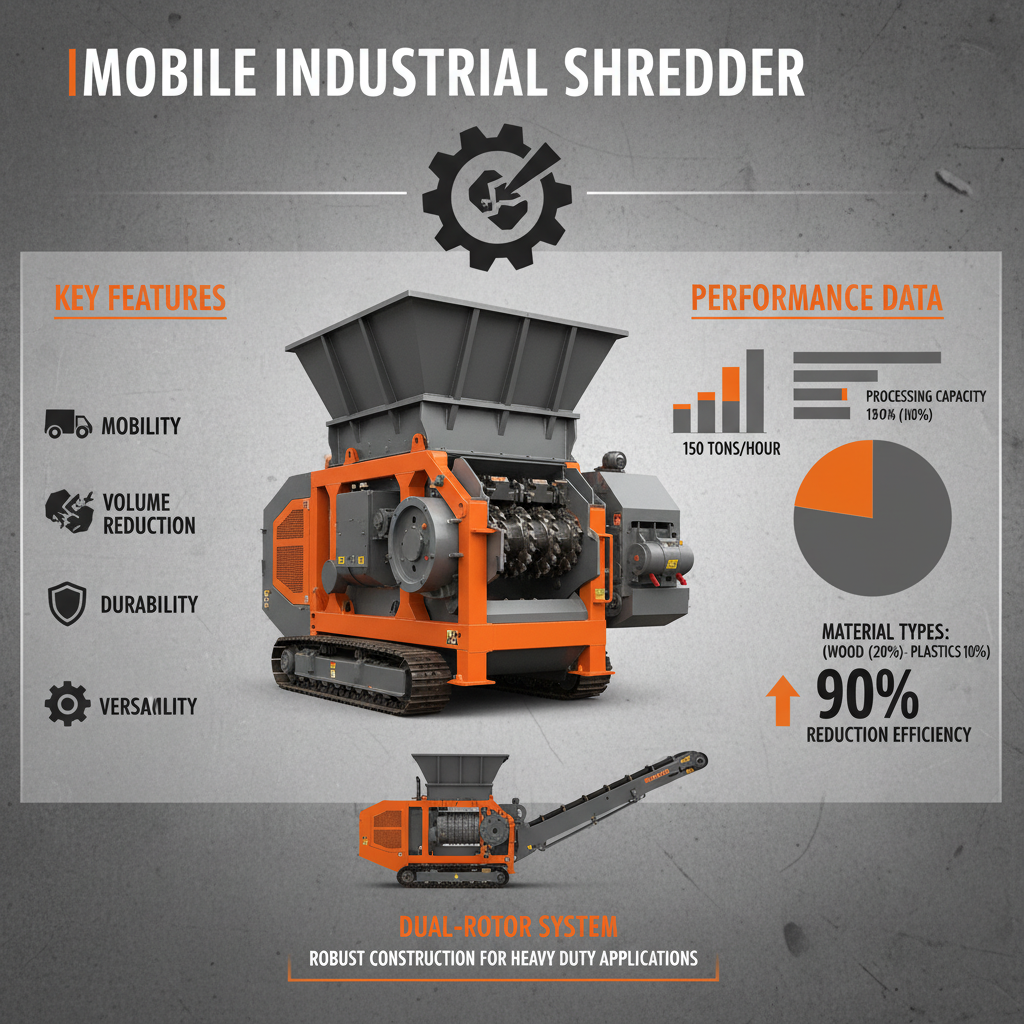
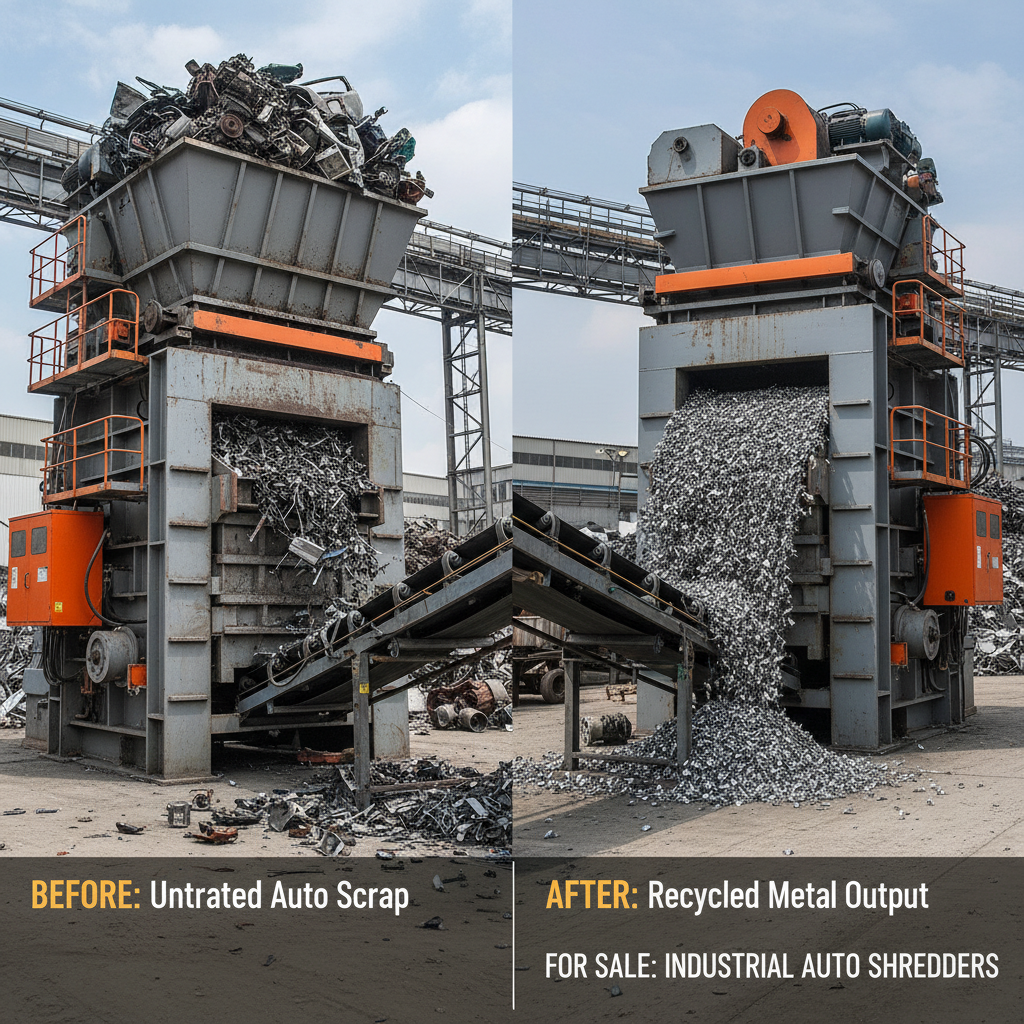
At its heart, a mobile industrial shredder is about reducing volume. It takes bulky waste materials—concrete, asphalt, wood, plastics, even metal—and processes them into a manageable size. This isn't just about making it easier to haul away; it's about creating usable materials for fill, aggregate, or even recycling. The key is the mobility; these units are built on tracks or wheels to move with the project. mobile industrial shredder units are designed for heavy-duty performance.
What separates a good mobile shredder from the rest is its ability to handle a variety of materials. Some units are specialized for wood, others for concrete. But the truly versatile machines can take on almost anything you throw at them, which is exactly what you need on a typical construction site. We're not talking about dainty little chippers; these are serious pieces of equipment built to withstand the rigors of daily use.
The Global Impact of mobile industrial shredder
I've seen these machines in use everywhere from remote mining operations in Australia to disaster relief efforts in Haiti. The need for on-site material reduction is universal. Globally, the construction and demolition (C&D) waste stream is massive, accounting for a significant percentage of total landfill waste. The UN Environment Programme estimates that C&D waste represents over 25% of waste generated worldwide. That’s a huge number. mobile industrial shredder is a key component of a circular economy.
The World Bank is increasingly focusing on sustainable infrastructure development, and that includes responsible waste management. Countries are implementing stricter regulations around landfill diversion, incentivizing recycling and on-site processing. This isn’t just an environmental issue; it's an economic one. Reducing waste lowers costs, creates new revenue streams from recycled materials, and promotes a more sustainable building industry. It’s no longer a ‘nice-to-have’ but a ‘must-have’.
And it’s not just about developed nations. In rapidly developing countries, the ability to efficiently process construction waste is crucial for managing urban growth and protecting the environment. Mobile shredders offer a practical, cost-effective solution for these challenges. It levels the playing field, allowing even smaller contractors to adopt sustainable practices.
Defining mobile industrial shredder: A Practical Perspective
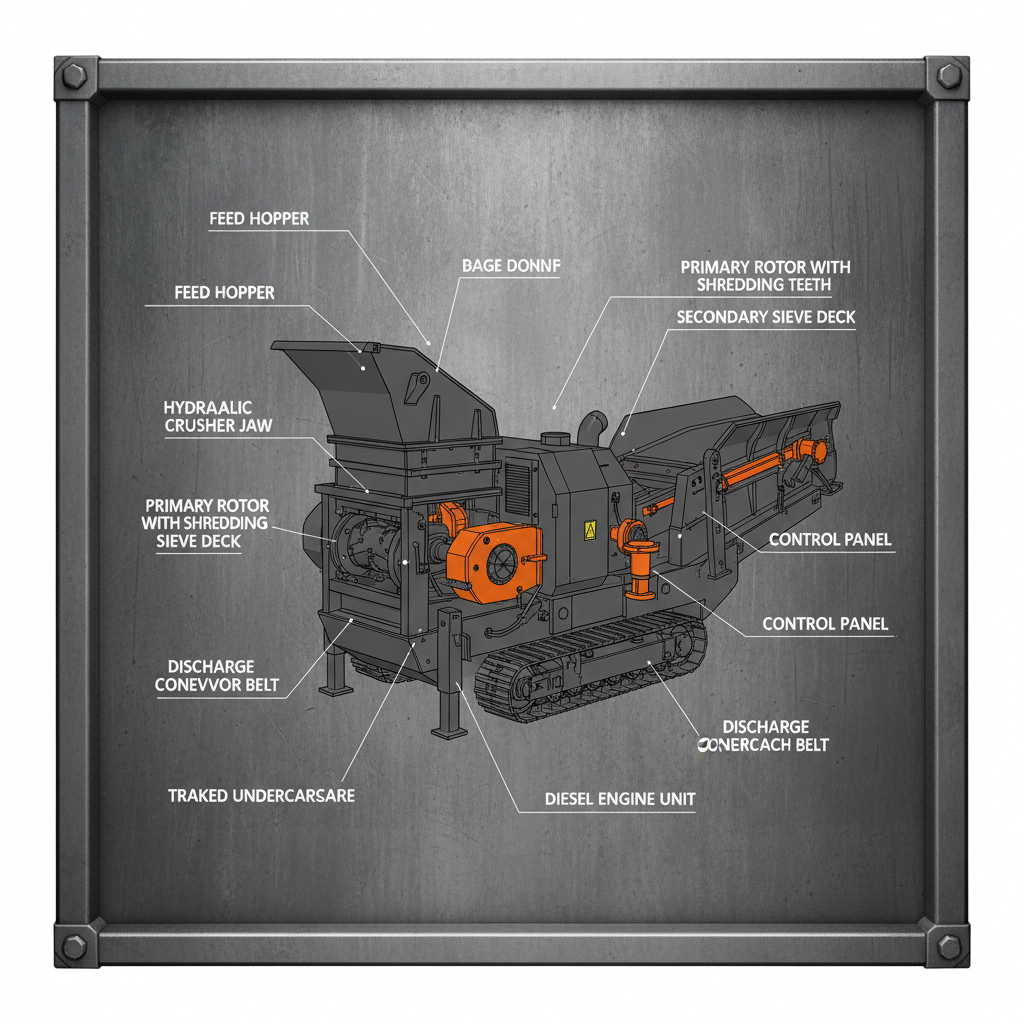
Forget the marketing jargon. A mobile industrial shredder is essentially a heavy-duty crushing and shredding machine mounted on a mobile platform. It’s designed to be transported easily to the job site and operated on-site to reduce the volume of waste materials. Think of it as a portable recycling plant. It’s not a small operation; these are robust machines with powerful engines and reinforced steel construction. It's about making sense of the chaos on a construction site.
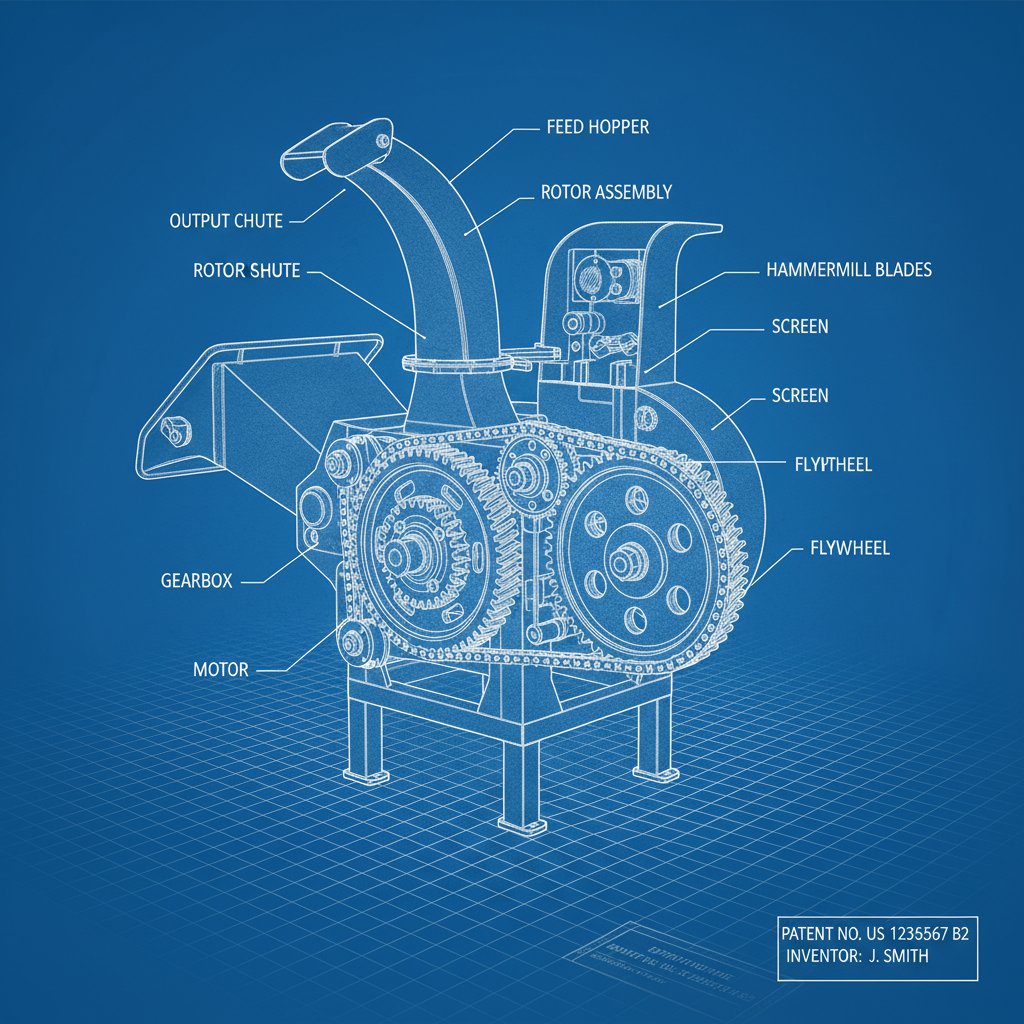
The “industrial” part is important. These aren't your average home garden shredders. They're built to handle massive quantities of tough materials – reinforced concrete, asphalt with rebar, treated lumber, and even some metals. They use a variety of cutting mechanisms, like rotary shears, hammers, or screens, depending on the material being processed and the desired output size. It's about applying the right force and method to the task.
Ultimately, it’s a practical solution to a common problem. It minimizes hauling costs, reduces landfill waste, and creates usable materials for the project or for resale. It allows contractors to be more self-sufficient and environmentally responsible. And from my experience, that makes a real difference to project success. mobile industrial shredder is an essential tool for modern construction.
Key Characteristics of Effective mobile industrial shredder
There are several key things I look for when evaluating a mobile industrial shredder. First, durability. These machines take a beating, so they need to be built to last. That means heavy-duty steel construction, robust components, and a reliable engine. Second, versatility. Can it handle a wide range of materials? Can it produce different output sizes? Third, ease of maintenance. Downtime is money, so you want a machine that's easy to service and repair.
Fourth, transportability. How easy is it to move from site to site? Fifth, safety features. This is paramount. The machine needs to have adequate guards, emergency stops, and other safety features to protect operators and other personnel. And finally, fuel efficiency. Operating costs add up, so a fuel-efficient engine can save you a significant amount of money over the long run.
Key Performance Indicators for mobile industrial shredder
Real-World Applications of mobile industrial shredder
I've seen them used for everything from processing concrete rubble after building demolition to shredding wood waste from forestry operations. In post-disaster relief situations, they're invaluable for quickly reducing debris and creating access roads. In remote mining areas, they can process ore and rock on-site, eliminating the need for expensive transportation. mobile industrial shredder saves time and money.
One project I was on involved a large-scale road construction project. They used a mobile shredder to process asphalt millings, turning them into a usable base material for the new road. It saved them a ton of money on aggregate costs and reduced the amount of waste going to the landfill. Another time, I worked on a site where they were demolishing an old factory. The mobile shredder processed the concrete and steel, allowing them to recover valuable materials for recycling.
The Long-Term Value Proposition of mobile industrial shredder
It’s easy to look at the upfront cost of a mobile industrial shredder and think it’s expensive. But you have to consider the long-term value. Reduced hauling costs, lower landfill fees, the potential to generate revenue from recycled materials – it all adds up. Plus, you're contributing to a more sustainable building industry, which is becoming increasingly important. It's not just about saving money; it's about doing the right thing.
The reliability of these machines is a huge factor. If it's constantly breaking down, it's not saving you anything. Investing in a well-built, properly maintained shredder will pay dividends over the long run. It's also about reducing your environmental impact, building a positive reputation, and attracting clients who value sustainability. That intangible benefit is worth a lot. mobile industrial shredder is good for business.
Future Trends and Innovations in mobile industrial shredder
We're seeing a move towards more intelligent machines with remote monitoring and diagnostics. This allows operators to track performance, identify potential problems, and schedule maintenance proactively. Automation is also becoming more common, with features like automatic material feeding and sorting. That all leads to increased efficiency and reduced labor costs. We're also seeing more hybrid and electric models, reducing emissions and noise pollution.
The integration of AI and machine learning is another exciting trend. AI can be used to optimize shredding parameters, improve material separation, and even predict equipment failures. And with the increasing focus on the circular economy, we'll see more innovations in material recovery and recycling technologies. It's not just about breaking things down anymore; it's about creating valuable resources.
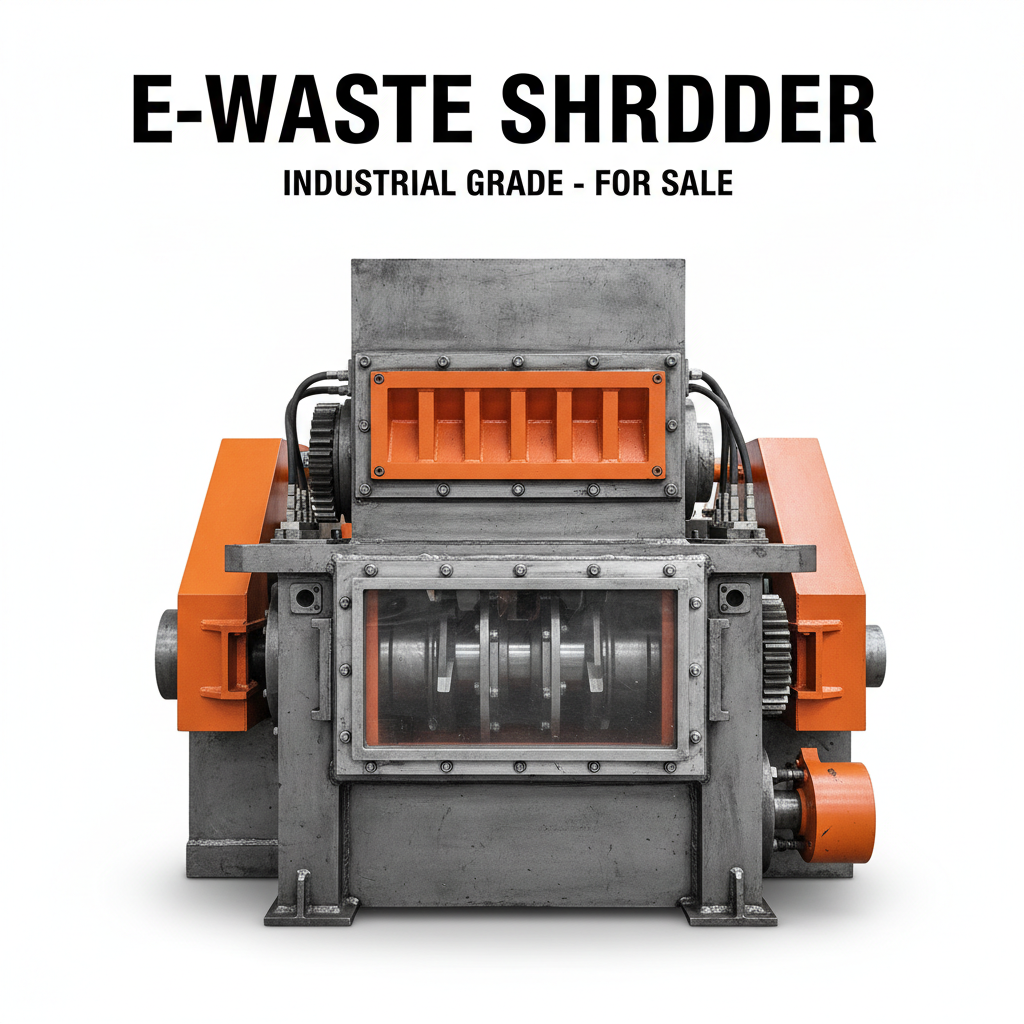
I also think we'll see more specialized shredders designed for specific materials, like plastics or electronic waste. As regulations around waste management become stricter, the demand for these types of machines will only grow. It's an exciting time to be in this industry, and the future looks bright for mobile industrial shredder.
Summary of Key Considerations for Mobile Industrial Shredder Performance
| Material Compatibility |
Processing Speed |
Maintenance Requirements |
Overall Cost of Ownership |
| Concrete & Asphalt |
8-10 |
Medium |
$80,000 |
| Wood Waste |
9-11 |
Low |
$70,000 |
| Mixed C&D Debris |
6-8 |
High |
$95,000 |
| Plastics |
5-7 |
Medium |
$100,000 |
| Metal Scrap |
7-9 |
Low |
$85,000 |
| Green Waste |
10-12 |
Very Low |
$65,000 |
FAQS
The lifespan of a mobile industrial shredder really depends on maintenance and usage, but a well-maintained unit can easily last 10-15 years. Regular inspections, timely repairs, and proper lubrication are key. We've seen units exceeding 20 years with dedicated care, but that's not the norm. The engine is usually the first major component to need replacement. Proper preventative maintenance is huge.
Safety is paramount. You want to see robust guarding around all moving parts, emergency stop buttons that are easily accessible, and clear warning labels. Look for features like automatic shut-off in case of a jam and a remote control operation to minimize operator exposure. Training is also crucial. Operators need to be properly trained on safe operation and maintenance procedures.
Operating costs vary depending on fuel prices, maintenance schedules, and labor rates. However, you can generally expect to spend around $50-150 per hour. A significant portion of that is fuel, but maintenance and potential repairs also contribute. Efficient operation and preventative maintenance can help minimize these costs.
Most mobile industrial shredders can handle a wide range of materials, including concrete, asphalt, wood, plastics, and some metals. However, it's important to check the manufacturer's specifications to ensure the machine is suitable for the specific materials you'll be processing. Some shredders are designed for specific applications, like wood waste or concrete.
Permitting requirements vary significantly depending on your location and the type of materials you're processing. You may need permits for air emissions, noise levels, and waste management. It's essential to check with your local and state environmental agencies to ensure you're in compliance with all applicable regulations. Ignoring these requirements can result in hefty fines.
For a small construction company, a mobile industrial shredder can be a great investment if you generate a significant amount of waste material. The cost savings from reduced hauling and landfill fees can quickly offset the initial investment. It also allows you to be more self-sufficient and potentially generate revenue from recycled materials. However, carefully consider your volume of waste and budget before making a decision.
Conclusion
Mobile industrial shredders are more than just machines; they're a critical component of a more sustainable and efficient construction industry. They address a real need for on-site material reduction, reduce costs, and minimize environmental impact. From disaster relief to large-scale infrastructure projects, these machines are proving their value every day. It's about smart solutions for a complex world.
Looking ahead, the future of mobile industrial shredding is bright. We'll see more innovation in automation, AI, and sustainable technologies, making these machines even more efficient and environmentally friendly. Investing in this technology isn’t just good for your bottom line; it’s good for the planet. Visit our website at www.owrecycling.com to learn more about how a mobile industrial shredder can benefit your operation.