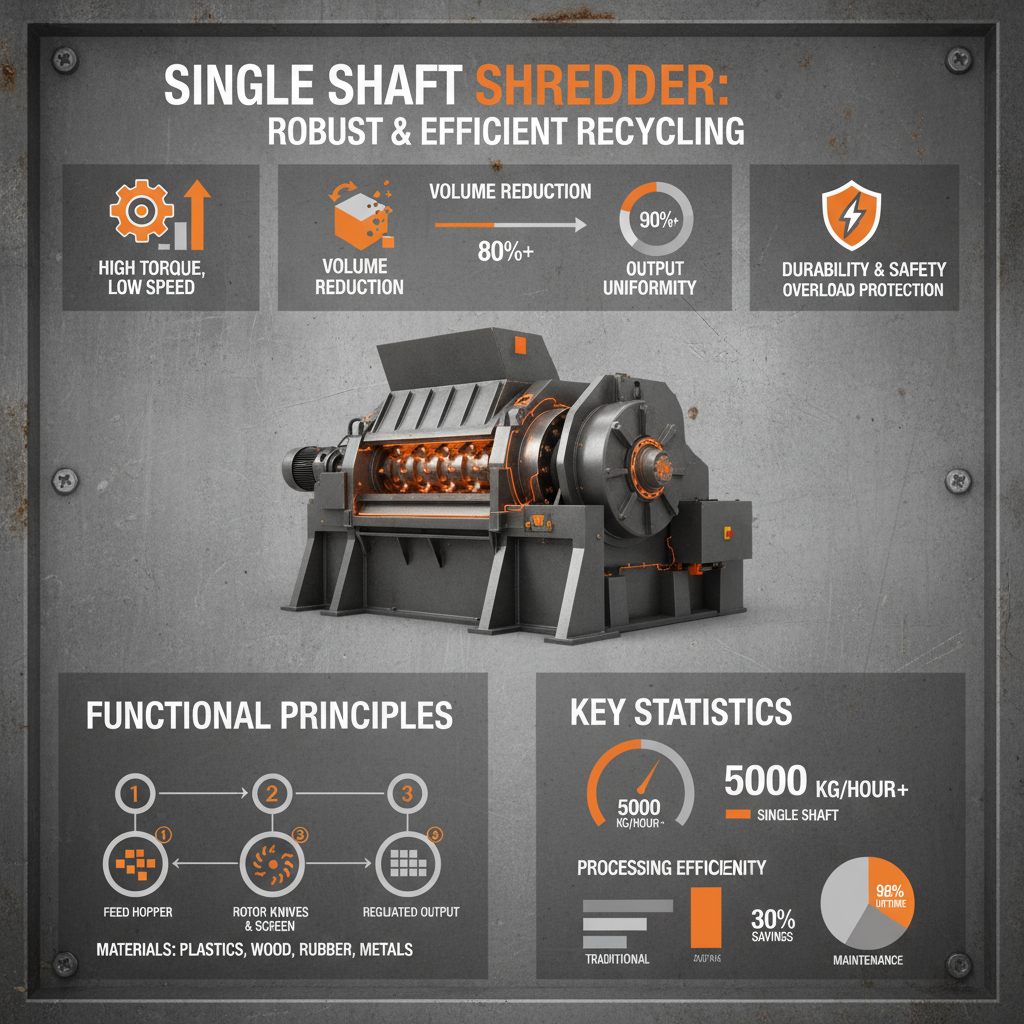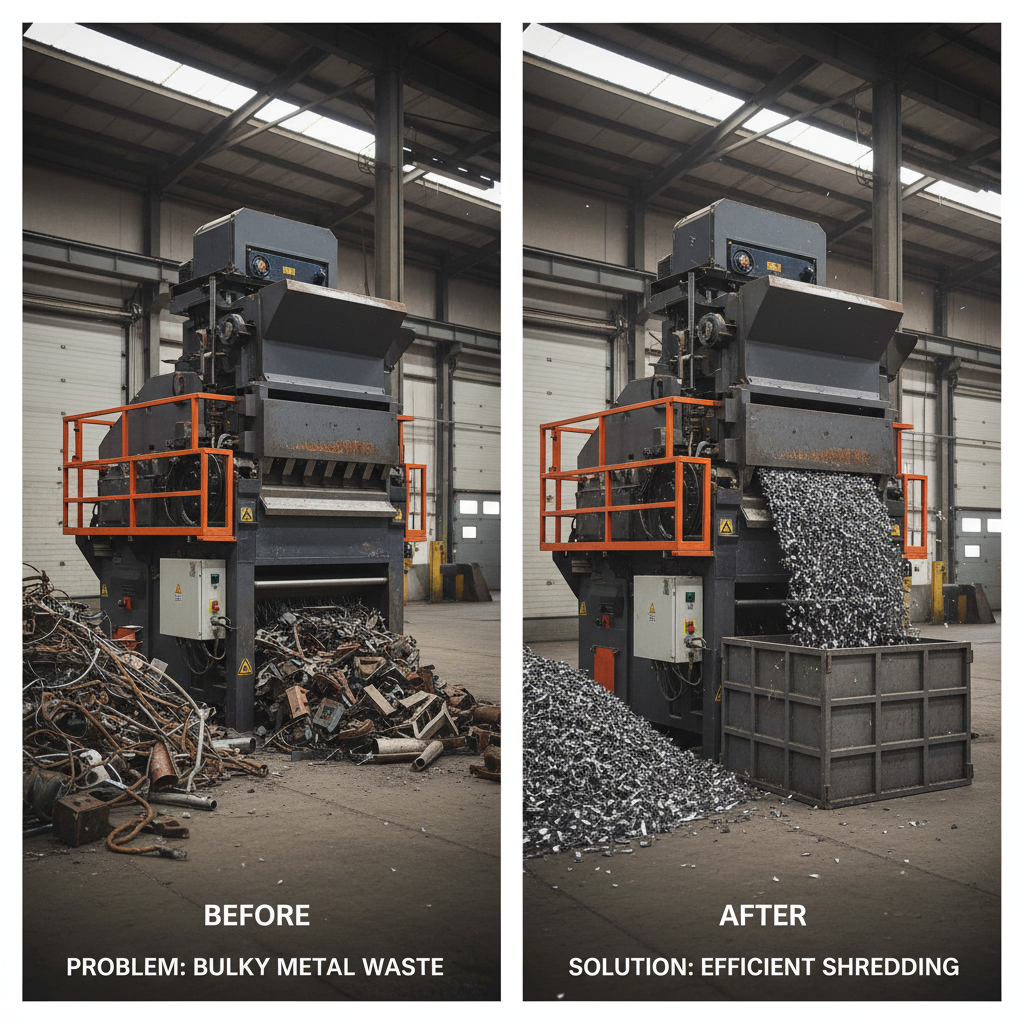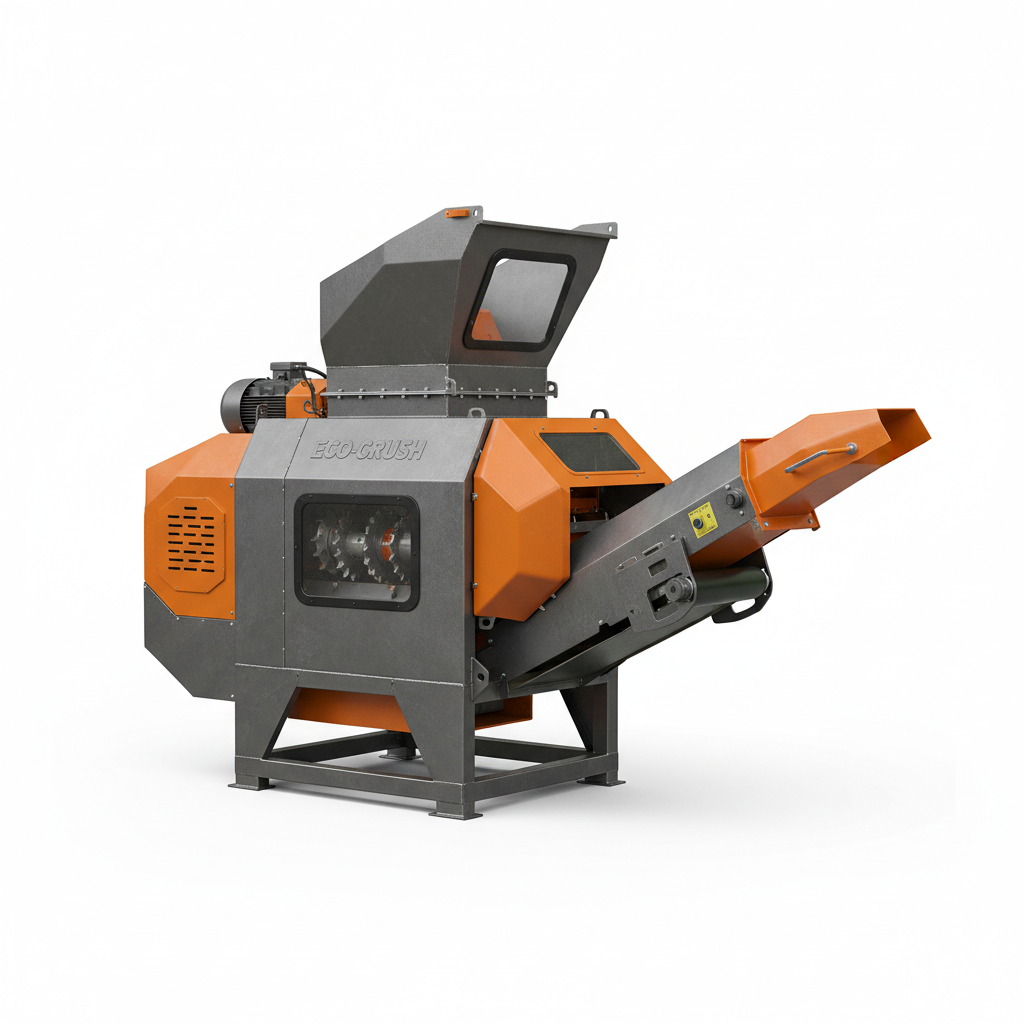
Industrial compost shredders are becoming increasingly vital in modern waste management and resource recovery systems. They represent a key technology for efficiently processing organic waste, transforming it into valuable compost. This isn't just an environmental concern; it’s an economic opportunity. Efficient composting reduces landfill volume, minimizes greenhouse gas emissions, and creates a nutrient-rich soil amendment that benefits agriculture and landscaping. Understanding the nuances of industrial compost shredder technology is crucial for businesses, municipalities, and environmental organizations seeking sustainable waste solutions.
The global focus on circular economy principles is driving demand for effective organic waste processing solutions. Regulations regarding landfill diversion are tightening across many regions, forcing organizations to explore alternatives like composting. According to the UN, roughly one-third of all food produced globally is lost or wasted, representing a significant resource loss and environmental burden. Industrial compost shredders provide a scalable and efficient method to address this problem, turning waste into a valuable resource and contributing to a more sustainable future.
The benefits extend beyond environmental responsibility. The use of high-quality compost improves soil health, reduces the need for synthetic fertilizers, and supports sustainable agricultural practices. Furthermore, advancements in industrial compost shredder design are leading to lower operating costs, increased throughput, and improved compost quality, making them an increasingly attractive investment for a wide range of industries.
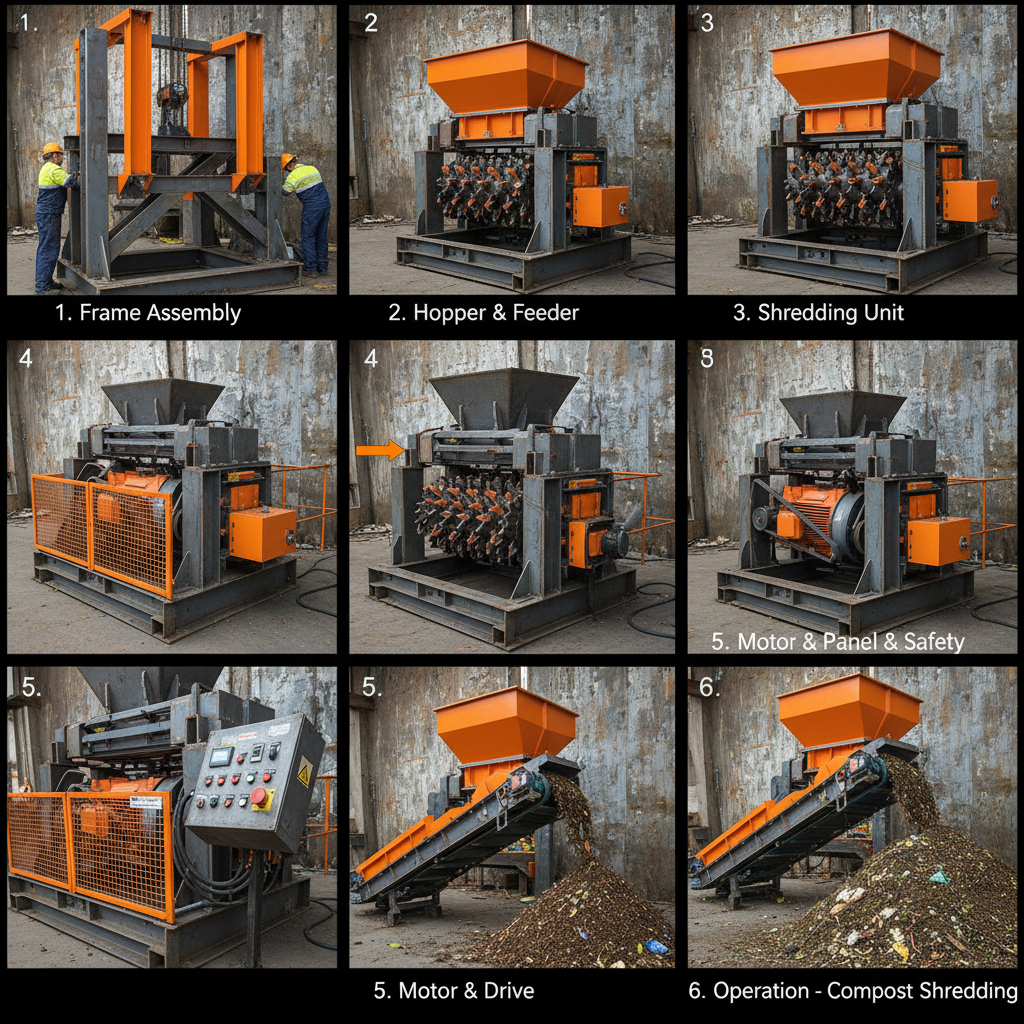
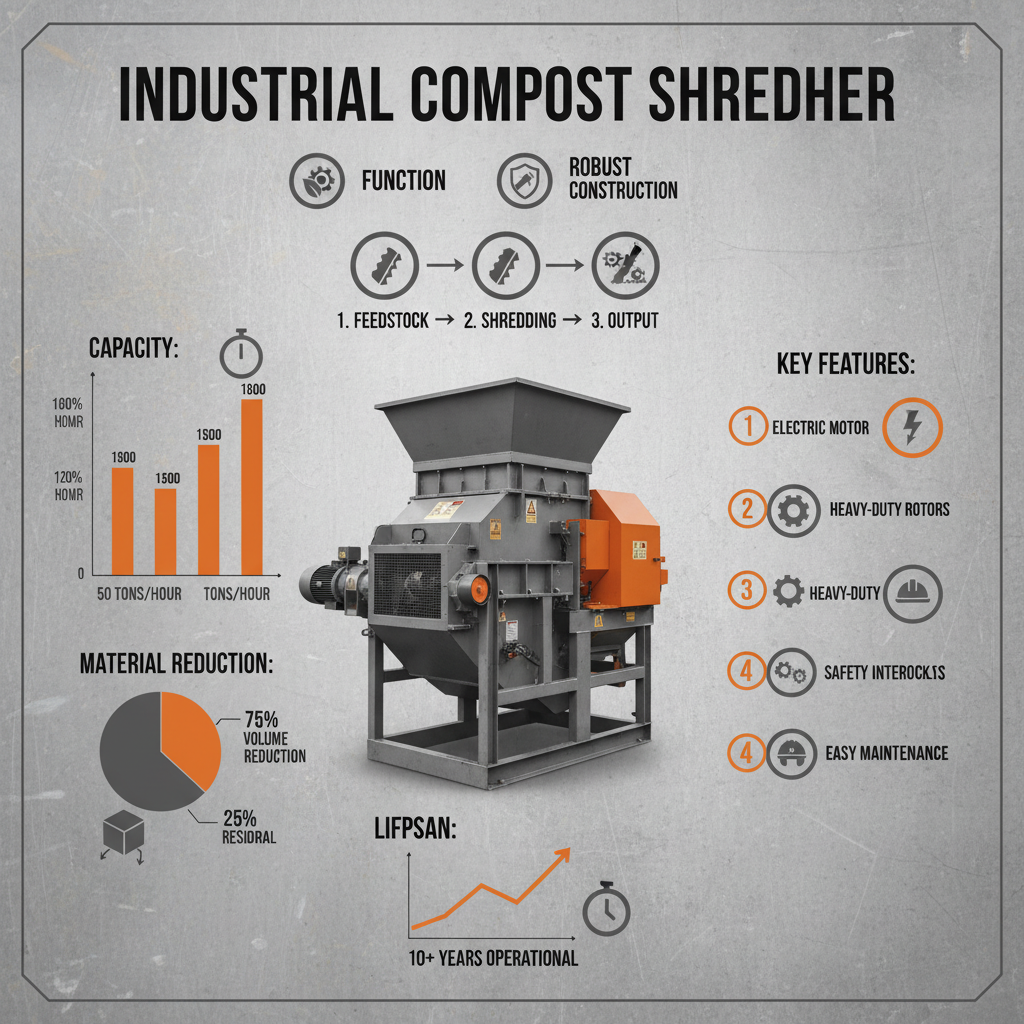
An industrial compost shredder is a robust piece of equipment designed to reduce the size of organic waste materials, such as yard trimmings, wood chips, food scraps, and agricultural residues. This size reduction is essential for accelerating the composting process, ensuring uniform decomposition, and creating a consistent end product. Choosing the right industrial compost shredder is crucial for optimizing composting efficiency and achieving desired compost quality.
These shredders are far more than just grinders; they are integral parts of a larger system focused on resource recovery and environmental stewardship. They enable the transformation of waste streams into valuable soil amendments, reducing landfill dependence and promoting sustainable agricultural practices. Their capacity and durability make them ideal for large-scale composting operations.
The lifespan of an industrial compost shredder varies depending on usage, maintenance, and the type of materials processed. However, with proper care and regular maintenance, a high-quality industrial compost shredder can typically last between 10 to 20 years. Choosing a machine built with durable materials and investing in preventative maintenance are key to maximizing its lifespan. The frequency of use and the abrasiveness of the processed materials also significantly impact longevity.
Maintenance frequency depends on the shredder’s usage and the type of material processed. Typically, daily inspections and lubrication are necessary. More extensive maintenance, such as blade sharpening or replacement, bearing checks, and conveyor belt adjustments, should be performed monthly or quarterly. Regular preventative maintenance is crucial to minimize downtime and extend the life of the equipment. Maintaining detailed records of all maintenance activities is also recommended.
Industrial compost shredders are designed to handle a wide range of organic materials, including yard waste (leaves, branches, grass clippings), wood chips, food scraps, agricultural residues (straw, corn stalks), and even some types of paper and cardboard. However, it's essential to check the shredder's specifications to ensure it can handle the specific materials you intend to process. Avoid introducing materials that are not biodegradable or contain contaminants, as they can damage the machine.
Safety is paramount when operating an industrial compost shredder. Always wear appropriate personal protective equipment (PPE), including safety glasses, gloves, and hearing protection. Ensure the machine is properly grounded and that all safety guards are in place. Never reach into the shredding chamber while the machine is running. Thorough operator training is essential to ensure safe and efficient operation. Regularly inspect the machine for any safety hazards before use.
The cost of an industrial compost shredder varies significantly depending on its size, capacity, features, and manufacturer. Smaller, portable shredders can cost between $10,000 and $30,000, while larger, high-capacity shredders can cost upwards of $100,000 or more. It's important to consider not only the initial purchase price but also the ongoing maintenance and operating costs when making a decision. Consider financing options and potential grants or incentives to offset the cost.
Determining the right size shredder depends on the volume of organic waste you need to process and the desired compost particle size. Assess your daily or weekly waste input. Consider the types of materials you'll be processing and their density. Consult with a shredder manufacturer or supplier to discuss your specific requirements and receive tailored recommendations. Overestimating capacity is preferable to underestimating, as it avoids bottlenecks and ensures efficient operation.
Industrial compost shredders are indispensable tools for sustainable waste management and resource recovery. Their ability to efficiently process organic waste, reduce landfill dependence, and create valuable compost makes them essential for municipalities, agricultural operations, and environmental organizations. Investing in a robust and reliable shredder offers long-term cost savings, environmental benefits, and a commitment to a circular economy.
As technology continues to evolve, we can expect to see even more innovative and efficient industrial compost shredders emerge, further optimizing the composting process and contributing to a more sustainable future. Exploring the latest advancements, embracing automation, and prioritizing preventative maintenance will be key to maximizing the value of these essential machines. Visit our website at www.owrecycling.com to learn more about our range of industrial compost shredders and how we can help you meet your waste management goals.