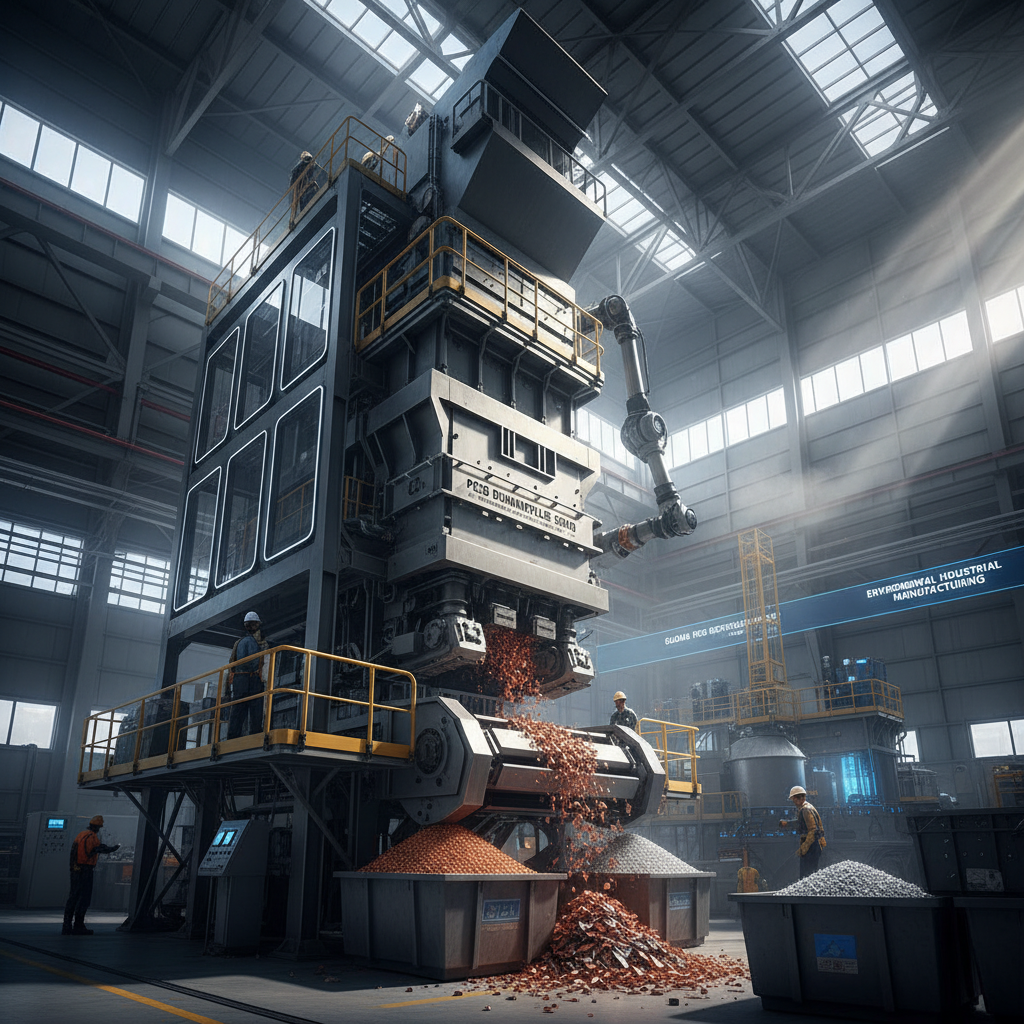
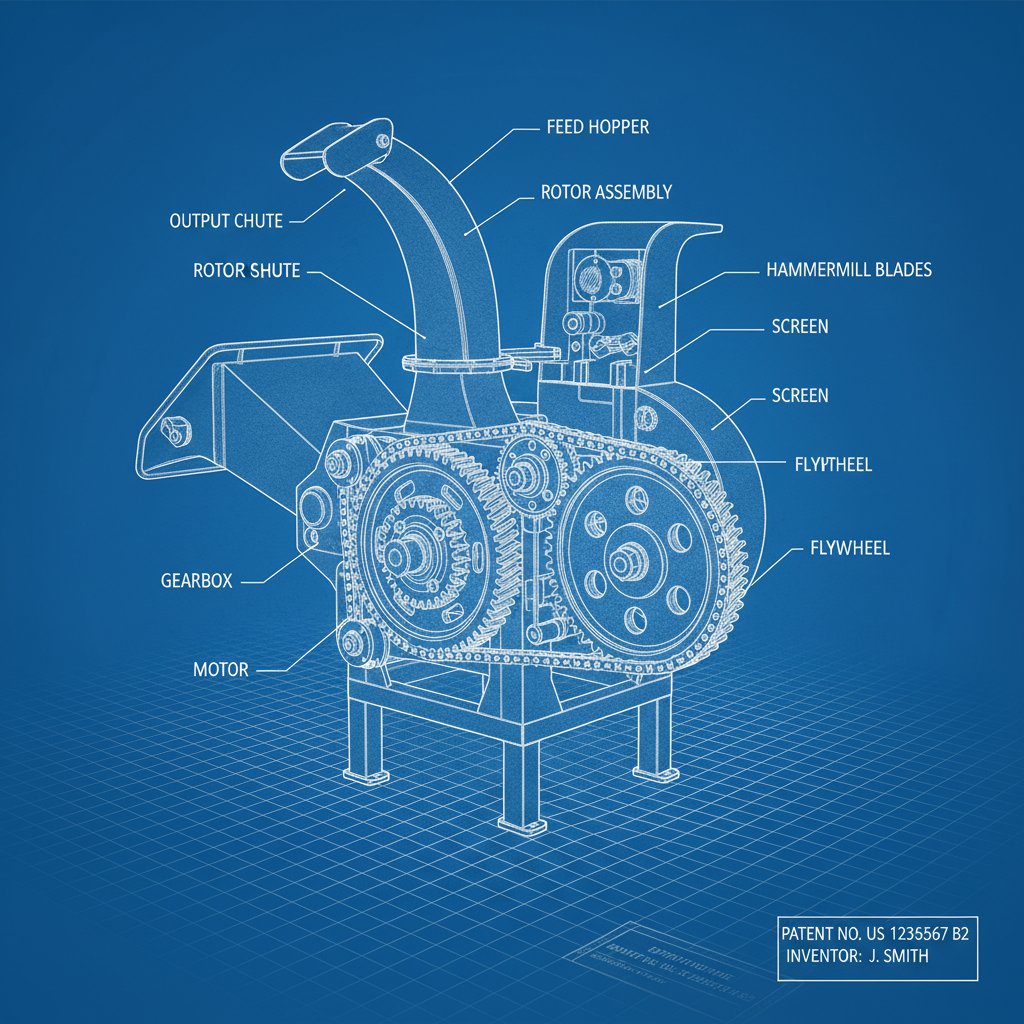
Industrial waste shredders are rapidly becoming indispensable tools in modern waste management. The sheer volume of industrial waste generated globally presents a significant environmental challenge, and effective shredding solutions are crucial for reducing landfill burden, facilitating recycling, and recovering valuable materials. From plastics and metals to wood and rubber, these machines enable the processing of diverse waste streams into manageable forms for further treatment or repurposing, offering a pathway toward a more circular economy and sustainable industrial practices.
The growing need for efficient and environmentally responsible waste disposal has fueled innovation in industrial waste shredder technology. Businesses are increasingly focused on minimizing their environmental impact, and governments are enacting stricter regulations regarding waste handling. This convergence of factors drives the demand for robust, reliable, and versatile shredding solutions capable of handling large volumes of waste while meeting stringent safety and environmental standards. industrial waste shredder technologies are therefore pivotal in navigating these complexities.
Understanding the principles and applications of industrial waste shredders is vital for professionals across diverse sectors, including manufacturing, recycling, construction, and waste management. Proper selection, operation, and maintenance of these machines can significantly enhance efficiency, reduce costs, and minimize environmental liabilities. Investing in knowledge about these technologies is an investment in a sustainable future.
Introduction to Industrial Waste Shredders
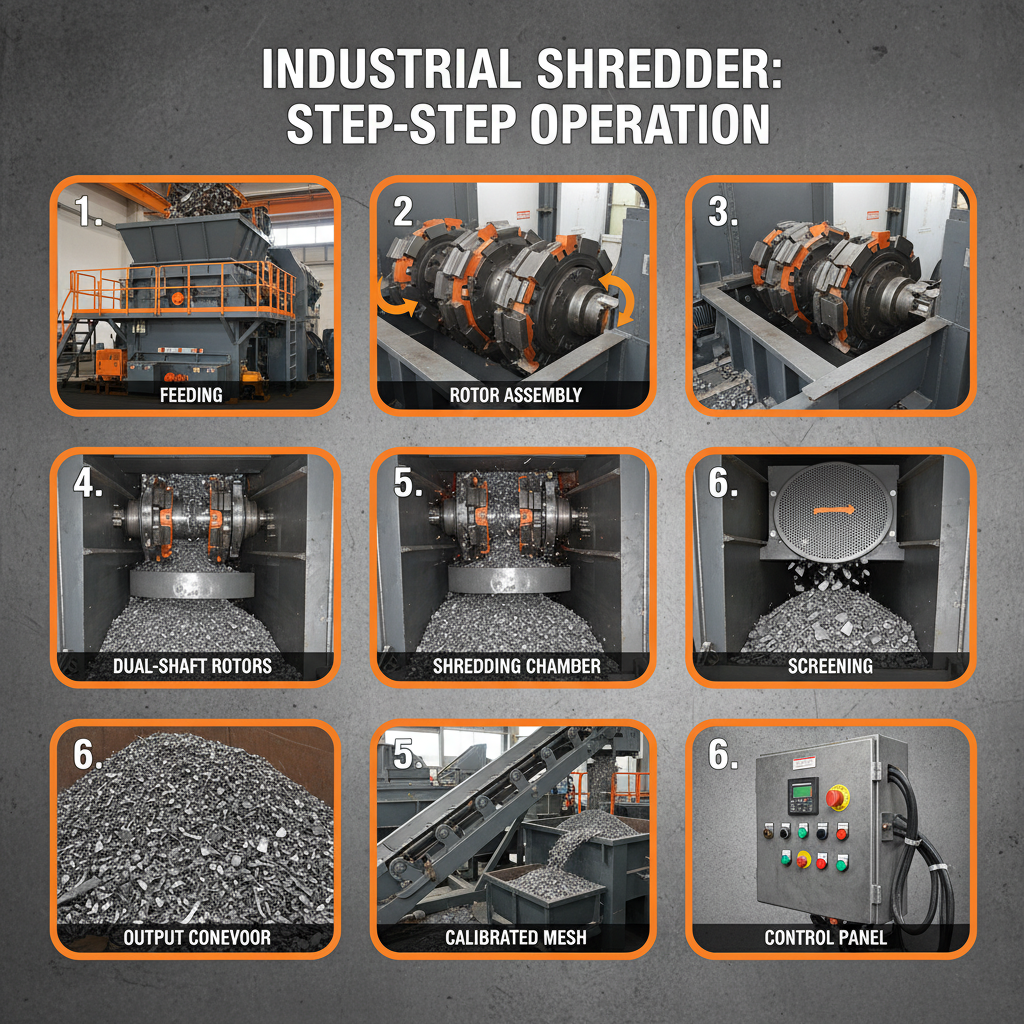
Industrial waste shredders are powerful machines designed to reduce the volume of various industrial waste materials. They transform bulky, often unwieldy waste into smaller, more manageable pieces, streamlining handling, transportation, and subsequent processing. This initial size reduction is a critical step in preparing waste for recycling, energy recovery, or safe disposal. industrial waste shredder plays a vital role in the material lifecycle.
These machines are not simply about size reduction; they’re about enabling a circular economy. By efficiently processing materials like plastics, metals, and wood, shredders unlock the potential for these resources to be reintroduced into manufacturing processes, reducing the reliance on virgin materials and minimizing environmental impact. The correct selection of an industrial waste shredder depends heavily on the material being processed.
Defining Industrial Waste Shredders
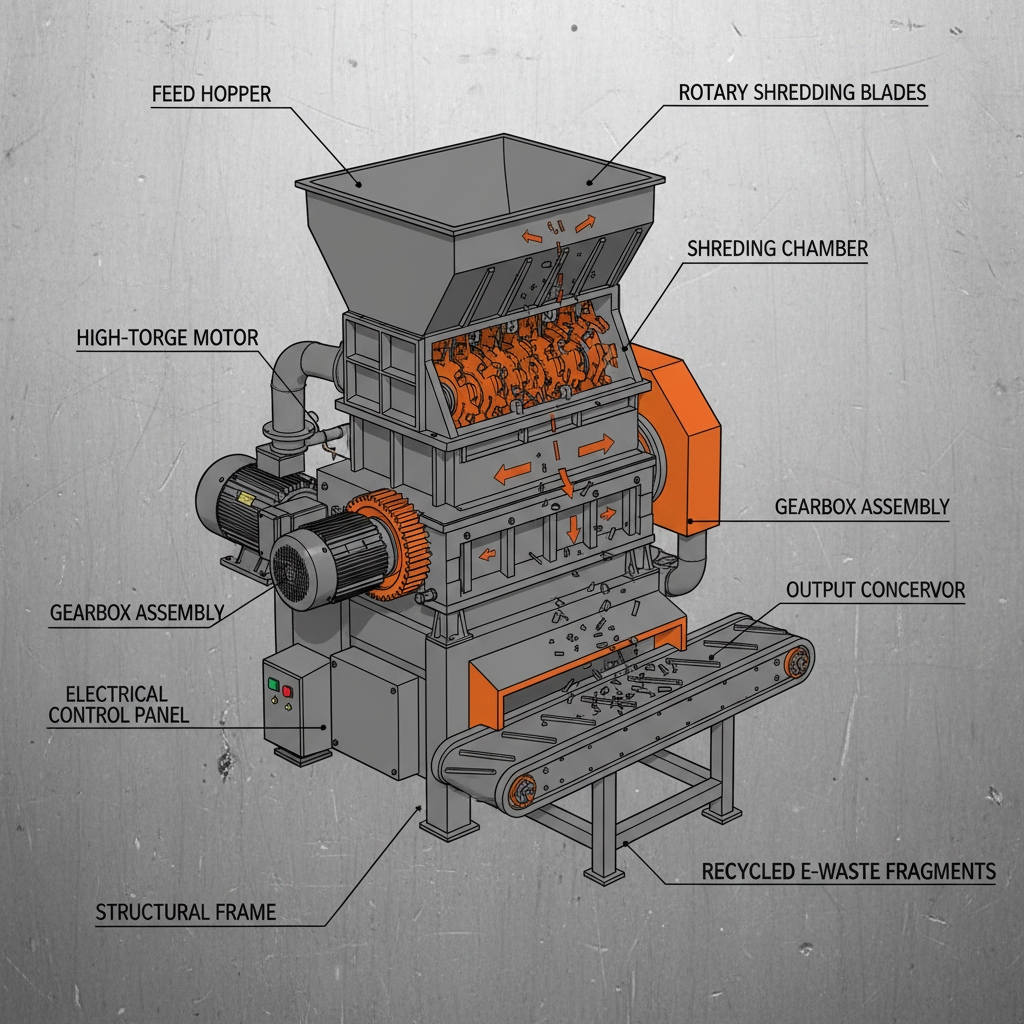
An industrial waste shredder is a machine engineered to dismantle and reduce the size of industrial waste materials through cutting, crushing, or shearing actions. Unlike household shredders, industrial models are built to handle substantially larger volumes and tougher materials, often including metals, plastics, wood, textiles, and electronic waste. The core function is to prepare waste for further processing, such as recycling, incineration with energy recovery, or efficient landfill disposal.
The connection to modern industry is direct. As manufacturing processes become more complex and generate increasing amounts of waste, efficient shredding solutions are critical for maintaining operational efficiency and complying with environmental regulations. Industries like automotive, construction, packaging, and electronics all rely on industrial waste shredders to manage their waste streams effectively.
The relevance extends to humanitarian needs as well. In disaster relief scenarios, these machines can quickly process debris to clear access routes and reclaim usable materials, aiding in the recovery process. The ability to rapidly reduce the volume of waste is particularly valuable in emergency situations.
Core Components and Factors
Several key factors define the performance and suitability of an industrial waste shredder. Durability is paramount, as these machines operate in demanding environments and process abrasive materials. High-quality steel alloys and robust construction are essential for longevity and minimizing downtime. industrial waste shredder durability often translates directly into return on investment.
Scalability is another critical consideration. Industrial waste generation varies significantly across industries and facilities. The ability to select a shredder with the appropriate capacity to handle current and future waste volumes is vital. Modular designs and adaptable configurations allow for easy expansion or modification as needs evolve.
Cost Efficiency extends beyond the initial purchase price. Factors like energy consumption, maintenance requirements, and spare parts availability all contribute to the total cost of ownership. Choosing a shredder with a low energy footprint and easy-to-maintain components can significantly reduce operational expenses. Safety Features are critical to protecting operators and preventing accidents. Emergency stop systems, overload protection, and proper guarding are all essential elements. Finally, Material Compatibility is paramount; different shredders are designed for specific materials, so selecting a machine capable of handling the intended waste stream is crucial.
Global Applications and Use Cases
Industrial waste shredders find application across a wide spectrum of industries globally. In the automotive sector, they process end-of-life vehicles, recovering valuable materials like steel, aluminum, and plastics. The construction industry utilizes them to manage demolition waste, reducing landfill costs and reclaiming resources like concrete and wood.
Recycling facilities extensively employ shredders to process various materials, including plastics, paper, and cardboard, preparing them for reprocessing. The electronics industry relies on specialized shredders to dismantle electronic waste (e-waste) safely and efficiently, recovering precious metals and minimizing environmental hazards. In remote industrial zones, where waste management infrastructure is limited, mobile shredders provide on-site processing solutions.
In post-disaster relief operations, industrial waste shredders can quickly clear debris from affected areas, facilitating rescue efforts and restoring infrastructure. The European Union is driving adoption through extended producer responsibility schemes, while North America focuses on landfill diversion and resource recovery. The Asia-Pacific region, with its rapid industrial growth, represents a significant and expanding market for industrial waste shredders.
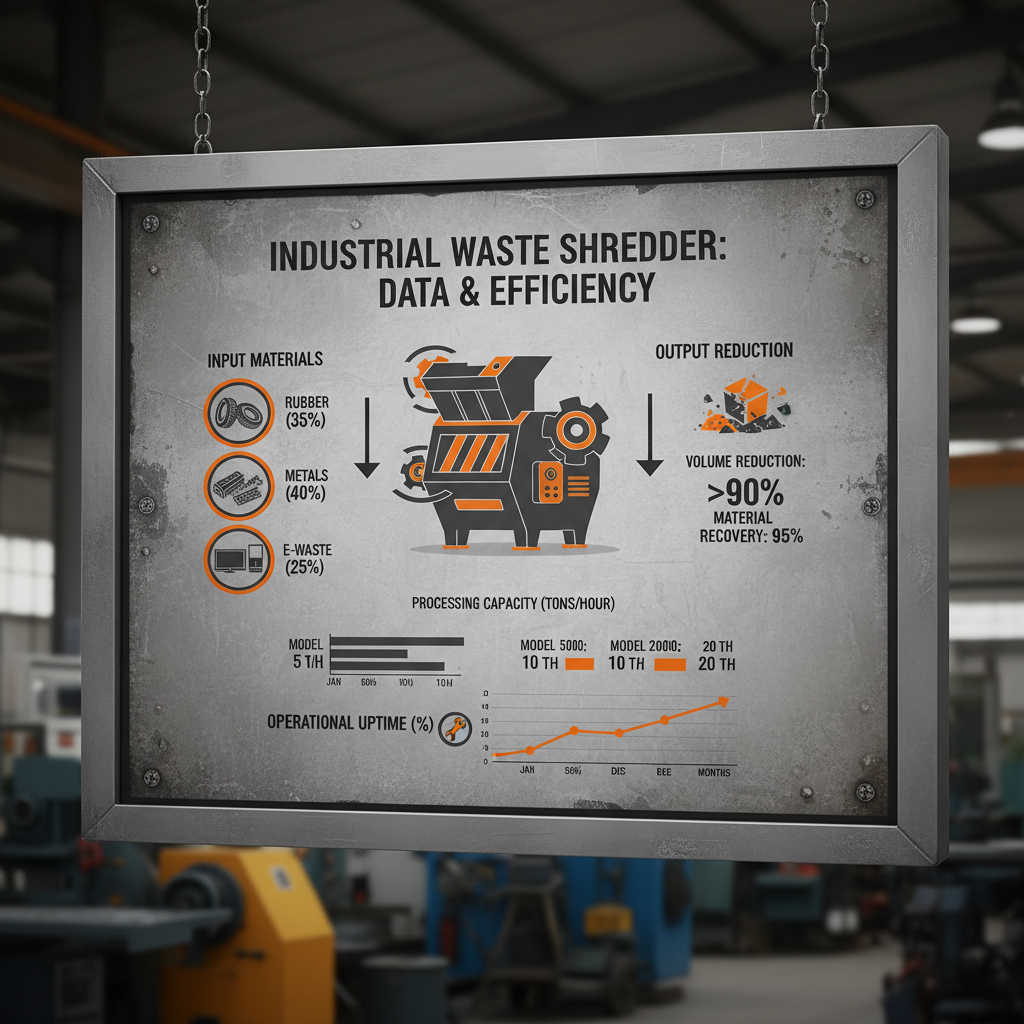
Industrial Waste Shredder Efficiency Comparison
Advantages and Long-Term Value
The advantages of implementing industrial waste shredders are multifaceted. Tangible benefits include significant cost savings through reduced waste disposal fees and increased revenue from recovered materials. Sustainability is enhanced by minimizing landfill waste and promoting resource recovery, aligning with corporate social responsibility goals. Reliability is a core benefit; a well-maintained shredder ensures consistent performance and minimizes disruptions to operations.
Beyond the practical, there's a compelling emotional and logical value proposition. Investing in responsible waste management demonstrates a commitment to environmental stewardship, building trust with customers and stakeholders. Innovation in shredding technology drives efficiency and allows businesses to stay ahead of evolving regulations. A focus on safety builds a positive work environment and reduces the risk of accidents. industrial waste shredder technologies are critical to long-term success.
Future Trends and Innovations
The future of industrial waste shredding is poised for significant advancements. Integration with digital technologies, such as AI-powered sorting systems, will enhance material separation and increase the purity of recovered resources. Automation will streamline operations, reducing labor costs and improving efficiency. Developments in sensor technology will enable real-time monitoring of shredder performance and predictive maintenance.
A growing emphasis on green energy solutions is driving the development of shredders powered by renewable sources, further reducing their environmental footprint. Material science advancements are leading to the creation of more durable and efficient shredder components. Policy initiatives promoting circular economy principles will continue to incentivize the adoption of advanced waste shredding technologies.
Challenges and Solutions
Despite the numerous benefits, challenges remain in the implementation of industrial waste shredding systems. One common limitation is the difficulty in processing highly contaminated or mixed waste streams. Solutions include pre-sorting technologies, specialized shredder designs capable of handling diverse materials, and advanced cleaning processes.
Another challenge is the potential for noise and dust generation. Enclosed shredder systems with soundproofing and dust collection features can mitigate these issues. Proper maintenance and regular inspections are crucial for preventing breakdowns and ensuring optimal performance. Investing in operator training ensures safe and efficient operation of the equipment.
A lack of standardized regulations regarding shredded waste materials can hinder market development. Collaboration between industry stakeholders and policymakers is essential for establishing clear guidelines and promoting the responsible use of shredded materials.
Summary of Industrial Waste Shredder Key Performance Indicators
| Shredder Type |
Material Throughput (tons/hour) |
Energy Consumption (kWh/ton) |
Maintenance Index (1-10, 10=High) |
| Single-shaft Shredder |
5-20 |
8-15 |
7 |
| Dual-shaft Shredder |
3-15 |
6-12 |
6 |
| Granulator |
1-5 |
4-8 |
8 |
| Hammer Mill |
4-10 |
7-14 |
5 |
| Rotary Shredder |
10-30 |
9-18 |
9 |
| Shredding Claw |
2-8 |
5-10 |
4 |
FAQS
Industrial waste shredders are incredibly versatile, capable of handling a diverse range of materials including plastics (rigid and films), metals (ferrous and non-ferrous), wood, paper, cardboard, textiles, rubber, and electronic waste (e-waste). The specific shredder design and rotor configuration will dictate its optimal material compatibility. Pre-sorting can sometimes be required for mixed waste streams, but many shredders are designed to handle some level of contamination. Choosing a model specifically tailored to your primary waste stream ensures peak performance and longevity.
Safety is paramount in industrial shredder design. Common features include emergency stop buttons strategically located around the machine, overload protection systems to prevent damage and hazards, robust guarding to prevent access to moving parts, and automatic shut-off mechanisms in case of jams or malfunctions. Many machines also incorporate light curtains or safety scanners that immediately halt operation if a person enters a restricted zone. Regular safety inspections and operator training are also crucial components of a comprehensive safety program.
Maintenance schedules vary depending on the shredder type, usage intensity, and materials processed. However, a typical schedule includes daily visual inspections for wear and tear, weekly lubrication of moving parts, monthly tightening of bolts and fasteners, and periodic blade or rotor replacement. Regular maintenance prevents breakdowns, extends the machine's lifespan, and ensures optimal performance. Keeping detailed maintenance logs is highly recommended for tracking repairs and anticipating potential issues.
The cost of an industrial waste shredder varies dramatically based on its size, capacity, features, and brand. Smaller, portable shredders can range from $10,000 to $50,000, while larger, industrial-grade models can easily exceed $200,000 or even $500,000. Factors influencing price include the type of rotor, the power requirements, the level of automation, and any custom features. It's important to consider the total cost of ownership, including maintenance, energy consumption, and spare parts.
Industrial waste shredders have a net positive environmental impact when implemented correctly. By reducing waste volume, they decrease landfill space requirements and minimize greenhouse gas emissions associated with waste transportation and decomposition. Shredding facilitates the recovery of valuable materials for recycling, conserving natural resources and reducing the need for virgin materials. However, it's important to address potential noise and dust pollution through proper equipment design and environmental controls.
Handling hazardous materials requires specialized shredders designed with enhanced safety features and containment systems. These shredders often incorporate sealed housings, explosion-proof motors, and specialized filtration systems to prevent the release of harmful substances. Proper training and adherence to strict safety protocols are essential when processing hazardous waste. It's crucial to comply with all applicable environmental regulations and obtain the necessary permits.
Conclusion
In conclusion, industrial waste shredders are indispensable tools for modern waste management, offering a compelling combination of economic, environmental, and social benefits. By reducing waste volume, facilitating resource recovery, and promoting sustainable practices, these machines play a critical role in building a more circular economy. Investing in the right shredder technology is an investment in a cleaner, more resource-efficient future.
Looking ahead, continued innovation in shredding technology, coupled with supportive policies and increased awareness, will drive wider adoption and further enhance the positive impact of these machines. Businesses and organizations should prioritize comprehensive waste management strategies that include effective shredding solutions to minimize their environmental footprint and maximize resource utilization. Visit our website at www.owrecycling.com to learn more about our industrial waste shredder solutions.