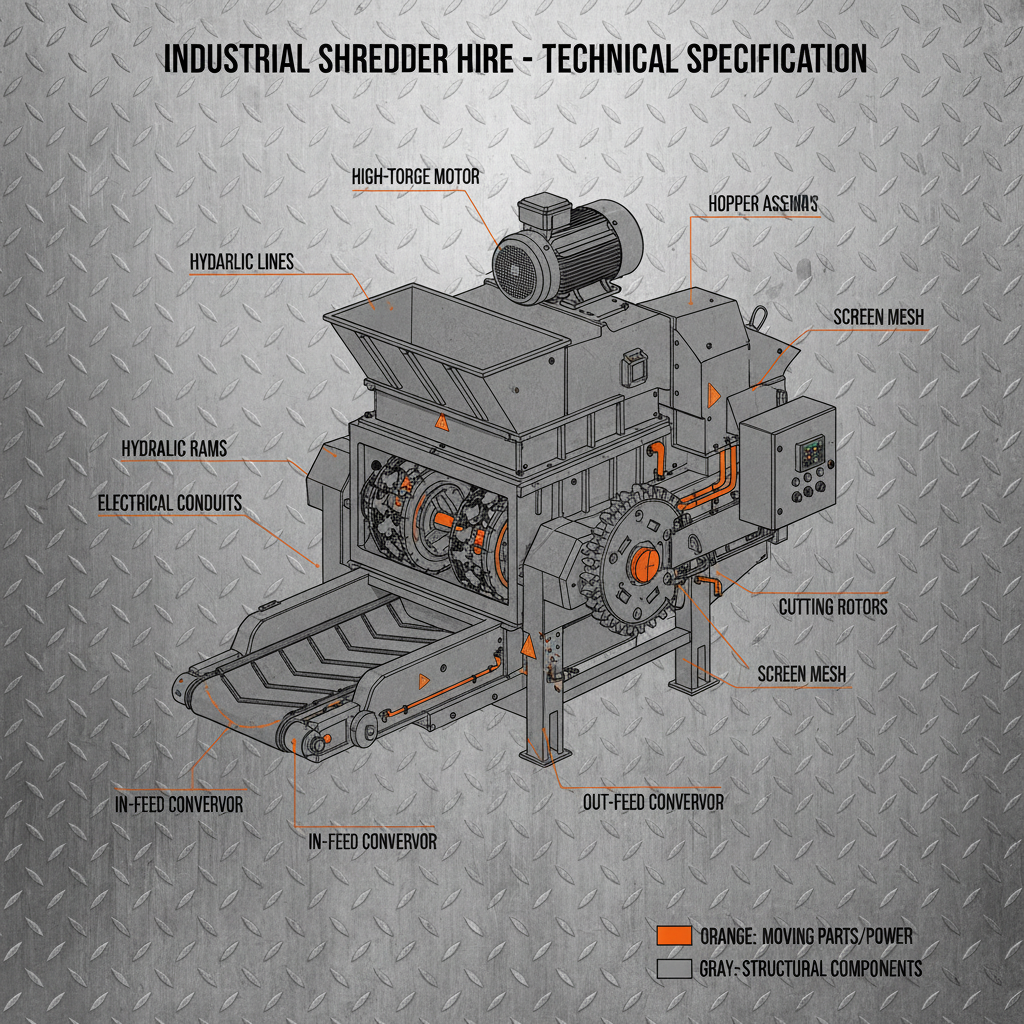
The world generates vast amounts of waste, from industrial byproducts to end-of-life materials. Efficiently managing this waste stream is crucial for environmental sustainability and resource recovery. A key technology in this process is the single shaft shredder, a robust machine designed to reduce the volume of bulky materials, preparing them for recycling, safe disposal, or further processing. Understanding its capabilities is paramount for businesses and organizations seeking effective waste management solutions.
The demand for effective waste reduction and material recovery solutions is escalating globally, driven by stricter environmental regulations, growing landfill capacity concerns, and a heightened awareness of resource scarcity. The single shaft shredder addresses this challenge by providing a powerful and versatile method for processing diverse waste streams. Its ability to handle tough, bulky items makes it indispensable in numerous industries.
From municipal solid waste (MSW) facilities to specialized recycling plants, the single shaft shredder plays a vital role in transforming waste into valuable resources. Innovations in shredder design, such as advanced rotor technology and intelligent control systems, are further enhancing its efficiency and effectiveness, ensuring it remains a cornerstone of modern waste management strategies.
The Core Functionality of Single Shaft Shredders
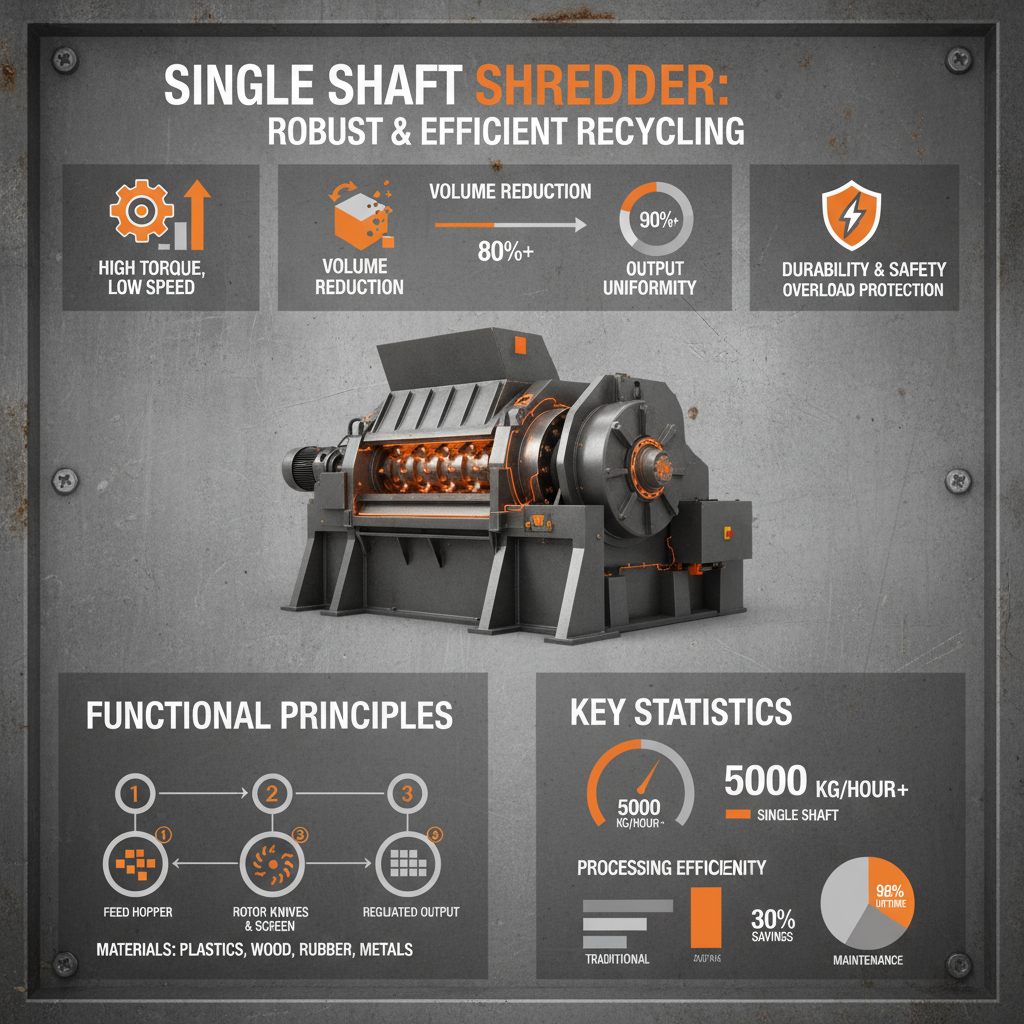
At its core, a single shaft shredder employs a single rotating shaft equipped with cutting knives to reduce the size of materials. This differs from other shredder types, like dual-shaft or four-shaft models, in its operational method and the types of materials it handles most effectively. The single shaft design excels at processing long, stringy, and bulky materials that can wrap or clog other shredder configurations.
The efficiency of a single shaft shredder hinges on factors like knife material, rotor speed, and screen size. Properly selected and maintained knives are crucial for achieving optimal shred size and throughput. The screen size determines the final output particle size, allowing for tailored material preparation for subsequent processing stages.
The Global Significance of Single Shaft Shredder Technology
The global waste management market is experiencing substantial growth, fueled by increasing populations, rapid industrialization, and growing environmental concerns. The single shaft shredder is central to addressing these challenges by providing a scalable and efficient solution for reducing waste volume and recovering valuable resources. According to the World Bank, global waste generation is projected to increase by 70% by 2050 unless significant changes are made.
Developing nations often lack the infrastructure for comprehensive waste management, leading to environmental pollution and public health risks. The deployment of single shaft shredders in these regions can facilitate the establishment of sustainable recycling programs and reduce the burden on landfills. International organizations and NGOs are increasingly recognizing the importance of investing in such technologies.
Furthermore, the circular economy model, which emphasizes resource reuse and minimizing waste, relies heavily on effective shredding technologies. The single shaft shredder enables the processing of diverse materials, paving the way for the creation of closed-loop systems where waste becomes a valuable input for new products.
Defining the Single Shaft Shredder: A Comprehensive Overview
A single shaft shredder is a type of industrial machine specifically designed for the size reduction of a wide variety of materials. It functions by feeding material into a rotating shaft that has blades (knives) mounted on it. As the material comes into contact with the rotating blades, it's repeatedly cut and sheared until it reaches a desired size.
These machines are particularly adept at handling materials that are difficult for other types of shredders to process, such as long strands of plastic film, textiles, wood, tires, and bulky waste items. They’re critical components in recycling facilities, waste-to-energy plants, and various manufacturing processes where material pre-processing is necessary.
The versatility of the single shaft shredder stems from its adjustable cutting chamber and interchangeable screens, which allow operators to customize the output particle size to meet specific downstream processing requirements. This adaptability makes it a valuable asset across a broad spectrum of industries.
Key Characteristics of Robust Single Shaft Shredders
Robustness and reliability are paramount characteristics of high-quality single shaft shredders. These machines are built to withstand continuous operation in demanding environments, processing abrasive and challenging materials. Heavy-duty construction, utilizing high-strength steel alloys, is essential for minimizing downtime and maximizing lifespan.
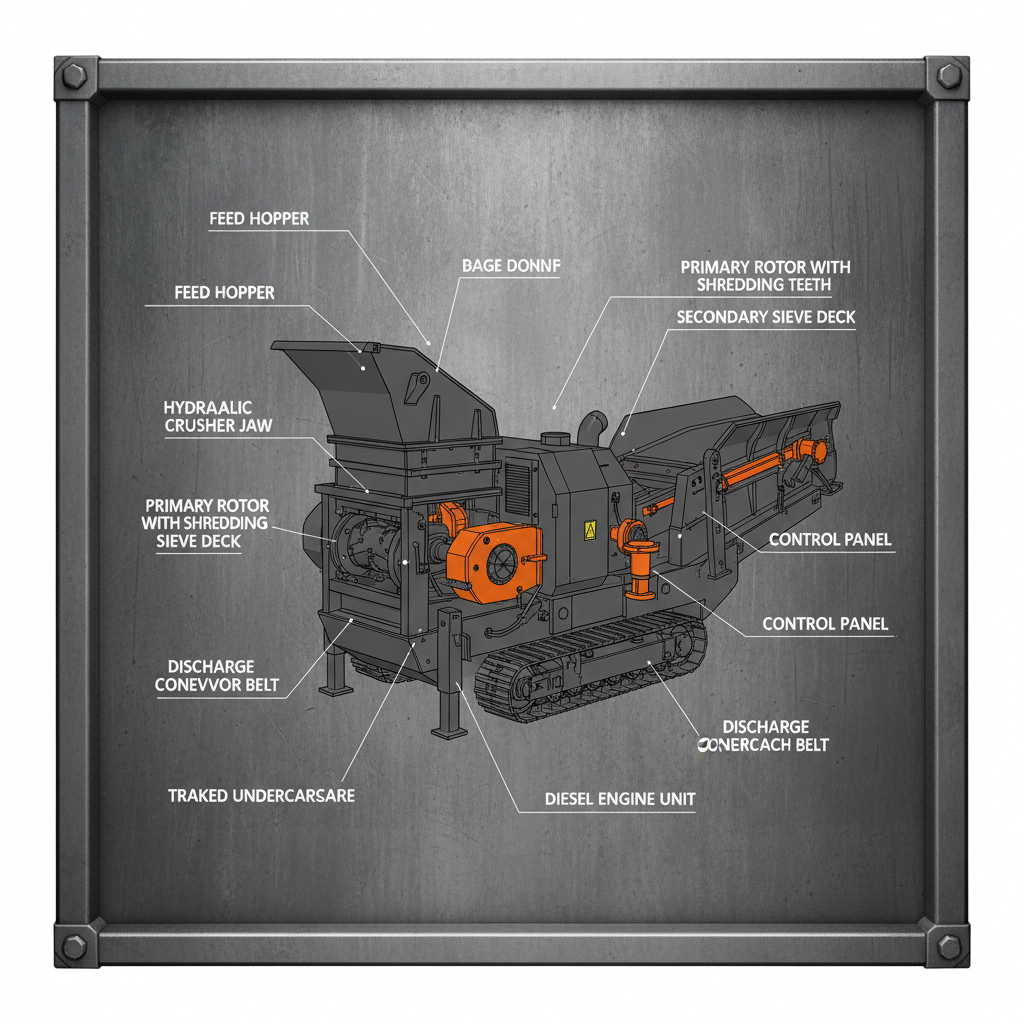
Advanced hydraulic systems contribute to the operational efficiency and safety of these shredders. Hydraulic rams provide controlled material feeding, automatic reversal in case of jams, and easy access for maintenance. Intelligent control systems further enhance performance by monitoring key parameters and optimizing shredding processes.
Single Shaft Shredder Performance Metrics
Diverse Applications of Single Shaft Shredders Worldwide
Single shaft shredders find application across a remarkably diverse range of industries. In the wood and biomass industry, they efficiently process wood pallets, construction lumber, and forestry waste for biofuel production or particleboard manufacturing. The plastics recycling sector relies on these shredders to reduce plastic film, bottles, and containers into a manageable form for further processing.
Municipal Solid Waste (MSW) facilities utilize single shaft shredders as a critical component of their processing lines, reducing the volume of mixed waste and recovering recyclable materials. Similarly, tire recycling plants employ them to shred scrap tires into crumb rubber, a versatile material used in road construction, playgrounds, and other applications.
The Long-Term Advantages of Investing in a Single Shaft Shredder
Investing in a single shaft shredder yields substantial long-term benefits beyond immediate waste reduction. Cost savings are achieved through reduced landfill fees, decreased transportation costs, and the potential to generate revenue from recovered materials. The environmental benefits are equally significant, contributing to a reduced carbon footprint and a more sustainable resource management approach.
Furthermore, a reliable single shaft shredder enhances operational safety by minimizing manual handling of waste materials and reducing the risk of workplace accidents. It also bolsters a company's reputation for environmental responsibility, attracting environmentally conscious customers and stakeholders.
Future Trends and Emerging Innovations in Single Shaft Shredder Technology
The future of single shaft shredder technology is focused on increased automation, improved energy efficiency, and the ability to process an even wider range of materials. The integration of Artificial Intelligence (AI) and machine learning algorithms promises to optimize shredding processes, predict maintenance needs, and enhance overall performance.
Advances in knife materials and designs are also driving innovation, resulting in longer-lasting blades and improved shredding capabilities. The incorporation of remote monitoring and diagnostics systems enables real-time performance tracking and proactive maintenance, minimizing downtime and maximizing uptime.
Finally, the development of shredders powered by renewable energy sources aligns with the growing trend towards sustainable manufacturing and a circular economy. These advancements will further solidify the single shaft shredder’s position as a vital component of modern waste management and resource recovery systems.
Summary of Single Shaft Shredder Technological Advancements
| Advancement Category |
Description |
Impact on Single Shaft Shredder Performance |
Implementation Cost (1-10) |
| AI-Powered Control Systems |
Utilizing AI algorithms for optimized shredding parameters. |
Enhanced efficiency, reduced energy consumption, improved material separation. |
7 |
| Advanced Knife Materials |
Employing high-strength, wear-resistant alloys for extended blade life. |
Reduced maintenance, lower operating costs, consistent shred size. |
6 |
| Remote Monitoring & Diagnostics |
Real-time performance tracking and predictive maintenance capabilities. |
Minimized downtime, proactive repairs, optimized operational efficiency. |
5 |
| Renewable Energy Integration |
Powering shredders with solar, wind, or other renewable sources. |
Reduced carbon footprint, lower energy costs, enhanced sustainability. |
8 |
| Automated Feeding Systems |
Utilizing robotic arms or conveyor belts for precise material feeding. |
Increased throughput, reduced labor costs, improved safety. |
9 |
| Improved Safety Mechanisms |
Enhanced emergency stop systems and safety guarding. |
Reduced risk of accidents, enhanced worker safety, compliance with regulations. |
4 |
FAQS
A single shaft shredder is incredibly versatile and can handle a wide range of materials, including wood, plastic, tires, metal, paper, and municipal solid waste. Its design is particularly effective on bulky, long-strand, and mixed materials that can pose challenges for other shredder types. The specific materials it can process effectively also depend on the knife configuration and screen size used.
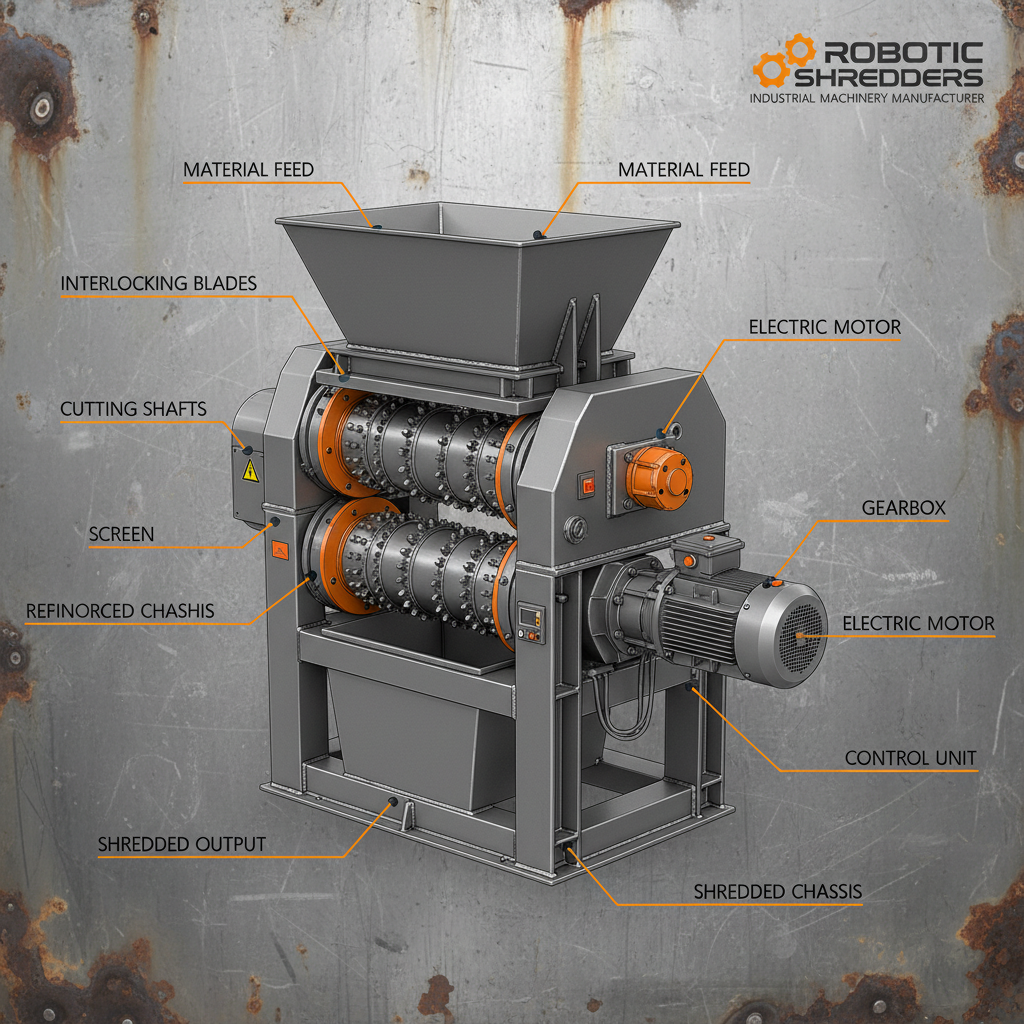
The key difference lies in their shredding mechanism. A single shaft shredder utilizes one rotating shaft with knives against a stationary anvil, while a dual-shaft shredder uses two counter-rotating shafts with interlocking teeth. Single shaft shredders excel at pre-shredding bulky items, while dual-shaft shredders are better suited for homogenous materials and achieving a more consistent particle size.
The lifespan of shredder knives varies significantly depending on the materials being processed, the frequency of use, and the quality of the knives themselves. Generally, high-quality knives can last for several hundred hours of operation before requiring sharpening or replacement. Regular inspection and maintenance are crucial for maximizing knife lifespan.
Essential safety features include emergency stop buttons, safety guards around moving parts, automatic reversal mechanisms to prevent jamming, and lockout/tagout procedures for maintenance. Proper training for operators is also paramount to ensure safe operation and prevent accidents.
Regular maintenance includes inspecting and sharpening or replacing knives, lubricating moving parts, checking hydraulic systems for leaks, and cleaning the shredding chamber. Following the manufacturer’s recommended maintenance schedule is critical for ensuring reliable operation and extending the shredder’s lifespan.
Selecting the appropriate size depends on several factors, including the volume of material to be processed, the type of material, and the desired output particle size. It's crucial to consider peak processing demands and future growth potential. Consulting with a single shaft shredder supplier can provide valuable insights and help you choose the right machine for your specific application.
Conclusion
In conclusion, the single shaft shredder is an indispensable technology in the modern waste management and recycling landscape. Its ability to efficiently reduce the volume of diverse waste streams, recover valuable resources, and contribute to a more sustainable future makes it a critical investment for businesses and organizations committed to environmental responsibility. From streamlining industrial processes to facilitating disaster relief efforts, the single shaft shredder offers a versatile and reliable solution.
As we move towards a more circular economy, the demand for efficient and adaptable shredding technologies will only continue to grow. Embracing innovation in single shaft shredder design and integration—leveraging AI, automation, and renewable energy—will be key to unlocking its full potential and creating a truly sustainable future. Visit our website at www.owrecycling.com to learn more about how a single shaft shredder can benefit your operation.