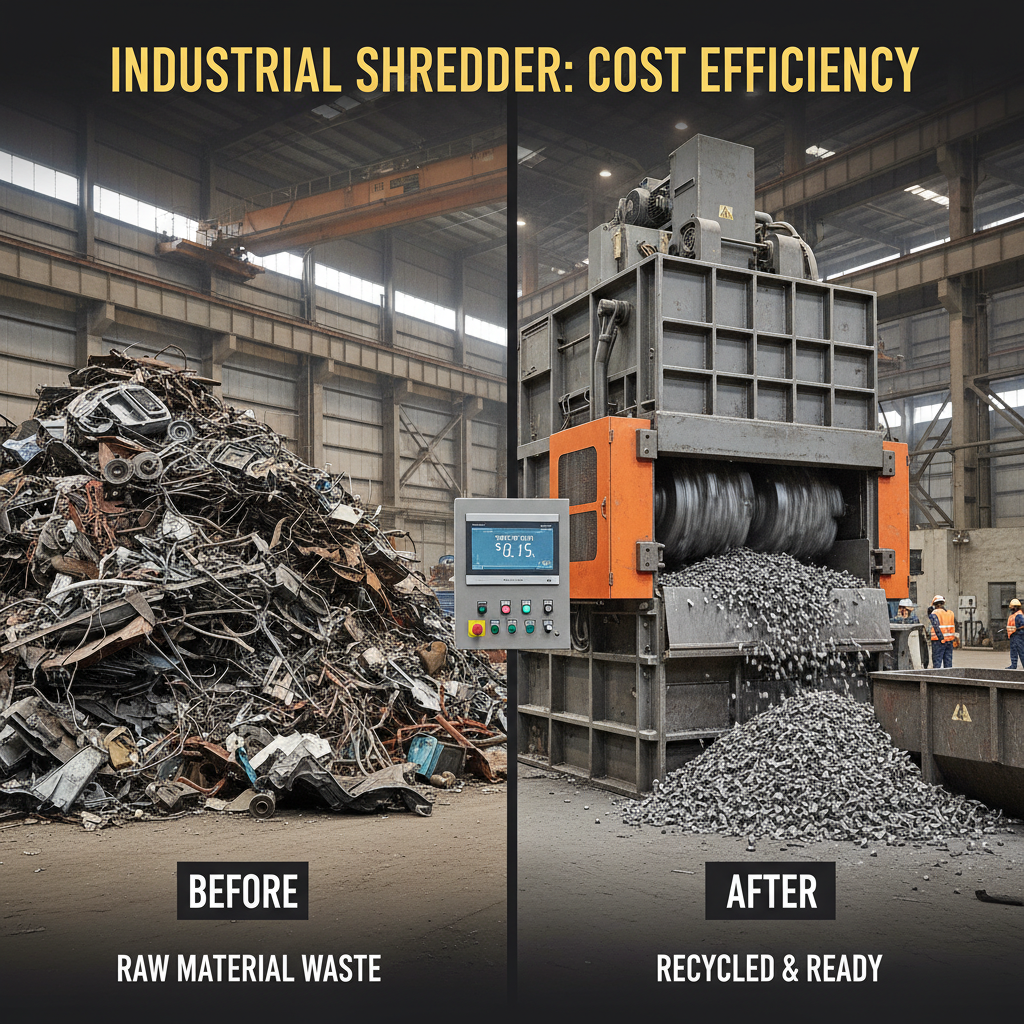
Electronic waste shredder technology has become absolutely critical in today’s world. We're drowning in old phones, computers, and appliances – stuff people just don’t know what to do with. It’s not just about clutter; it's a serious environmental and resource recovery issue. Properly dismantling this e-waste allows us to reclaim valuable materials like gold, silver, and copper, reducing the need for new mining and lowering our environmental footprint. It’s about closing the loop and making sure these resources don’t end up polluting landfills.
Frankly, for years, we were lagging behind. A lot of e-waste was shipped overseas with questionable processing practices. Now, with increasing regulations and a growing awareness of sustainability, the demand for robust, efficient, and responsible e-waste shredding solutions has exploded. We need machines that can handle the variety of materials and the sheer volume coming at us. It's a messy business, and getting it right is paramount.
The beauty of a good electronic waste shredder isn't just in its ability to break things down; it's in its capacity to do so safely and effectively. We're dealing with potentially hazardous materials, and the entire process needs to be contained and controlled. It's about more than just recycling; it's about responsible waste management.
The Importance of Electronic Waste Shredder Technology
Look, I’ve been on sites where they’re still hand-dismantling e-waste. It’s slow, dangerous, and frankly, it doesn't recover near the amount of material a proper shredder does. A good electronic waste shredder isn't just about convenience, it's about maximizing material recovery rates. We’re talking about turning what was considered waste into a valuable secondary resource. And with the ever-increasing volume of e-waste, you need the throughput to keep up.
These machines are the cornerstone of a circular economy for electronics. They make it feasible to recover those rare earth elements and other critical materials, reducing our reliance on primary mining operations and minimizing the environmental damage associated with them. It's not just 'greenwashing'; it's a fundamental shift in how we handle our resources.
Defining Electronic Waste Shredder Systems
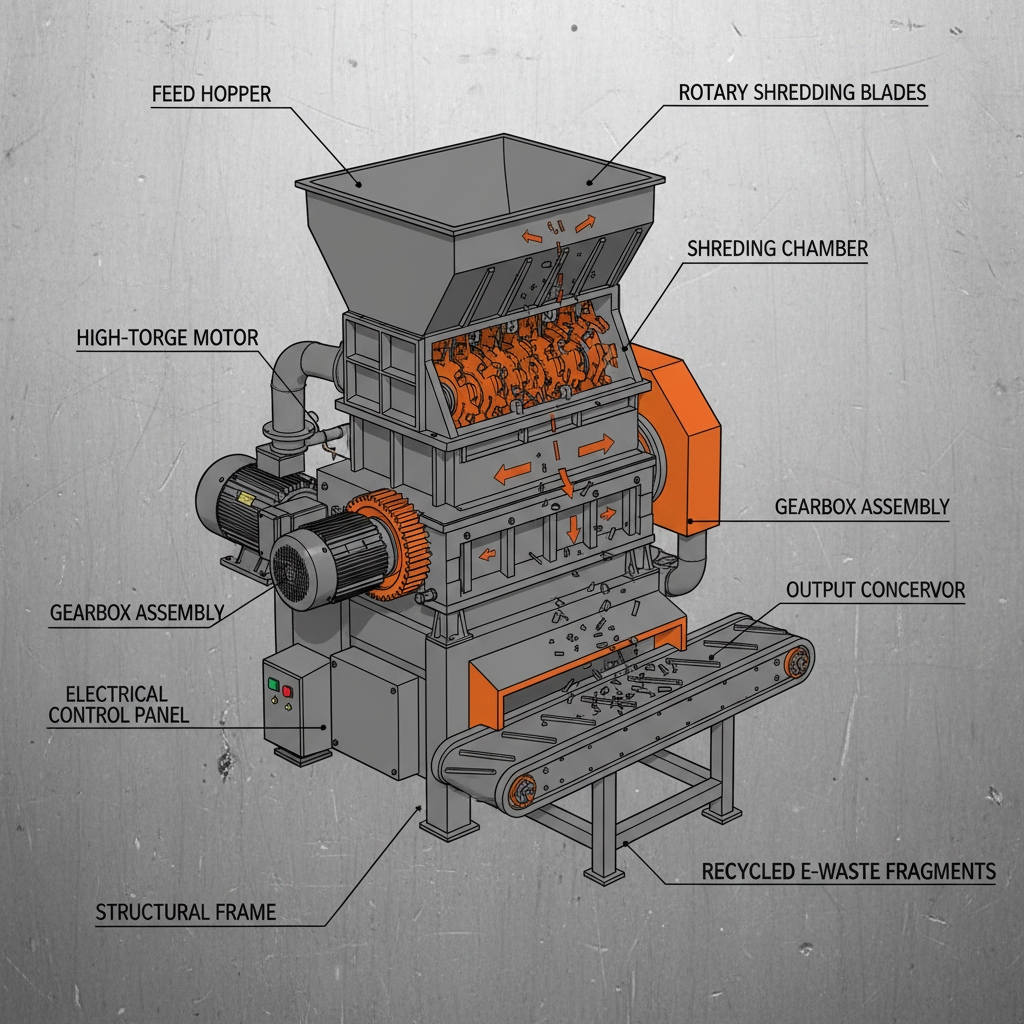
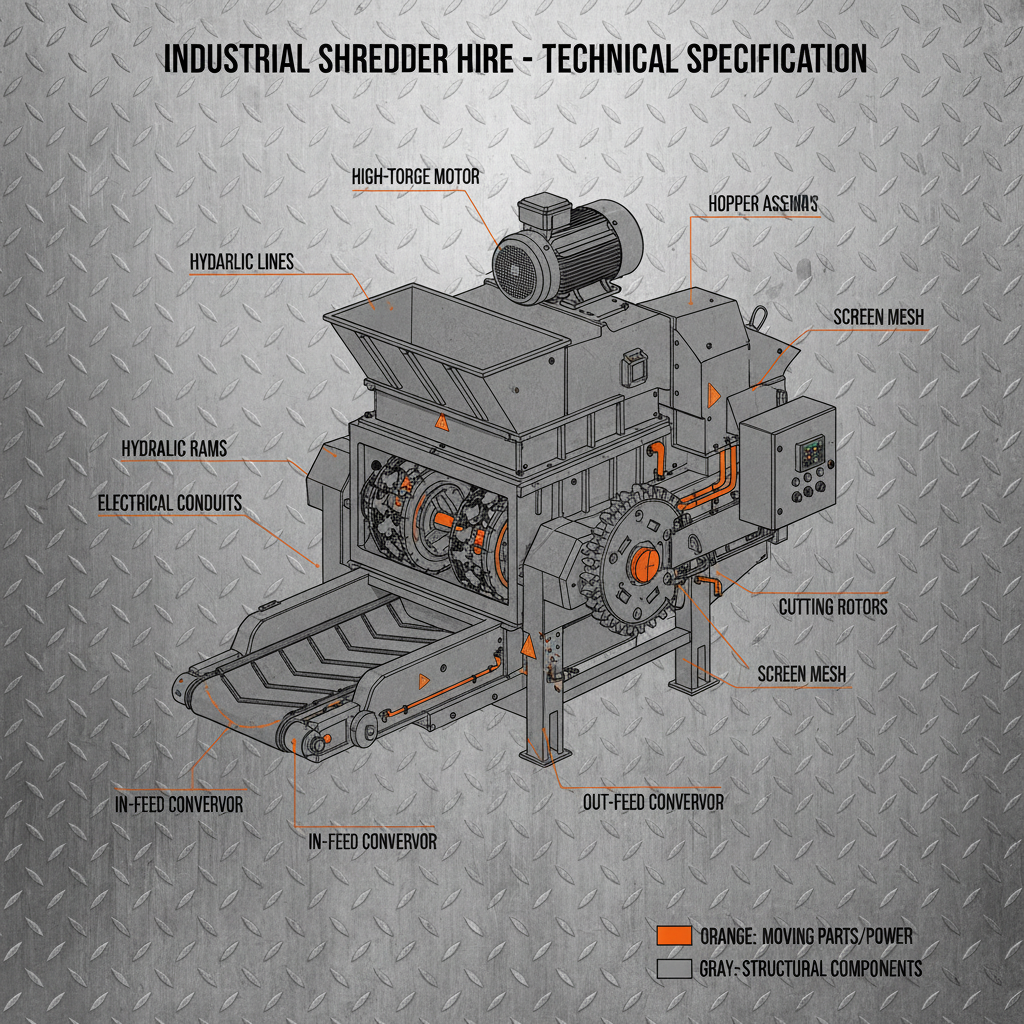
An electronic waste shredder, at its core, is a machine designed to reduce the size of electronic devices into manageable pieces. But it’s far more complex than just a grinder. Modern systems are often multi-stage, starting with pre-shredding to break down larger items, followed by more refined shredding to separate materials like plastics, metals, and glass. It’s a process of liberation, really – freeing up those valuable components from their casings.
You've got different types: single-shaft, dual-shaft, four-shaft, hammer mills… each with its strengths and weaknesses. The choice depends on the type of e-waste you're processing, the desired output size, and the level of separation you need. Single-shafts are great for bulky items, while dual-shafts are good all-rounders. It's about matching the tool to the job.
Crucially, these systems aren't standalone. They’re integrated into larger recycling facilities, often paired with sorting systems – magnets, eddy current separators, density tables – to further refine the recovered materials. It's a whole system, not just a machine.
Key Components of Effective Shredders
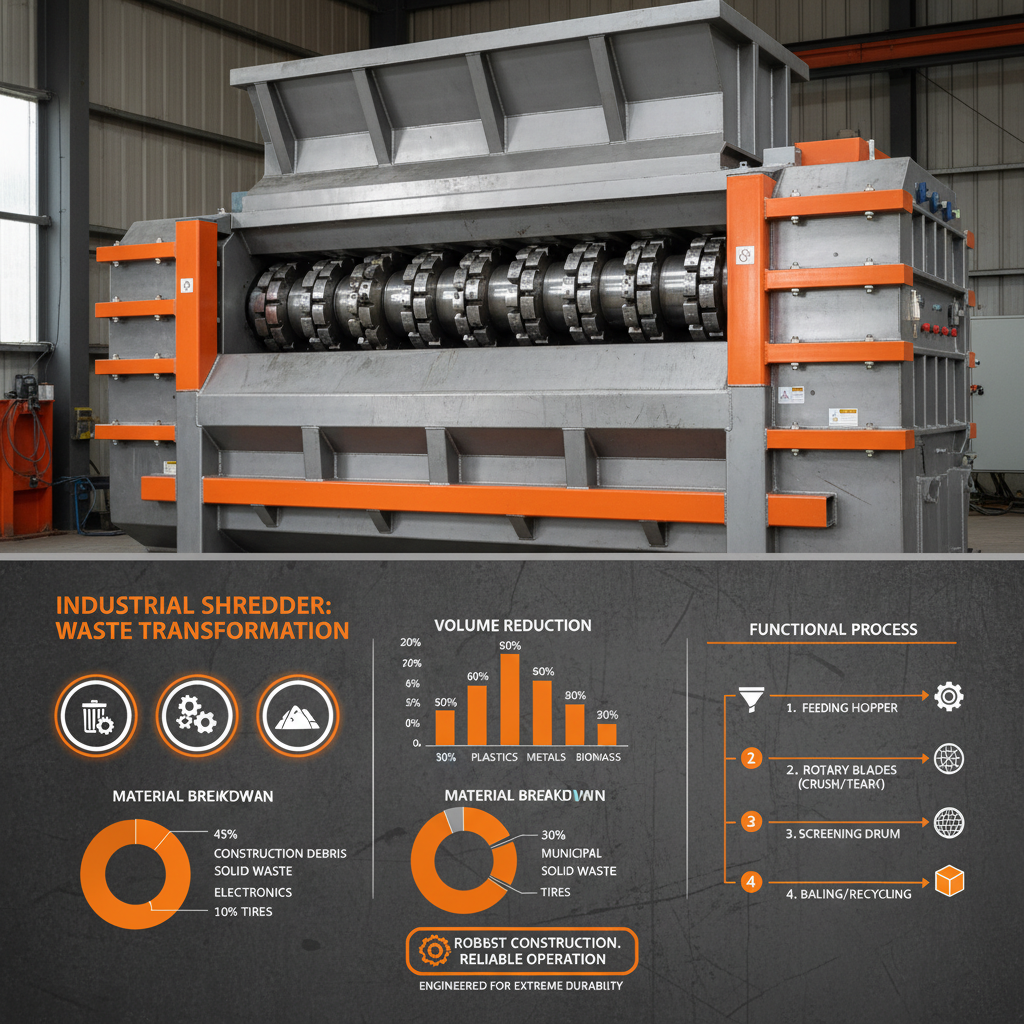
Durability is key. I've seen shredders that just can't handle the constant abuse of processing e-waste. The rotor, the blades, the housing – everything needs to be built to withstand impact and abrasion. High-quality steel alloys and robust construction are non-negotiable. We need machines that can run reliably for years, not break down after a few months.
Then you've got the drive system. The motor needs to have enough power to handle peak loads without overheating. Gearboxes need to be heavy-duty and well-lubricated. And the control system needs to be responsive and reliable, with safety features like overload protection. It’s not glamorous, but a solid drive system is the heart of any good shredder.
Finally, you've got the dust and particle control systems. Shredding e-waste creates a lot of fine dust, some of which can be hazardous. Effective filtration systems are essential to protect worker health and prevent environmental contamination. You need a system that can capture and contain those particles, minimizing emissions and ensuring compliance with regulations.
Performance Metrics and Operational Efficiency
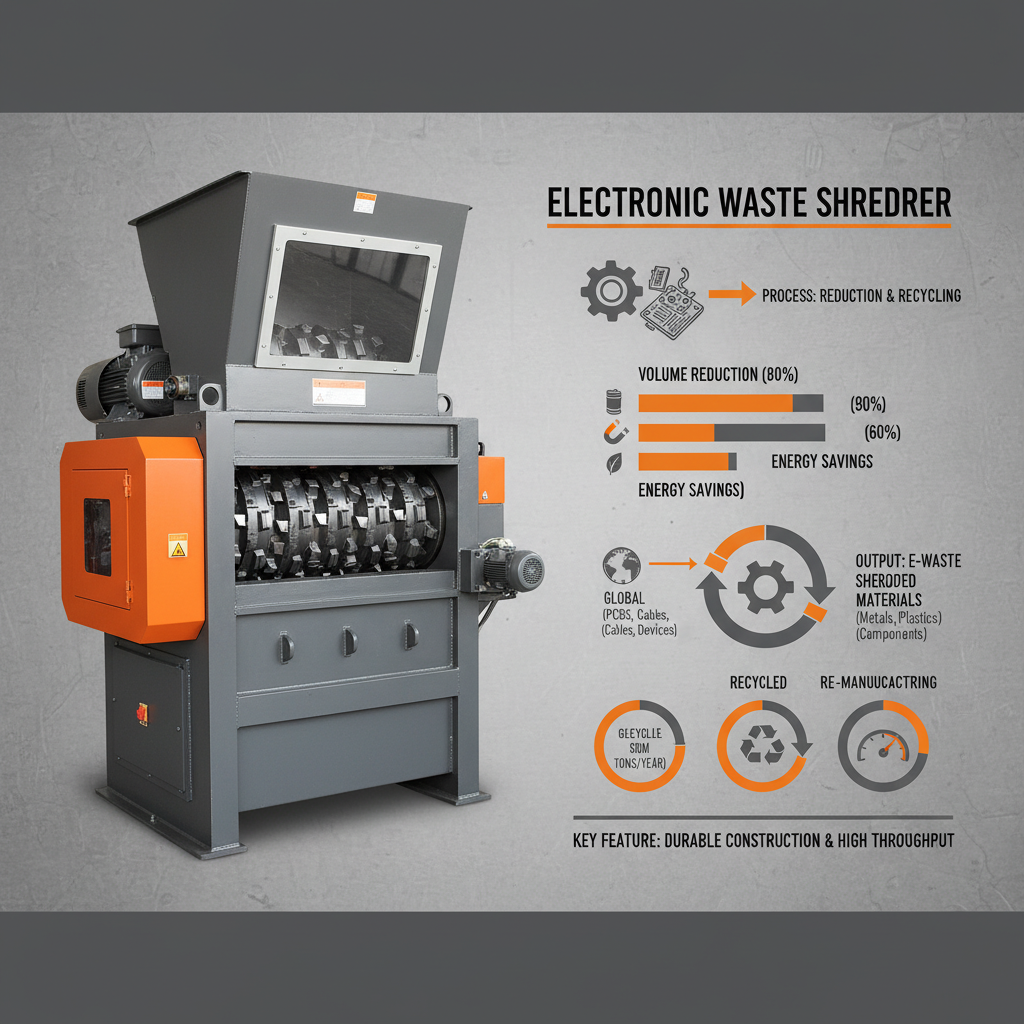
When I’m looking at a shredder, I don't just care about how fast it is; I care about how consistently it performs. Throughput, measured in tons per hour, is important, but it’s not the whole story. You need to consider the quality of the output – the size and homogeneity of the shredded material. You want a consistent product that’s easy to sort and process further.
Another critical metric is uptime. How often is the machine down for maintenance or repairs? Frequent downtime translates to lost productivity and increased costs. We look for shredders with a proven track record of reliability and readily available spare parts. And of course, energy efficiency is a growing concern. We need machines that can do the job without consuming excessive power.
Electronic Waste Shredder Efficiency Comparison
Global Applications and Industry Impact
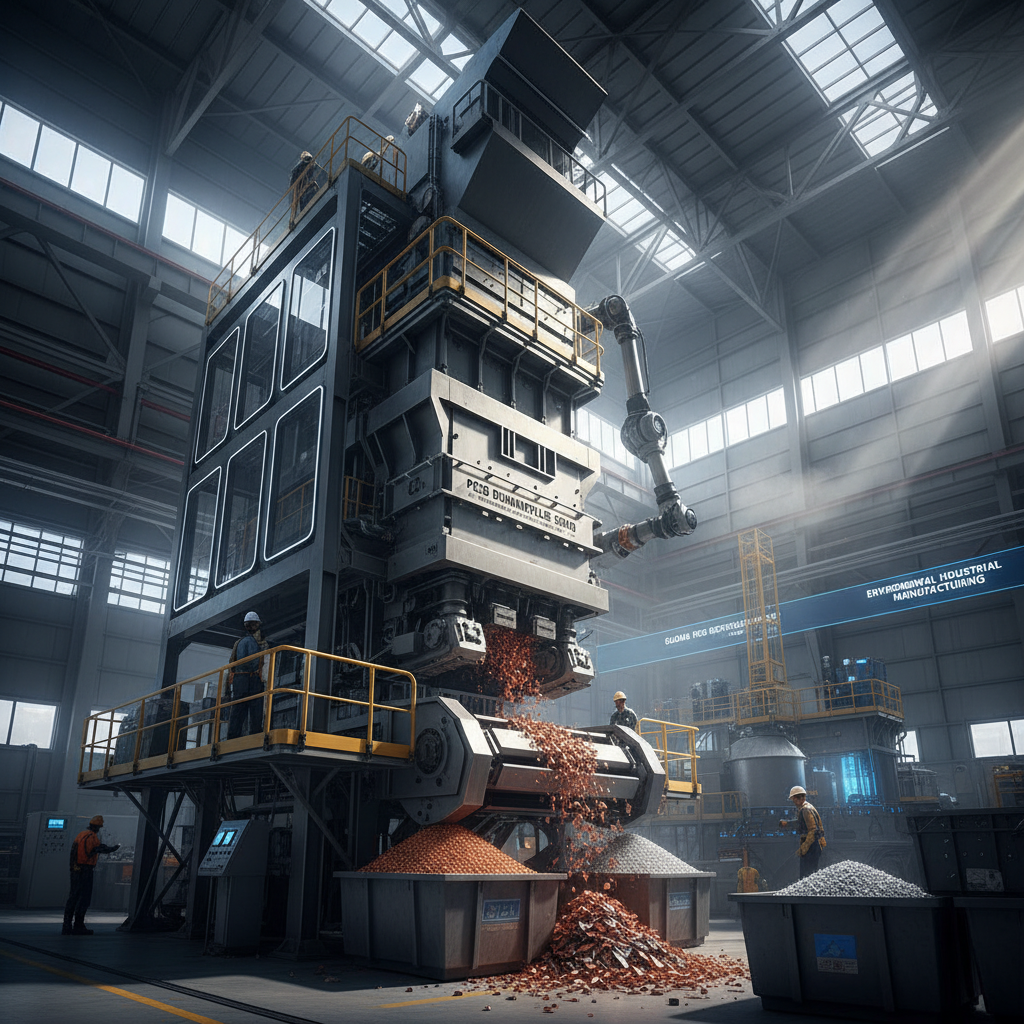
I've seen these shredders deployed in massive recycling facilities in Europe and Asia, handling everything from end-of-life computers to old refrigerators. But they’re also becoming increasingly common in smaller, regional facilities, enabling more localized recycling efforts. It's about bringing the technology closer to the source of the waste.
The impact on the electronics manufacturing industry is significant. By providing a reliable source of recycled materials, these shredders help reduce the reliance on virgin resources and lower production costs. It supports a more sustainable supply chain and promotes responsible manufacturing practices.
Long-Term Benefits and Sustainable Practices
Look, at the end of the day, it’s about doing the right thing. Electronic waste shredder technology isn't just a business opportunity; it’s a responsibility. By investing in these systems, we're protecting the environment, conserving resources, and creating a more sustainable future. That has a real value that goes beyond the bottom line.
It’s also about protecting worker safety. A properly designed and maintained shredder reduces the risk of injuries associated with manual dismantling of e-waste. And it fosters a culture of safety and responsibility within the recycling industry.
Future Trends and Technological Advancements
We’re seeing a lot of innovation in this space. Artificial intelligence is being integrated into shredding systems to improve sorting efficiency and material recovery rates. Automated systems are reducing the need for manual labor, lowering costs and improving safety.
There’s also a push towards more modular and mobile shredding solutions, allowing for on-site processing of e-waste. This is particularly useful in remote areas or disaster zones where transporting waste to a central facility is impractical. And, of course, there’s a growing focus on developing more energy-efficient and environmentally friendly shredding technologies.
Expect to see even more integration with data analytics. Tracking material flows, monitoring performance, and optimizing processes – all driven by data. It's about making the entire recycling process smarter and more efficient.
Summary of Key Factors Influencing Electronic Waste Shredder Performance
| Shredder Type |
Material Throughput (T/hr) |
Maintenance Frequency |
Operational Cost |
| Single-Shaft Shredder |
5-10 |
Weekly |
$2,000/month |
| Dual-Shaft Shredder |
8-15 |
Bi-Weekly |
$2,500/month |
| Four-Shaft Shredder |
12-20 |
Monthly |
$3,000/month |
| Hammer Mill Shredder |
15-25 |
Weekly |
$2,200/month |
| Granulator Shredder |
3-8 |
Bi-Weekly |
$1,800/month |
| Mobile Shredder Unit |
7-12 |
Monthly |
$3,500/month |
FAQS
A well-maintained electronic waste shredder can easily last 10-15 years, or even longer. However, this heavily depends on the quality of the machine, the type of e-waste processed, and the frequency of maintenance. Regular inspections, timely replacement of wear parts (like blades and screens), and proper lubrication are crucial for maximizing its lifespan. Ignoring maintenance can lead to premature failure and costly repairs.
Safety is paramount. Look for features like emergency stop buttons, overload protection, automatic shut-off systems, and enclosed housings to contain dust and debris. Proper guarding around moving parts is essential, as is clear labeling of safety hazards. Regular safety training for operators is also critical to prevent accidents and ensure a safe working environment.
Space requirements vary depending on the size and type of shredder. Smaller, portable units might only need a 10x10 foot area, while larger, industrial-scale shredders can require significantly more space – upwards of 50x50 feet or more. You also need to consider space for material handling, sorting, and storage of shredded materials.
Regular maintenance includes inspecting and replacing blades, screens, and other wear parts. Lubricating moving parts, checking belts and chains for wear, and cleaning the machine are also essential. Regularly inspecting and maintaining the dust collection system is crucial for ensuring worker safety and environmental compliance. Following the manufacturer’s recommended maintenance schedule is highly recommended.
Consider the volume of e-waste you'll be processing, the type of materials, and the desired output size. A smaller shredder might be sufficient for a low-volume operation, while a larger, more powerful shredder is needed for high-volume processing. It's also important to consider the available space and budget. Consulting with a shredder manufacturer or supplier can help you determine the best fit for your specific requirements.
Operating costs include electricity, maintenance, repairs, labor, and disposal of any residual waste. Electricity consumption can be significant, especially for larger shredders. Maintenance costs depend on the frequency of use and the type of materials processed. Labor costs will vary depending on the level of automation and the number of operators required. Budgeting for these costs is essential for ensuring the long-term profitability of your recycling operation.
Conclusion
Electronic waste shredder technology is a critical component of a sustainable future. It's not just about processing waste; it’s about resource recovery, environmental protection, and responsible waste management. From the initial shredding process to the final refinement of recovered materials, these machines play a vital role in closing the loop and creating a circular economy for electronics. Investing in advanced shredding solutions is an investment in a cleaner, more sustainable world.
The future of e-waste processing is bright, with ongoing innovation and increasing demand for sustainable solutions. By embracing new technologies, promoting responsible practices, and prioritizing worker safety, we can maximize the benefits of electronic waste shredder technology and create a more resilient and sustainable future for generations to come. For cutting-edge solutions and expert advice, visit our website: electronic waste shredder.