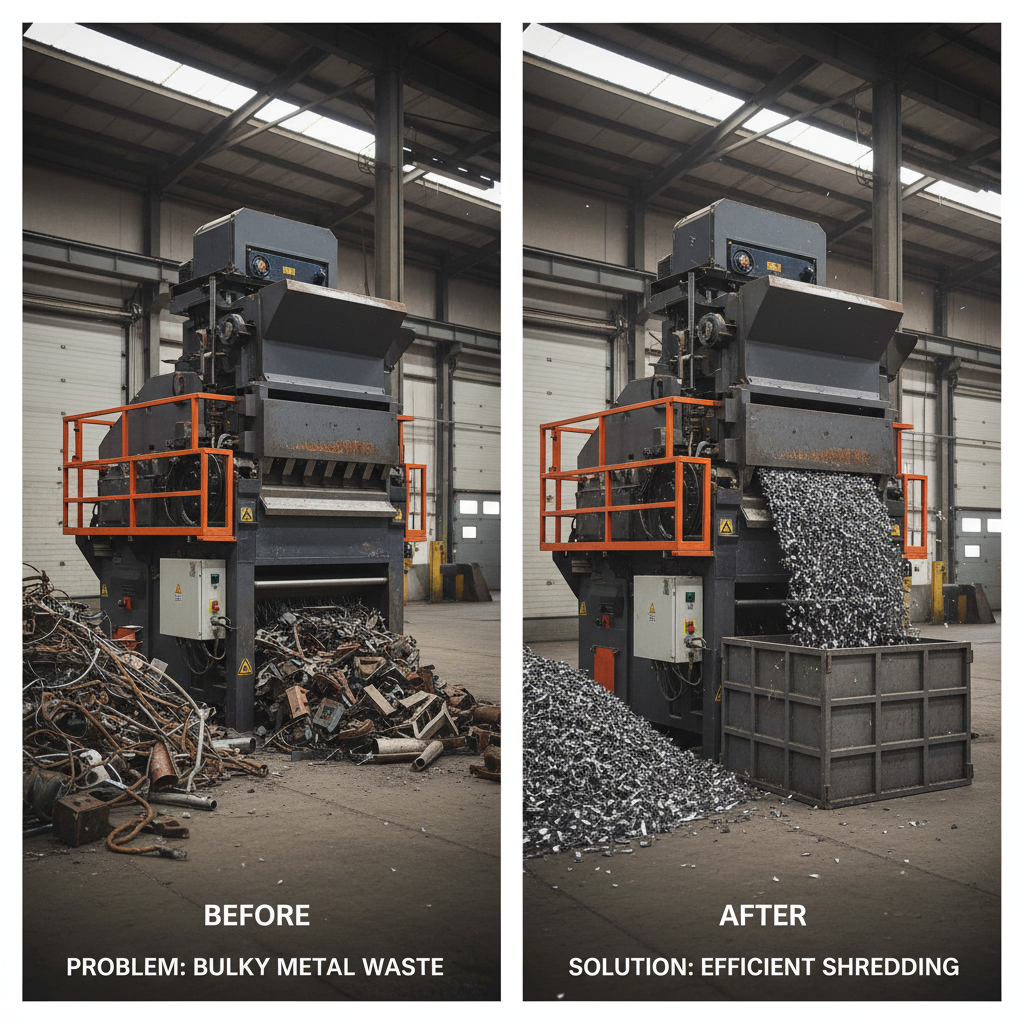
Industrial shredding equipment plays a critical role in modern waste management and materials recovery. From reducing landfill waste to enabling circular economy practices, these machines are essential for businesses across diverse sectors. Understanding the capabilities, applications, and future trends of industrial shredding equipment is paramount for optimizing operational efficiency, minimizing environmental impact, and achieving sustainable growth. The demand for efficient and reliable industrial shredding equipment continues to rise globally, driven by increasing environmental regulations and a growing focus on resource conservation.
The increasing volumes of waste generated by manufacturing processes, end-of-life products, and demolition activities necessitate robust solutions for size reduction and material processing. industrial shredding equipment provides a vital link in the recycling chain, preparing materials for further processing, recovery, and reuse. Investment in this technology is not merely an operational expense; it's a strategic move towards environmental responsibility and long-term economic viability.
The global market for industrial shredding equipment is experiencing significant expansion, with advancements in technology continually enhancing performance and broadening applications. Businesses are increasingly seeking customized solutions to meet their specific needs, leading to innovation in shredder designs, control systems, and material handling capabilities.
The Importance of Industrial Shredding Equipment
The responsible management of waste streams is a global imperative. industrial shredding equipment provides a practical and effective solution for reducing waste volume, preparing materials for recycling, and recovering valuable resources. This technology is vital for industries facing stringent environmental regulations and increasing pressure to adopt sustainable practices.
The increasing complexity of materials and products necessitates specialized shredding solutions. Traditional waste disposal methods are becoming increasingly unsustainable, leading to a growing demand for technologies like industrial shredding to transform waste into valuable secondary raw materials.
Defining Industrial Shredding Equipment
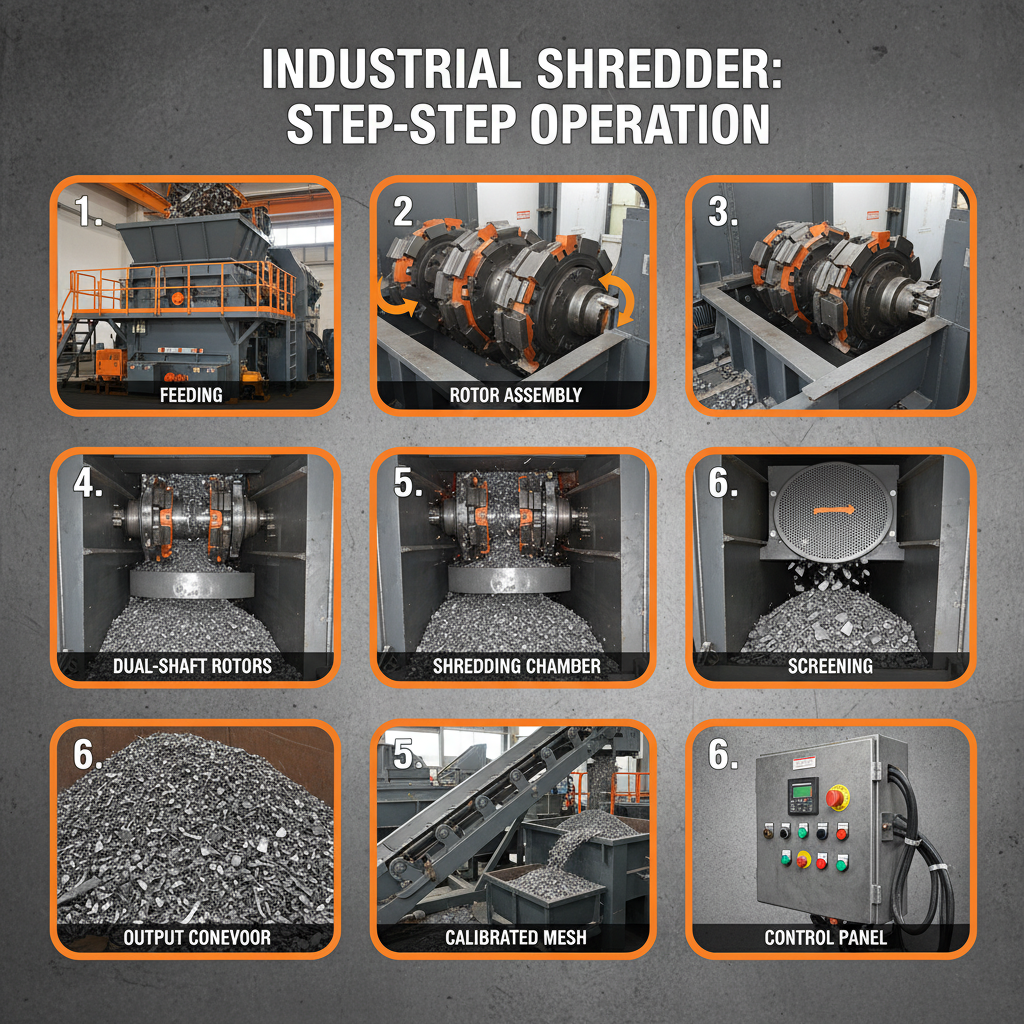
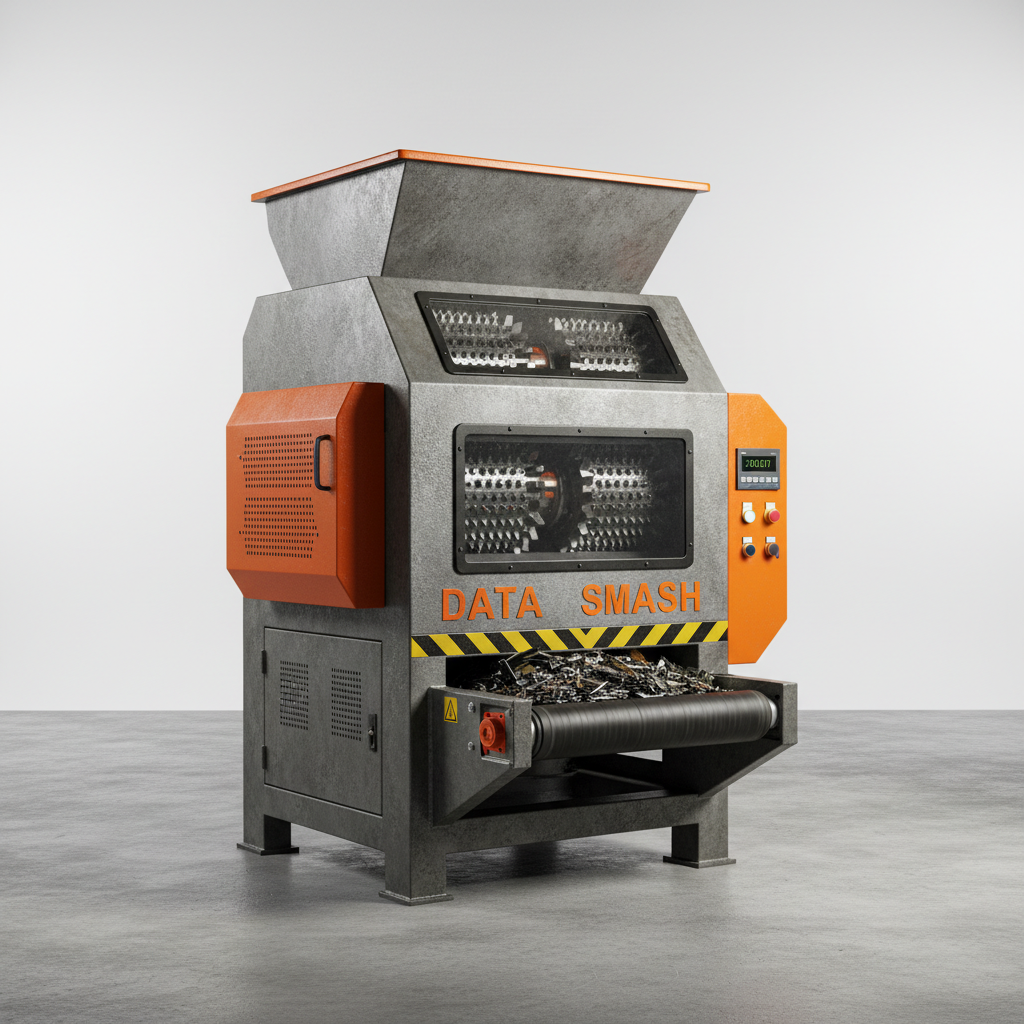
Industrial shredding equipment encompasses a range of machines designed to reduce the size of materials through cutting, crushing, or tearing. These systems vary significantly in their capacity, power, and the types of materials they can process, ranging from lightweight plastics and paper to heavy metals and concrete.
At its core, the purpose of industrial shredding is to transform bulky waste into a more manageable form, facilitating efficient transportation, storage, and subsequent processing. This process is fundamental to various recycling operations and waste-to-energy initiatives.
The connection to modern industry and humanitarian needs is profound. In manufacturing, shredding enables the recycling of production scrap. In disaster relief, it can process debris for resource recovery and safe disposal. This versatility makes it a critical component of both economic and social progress.
Core Components and Factors to Consider
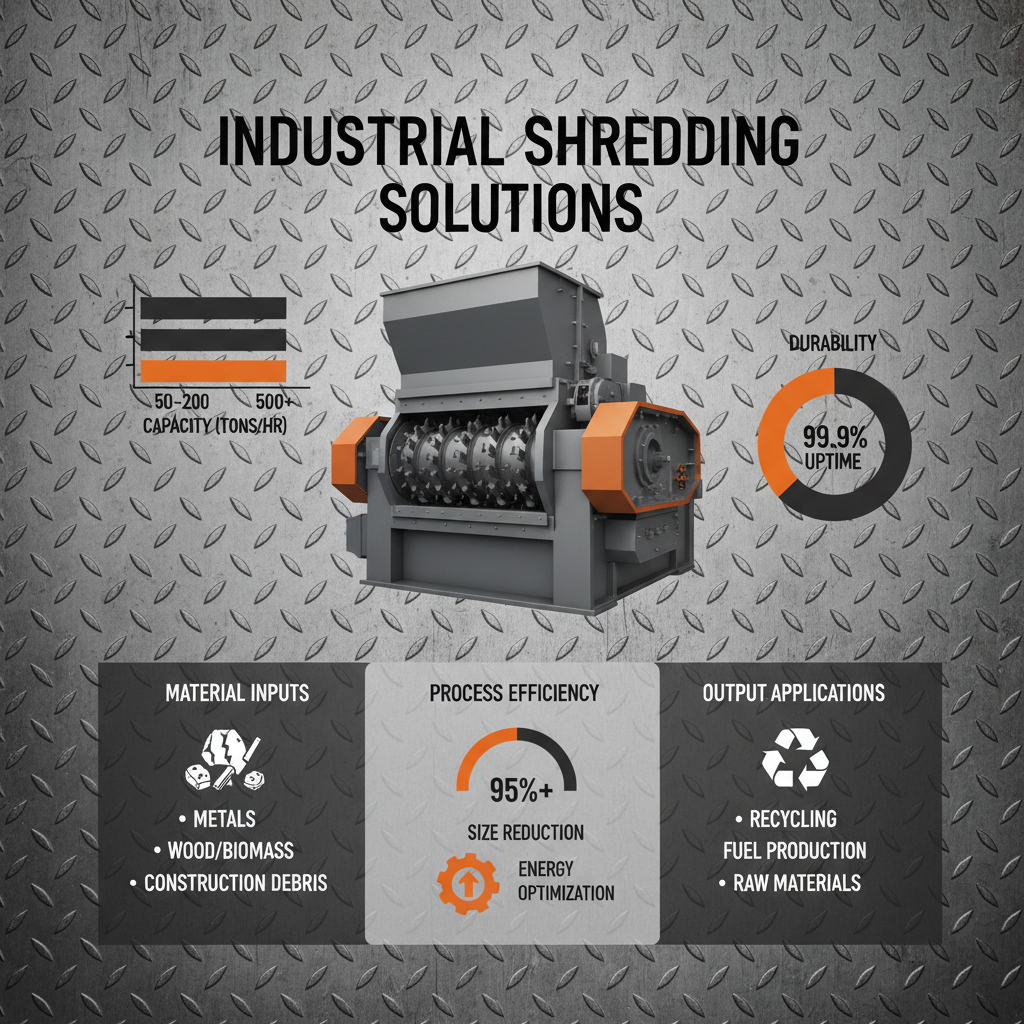
When evaluating industrial shredding equipment, several key factors come into play. Durability is paramount, as these machines operate in demanding environments and must withstand continuous use. High-quality materials, robust construction, and reliable components are essential for minimizing downtime and maximizing lifespan.
Scalability refers to the ability of the equipment to adapt to changing production volumes and material types. Modular designs and adjustable settings allow operators to optimize performance for various applications. Choosing a system that can grow with your needs is crucial for long-term investment.
Cost Efficiency extends beyond the initial purchase price. Considerations include energy consumption, maintenance requirements, and the potential for revenue generation through the sale of recovered materials. A lifecycle cost analysis is essential for making informed decisions. Material Compatibility is also crucial - different shredders are designed for specific material types. Safety Features such as emergency stops and overload protection are also non-negotiable.
Global Applications of Industrial Shredding Equipment
The applications of industrial shredding equipment are incredibly diverse, spanning a multitude of industries and geographical regions. In the plastics recycling industry, shredders are used to process post-consumer and post-industrial plastic waste into flakes or granules for reuse. In the metal recycling sector, they efficiently reduce scrap metal into manageable sizes for smelting and refining.
In waste-to-energy facilities, shredders prepare fuel for incineration, maximizing energy recovery. Furthermore, they are vital in confidential document destruction services, ensuring data security. Regions with robust recycling infrastructure, such as Europe and North America, are significant consumers of this technology.
Industrial Shredding Equipment Performance by Method
Advantages and Long-Term Value Proposition
Investing in industrial shredding equipment delivers significant tangible benefits. Reduced waste disposal costs are a primary advantage, as shredding minimizes landfill volume and associated fees. Increased revenue streams are also possible through the sale of recycled materials.
Beyond cost savings, the environmental advantages are substantial. By promoting resource recovery and reducing reliance on virgin materials, shredding contributes to a more sustainable and circular economy. The increased operational efficiency and reduction in manual handling lead to a safer work environment.
Future Trends and Innovations in Shredding Technology
The future of industrial shredding is being shaped by several key trends. Automation and remote monitoring are becoming increasingly prevalent, allowing for optimized performance and reduced labor costs. The integration of AI and machine learning is enabling smart shredders that can automatically adjust to varying material compositions.
Sustainable shredder designs utilizing energy-efficient motors and minimizing noise pollution are also gaining traction. The development of shredders capable of processing increasingly complex and composite materials is crucial for addressing emerging waste streams. Digitalization is playing an increasing role, with cloud-based data analytics helping operators optimize shredding processes.
Challenges and Solutions in Industrial Shredding
Despite its many benefits, industrial shredding faces several challenges. Material contamination can reduce the quality of recovered materials and require additional processing steps. Dust and noise emissions can pose health and safety concerns. Blade wear and maintenance requirements can lead to downtime and increased operating costs.
Innovative solutions are being developed to address these challenges. Advanced sensor technologies can detect and remove contaminants. Enclosed shredder designs and dust collection systems can mitigate emissions. Durable blade materials and predictive maintenance programs can extend blade life and minimize downtime.
Furthermore, focusing on pre-sorting materials before shredding can significantly improve the efficiency of the entire process. Investing in robust safety protocols and operator training is paramount to ensure a safe and productive working environment.
Summary of Challenges and Solutions in Industrial Shredding
| Challenge |
Impact on Operations |
Potential Solution |
Implementation Cost (1-10) |
| Material Contamination |
Reduced Material Quality |
Advanced Sensor Technology |
7 |
| Dust and Noise Emissions |
Health & Safety Concerns |
Enclosed Shredder Designs |
6 |
| Blade Wear |
Increased Downtime |
Durable Blade Materials |
8 |
| High Energy Consumption |
Increased Operating Costs |
Energy-Efficient Motors |
5 |
| Complex Material Processing |
Limited Material Recovery |
Specialized Shredder Designs |
9 |
| Lack of Automation |
Increased Labor Costs |
Automated Control Systems |
7 |
FAQS
Industrial shredding equipment is incredibly versatile and can handle a wide array of materials, including plastics, metals, wood, paper, cardboard, electronic waste, tires, and even construction debris. The specific type of shredder and its blade configuration determine its optimal material compatibility. Choosing the right shredder is vital for efficient processing and minimizing damage to the equipment.
Determining the appropriate shredder size depends on several factors, including the volume of material to be processed, the material type, and the desired output size. Consider peak production rates and potential future expansion. It’s often better to slightly oversize the shredder to accommodate fluctuations and ensure long-term performance. Consulting with an experienced shredder manufacturer is highly recommended.
Safety is paramount. Essential features include emergency stop buttons, overload protection systems, safety interlocks that prevent operation when access doors are open, and robust guarding to prevent contact with moving parts. Regular maintenance and operator training are also crucial for ensuring a safe working environment. Compliance with relevant safety standards (e.g., OSHA) is mandatory.
Regular maintenance is vital for maximizing shredder lifespan and performance. This includes blade inspection and replacement, lubrication of moving parts, belt tension adjustments, and cleaning of dust collection systems. Implementing a preventative maintenance schedule based on operating hours and material type can significantly reduce downtime and repair costs. industrial shredding equipment requires diligent care.
Noise and dust emissions can be mitigated through several methods. Enclosing the shredder in a soundproof housing can significantly reduce noise levels. Installing a dust collection system with appropriate filters captures airborne particles. Regular cleaning and maintenance of the shredder and surrounding area also contribute to a cleaner and quieter operating environment.
The return on investment (ROI) varies depending on the specific application and operational factors. However, the benefits of reduced waste disposal costs, increased revenue from recycled materials, and improved operational efficiency typically lead to a positive ROI within 2-5 years. A detailed cost-benefit analysis tailored to your specific needs is essential for accurate ROI estimation.
Conclusion
Industrial shredding equipment is an indispensable component of modern waste management and resource recovery. From reducing landfill waste to enabling a circular economy, these machines offer significant environmental and economic benefits. Understanding the various types of shredders, their applications, and future trends is critical for making informed investment decisions and optimizing operational efficiency.
As sustainability becomes increasingly important, the demand for industrial shredding equipment will continue to grow. Embracing innovative technologies, prioritizing safety, and implementing robust maintenance programs are key to maximizing the value and longevity of these essential machines. Visit our website at www.owrecycling.com to learn more about our comprehensive range of industrial shredding solutions.