The secure disposal of sensitive data is paramount in today’s digital landscape, and an industrial hard drive shredder is a critical component of any comprehensive data security strategy. As organizations across all sectors grapple with increasingly stringent data privacy regulations and the ever-present threat of data breaches, the need for reliable and verifiable data destruction solutions has never been greater. These machines aren’t simply about compliance; they represent a commitment to protecting customer information, intellectual property, and overall business integrity.
The rising volume of data generated globally fuels the demand for efficient and secure hard drive destruction. Driven by factors like cloud migration, the proliferation of IoT devices, and the growing need for environmental responsibility in e-waste management, organizations are actively seeking robust solutions for end-of-life data bearing devices. An industrial hard drive shredder offers a solution that’s both environmentally sound and demonstrably secure, reducing risk and ensuring regulatory adherence.
Understanding the capabilities, applications, and future trends surrounding these shredders is crucial for businesses, government agencies, and IT asset disposition (ITAD) professionals. Investing in the right technology and processes not only safeguards sensitive information but also enhances reputation and fosters trust with stakeholders. Data security isn’t simply a technological challenge; it’s a foundational element of responsible business practice.
The Importance of Industrial Hard Drive Shredders
In today's world, data is one of the most valuable assets an organization possesses. However, it also presents a significant liability if it falls into the wrong hands. An industrial hard drive shredder provides a crucial layer of defense against data breaches, protecting sensitive information from unauthorized access and misuse. Regulations such as GDPR, HIPAA, and CCPA mandate stringent data security measures, and utilizing appropriate destruction methods is a key component of compliance.
Beyond regulatory requirements, responsible data destruction demonstrates a commitment to ethical business practices and builds trust with customers and stakeholders. A robust data destruction policy, including the use of an industrial hard drive shredder, sends a clear message that an organization takes data privacy seriously. This proactive approach can enhance reputation and strengthen brand loyalty.
Defining Industrial Hard Drive Shredders
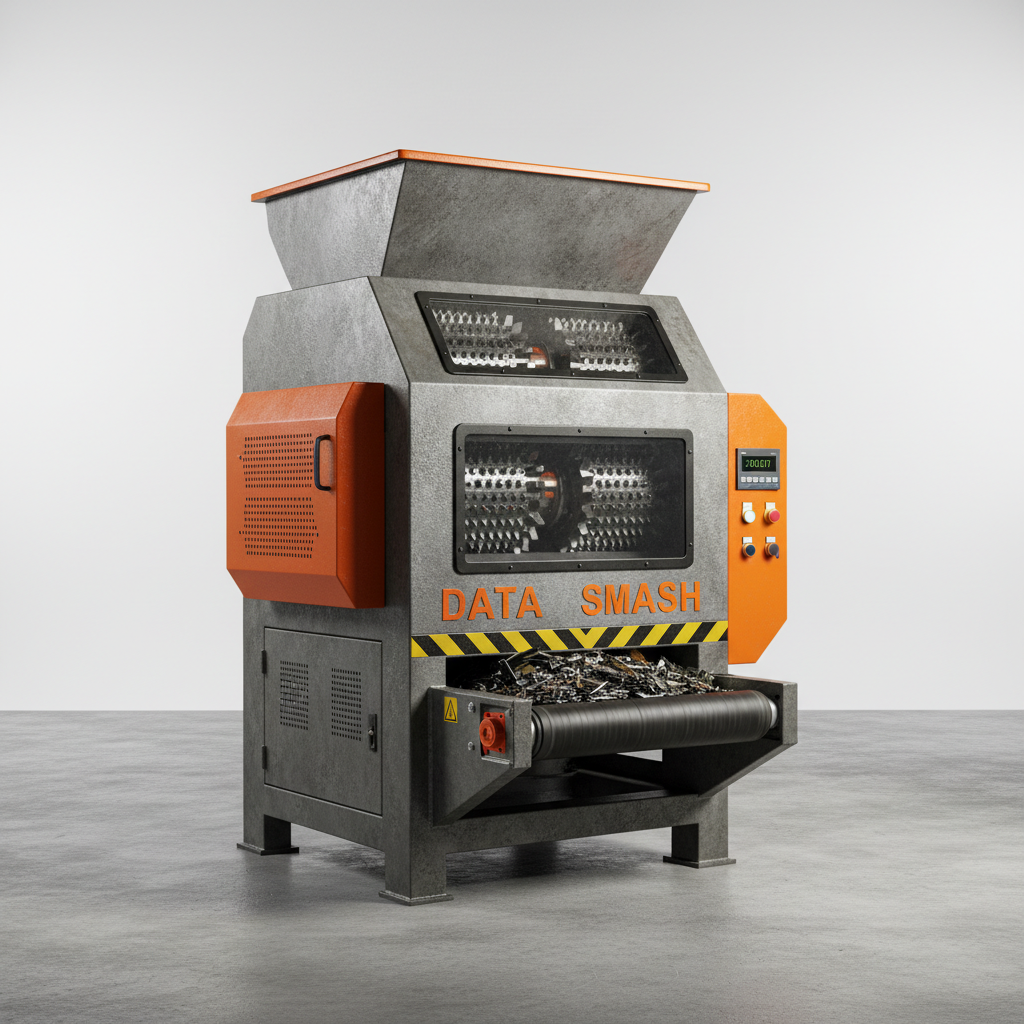
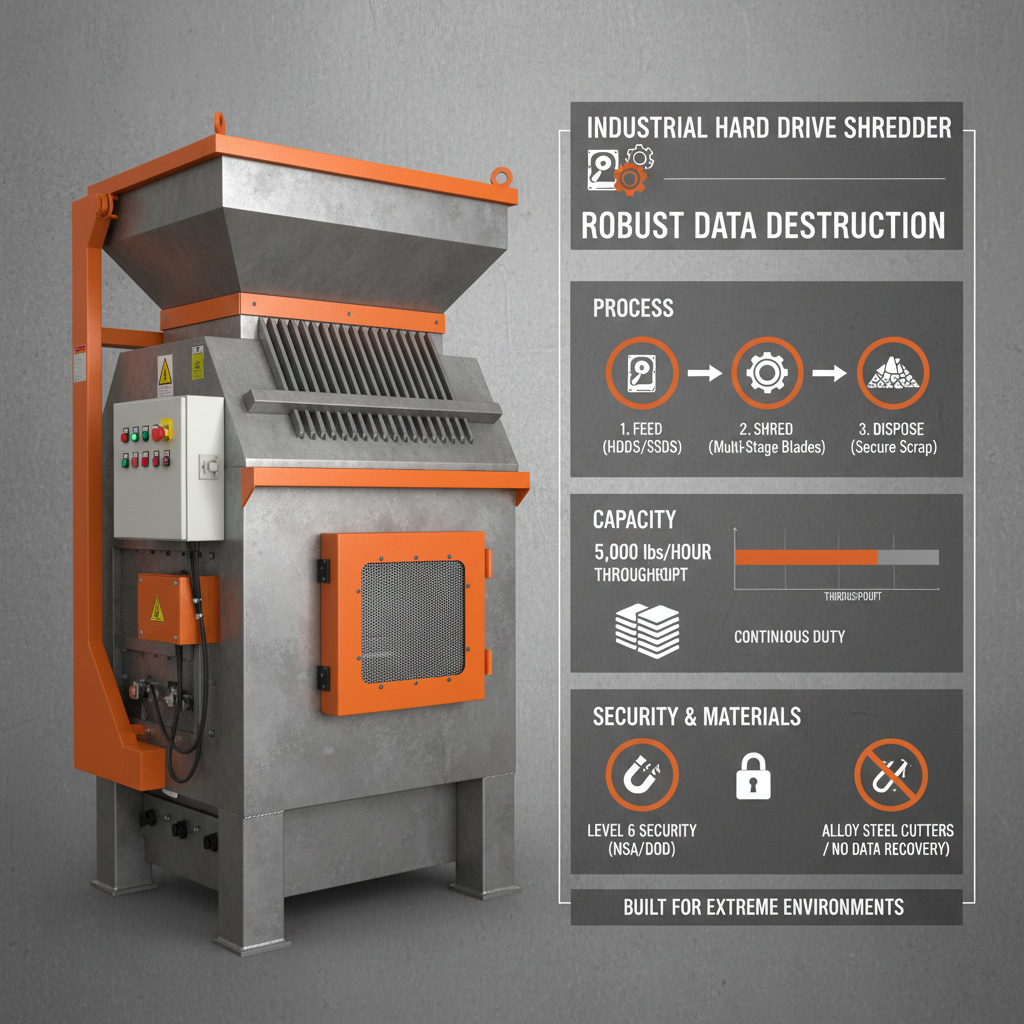
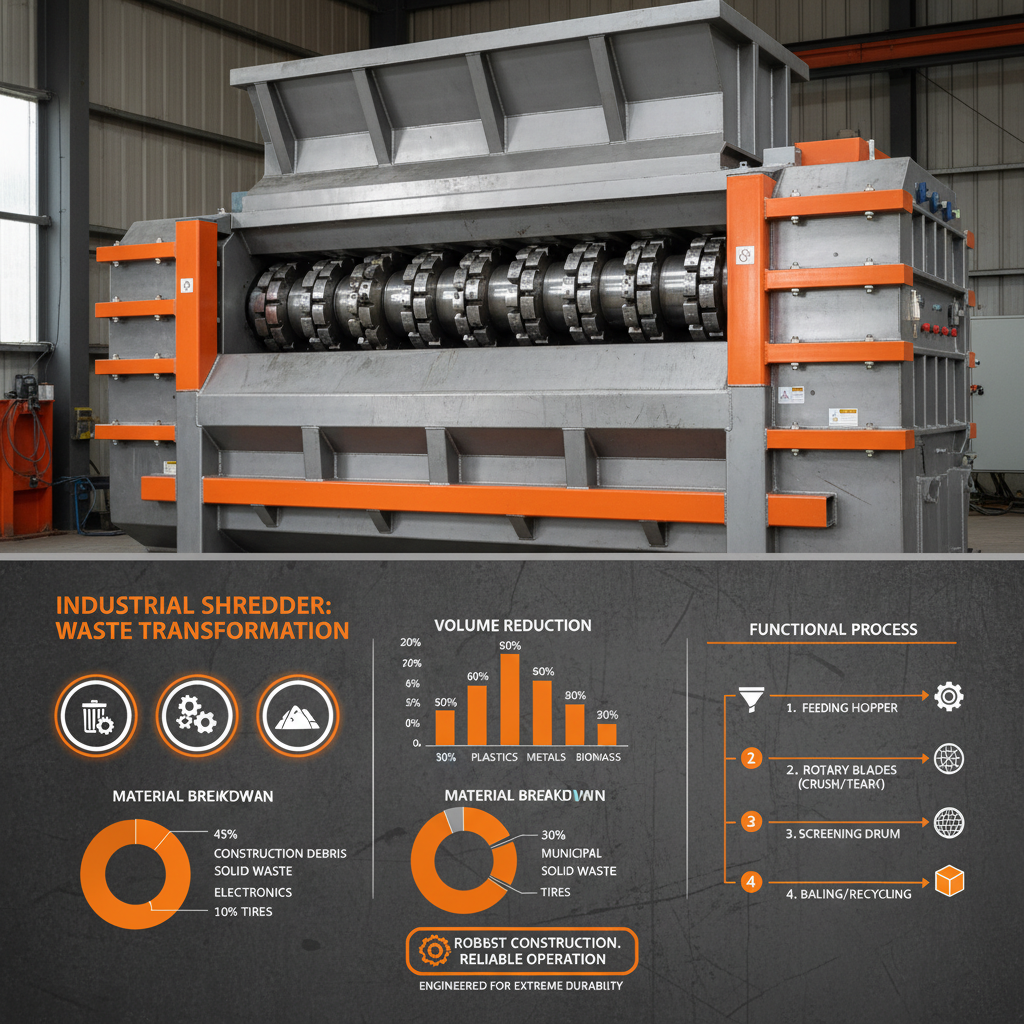
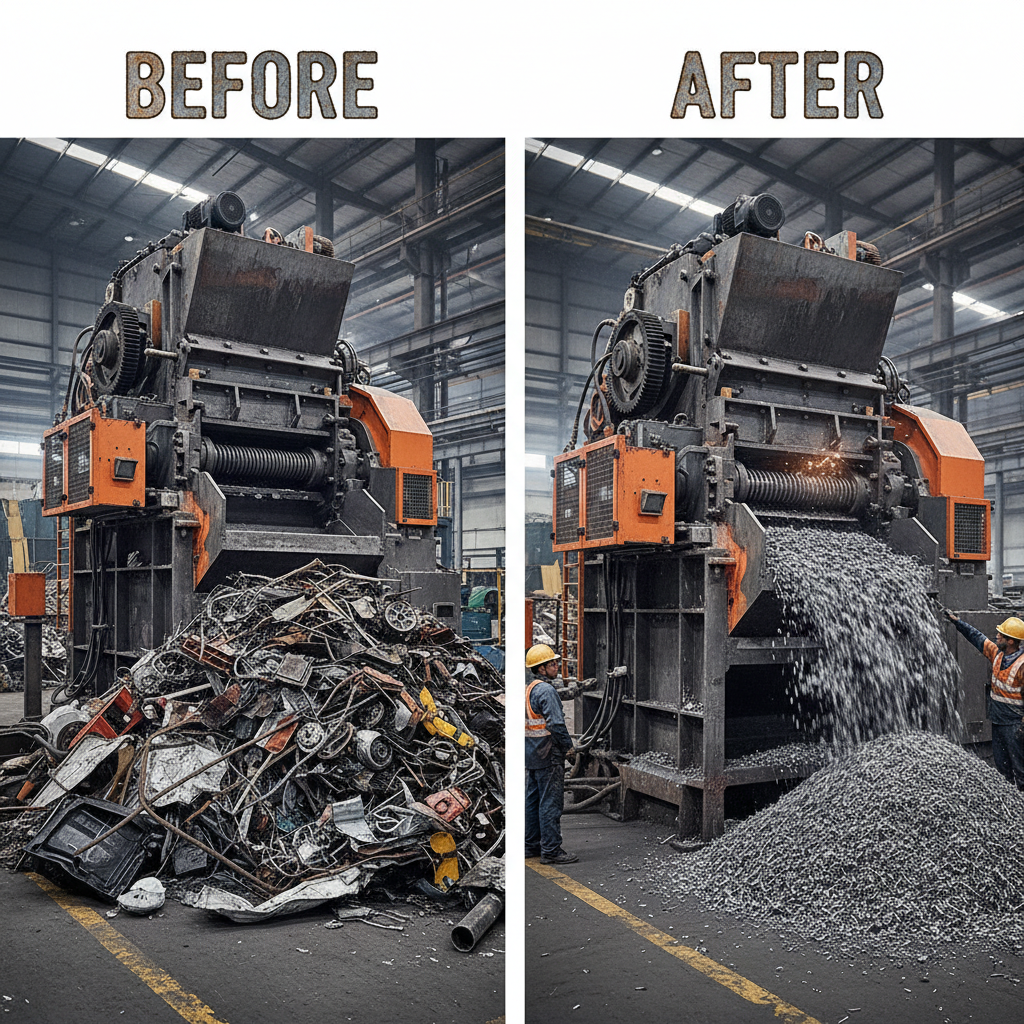
An industrial hard drive shredder is a specialized machine designed to physically destroy hard disk drives (HDDs) and solid-state drives (SSDs) into small, unrecoverable pieces. Unlike simple data wiping software, which can be circumvented, physical destruction ensures that the data is permanently erased. These shredders are engineered to handle large volumes of drives efficiently and securely, making them ideal for organizations with substantial IT asset disposal needs.
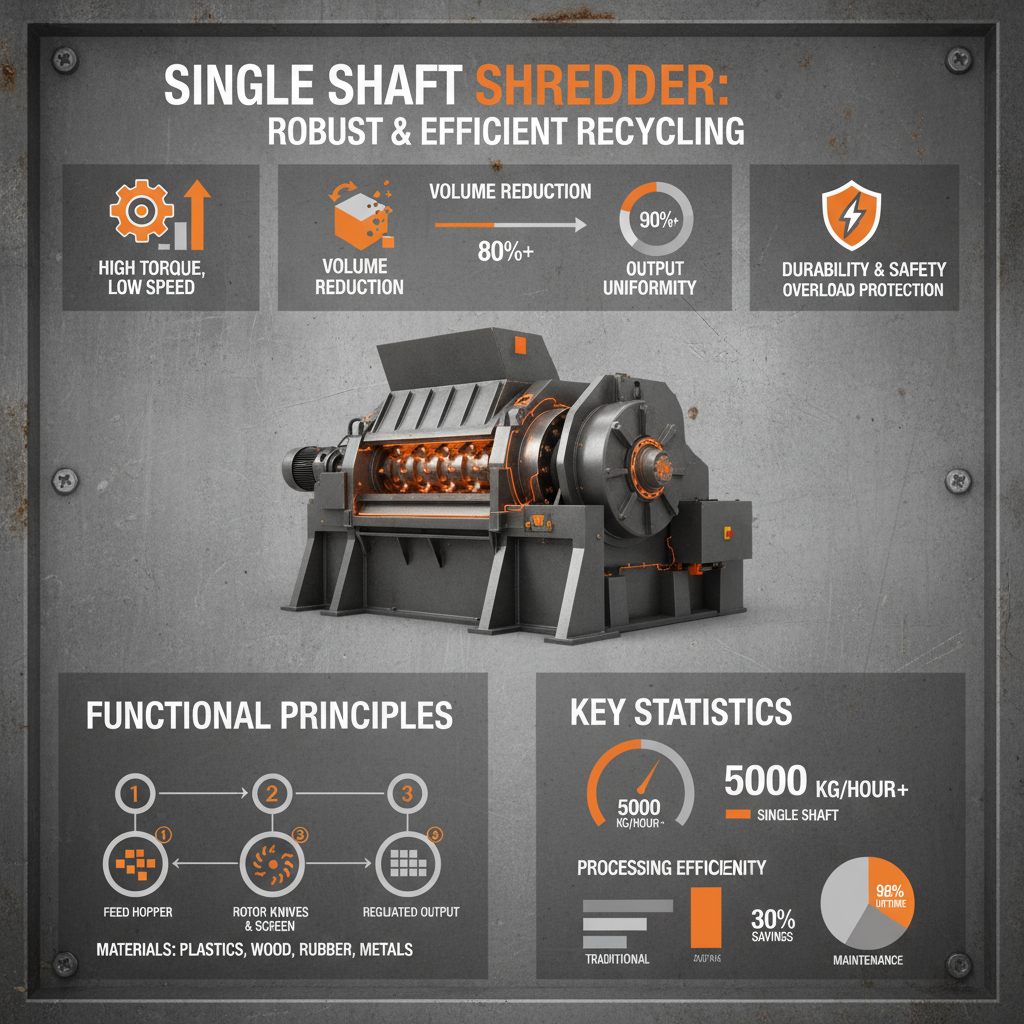
The term “industrial” signifies the machine’s capability to operate continuously and withstand the demands of high-volume use. These machines often feature robust construction, high-powered motors, and advanced cutting mechanisms. They are designed to process a variety of drive types, sizes, and formats, accommodating the evolving landscape of data storage technology.
The connection to modern industry and humanitarian needs lies in the growing awareness of data privacy and the necessity for secure IT asset disposition. As technology becomes increasingly integral to all aspects of life, the responsible handling of end-of-life devices – including the complete destruction of data – is critical for protecting individuals, organizations, and national security.
Key Factors of Industrial Hard Drive Shredders
Durability: Industrial shredders are built to withstand continuous operation in demanding environments. They employ heavy-duty components and robust construction to ensure long-term reliability and minimize downtime. The lifespan of an industrial hard drive shredder is a critical consideration for organizations with sustained data destruction needs.
Security Level: Different shredders offer varying levels of security, measured by the particle size of the shredded material. Higher security levels result in smaller particles, making data recovery virtually impossible. Organizations should select a shredder that meets their specific security requirements and regulatory obligations. Certifications such as NAID AAA are indicators of a shredder’s security performance.
Throughput: Throughput refers to the speed at which a shredder can process drives. Higher throughput is essential for organizations that need to destroy large volumes of drives quickly and efficiently. Factors affecting throughput include motor power, blade design, and drive feeding mechanism.
Applications Across Industries
Industrial hard drive shredders find applications across a diverse range of industries. In the financial sector, they are used to securely destroy confidential customer data on retired hard drives, ensuring compliance with regulations like GLBA. Healthcare organizations utilize them to protect patient privacy under HIPAA guidelines, eliminating sensitive medical records from decommissioned systems.
Government agencies and defense contractors rely on these shredders to safeguard classified information and national security interests. IT asset disposition (ITAD) companies incorporate them into their service offerings, providing secure data destruction solutions to businesses of all sizes. In post-disaster relief operations, shredders can be deployed to securely dispose of data-bearing devices recovered from affected areas, protecting vulnerable information.
Furthermore, in remote industrial zones where sensitive operational data is stored locally, on-site shredding capabilities provide a secure and efficient means of data destruction, minimizing the risk of data breaches during transportation and disposal. The versatility of these machines makes them indispensable for any organization that handles confidential information.
Industrial Hard Drive Shredder Performance Metrics
Advantages and Long-Term Value
Investing in an industrial hard drive shredder offers significant tangible benefits. Cost savings are realized through reduced ITAD expenses and minimized risk of data breach fines. Sustainability is enhanced by promoting responsible e-waste recycling practices. The social impact is substantial, protecting individuals from identity theft and safeguarding sensitive data.
The emotional value of peace of mind, knowing that data is truly destroyed, cannot be overstated. The logical value stems from enhanced compliance, reduced legal liabilities, and improved business reputation. These shredders offer a reliable and verifiable solution for data destruction, building trust with customers, partners, and regulators.
Future Trends and Innovations
The future of industrial hard drive shredder technology is focused on increased automation, smarter integration with ITAD systems, and enhanced security features. We can expect to see machines that automatically detect drive types and adjust shredding parameters accordingly, optimizing efficiency and security. Integration with blockchain technology could provide an immutable audit trail of the destruction process, further enhancing transparency and accountability.
The growing emphasis on sustainability will drive demand for energy-efficient shredders and those capable of processing a wider range of materials, including various types of electronic waste. As data storage technology continues to evolve, shredder manufacturers will need to innovate to address the challenges posed by new drive formats and security protocols.
Challenges and Solutions
One common challenge is the cost of initial investment and ongoing maintenance. However, the long-term benefits of secure data destruction often outweigh these costs. Another challenge is handling the variety of drive types and sizes. Manufacturers are addressing this by developing versatile shredders capable of processing a wide range of media.
Ensuring proper safety protocols and operator training is also crucial. Comprehensive training programs can minimize the risk of accidents and ensure that machines are operated efficiently and effectively. Implementing robust preventative maintenance schedules can extend the lifespan of the shredder and minimize downtime.
Finally, staying abreast of evolving data privacy regulations and security threats is essential. Organizations should regularly review their data destruction policies and procedures to ensure they remain compliant and effective in mitigating risk.
Summary of Industrial Hard Drive Shredder Features and Benefits
| Shredder Feature |
Security Level |
Throughput Capacity |
Maintenance Requirements |
| Particle Size |
High (
|
500 Drives/Hour |
Monthly Lubrication |
| Drive Type Compatibility |
Medium (5-10mm) |
300 Drives/Hour |
Quarterly Blade Replacement |
| Automation Level |
Low ( > 10mm) |
150 Drives/Hour |
Annual Motor Inspection |
| Footprint Size |
High (
|
400 Drives/Hour |
Bi-Annual Filter Change |
| Noise Level |
Medium (5-10mm) |
200 Drives/Hour |
As Needed - Component Check |
| Energy Consumption |
Low ( > 10mm) |
100 Drives/Hour |
Preventative Maintenance Schedule |
FAQS
Industrial hard drive shredders offer a significantly higher level of security compared to data wiping software. They physically destroy the data-bearing components, reducing the platter into tiny, unrecoverable fragments. Security levels are often measured by particle size, with smaller particles indicating a higher level of security and making data recovery virtually impossible. Look for shredders that meet recognized standards like DIN 66399 or NIST 800-88.
Several factors should be considered when selecting a shredder. These include the volume of drives you need to destroy, the required level of security, the types of drives you need to process (HDDs, SSDs, etc.), and your budget. Consider the physical space available for the machine and any specific regulatory requirements you must meet. Consulting with a data destruction specialist can help you make the right choice.
While both HDDs and SSDs store data, their physical construction differs, requiring different shredding approaches. HDDs contain spinning platters that need to be fragmented, while SSDs use flash memory chips that need to be physically destroyed to render the data unrecoverable. Some industrial shredders are designed to handle both types effectively, while others specialize in one or the other.
Yes, when combined with responsible e-waste recycling, shredding is an environmentally sound data destruction method. The shredded materials can be recovered and recycled, reducing landfill waste and conserving valuable resources. Ensure that your shredding provider partners with certified e-waste recyclers to ensure proper handling of the shredded material.
Regular maintenance is crucial for ensuring optimal performance and extending the lifespan of your shredder. This includes lubricating moving parts, inspecting blades for wear, and replacing filters as needed. Refer to the manufacturer’s manual for specific maintenance recommendations. Establishing a preventative maintenance schedule is highly recommended.
When outsourcing your data destruction needs, look for providers with industry-recognized certifications such as NAID AAA (National Association for Information Destruction). This certification demonstrates that the provider adheres to stringent security standards and best practices. Verify that the provider has a clear chain of custody and provides a certificate of destruction for your records.
Conclusion
In conclusion, an industrial hard drive shredder is an indispensable tool for organizations prioritizing data security, regulatory compliance, and environmental responsibility. By physically destroying data-bearing devices, these machines mitigate the risk of data breaches, protect sensitive information, and promote sustainable e-waste management. The benefits extend beyond mere security, encompassing cost savings, enhanced reputation, and peace of mind.
As data volumes continue to grow and data privacy regulations become more stringent, the importance of secure data destruction will only increase. Investing in the right industrial hard drive shredder and establishing robust data destruction policies are crucial steps towards safeguarding valuable information and building trust with stakeholders. Visit our website at www.owrecycling.com to learn more about our industrial hard drive shredder solutions.