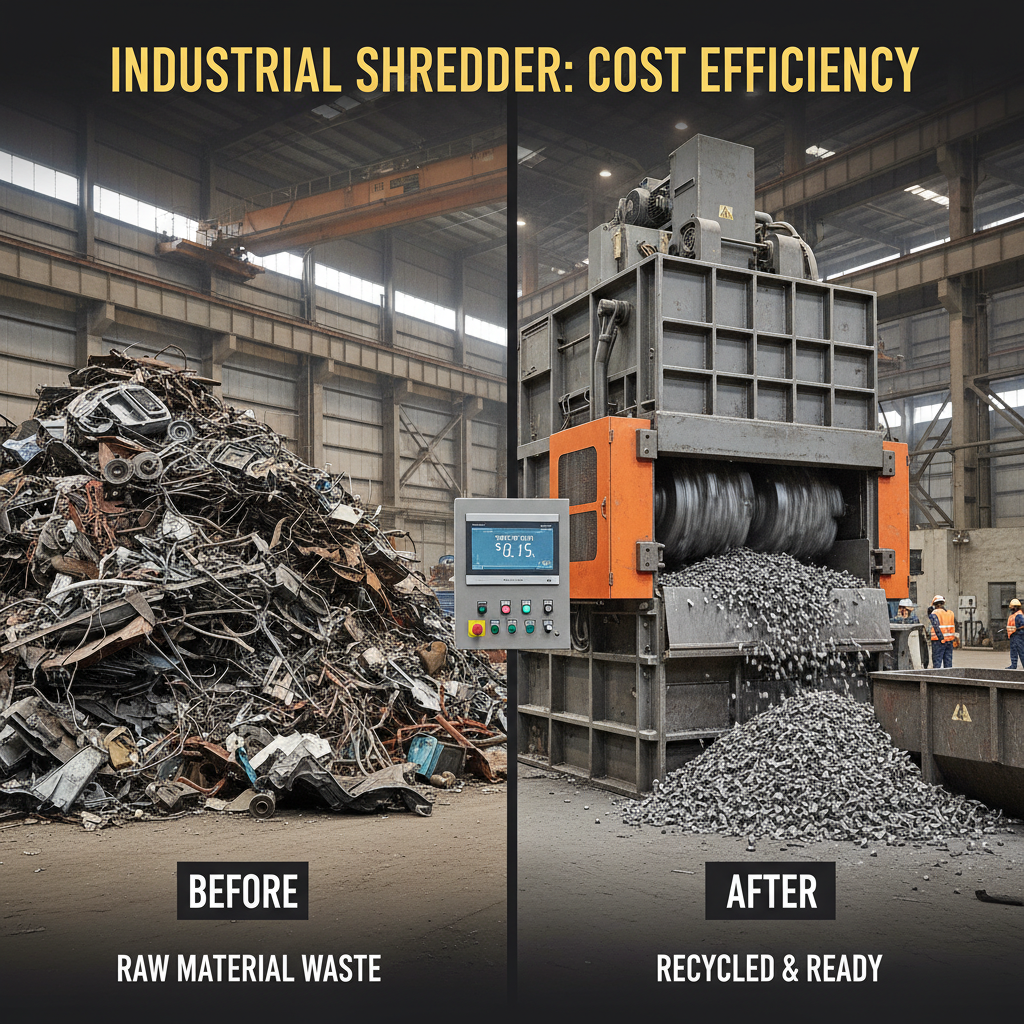
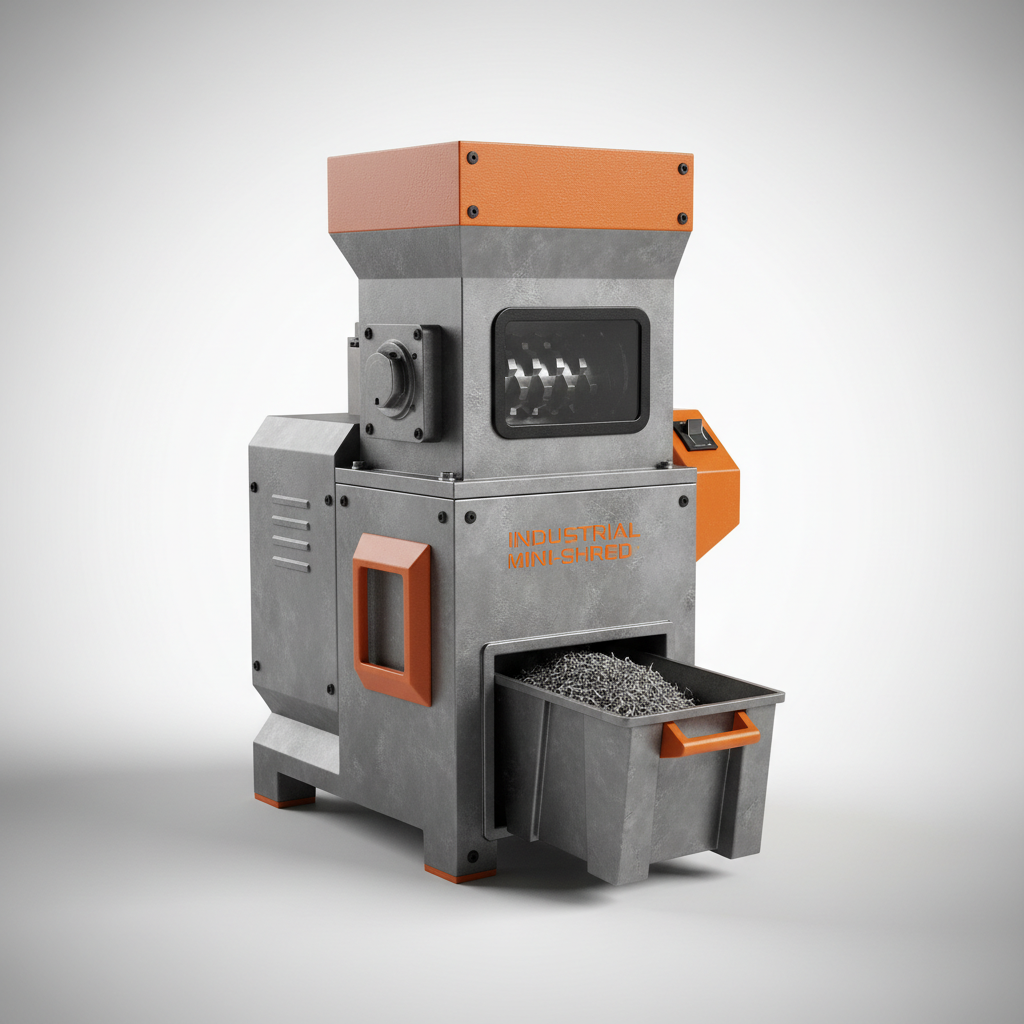
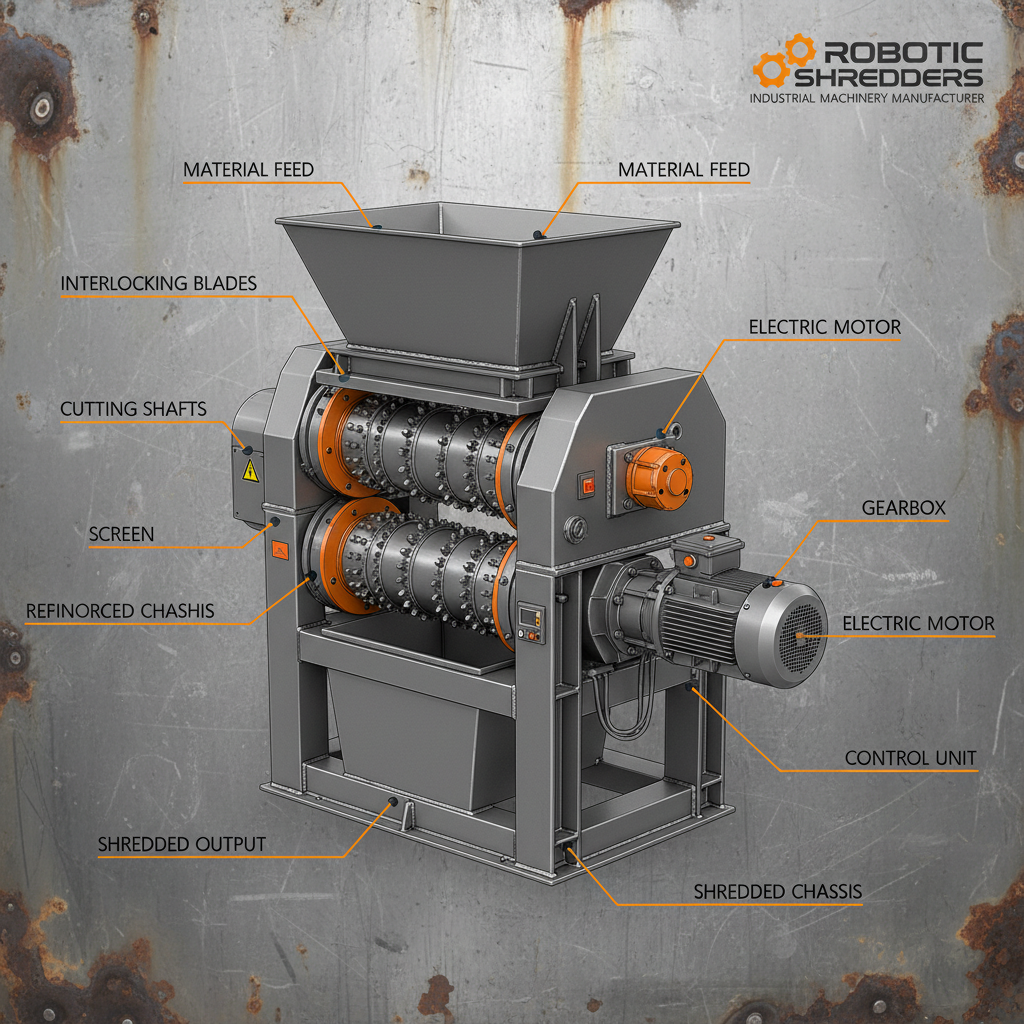
Understanding industrial shredder price is crucial in today’s increasingly resource-conscious world. The efficient reduction of waste materials, whether from manufacturing, recycling operations, or end-of-life product dismantling, demands reliable and cost-effective shredding solutions. Accurate knowledge of these prices, coupled with an understanding of influencing factors, enables businesses and organizations to make informed investment decisions that optimize their waste management processes and contribute to a circular economy.
Globally, the demand for industrial shredders continues to rise, driven by stricter environmental regulations and a growing awareness of sustainable practices. According to the UN Environment Programme, global waste generation is projected to increase by 70% by 2050 unless drastic changes are made. This escalating waste stream necessitates robust and scalable shredding infrastructure. Furthermore, the World Bank estimates that effective waste management systems can reduce greenhouse gas emissions by up to 15%. Understanding industrial shredder price is therefore directly linked to achieving these global sustainability goals.
Ultimately, the selection of an appropriate industrial shredder – and comprehending its associated costs – impacts operational efficiency, environmental compliance, and long-term profitability. Choosing the right equipment based on volume, material type, and budget is critical for optimizing waste processing, maximizing resource recovery, and minimizing environmental impact. Therefore, a thorough examination of the industrial shredder price landscape is essential.
Defining Industrial Shredder Price
Industrial shredder price refers to the total cost associated with acquiring, installing, and operating a machine designed to reduce the volume and size of materials through cutting, tearing, or grinding. This isn’t solely the initial purchase cost; it encompasses factors like maintenance, energy consumption, spare parts, and potential downtime. A comprehensive assessment of the price requires consideration of the shredder's capacity, type, and intended application.
This concept is intrinsically linked to modern industrial processes and humanitarian efforts. From efficient recycling of plastics and metals to the secure destruction of confidential documents, industrial shredders play a pivotal role in resource management and data security. In disaster relief scenarios, they can quickly process debris, clearing pathways and aiding in the recovery process, highlighting their importance beyond purely economic considerations.
The Significance of Industrial Shredder Price
The industrial shredder price isn't simply a number; it’s a key indicator of the total cost of ownership. A low initial price may be appealing, but hidden costs associated with frequent repairs, high energy consumption, or limited capacity can quickly erode any perceived savings. Conversely, a higher upfront investment in a durable, energy-efficient machine can yield substantial long-term benefits, including reduced operating expenses and increased uptime.
Effective cost management through shrewd shredder selection impacts profitability directly. For recycling facilities, the price of the shredder influences the cost per ton of processed material, affecting competitiveness. For security companies, it determines the cost of data destruction services, impacting pricing structures and client acquisition. For manufacturers, it impacts waste disposal costs and potential revenue from scrap material resale. Therefore, understanding the nuances of industrial shredder price is paramount.
The relevance extends to environmental responsibility. A correctly sized and maintained shredder ensures optimal material reduction, maximizing recycling efficiency and minimizing landfill waste, aligning with increasing sustainability standards.
Core Components Influencing Industrial Shredder Price
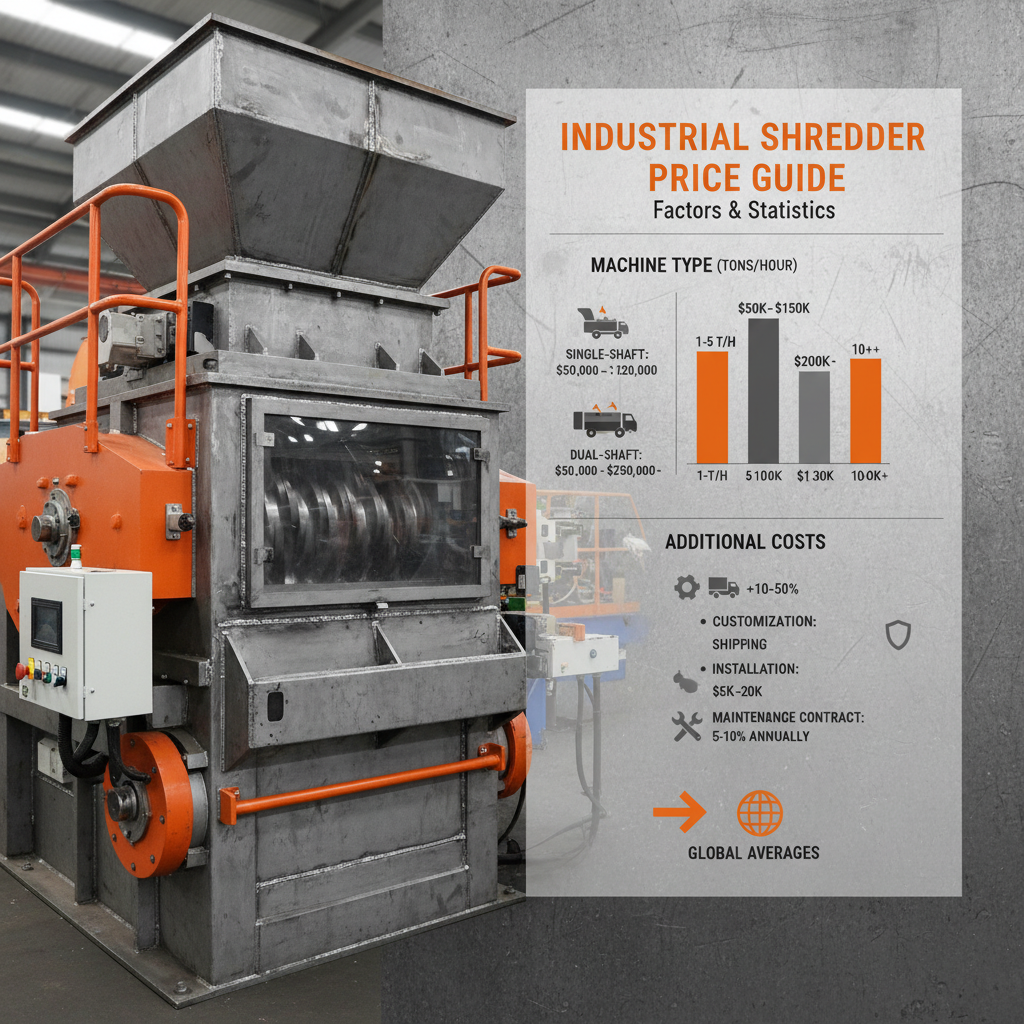
Several key factors contribute to the variation in industrial shredder price. Firstly, the type of shredder – including single-shaft, dual-shaft, four-shaft, and granulator models – significantly impacts cost. Single-shaft shredders, commonly used for large, bulky materials, tend to be more expensive than four-shaft models designed for lighter materials. Secondly, capacity plays a crucial role; higher capacity machines command a premium price due to increased engineering complexity and robust construction.
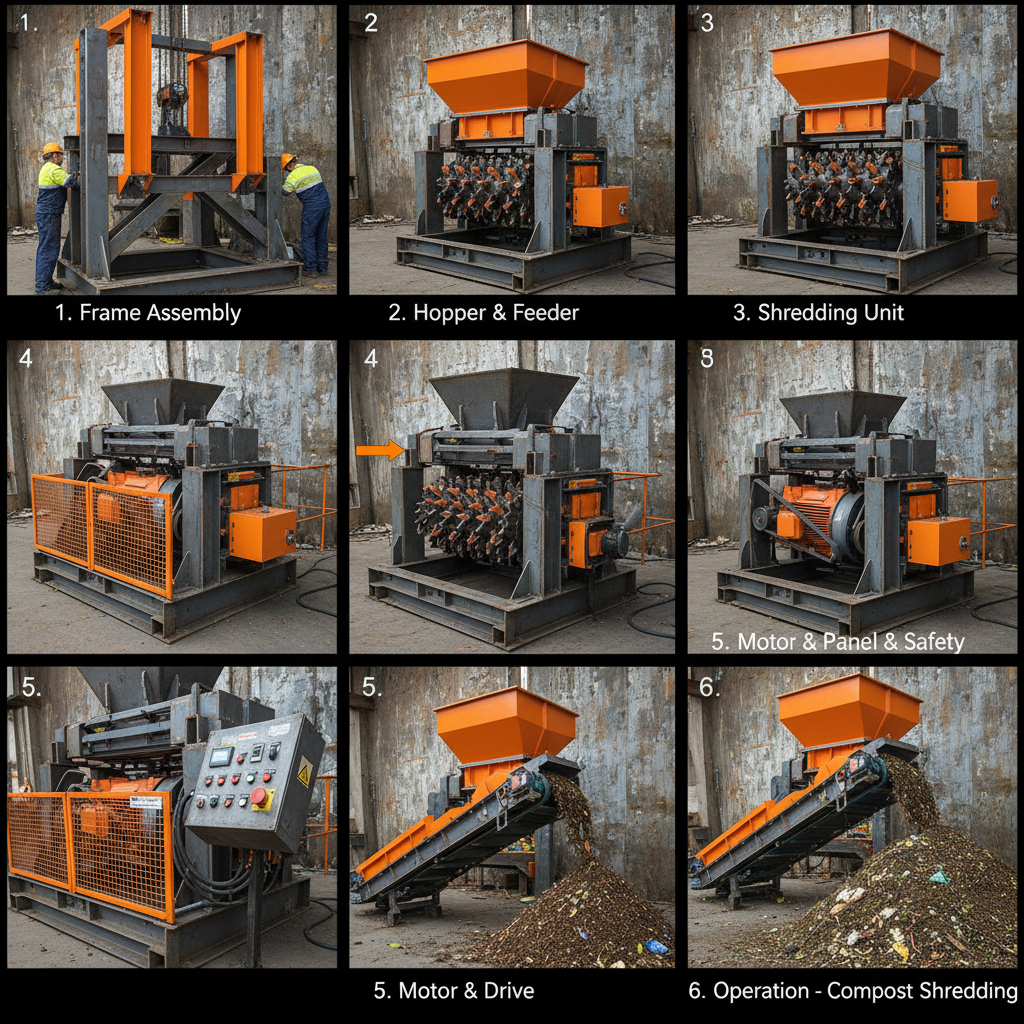
Thirdly, material of construction directly affects durability and, consequently, price. Shredders built with hardened steel alloys are more resistant to wear and tear, resulting in a higher upfront investment but potentially lower long-term maintenance costs. Fourthly, automation features – such as automated feeding systems, self-cleaning mechanisms, and remote monitoring capabilities – add to the overall cost, but can improve efficiency and reduce labor requirements.
Finally, manufacturer reputation and after-sales service also impact pricing. Established manufacturers often charge a premium for their brand recognition, quality assurance, and comprehensive support networks. However, the availability of readily available spare parts and competent technicians can be invaluable, minimizing downtime and maximizing the return on investment.
Applications of Industrial Shredders & Price Variations
The industrial shredder price varies considerably based on the application. Shredders used in the plastic recycling industry, which often handle contaminated materials, require robust construction and specialized cutting knives, leading to higher prices. Similarly, shredders designed for tire recycling demand extremely durable components to withstand the abrasive nature of rubber and steel belts.
In the confidential document destruction (CDD) sector, security features and precise shredding capabilities are paramount, influencing price. These shredders often adhere to stringent data security standards like DIN 66399. In wood processing, the price may be lower as wood is typically a less abrasive material than plastics or tires.
Geographically, industrial shredder price can fluctuate due to transportation costs, import duties, and regional demand. For example, shredders purchased in North America may have different prices compared to those sourced from Europe or Asia.
Industrial Shredder Price Comparison by Application
Advantages & Long-Term Value of Strategic Shredder Investments
Investing in a well-chosen industrial shredder offers numerous advantages beyond simply reducing waste volume. A durable and efficient machine translates to lower operating costs – reduced energy consumption, fewer repairs, and minimized downtime. This directly impacts profitability, especially for businesses involved in high-volume recycling or waste processing.
Furthermore, responsible waste management, facilitated by reliable shredding, enhances a company's environmental reputation, attracting environmentally conscious customers and investors. The long-term value extends to increased resource recovery, enabling the reuse of valuable materials and contributing to a circular economy.
Future Trends and Innovations in Shredder Technology
The future of industrial shredding is focused on increased automation, enhanced efficiency, and greater sustainability. We are seeing a rise in “smart shredders” equipped with sensors, data analytics, and remote monitoring capabilities, allowing for predictive maintenance and optimized performance.
Another key trend is the development of shredders capable of processing increasingly complex materials, including composite materials and electronic waste. Innovations in cutting knife designs and motor technology are driving improvements in shredding speed, energy efficiency, and noise reduction.
Challenges & Solutions in Determining Optimal Industrial Shredder Price
One of the primary challenges in determining the optimal industrial shredder price is accurately assessing future material stream composition. Changes in product design, packaging materials, and recycling regulations can necessitate adjustments to shredding capacity and capabilities.
To address this, conducting thorough waste stream analyses and consulting with experienced shredder manufacturers are crucial. Another challenge is balancing upfront investment with long-term operating costs. A life-cycle cost analysis, considering factors like energy consumption, maintenance, and spare parts, can provide a more holistic picture of the true cost of ownership.
Finally, navigating the complexities of financing and leasing options requires careful evaluation to secure the most favorable terms and minimize financial risk.
Analysis of Factors Affecting Industrial Shredder Price
| Shredder Type |
Material Composition |
Automation Level |
Long-Term Cost Impact |
| Single-Shaft |
Bulky Plastics |
Basic Controls |
Moderate |
| Dual-Shaft |
Mixed Paper & Cardboard |
Semi-Automated |
Low-Moderate |
| Four-Shaft |
Lightweight Films |
Manual Operation |
Low |
| Granulator |
Rigid Plastics |
Fully Automated |
High |
| Specialized Tire Shredder |
Tire Materials (Rubber, Steel) |
Semi-Automated with Dust Control |
Very High |
| Security Shredder (CDD) |
Confidential Documents |
Fully Automated with Data Security Features |
Moderate-High |
FAQS
The biggest drivers of industrial shredder price include the shredder type (single, dual, four-shaft, granulator), its capacity (throughput rate), the materials it’s designed to process (plastics, tires, paper, etc.), the level of automation, and the quality of the components used. Durable construction with hardened steel will generally increase the initial cost but can reduce long-term maintenance expenses. Geographic location and shipping costs also play a role.
Generally, a higher shredder capacity translates to a higher price. This is because larger capacity machines require more robust construction, powerful motors, and sophisticated control systems. However, it’s crucial to consider the volume of material you’ll be processing. Investing in a larger capacity shredder than you need can lead to unnecessary costs, while undersizing it can create bottlenecks and reduce efficiency.
A well-maintained industrial shredder typically has a lifespan of 10-20 years, depending on usage and the types of materials processed. A longer lifespan justifies a higher initial investment, as it translates to a lower cost per ton of material processed over the machine’s lifetime. Regular maintenance, including knife sharpening and component replacement, is essential to maximize lifespan and maintain optimal performance.
Yes, there are several hidden costs to consider. These include installation costs, ongoing maintenance and repair expenses, energy consumption, spare parts replacement, operator training, and potential downtime. It’s essential to factor these costs into your overall budget when evaluating different shredder options. A life-cycle cost analysis can provide a comprehensive view of the total cost of ownership.
Determining the right shredder size and type requires a thorough assessment of your material stream, processing volume, and desired output size. Conducting a waste stream analysis is crucial to identify the types of materials you’ll be shredding and their characteristics. Consulting with experienced shredder manufacturers can provide valuable insights and recommendations tailored to your specific requirements.
Several financing options are available, including traditional bank loans, equipment leasing, and manufacturer financing. Leasing can be an attractive option for businesses that want to conserve capital or avoid long-term debt. Manufacturer financing often offers competitive rates and customized payment plans. It's crucial to compare different financing options to find the best fit for your budget and financial situation.
Conclusion
In conclusion, understanding industrial shredder price requires a holistic approach that considers not just the initial purchase cost, but also long-term operating expenses, material characteristics, and application-specific requirements. Strategic investment in a durable, efficient, and appropriately sized shredder can significantly reduce waste management costs, enhance sustainability, and improve overall profitability.
Looking ahead, advancements in automation and data analytics will continue to drive innovation in shredder technology, offering even greater efficiency and cost savings. By staying informed about these trends and conducting thorough due diligence, businesses and organizations can ensure they are making informed decisions that optimize their waste processing operations and contribute to a more sustainable future. Visit our website at www.owrecycling.com for more information.