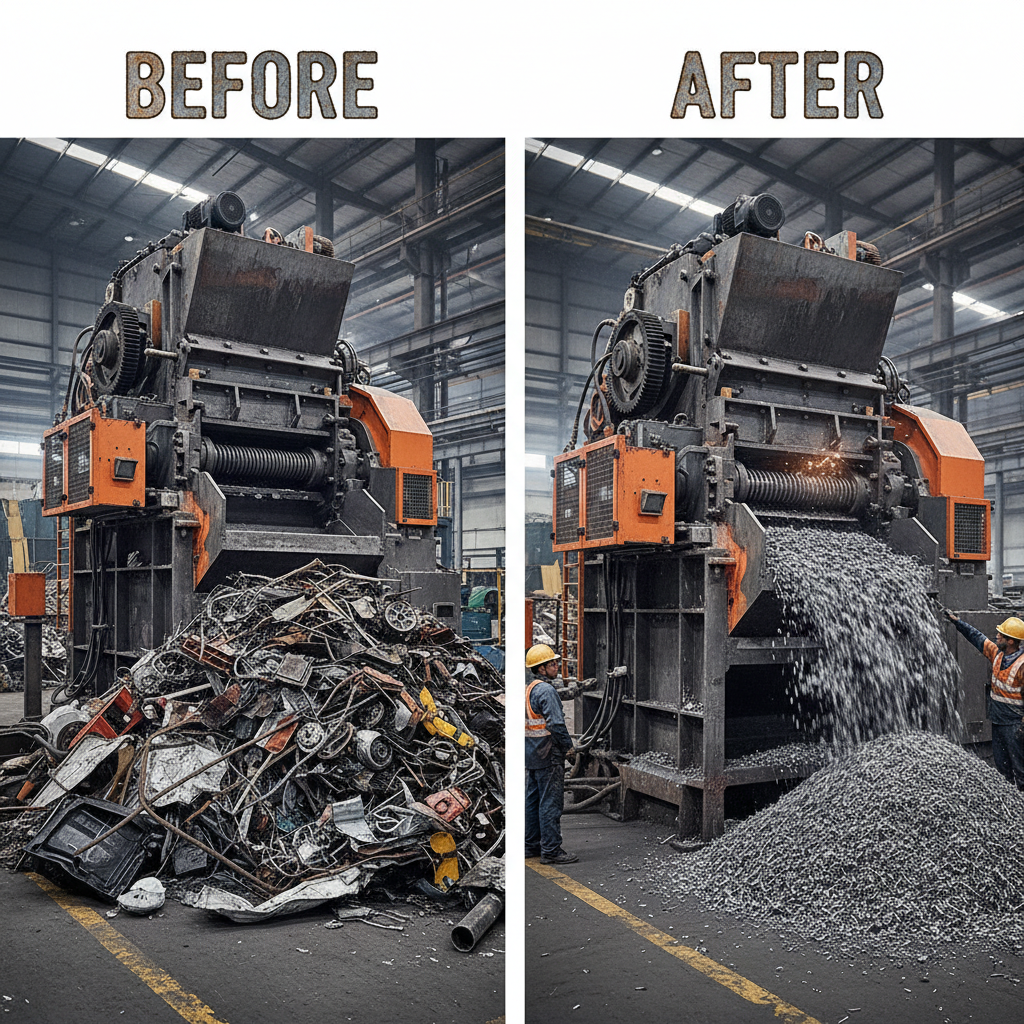
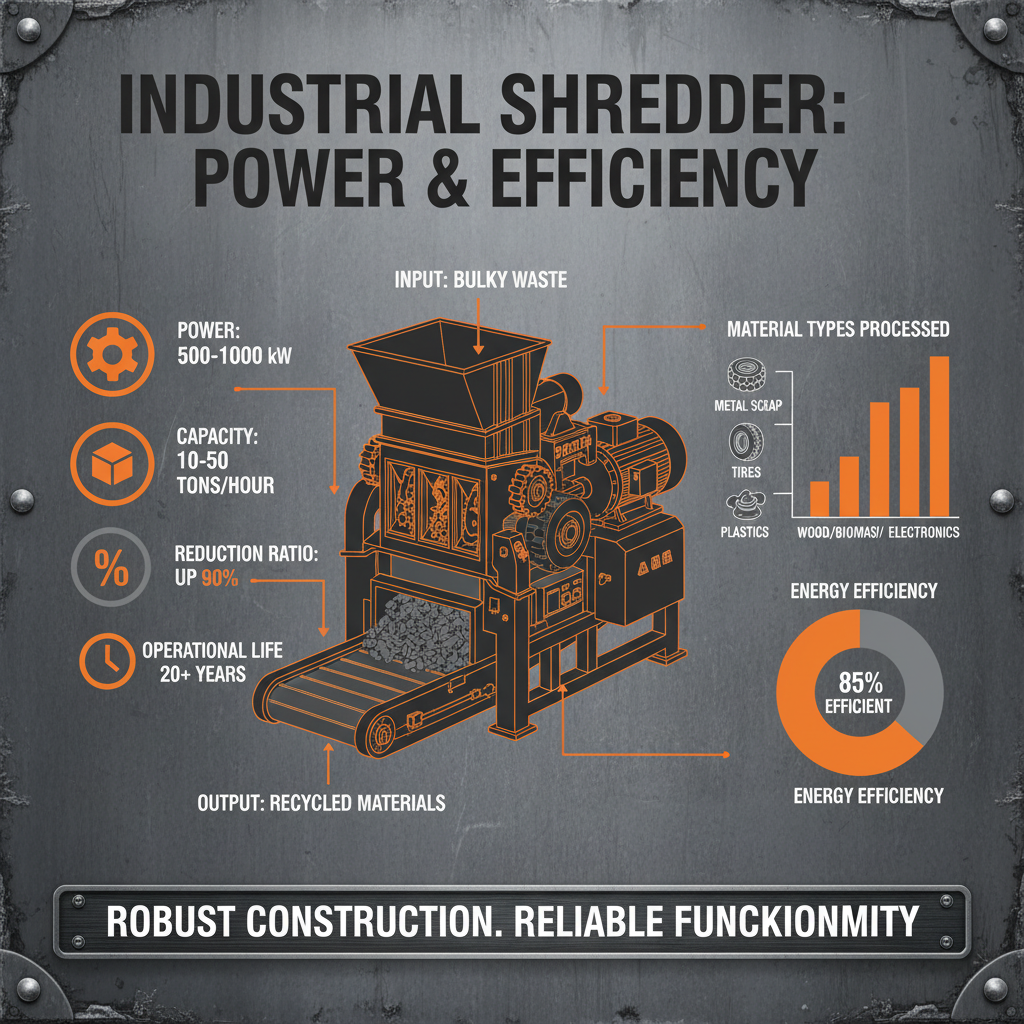
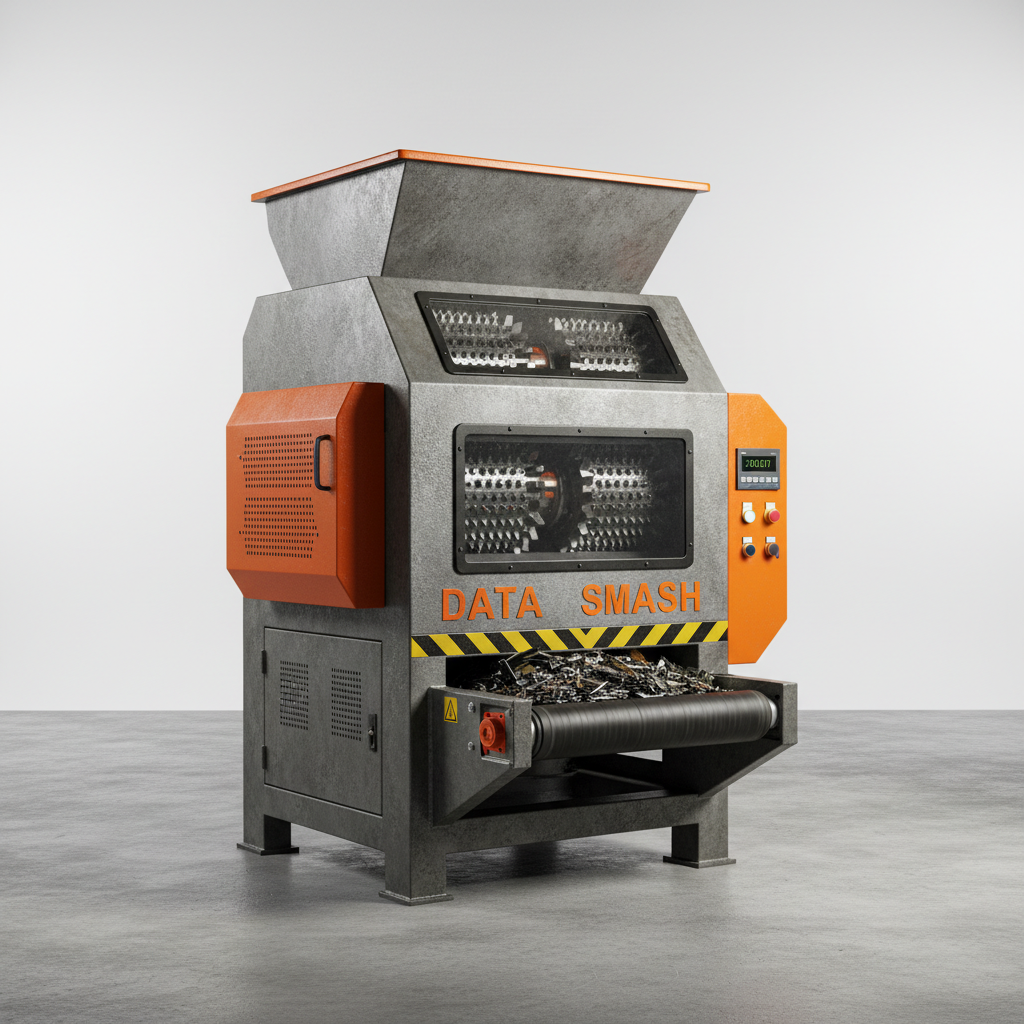
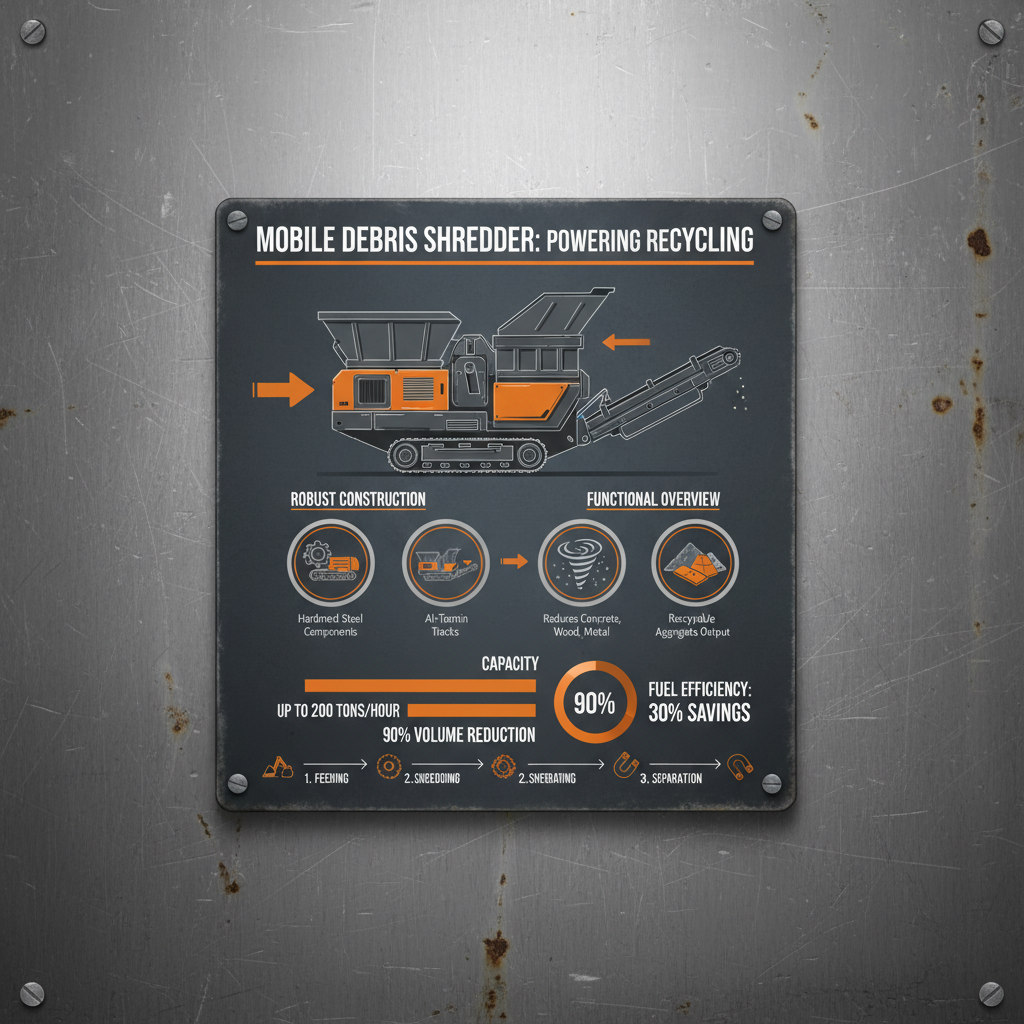
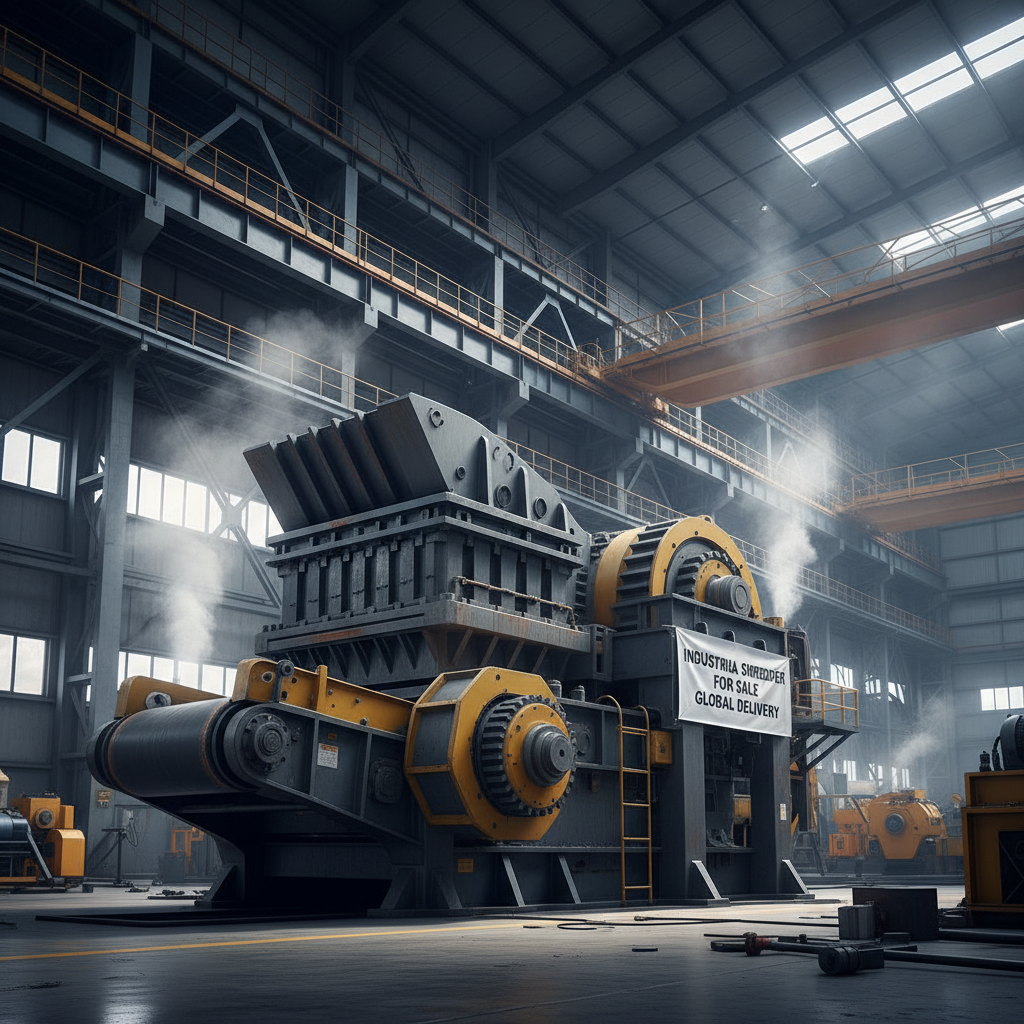
Industrial shredder machines are integral to modern waste management and material recycling across a multitude of industries. These robust machines efficiently reduce the volume of waste materials, converting them into manageable forms for further processing, disposal, or repurposing. The increasing global focus on sustainability and circular economy principles has driven significant demand for effective and reliable industrial shredder machine solutions.
The global market for industrial shredders is experiencing substantial growth, fueled by stricter environmental regulations, rising waste generation rates, and the growing need for resource recovery. According to a report by Grand View Research, the global industrial shredder market size was valued at USD 2.8 billion in 2022 and is projected to reach USD 4.1 billion by 2030, exhibiting a CAGR of 4.8% from 2023 to 2030. This expansion underscores the crucial role of the industrial shredder machine in addressing complex waste challenges.
Understanding the capabilities and applications of an industrial shredder machine is vital for businesses and organizations seeking to optimize their waste management processes, minimize environmental impact, and unlock economic opportunities through material recovery. Investing in the right shredding technology can translate into significant cost savings, enhanced operational efficiency, and a stronger commitment to corporate social responsibility.
Introduction to industrial shredder machine
An industrial shredder machine is a powerful piece of equipment designed to reduce the size of various materials, ranging from plastics and paper to metals and wood. These machines play a vital role in numerous industries, facilitating efficient waste processing, recycling efforts, and material recovery. The ability to handle a wide variety of materials makes them essential for responsible resource management.
The efficiency of an industrial shredder machine isn't merely about size reduction; it’s about preparing materials for subsequent processes. Shredded materials are easier to transport, store, and process, significantly reducing logistical costs and streamlining operational workflows. This impacts not only cost but also environmental sustainability through reduced transportation emissions.
Defining the industrial shredder machine
In its simplest form, an industrial shredder machine is a mechanical device that utilizes rotating cutting blades or hammers to tear apart materials. However, modern industrial shredders are highly sophisticated systems, often incorporating advanced features like automated controls, safety mechanisms, and specialized rotor designs to optimize performance for specific materials. They differ significantly from home or office shredders in terms of capacity, durability, and the types of materials they can handle.
The connection between industrial shredder machine technology and modern industry is profound. These machines enable a circular economy by facilitating the recycling of materials that would otherwise end up in landfills. From the automotive industry recycling end-of-life vehicles to the plastic industry reprocessing post-consumer waste, shredders are critical to the recovery and reuse of valuable resources.
Moreover, the humanitarian applications are noteworthy. In disaster relief situations, shredders can efficiently process debris, clearing pathways and providing materials for temporary shelters. They also play a role in secure document destruction, protecting sensitive information and ensuring data privacy.
Core Components and Operational Factors
Several key factors contribute to the performance and reliability of an industrial shredder machine. Durability is paramount, as these machines are often subjected to harsh operating conditions and abrasive materials. High-quality steel construction and robust components are essential for longevity.
Scalability is another critical aspect. Different industries have varying waste volumes and material characteristics, requiring shredders of different sizes and capacities. A successful industrial shredder machine can be adapted to meet changing needs, ensuring long-term usability and return on investment.
Cost Efficiency, including both initial investment and ongoing maintenance, is always a consideration. While higher-end models may have a greater upfront cost, they often offer lower lifecycle costs due to increased reliability and reduced downtime. Energy Efficiency is also a growing concern, with manufacturers developing shredders that consume less power while maintaining optimal performance. Finally, Safety Features, such as emergency stops and interlocks, are crucial to protect operators and prevent accidents.
Practical Applications Across Industries
The applications of an industrial shredder machine are remarkably diverse. In the plastics recycling industry, shredders are used to reduce plastic waste into flakes or granules for reprocessing into new products. The paper and cardboard recycling sector relies on shredders to prepare materials for pulping.
The automotive industry utilizes shredders to dismantle end-of-life vehicles, recovering valuable metals and reducing environmental pollution. The wood and biomass industry uses shredders to create wood chips for energy production or composite materials. In post-disaster relief operations, these machines quickly process debris, facilitating cleanup and recovery efforts.
Industrial Shredder Machine Performance Comparison
Advantages and Long-Term Value Proposition
Investing in an industrial shredder machine delivers numerous tangible benefits. Cost Reduction is a primary advantage, as shredding reduces waste volume, lowering disposal fees and transportation costs. Sustainability is enhanced through increased recycling rates and reduced landfill waste.
The social impact is also significant, as responsible waste management protects public health and the environment. From a logistical perspective, industrial shredder machines improve efficiency and streamline operations, enhancing overall productivity and reliability.
Future Trends and Technological Innovations
The future of industrial shredder machine technology is focused on automation, digitization, and sustainability. Smart shredders equipped with sensors and data analytics will optimize performance, predict maintenance needs, and improve operational efficiency. Integration with AI and machine learning will enable automated material sorting and recognition.
The development of more energy-efficient shredders and the use of sustainable materials in their construction are also key trends. Furthermore, advancements in rotor design and cutting technology will allow shredders to handle an even wider range of materials with greater precision and effectiveness.
Challenges and Sustainable Solutions
Despite their benefits, industrial shredder machine operation faces challenges. Material jams and downtime can disrupt operations, leading to production losses. Noise pollution is another concern, requiring noise reduction measures. Safety risks associated with operating heavy machinery need to be addressed through comprehensive training and safety protocols.
To overcome these challenges, manufacturers are developing self-clearing shredders, incorporating noise dampening technologies, and implementing advanced safety features. Regular maintenance, operator training, and the adoption of best practices are also crucial for ensuring safe and efficient operation.
Investing in shredders that are designed for specific material types and applications can also mitigate these issues. Furthermore, exploring alternative shredding methods, such as cryogenic shredding for difficult-to-process materials, can expand the versatility and effectiveness of waste processing operations.
Summary of Challenges and Solutions for Industrial Shredder Machines
| Challenge |
Impact on Operation |
Proposed Solution |
Implementation Cost (1-10) |
| Material Jams |
Production Downtime, Increased Labor Costs |
Self-Clearing Rotor Design, Optimized Material Feed |
6 |
| Noise Pollution |
Worker Health & Safety Concerns, Community Complaints |
Acoustic Enclosures, Vibration Dampening |
7 |
| Operator Safety |
Potential for Injuries, Legal Liabilities |
Emergency Stop Systems, Safety Training |
4 |
| Energy Consumption |
High Operating Costs, Environmental Impact |
Energy-Efficient Motors, Optimized Shredding Parameters |
5 |
| Limited Material Versatility |
Inability to Process Certain Waste Streams |
Cryogenic Shredding, Interchangeable Rotor Systems |
8 |
| Maintenance Requirements |
Downtime for Repairs, Replacement of Worn Parts |
Preventative Maintenance Schedules, Durable Component Selection |
5 |
FAQS
Industrial shredder machines are remarkably versatile, handling a wide range of materials including plastics (rigid and film), paper, cardboard, wood, metals (light and heavy), tires, and electronic waste. The specific materials a shredder can process depend on its design, rotor type, and blade configuration. Specialized shredders exist for particularly challenging materials like reinforced concrete or confidential documents, utilizing different shredding mechanisms for optimal performance. Selecting the right shredder for the intended application is crucial for efficiency and longevity.
Safety is paramount when operating an industrial shredder machine. Operators must undergo comprehensive training on machine operation, safety protocols, and emergency procedures. Essential safety features include emergency stop buttons, interlocks that prevent operation when guards are open, and proper guarding to prevent contact with moving parts. Personal protective equipment (PPE), such as safety glasses, gloves, and hearing protection, is also mandatory. Regular inspections and maintenance are crucial for identifying and addressing potential safety hazards.
The maintenance frequency depends on usage, material type, and machine design. However, a regular preventative maintenance schedule is essential for maximizing uptime and prolonging machine life. This typically includes daily inspections for wear and tear, monthly lubrication of moving parts, and annual inspections of critical components like rotors and blades. Replacing worn blades and repairing any damaged parts promptly is crucial for maintaining optimal performance and preventing costly breakdowns.
With proper maintenance and operation, an industrial shredder machine can have a lifespan of 10-20 years or even longer. The lifespan is influenced by the quality of construction, the materials processed, and the frequency of use. Investing in a high-quality shredder from a reputable manufacturer, coupled with a diligent maintenance program, is key to achieving maximum longevity. Regular component replacements, such as blades and bearings, will also contribute to extending the machine's service life.
Single-shaft shredders utilize a single rotating rotor with cutting blades that shear material against a stationary counter-knife. They are ideal for processing long, stringy materials like tires, textiles, and wood. Two-shaft shredders employ two intermeshing rotors that tear and shear material between them, making them suitable for processing a wider variety of materials, including plastics, paper, and metal. The choice depends on the specific application and the type of materials being processed.
Industrial shredder machines are a fundamental component of the circular economy by enabling the efficient processing of waste materials into reusable resources. By reducing waste volume and preparing materials for recycling, they close the loop on material flows, reducing the need for virgin resources and minimizing landfill waste. This promotes sustainable manufacturing practices, conserves natural resources, and reduces environmental pollution. Investing in shredding technology is a tangible step towards a more circular and sustainable future.
Conclusion
In conclusion, industrial shredder machine technology plays an indispensable role in modern waste management, recycling, and resource recovery. These machines provide a cost-effective, sustainable, and efficient solution for processing a wide range of materials, contributing to a circular economy and protecting the environment. Their versatility and scalability make them essential for a diverse range of industries.
Looking ahead, continued innovation in shredder technology, including automation, digitization, and energy efficiency improvements, will further enhance their capabilities and benefits. By embracing these advancements and prioritizing safety and sustainability, we can unlock the full potential of industrial shredder machine and build a more resilient and resource-efficient future.