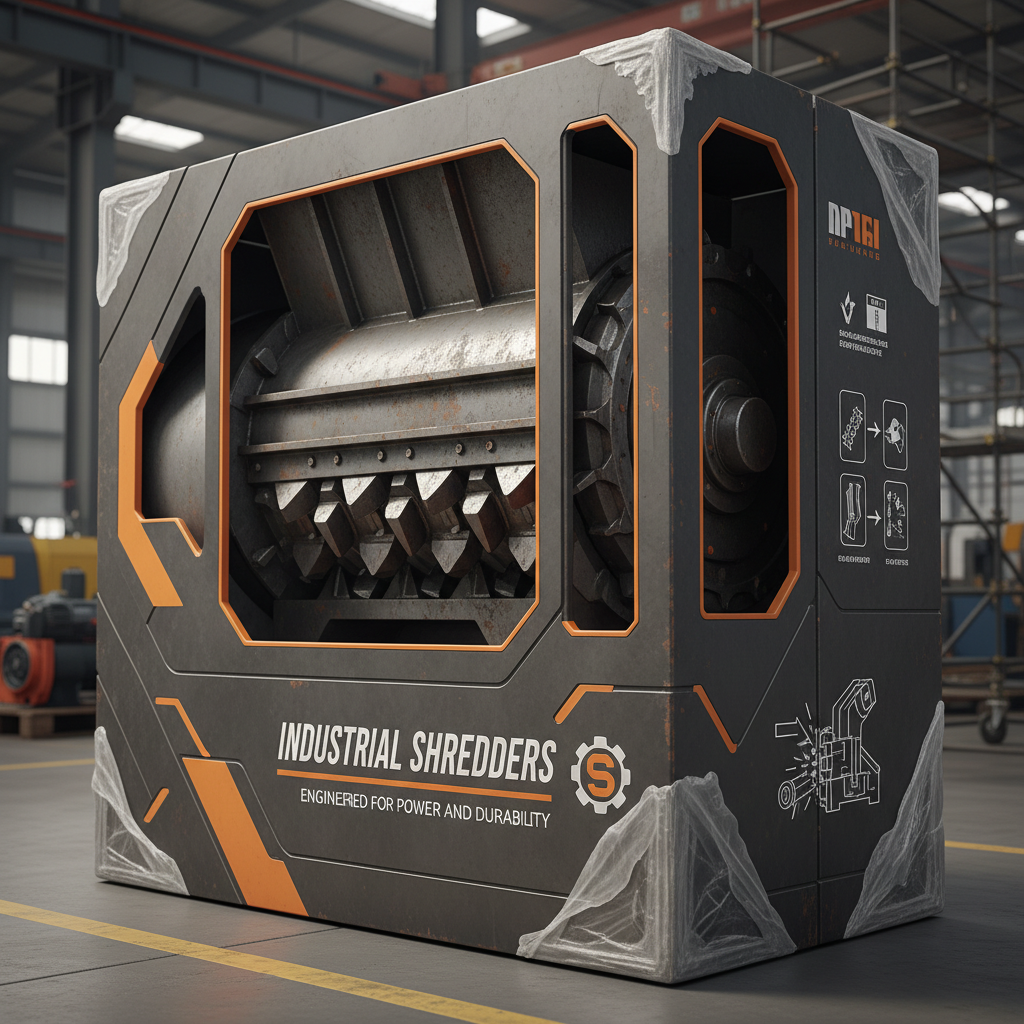
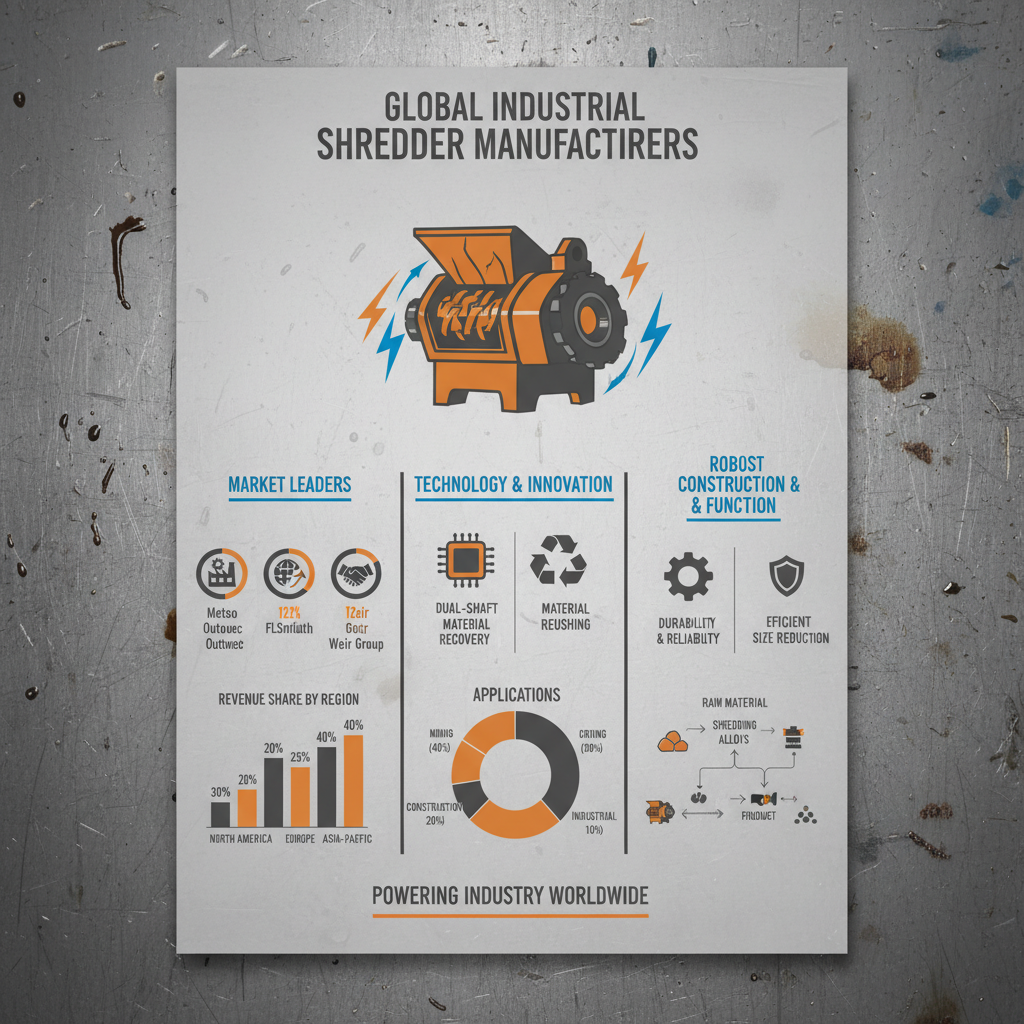
Industrial shredder manufacturers play a critical role in modern waste management and material processing. From recycling facilities to secure data destruction services, these manufacturers are at the forefront of transforming waste streams into valuable resources. The global demand for efficient and reliable shredding solutions is steadily increasing, driven by factors like growing populations, stringent environmental regulations, and the need for enhanced security protocols. Understanding the nuances of industrial shredder technology and the leading manufacturers is crucial for businesses aiming to optimize their operations and contribute to a circular economy.
The impact of industrial shredder manufacturers extends far beyond simple waste disposal. They facilitate resource recovery, reduce landfill waste, and enable the reuse of materials, contributing to sustainable practices. The quality and efficiency of shredders directly influence the effectiveness of recycling processes, impacting the availability of secondary raw materials. Moreover, specialized shredders are vital for securely destroying sensitive information, safeguarding against data breaches and protecting privacy. Selecting the right manufacturer and technology is paramount for achieving these critical outcomes.
As industries evolve, so too does the need for advanced shredding solutions. From handling complex materials like electronic waste to processing large volumes of industrial scrap, industrial shredder manufacturers are constantly innovating to meet these challenges. This dynamic landscape demands a commitment to research and development, a focus on robust engineering, and a dedication to providing tailored solutions for diverse applications.
Introduction to Industrial Shredder Manufacturers
The landscape of industrial shredder manufacturers is incredibly diverse, ranging from specialized companies focusing on niche applications to large-scale producers offering a broad spectrum of solutions. These manufacturers are essential for industries generating substantial waste streams or requiring secure destruction of sensitive materials. Their innovations are directly tied to the advancement of recycling, resource management, and data security protocols globally.
Selecting a reputable industrial shredder manufacturer isn’t solely about acquiring a machine; it's about forming a partnership built on trust, technical expertise, and a commitment to long-term support. Factors such as blade material, motor power, safety features, and maintenance requirements must be carefully considered to ensure optimal performance and longevity.
Defining Industrial Shredder Manufacturers
Industrial shredder manufacturers are companies dedicated to the design, engineering, and production of robust machinery capable of reducing the volume of waste materials through cutting, crushing, or tearing. These machines are designed to handle a wide array of materials, including plastics, metals, paper, wood, electronics, and even confidential documents. Unlike smaller consumer shredders, industrial models are built for heavy-duty, continuous operation in demanding environments.
The connection to modern industry is undeniable. Manufacturers in the automotive, aerospace, construction, and electronics sectors heavily rely on shredders to manage scrap materials efficiently. In humanitarian contexts, mobile shredding units can be deployed for disaster relief efforts, quickly processing debris and creating space for recovery operations. This versatility highlights the essential role industrial shredder manufacturers play in supporting a broad range of needs.
Essentially, these manufacturers bridge the gap between waste generation and resource recovery, enabling a more sustainable and efficient industrial ecosystem. Their ability to adapt to evolving material compositions and regulatory requirements underscores their importance in a rapidly changing world.
Core Components of Industrial Shredders
Several key factors determine the overall performance and reliability of an industrial shredder. Durability is paramount, as these machines operate in harsh conditions and must withstand significant stress. High-quality steel alloys, reinforced bearings, and robust drive systems are crucial for minimizing downtime and extending the lifespan of the equipment.
Scalability is another critical aspect. Manufacturers offer a range of shredder sizes and capacities to accommodate varying throughput requirements. From compact units suitable for small workshops to large-scale systems designed for high-volume processing, the ability to scale operations is essential for adapting to changing business needs.
Cost efficiency extends beyond the initial purchase price. Factors such as energy consumption, maintenance requirements, and blade replacement costs all contribute to the overall lifecycle cost of ownership. Efficient motor designs, automated lubrication systems, and readily available spare parts can significantly reduce these expenses. Furthermore, the ability to recover valuable materials through effective shredding can generate revenue streams, offsetting operational costs.
Applications Across Diverse Industries
The applications of industrial shredders are remarkably diverse. In the plastics recycling industry, they are essential for reducing plastic waste into flakes or granules suitable for reprocessing. The paper and cardboard recycling sector relies on shredders to prepare materials for pulping. The metal recycling industry utilizes shredders to reduce scrap metal to a manageable size for smelting.
In post-disaster relief operations, mobile shredding units are deployed to process storm debris quickly and efficiently, creating space for recovery efforts. In remote industrial zones, shredders facilitate on-site waste management, reducing transportation costs and environmental impact. Secure data destruction services utilize specialized shredders to ensure the complete and irreversible destruction of confidential documents and electronic media.
The automotive industry benefits from shredders for processing end-of-life vehicles, recovering valuable metals and reducing landfill waste. The aerospace industry employs shredders for securely destroying obsolete or defective components. These examples demonstrate the wide-ranging applicability of industrial shredder manufacturers’ products.
Shredder Performance Metrics by Method
The Advantages of Advanced Shredding Technology
Investing in advanced shredding technology offers numerous tangible benefits. Reduced operating costs through energy efficiency and minimized maintenance requirements contribute to a faster return on investment. Improved safety features, such as automated shut-off systems and emergency stops, protect personnel and prevent accidents.
Beyond the economic and safety advantages, advanced shredding technology supports sustainability initiatives. By enabling efficient material recovery, it reduces landfill waste and promotes a circular economy. Moreover, secure data destruction capabilities enhance data privacy and compliance with regulatory requirements. Industrial shredder manufacturers are increasingly focusing on developing eco-friendly solutions that minimize environmental impact.
Future Trends in Industrial Shredding
The future of industrial shredding is poised for significant advancements. Automation and robotics are being integrated into shredding systems to enhance efficiency and reduce labor costs. The development of smart shredders equipped with sensors and data analytics capabilities will enable predictive maintenance and optimized performance.
There is also a growing focus on designing shredders capable of handling increasingly complex material streams, including composite materials and mixed waste. Sustainability will remain a key driver, with manufacturers exploring innovative blade materials and energy-efficient motor designs. Furthermore, the integration of digital technologies, such as IoT and cloud computing, will enable remote monitoring and control of shredding operations.
Overcoming Challenges in Shredder Implementation
Despite the numerous benefits, implementing industrial shredding systems can present certain challenges. Selecting the appropriate shredder for a specific application requires careful consideration of material characteristics, throughput requirements, and budget constraints. Proper installation and maintenance are crucial for ensuring optimal performance and preventing breakdowns.
Operator training is also essential for maximizing safety and efficiency. Addressing noise pollution and dust control can be challenging, particularly in densely populated areas. However, these challenges can be effectively mitigated through careful planning, expert consultation, and the selection of reliable industrial shredder manufacturers who provide comprehensive support services.
A key consideration is also the evolving regulatory landscape concerning waste management and data security. Staying abreast of these changes and ensuring compliance is paramount for maintaining operational efficiency and avoiding penalties.
Key Performance Indicators for Industrial Shredder Systems
| Shredder Type |
Material Throughput (tons/hr) |
Energy Consumption (kWh/ton) |
Maintenance Frequency (months) |
| Single-Shaft Shredder |
5-15 |
8-12 |
6 |
| Dual-Shaft Shredder |
3-10 |
6-10 |
9 |
| Granulator Shredder |
1-5 |
4-8 |
3 |
| Four-Shaft Shredder |
2-8 |
7-11 |
12 |
| Security Shredder (Data) |
0.5-3 |
10-15 |
6 |
| Industrial Wood Shredder |
8-20 |
9-14 |
8 |
FAQS
When selecting an industrial shredder, consider the type of material you'll be processing, the desired output size, throughput requirements, budget constraints, and available space. It’s also vital to evaluate the manufacturer's reputation, after-sales support, and the availability of spare parts. Selecting the wrong shredder can lead to inefficiencies, increased operating costs, and potential safety hazards.
Regular maintenance is crucial for extending the lifespan of your shredder and ensuring optimal performance. This typically includes daily inspections, lubrication of moving parts, blade sharpening or replacement, and periodic checks of the motor and drive system. Following the manufacturer’s recommended maintenance schedule is highly advisable.
Essential safety features include emergency stop buttons, safety guards, overload protection systems, and interlocks that prevent operation when guards are removed. Proper training for operators is also critical, emphasizing safe operating procedures and hazard awareness. Prioritizing safety minimizes the risk of accidents and injuries.
Variable speed control allows you to adjust the shredding speed based on the material being processed, optimizing performance and minimizing wear and tear. Slower speeds are ideal for delicate materials, while faster speeds are suitable for tougher materials. This flexibility enhances efficiency and extends the lifespan of the blades.
The disposal method for shredded material depends on the type of material and local regulations. Recyclable materials should be sent to appropriate recycling facilities. Non-recyclable materials may require landfill disposal or incineration. Securely shredded confidential documents are often handled by specialized waste management companies.
The lifespan of an industrial shredder varies depending on usage, maintenance, and the type of materials processed. With proper maintenance, a well-built industrial shredder can last for 10-20 years or even longer. Regular inspections and timely repairs are essential for maximizing its lifespan.
Conclusion
In conclusion, industrial shredder manufacturers are integral to modern waste management, resource recovery, and data security. The selection of appropriate shredding technology, coupled with diligent maintenance and adherence to safety protocols, yields significant economic, environmental, and societal benefits. From enhancing recycling rates to protecting sensitive information, these machines play a crucial role in building a more sustainable and secure future.
Looking ahead, continued innovation in automation, data analytics, and materials science will drive further advancements in shredding technology. Embracing these developments and partnering with reputable manufacturers will be essential for organizations seeking to optimize their operations and meet evolving challenges. To learn more about how our shredding solutions can benefit your business, visit our website: www.owrecycling.com.