The escalating global waste management challenge demands innovative solutions, and the mini industrial shredder emerges as a critical component in sustainable resource recovery. Increasingly, businesses and organizations are recognizing the limitations of traditional waste disposal methods and embracing compact, efficient shredding technology to handle diverse materials. This is not just an environmental imperative; it's an economic one, enabling resource reclamation and reducing landfill costs. Understanding the capabilities and applications of a mini industrial shredder is vital for anyone involved in recycling, waste processing, or material reduction initiatives.
Mini industrial shredders fill a crucial gap in the waste management landscape, offering a scalable and cost-effective alternative to large, stationary shredding facilities. They are particularly relevant in regions with limited infrastructure, remote locations, or specialized processing needs. According to the UN Environment Programme, global waste generation is projected to increase by 70% by 2050, emphasizing the urgent need for decentralized and adaptable waste reduction technologies. The compact nature of these shredders allows for on-site processing, minimizing transportation costs and environmental impact.
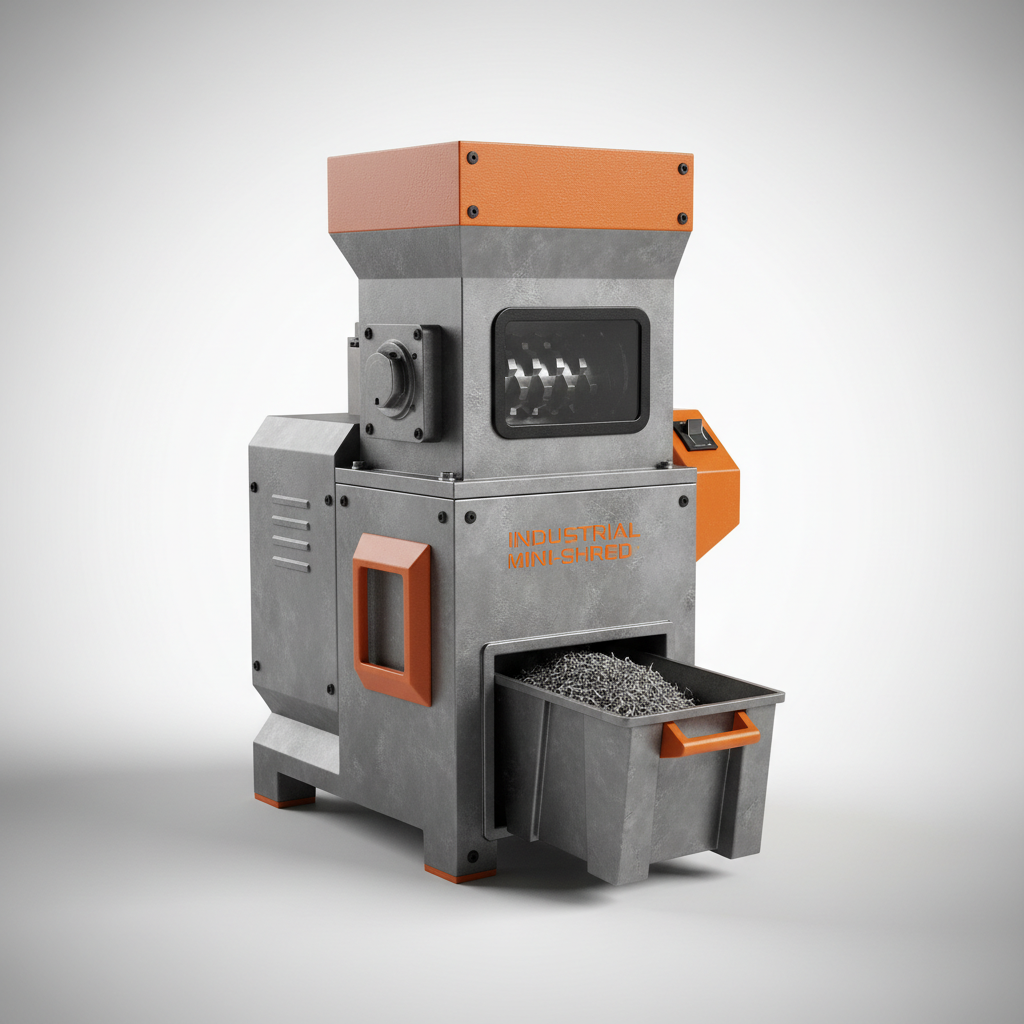
A mini industrial shredder is essentially a robust machine designed to reduce the volume of waste materials through cutting, tearing, and grinding. Unlike household shredders, these machines are built to handle tougher materials like plastics, metals, wood, and even electronic waste. They play a key role in modern industrial processes, aiding in material preparation for recycling, reducing raw material costs, and ensuring compliance with increasingly stringent environmental regulations. From small-scale recycling operations to specialized manufacturing processes, the versatility of the mini industrial shredder is becoming increasingly apparent.
Introduction to mini industrial shredder
The efficiency of waste processing often hinges on the initial size reduction of materials, and this is where a mini industrial shredder excels. These machines provide a crucial first step in turning waste streams into usable resources. Compared to larger industrial shredders, their smaller footprint and increased maneuverability make them ideal for facilities with space constraints or requiring mobile processing capabilities.
The growing demand for sustainable practices drives the need for adaptable and reliable waste reduction solutions, and the mini industrial shredder addresses this directly. From recycling centers and manufacturing facilities to secure data destruction services, these shredders are becoming indispensable tools. Investing in a mini industrial shredder isn't merely about handling waste; it's about embracing a circular economy and demonstrating a commitment to environmental responsibility.
Defining the Mini Industrial Shredder
A mini industrial shredder is a specialized piece of equipment designed to effectively reduce the size of a wide range of materials, including plastics, paper, wood, metals, and even certain electronic components. It distinguishes itself from consumer-grade shredders through its robust construction, higher processing capacity, and ability to handle denser, tougher materials. This makes them suitable for industrial and commercial applications requiring significant volume reduction and material preparation.
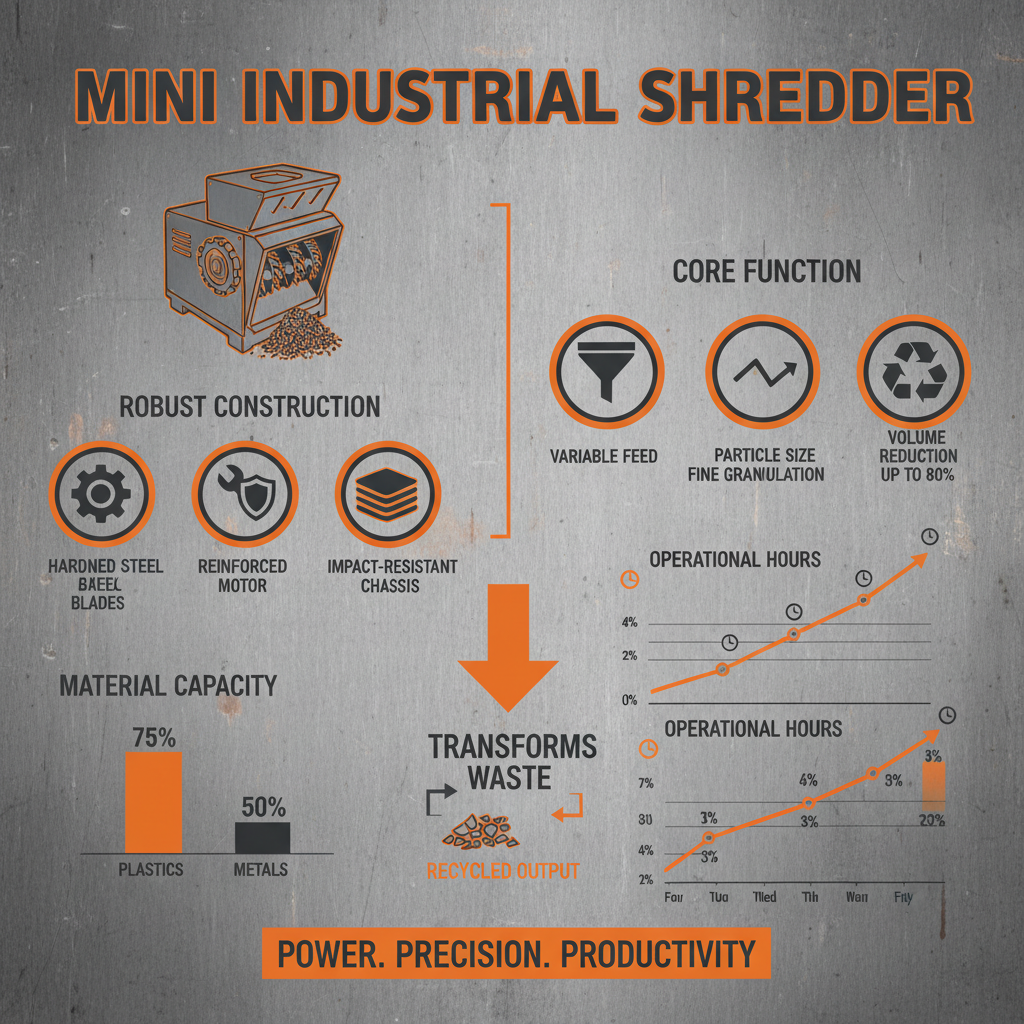
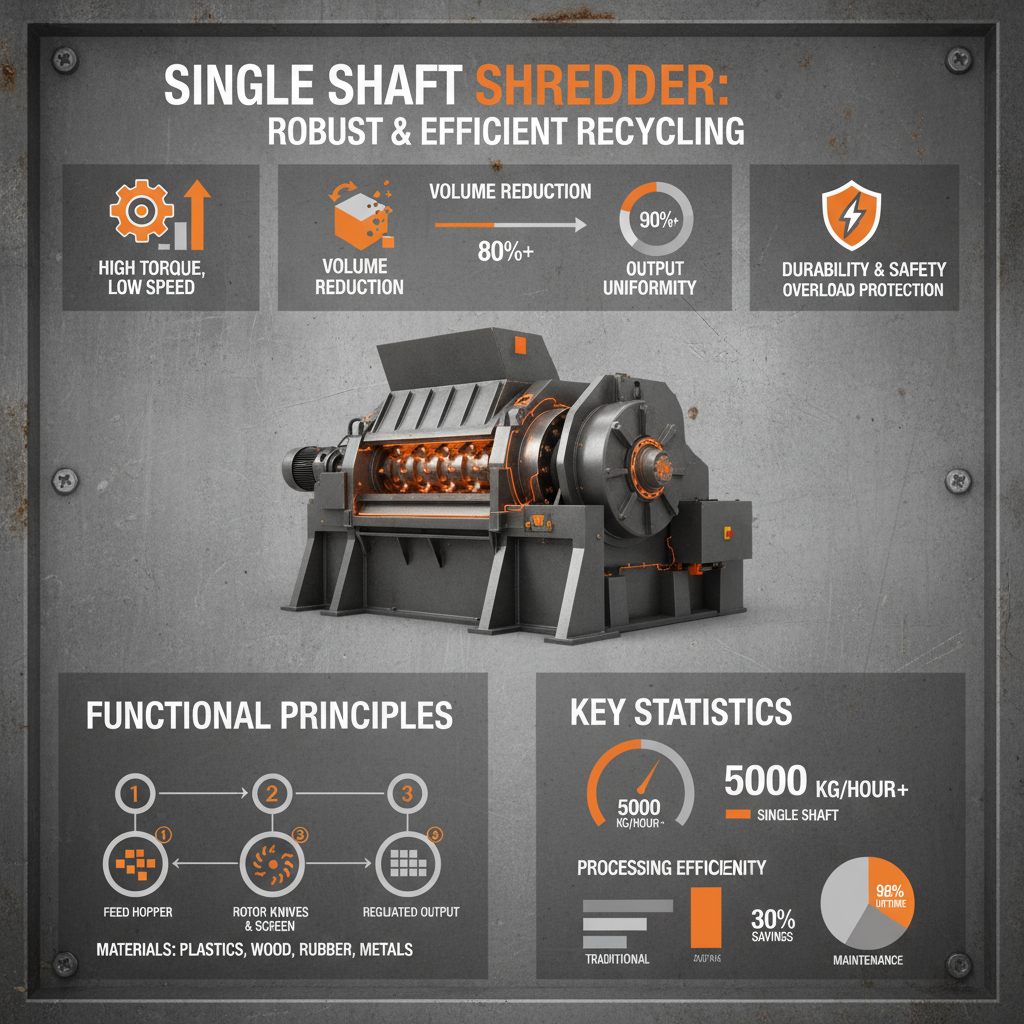
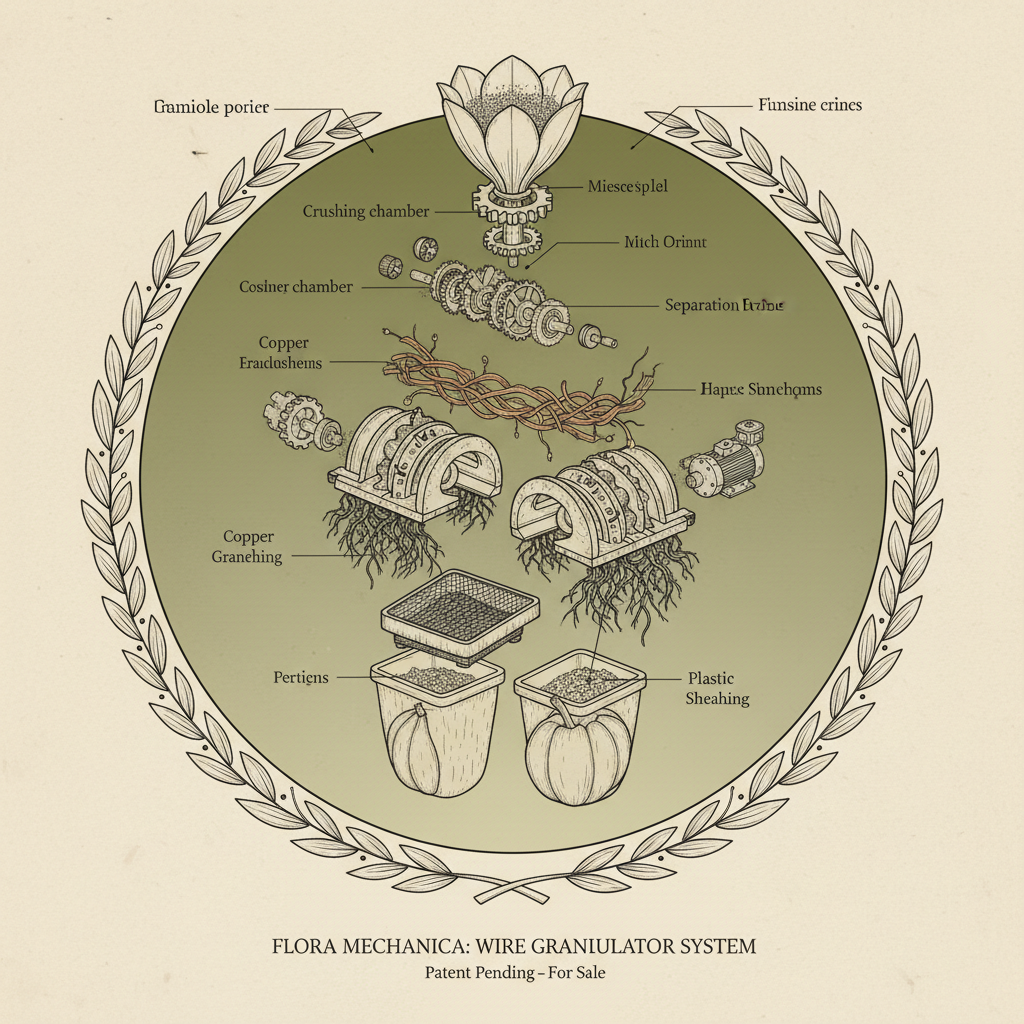
The core function of a mini industrial shredder is to transform bulky waste into manageable fragments, facilitating further processing such as recycling, incineration, or landfill disposal. The specific shredding mechanism can vary—including rotary, granulator, or single-shaft designs—depending on the type of material being processed and the desired output particle size. They are integral to the modern recycling infrastructure and play a significant role in material recovery efforts.
The modern mini industrial shredder is often seen as a core component in a closed-loop system, minimizing waste and maximizing resource utilization. It stands in contrast to outdated waste management practices and is gaining prominence as businesses prioritize sustainability and efficiency.
Core Components and Features
Durability is paramount in a mini industrial shredder, and this is largely achieved through the use of hardened steel components, robust drive systems, and heavy-duty frames. These machines are designed to withstand continuous operation in demanding environments, minimizing downtime and maximizing productivity. Selection of quality components directly impacts the lifespan and reliability of the shredder.
Scalability is another key feature, with various models available to suit different throughput requirements. From small-scale operations handling a few tons per day to larger facilities processing substantial volumes, there's a mini industrial shredder to match the specific needs. Modular designs and adaptable configurations contribute to this scalability, allowing for easy integration into existing workflows.
Cost efficiency is a significant advantage, as mini industrial shredders offer a relatively low initial investment compared to larger industrial shredders, while delivering substantial long-term savings through reduced waste disposal costs and increased material recovery. Lower energy consumption and minimized maintenance requirements also contribute to overall cost savings. The quick return on investment makes them attractive to businesses of all sizes.
Key Performance Indicators of mini industrial shredder
Evaluating the performance of a mini industrial shredder requires considering several key indicators. Throughput capacity, measured in tons per hour, is crucial for assessing its processing speed and efficiency. Particle size, which determines the suitability of the shredded material for subsequent processes, is another important metric.
Energy efficiency, quantified by kilowatt-hours consumed per ton of material shredded, directly impacts operational costs and environmental footprint. Reliability, indicated by mean time between failures (MTBF), reflects the machine's durability and maintenance requirements. Regular monitoring of these KPIs ensures optimal performance and identifies potential areas for improvement.
Comparative Analysis of mini industrial shredder Methods
Real-World Applications of mini industrial shredder
Mini industrial shredders are vital in diverse sectors. In post-disaster relief operations, they quickly reduce debris volumes, aiding recovery efforts. Manufacturing facilities utilize them to reclaim scrap materials, reducing waste and lowering production costs. Secure data destruction companies rely on these shredders to ensure confidential information is irrevocably destroyed, maintaining compliance with data privacy regulations.
Remote industrial zones often benefit from the self-contained nature of mini industrial shredders, eliminating the need for extensive waste transportation infrastructure. Additionally, the agricultural sector employs these machines to process agricultural waste, creating compost or biofuel feedstocks. Their versatility makes them applicable across a broad spectrum of industries and environments.
Long-Term Benefits and Value Proposition
Investing in a mini industrial shredder delivers tangible economic benefits, including reduced waste disposal costs, increased material recovery rates, and potential revenue generation from recycled materials. Sustainability is enhanced through minimized landfill reliance and promotion of a circular economy. Moreover, these shredders contribute to a safer working environment by reducing manual handling of waste materials.
Beyond the practical advantages, a mini industrial shredder projects a positive brand image, demonstrating a commitment to environmental responsibility. This can enhance customer loyalty and attract environmentally conscious investors. The long-term value lies not only in cost savings but also in the contribution to a more sustainable and responsible future.
Future Trends in mini industrial shredder Technology
The future of mini industrial shredder technology is geared towards increased automation, smart features, and improved energy efficiency. Integration with IoT sensors allows for remote monitoring, predictive maintenance, and optimized performance. Advanced cutting geometries and materials are being developed to enhance shredding capabilities and extend machine lifespan.
Emphasis on modular designs will enable greater customization and adaptability to specific waste streams. The rise of "green shredding" – utilizing renewable energy sources to power these machines – further minimizes environmental impact. Driven by the circular economy and the demand for sustainable solutions, the mini industrial shredder will continue to evolve and play a critical role in waste management.
Table Summarizing Key Future Trends in mini industrial shredder Technology
| Trend Category |
Key Features |
Impact on mini industrial shredder Performance |
Implementation Timeline |
| Automation & Robotics |
Automated feeding systems, robotic arm integration |
Increased throughput, reduced labor costs, improved safety |
2-5 years |
| IoT Integration |
Remote monitoring, predictive maintenance, data analytics |
Reduced downtime, optimized performance, improved resource allocation |
1-3 years |
| Advanced Materials |
Hardened steel alloys, ceramic components |
Increased durability, extended lifespan, enhanced shredding efficiency |
3-7 years |
| Energy Efficiency |
Variable frequency drives, optimized motor designs |
Reduced energy consumption, lower operational costs, minimized carbon footprint |
Ongoing |
| Modular Design |
Interchangeable components, customizable configurations |
Greater adaptability, simplified maintenance, reduced upgrade costs |
1-3 years |
| Green Shredding |
Solar or wind-powered operation, energy storage systems |
Zero carbon emissions, sustainable operation, reduced environmental impact |
5-10 years |
FAQS
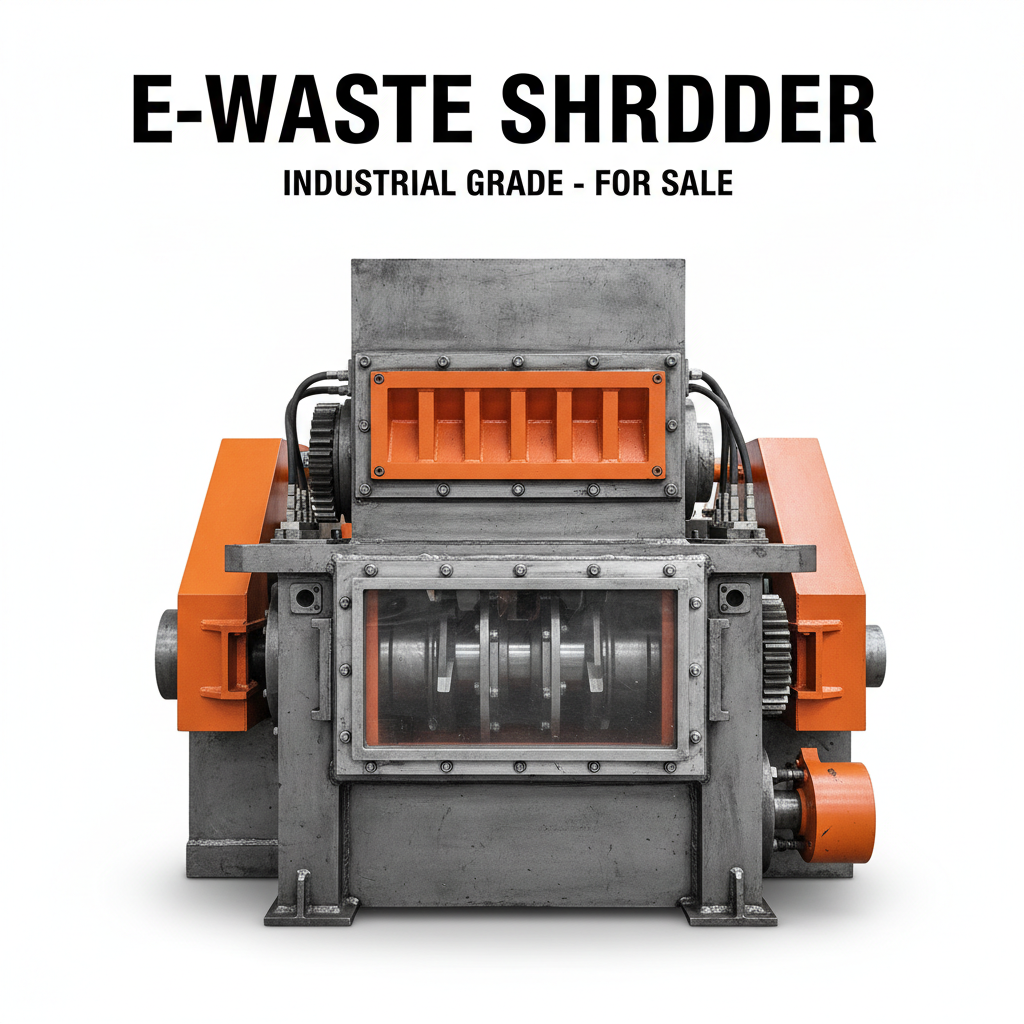
A mini industrial shredder can handle a diverse range of materials, including various plastics (HDPE, PP, PET, etc.), paper, cardboard, wood, textiles, rubber, and even some metals. Specific models are designed for specialized materials, such as e-waste or tires. It's essential to select a shredder appropriate for the intended application and material composition, considering factors like density, hardness, and potential contaminants. Proper material preparation and adherence to manufacturer guidelines are crucial for optimal performance and longevity.
The throughput capacity of a mini industrial shredder varies significantly depending on the model, the material being processed, and the desired particle size. Generally, throughput ranges from 500 kg/hour to several tons per hour. Factors affecting throughput include motor power, rotor design, screen size, and feed rate. It’s important to assess your specific needs and select a shredder that can handle your anticipated material volume efficiently.
Regular maintenance is vital for ensuring optimal performance and extending the lifespan of a mini industrial shredder. This includes daily inspections for wear and tear, lubrication of moving parts, and periodic replacement of wear components like blades or screens. It’s also crucial to maintain proper cleaning procedures to prevent material buildup and ensure safe operation. Following the manufacturer’s maintenance schedule is highly recommended.
Modern mini industrial shredders are designed with energy efficiency in mind. Features like variable frequency drives (VFDs) allow for precise motor speed control, optimizing energy consumption based on the material being processed. Efficient cutting designs and optimized rotor configurations also contribute to reduced energy usage. Compared to traditional waste disposal methods, shredding significantly reduces transportation costs and landfill space, further contributing to overall environmental sustainability.
Safety is a paramount concern in mini industrial shredder design. Standard safety features include emergency stop buttons, safety guards, overload protection systems, and interlocks that prevent operation when guards are removed. Operators should always receive thorough training on safe operating procedures and wear appropriate personal protective equipment (PPE). Adherence to safety regulations and guidelines is essential for preventing accidents and ensuring a safe working environment.
The cost of a mini industrial shredder varies widely depending on its size, capacity, features, and the manufacturer. Prices can range from $10,000 to $100,000 or more. Factors influencing the price include the type of shredding mechanism, the materials it can process, and the level of automation. It’s essential to carefully assess your specific needs and budget when selecting a shredder, considering both the initial investment and the long-term operational costs.
Conclusion
The mini industrial shredder represents a vital step forward in sustainable waste management practices. Its versatility, scalability, and cost-effectiveness make it an invaluable asset for businesses and organizations striving to minimize environmental impact and optimize resource utilization. By facilitating efficient material reduction and preparation for recycling, these machines contribute to a circular economy and a more responsible approach to waste disposal.
Looking ahead, continued innovation in automation, IoT integration, and energy efficiency will further enhance the capabilities of mini industrial shredders. Investing in this technology is not merely a practical solution for current waste challenges; it’s a proactive step towards building a more sustainable and resilient future. For comprehensive solutions and a wide range of shredding options, visit our website: www.owrecycling.com.