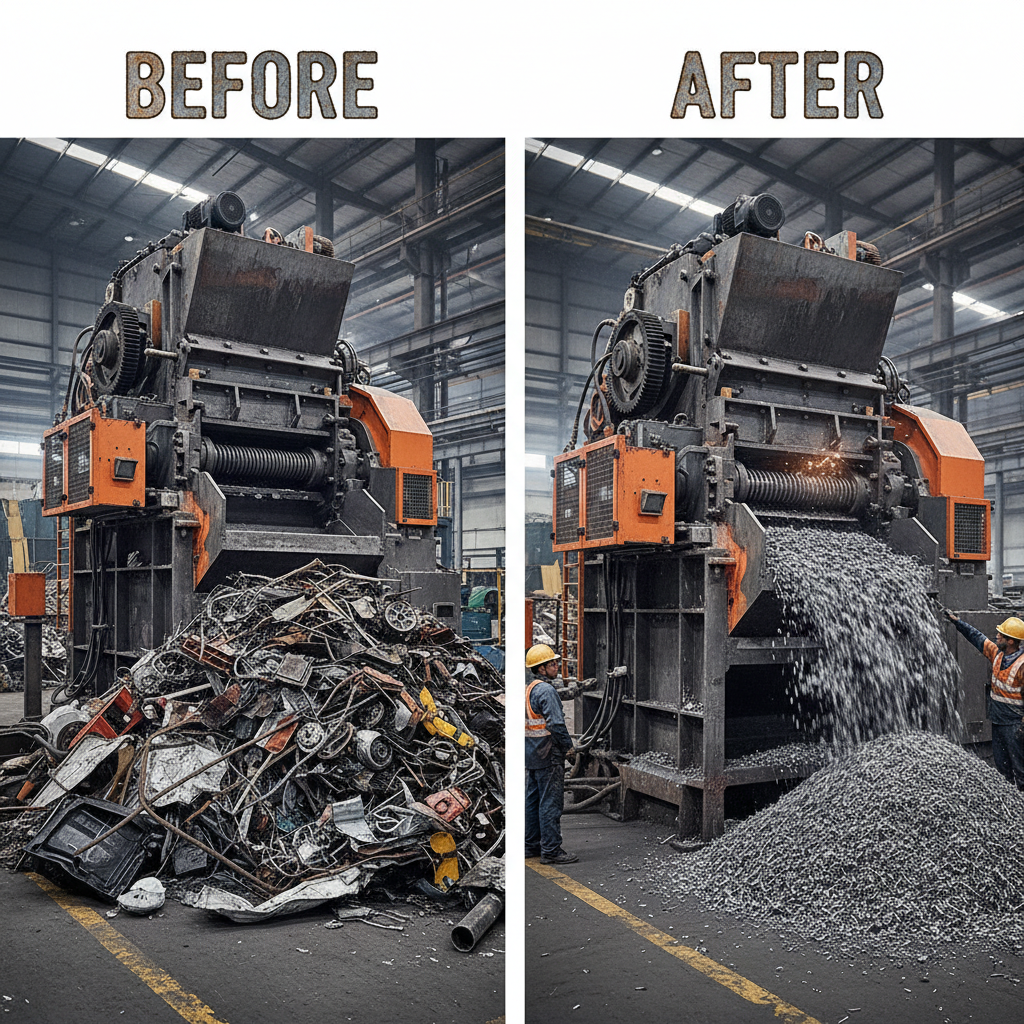
Large industrial shredders are critical components in modern waste management, recycling, and material processing industries. These robust machines are designed to efficiently reduce the volume of various materials, from municipal solid waste and construction debris to secure documents and industrial scrap. The increasing global focus on sustainability and resource recovery has driven significant demand for effective and reliable shredding solutions, making large industrial shredders an indispensable part of a circular economy.
The need for secure data destruction and compliance with stringent privacy regulations further elevates the importance of these machines. Industries dealing with confidential information, like finance, healthcare, and government, rely heavily on large industrial shredders to prevent data breaches and maintain regulatory compliance. This demand extends beyond simple destruction; often requiring certification of complete data sanitization.
Furthermore, large industrial shredders play a vital role in disaster relief and emergency response, assisting in the quick and safe processing of debris following natural disasters. Their ability to handle diverse material streams makes them adaptable to various applications, contributing to efficient resource management and environmental protection.
The Significance of Large Industrial Shredders
Large industrial shredders are not merely equipment; they represent a vital link in responsible resource management and environmental stewardship. As global waste generation continues to rise, the efficient and effective reduction of waste volume through shredding becomes increasingly crucial. This process isn’t just about size reduction; it’s about preparing materials for further processing – recycling, energy recovery, or safe disposal.
The impact of these machines extends far beyond waste processing. They are integral to industries requiring secure material destruction, protecting sensitive information and mitigating risks associated with data breaches. The selection of a large industrial shredder is, therefore, a strategic investment in sustainability, security, and operational efficiency.
Defining Large Industrial Shredders
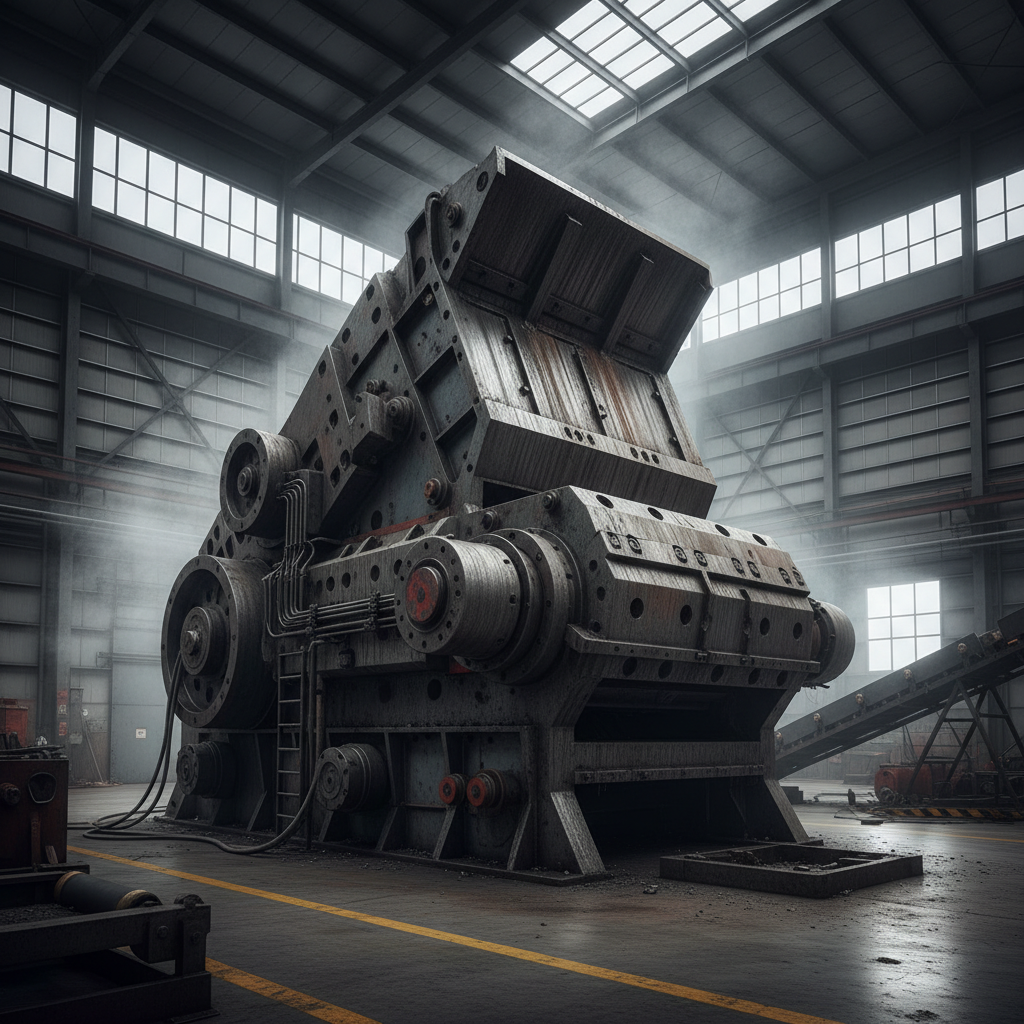
A large industrial shredder is a heavy-duty machine engineered to reduce the size of substantial volumes of materials through cutting, tearing, or grinding. Unlike smaller, consumer-grade shredders, these machines are built to handle a wide range of materials, including metals, plastics, wood, paper, textiles, and electronic waste. They are characterized by their high throughput capacity and ability to process materials that would overwhelm less robust shredding systems.
The connection to modern industry is undeniable. From recycling facilities and manufacturing plants to data security firms and disaster relief organizations, large industrial shredders are central to efficient operations. They enable the recovery of valuable resources, facilitate the secure disposal of sensitive materials, and contribute to a cleaner and more sustainable environment.
In humanitarian contexts, these machines can be deployed to quickly process debris after disasters, clearing pathways for emergency responders and facilitating the recovery process. The scalability of modern large industrial shredders makes them appropriate for a variety of contexts, from small-scale operations to large-scale processing facilities.
Core Components and Operational Factors
Durability is paramount in large industrial shredders. These machines are subject to intense stress and constant wear, requiring robust construction and high-quality materials. The key components typically include heavy-duty steel housings, hardened cutting rotors, and powerful hydraulic systems designed to withstand prolonged use and demanding applications.
Scalability refers to the ability of a shredder to adapt to changing throughput requirements. Many modern large industrial shredders are modular, allowing for easy expansion or reconfiguration to handle increased volumes or different material types. This adaptability is essential for businesses experiencing growth or dealing with fluctuating waste streams.
Cost efficiency encompasses not only the initial purchase price but also the long-term operating costs. Factors such as energy consumption, maintenance requirements, and blade replacement frequency significantly impact the overall cost of ownership. Selecting a shredder with optimized energy efficiency and readily available parts is vital for maximizing return on investment.
Key Performance Indicators of Large Industrial Shredders
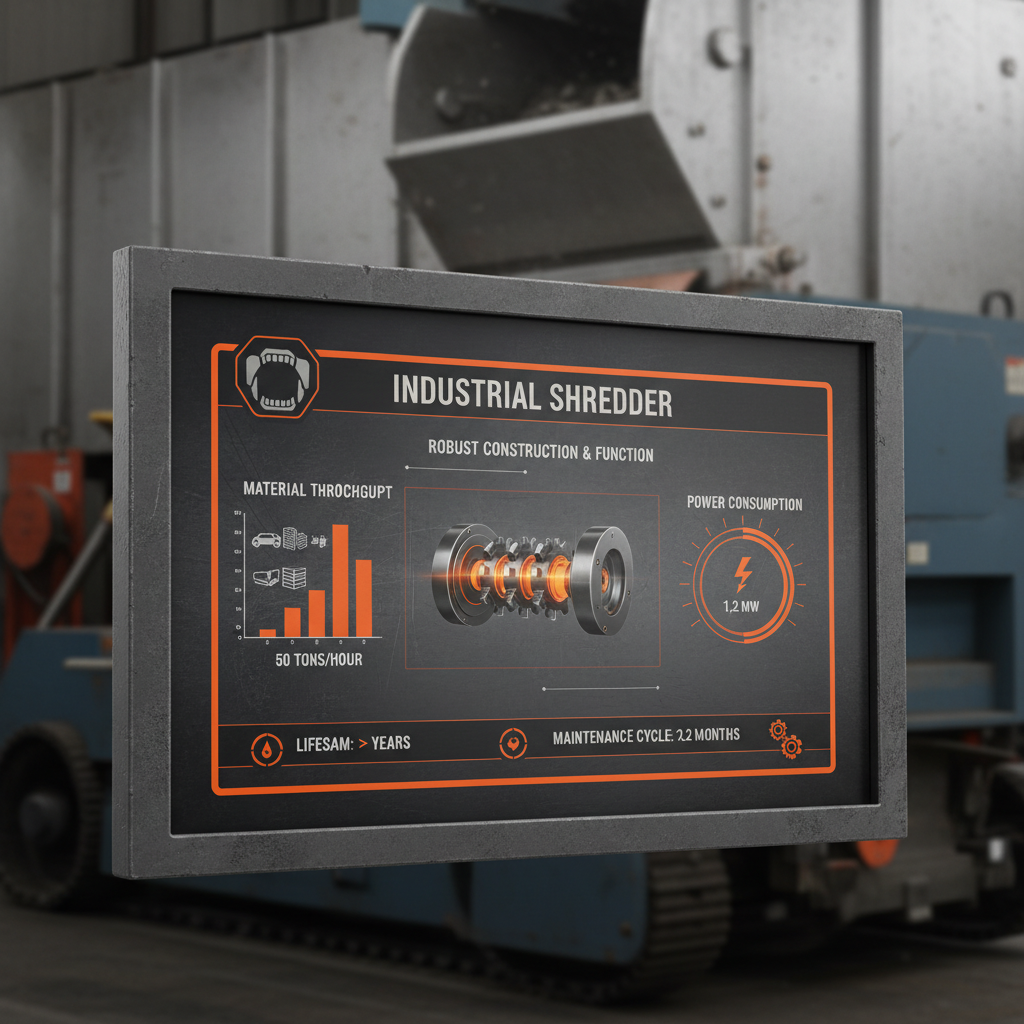
The efficiency of a large industrial shredder is often measured by its throughput – the volume of material it can process per hour. Higher throughput translates to increased productivity and reduced operational costs. Another key indicator is the particle size reduction ratio, which determines the final size of the shredded material and its suitability for downstream processing.
Reliability, measured by uptime and mean time between failures (MTBF), is also critical. Frequent breakdowns can disrupt operations and lead to costly downtime. Finally, energy consumption per ton of material processed provides a valuable metric for assessing the environmental impact and operating costs.
Large Industrial Shredder Performance Comparison
Global Applications and Industry Use Cases
Large industrial shredders are widely employed in the recycling industry to process materials like plastic, paper, and metal, preparing them for reuse. They are also crucial in the confidential document destruction (CDD) sector, ensuring secure disposal of sensitive information for businesses and government agencies.
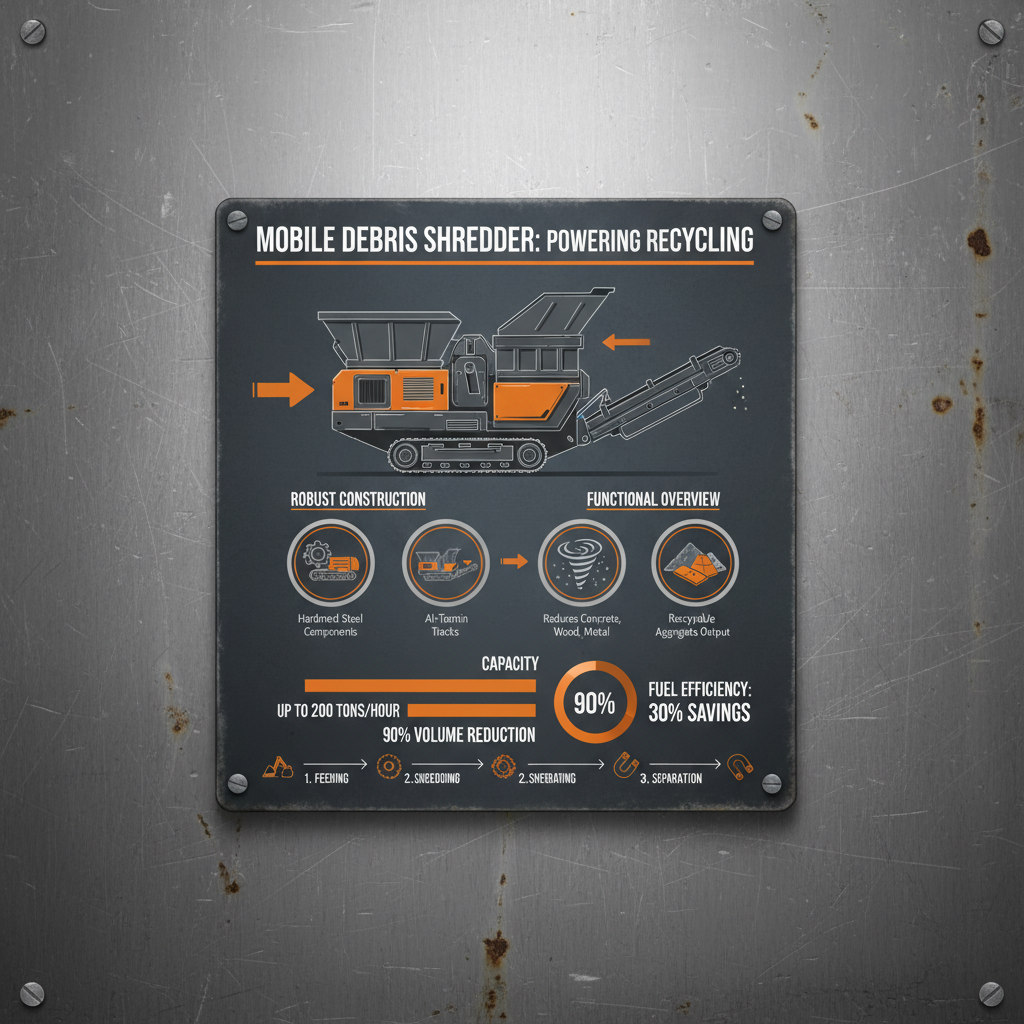
In remote industrial zones, such as mining operations or forestry sites, these machines facilitate on-site waste reduction and resource recovery, minimizing transportation costs and environmental impact. In post-disaster relief operations, large industrial shredders are rapidly deployed to process debris and create space for recovery efforts.
Furthermore, the automotive and aerospace industries utilize these shredders to dismantle end-of-life vehicles and aircraft, recovering valuable materials and responsibly disposing of hazardous components. The demand for large industrial shredders is expanding globally, particularly in emerging economies undergoing rapid industrialization.
Advantages and Long-Term Value Proposition
The primary advantage of investing in a large industrial shredder lies in its ability to reduce waste volume significantly, lowering disposal costs and maximizing resource recovery. This directly translates to cost savings and improved environmental performance. Furthermore, a high-quality shredder minimizes downtime, ensuring continuous operation and maximizing productivity.
From a sustainability perspective, large industrial shredders play a critical role in promoting a circular economy. By enabling the recovery of valuable materials, they reduce reliance on virgin resources and minimize landfill waste. The long-term value proposition extends beyond financial benefits, encompassing environmental responsibility and a positive brand image.
Future Trends and Technological Advancements
The future of large industrial shredders is closely tied to advancements in automation and digitalization. Smart shredders equipped with sensors and data analytics capabilities are emerging, enabling real-time monitoring of performance, predictive maintenance, and optimized shredding processes. These capabilities will enhance efficiency, reduce downtime, and lower operating costs.
Integration with AI and machine learning algorithms will further enhance shredder performance, enabling them to automatically identify and sort materials, optimizing shredding parameters for different waste streams. The development of more energy-efficient shredding technologies, coupled with the use of sustainable materials in their construction, will contribute to a reduced carbon footprint.
Challenges and Solutions
One common challenge associated with large industrial shredders is the handling of difficult or contaminated materials. These materials can cause wear and tear on the shredding components, leading to downtime and increased maintenance costs. Solutions include utilizing shredders with specialized cutting rotors designed for specific material types and implementing robust pre-sorting systems to remove contaminants.
Another challenge is ensuring operator safety. Large industrial shredders are powerful machines, and proper training and safety protocols are essential to prevent accidents. Solutions include incorporating advanced safety features such as emergency stop buttons, overload protection systems, and comprehensive operator training programs.
The increasing complexity of waste streams also presents a challenge. The development of more versatile shredders capable of handling a wider range of materials, combined with advanced sorting technologies, is crucial for addressing this challenge and maximizing resource recovery.
Summary of Challenges and Solutions for Large Industrial Shredders
| Challenge |
Impact |
Solution |
Implementation Cost |
| Difficult/Contaminated Materials |
Increased Wear & Tear |
Specialized Cutting Rotors |
Medium |
| Operator Safety |
Accident Risk |
Advanced Safety Features & Training |
Low-Medium |
| Complex Waste Streams |
Reduced Efficiency |
Versatile Shredders & Sorting Tech |
High |
| High Energy Consumption |
Increased Operating Costs |
Energy-Efficient Motors |
Medium |
| Downtime & Maintenance |
Lost Productivity |
Predictive Maintenance Systems |
Medium-High |
| Material Segregation Issues |
Decreased Recycling Quality |
Automated Sorting Integration |
High |
FAQS
Large industrial shredders are designed for versatility, typically handling a wide range of materials including plastics (all types), paper, cardboard, wood, metals (ferrous and non-ferrous), textiles, electronic waste (e-waste), and construction and demolition debris. The specific capabilities depend on the shredder's design and the type of cutting rotor installed. Specialized shredders exist for particularly challenging materials like tires or reinforced concrete.
Essential safety features include emergency stop buttons readily accessible to the operator, overload protection systems to prevent motor damage, interlocked access doors to prevent operation while open, and robust guarding to shield personnel from moving parts. Comprehensive operator training is also paramount, covering safe operating procedures, lockout/tagout protocols, and emergency response procedures. Regular safety inspections and maintenance are crucial.
The size of the shredding chamber directly impacts the throughput capacity and the maximum size of materials that can be processed. A larger chamber allows for processing larger items and a higher volume of material per hour. However, a larger chamber may require more powerful motors and increased energy consumption. Careful consideration of material types and processing needs is crucial when selecting a chamber size.
Regular maintenance is vital for maximizing the lifespan and efficiency of a large industrial shredder. This includes daily inspections for wear and tear, regular lubrication of moving parts, periodic blade sharpening or replacement, and inspection of hydraulic systems. Following the manufacturer's recommended maintenance schedule and implementing a preventative maintenance program are essential for minimizing downtime and costly repairs.
Determining the appropriate shredder requires careful assessment of your specific needs. Consider the types of materials you will be shredding, the volume of material, the desired particle size, and any specific regulatory requirements. Consulting with a shredder manufacturer or supplier can provide valuable insights and guidance in selecting the optimal model for your application. Evaluating factors such as throughput, energy efficiency, and maintenance costs is also crucial.
Yes, environmental considerations are increasingly important. Opting for energy-efficient shredder models and implementing proper waste segregation practices can minimize environmental impact. Utilizing shredders to prepare materials for recycling contributes to a circular economy and reduces landfill waste. Ensuring compliance with local environmental regulations regarding emissions and noise levels is also essential. Responsible operation and maintenance practices are key.
Conclusion
Large industrial shredders are more than just machines; they are essential components of a sustainable and secure future. Their ability to efficiently reduce waste volume, facilitate resource recovery, and protect sensitive information makes them invaluable across numerous industries. The ongoing advancements in automation, digitalization, and energy efficiency promise to further enhance their performance and contribution to a circular economy.
Investing in a well-maintained and appropriately sized large industrial shredder isn't merely a capital expenditure; it’s a strategic decision that delivers long-term cost savings, environmental benefits, and enhanced operational efficiency. To learn more about selecting the right shredding solution for your needs, visit our website: www.owrecycling.com.