Industrial shredding services are a critical component of modern waste management, resource recovery, and security protocols across a diverse range of industries. From confidential document destruction to the processing of manufacturing scrap and end-of-life product recycling, these services offer efficient and environmentally responsible solutions for handling voluminous materials. The demand for robust and reliable industrial shredding services is continually increasing, driven by stricter regulations, a growing emphasis on sustainability, and heightened security concerns.
Globally, the volume of waste generated continues to rise, placing immense pressure on existing landfill capacity and contributing to environmental pollution. According to the World Bank, global waste generation is projected to increase by 70% by 2050. Industrial shredding offers a viable pathway to divert waste from landfills, recover valuable materials, and promote a circular economy. Furthermore, data breaches and the need to protect sensitive information have created a significant demand for secure document destruction services, bolstering the growth of this sector.
Understanding the intricacies of industrial shredding – its capabilities, applications, and benefits – is essential for businesses and organizations seeking to optimize their waste management strategies, enhance security, and achieve their sustainability goals. Effective implementation of these services can translate into cost savings, improved environmental performance, and reduced risk.
Introduction to Industrial Shredding Services
Industrial shredding services encompass the process of reducing materials into smaller, more manageable pieces using specialized equipment. These services go beyond simple waste disposal; they’re integral to resource recovery, data security, and compliance with environmental regulations. The scope of materials processed is vast, including plastics, paper, metals, electronics, and confidential documents, catering to a diverse client base.
The growing demand for responsible waste management solutions is a major driver behind the expansion of the industrial shredding services industry. Companies are increasingly seeking to minimize their environmental impact, comply with data privacy laws (like GDPR and CCPA), and extract value from waste streams. This shift has created opportunities for innovation in shredding technology and the development of specialized services tailored to specific industry needs.
Defining Industrial Shredding Services
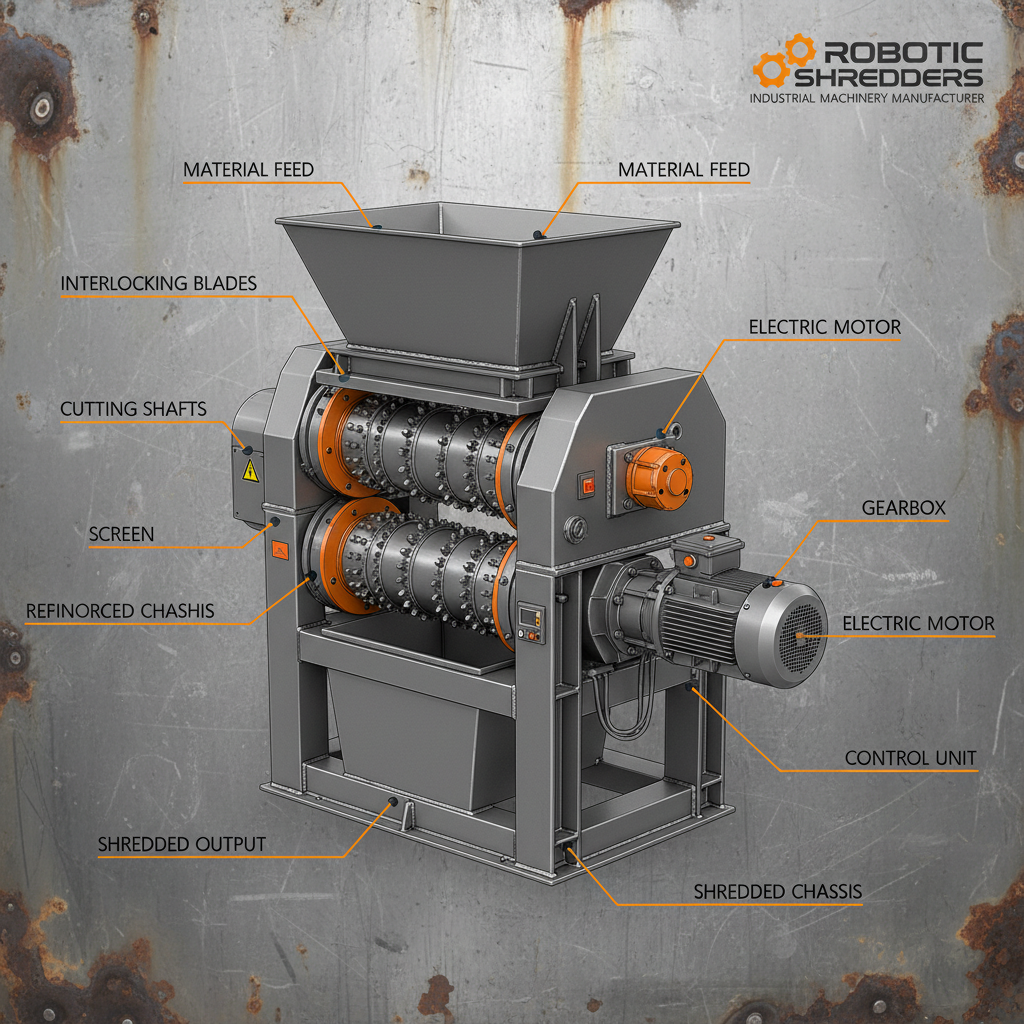
Industrial shredding services are defined as the systematic reduction in size of materials through mechanical processing. Unlike household shredders, industrial machines are engineered to handle large volumes and a wide variety of material types. This process can range from simple size reduction for recycling purposes to the complete obliteration of sensitive data, ensuring confidentiality and compliance.
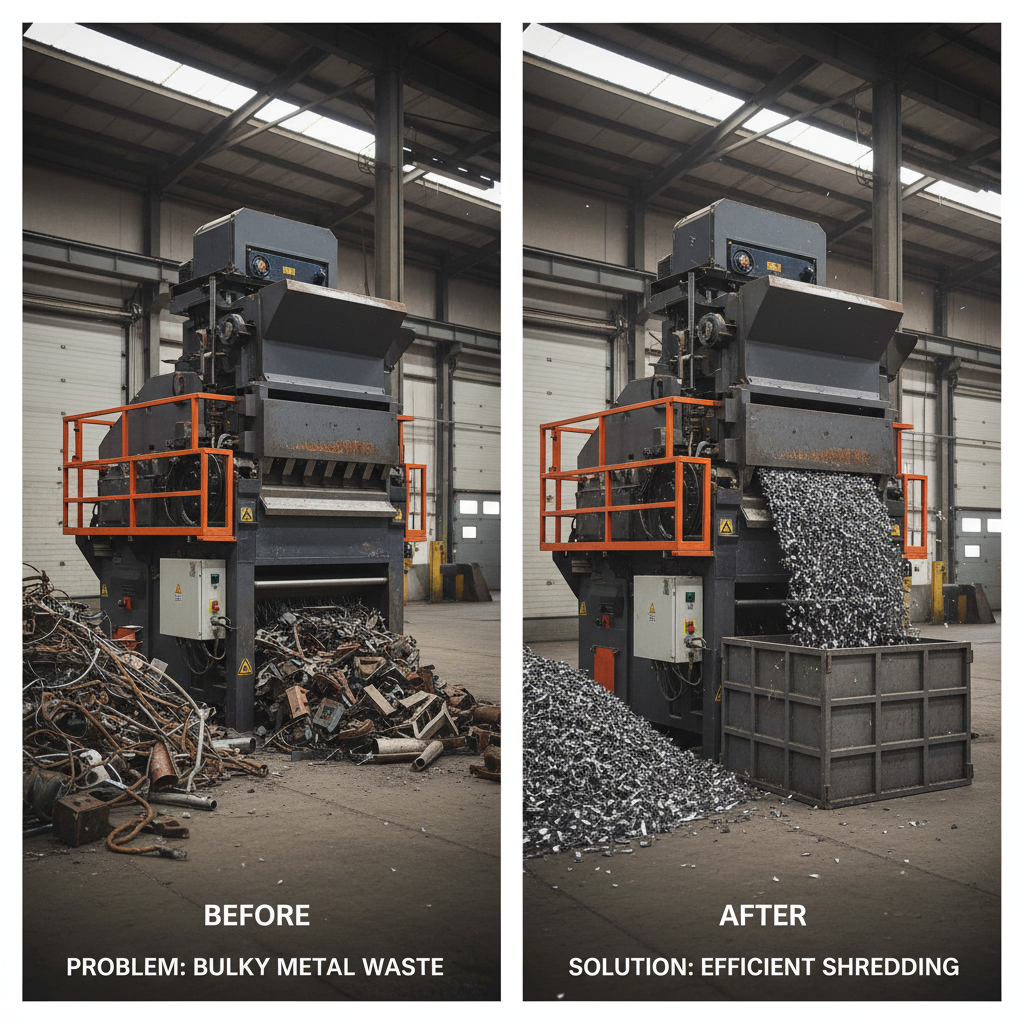
The connection to modern industry is paramount. Manufacturing processes generate significant amounts of scrap material that can be reclaimed through shredding. Similarly, end-of-life product recycling relies heavily on shredding to separate components and recover valuable materials. These services directly support circular economy principles by minimizing waste and maximizing resource utilization.
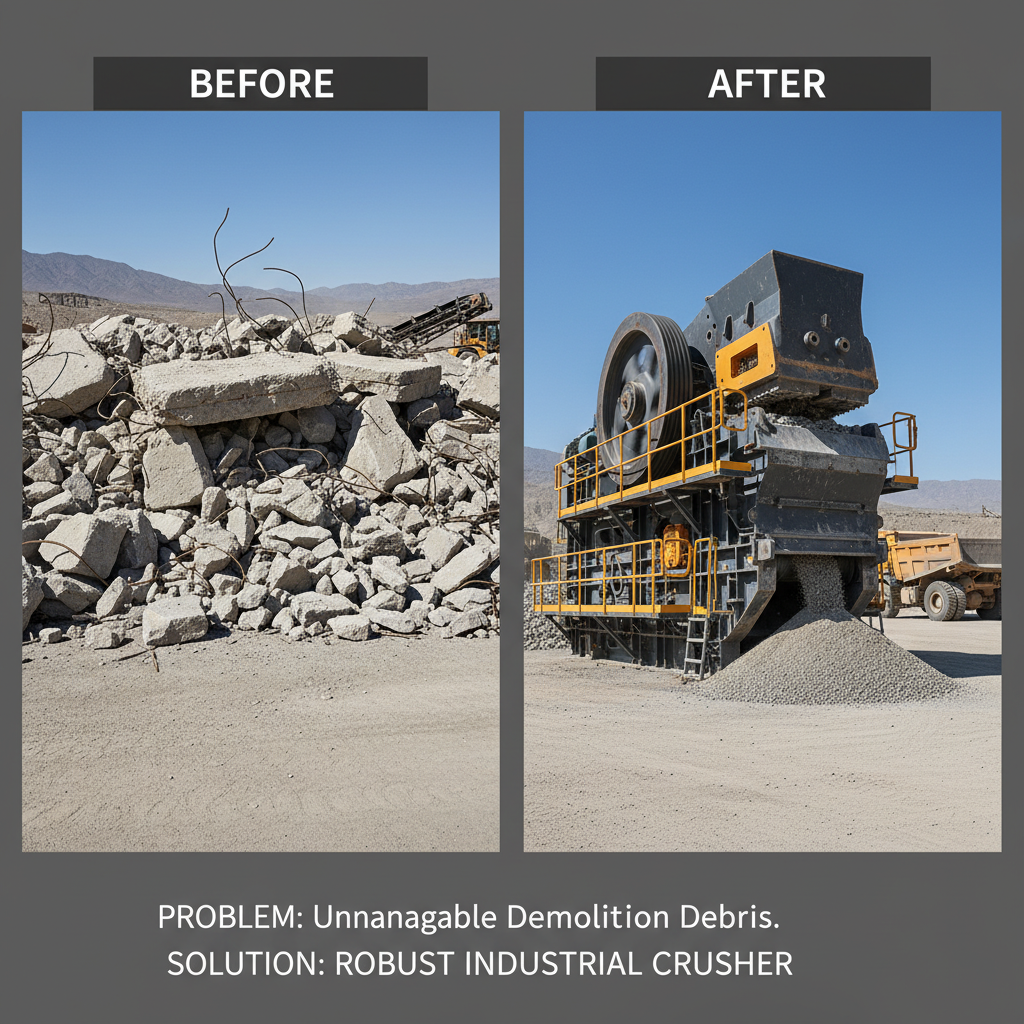
Beyond industrial applications, shredding plays a vital role in humanitarian efforts. For example, during disaster relief operations, shredding can be used to process debris quickly and efficiently, clearing pathways and facilitating aid delivery. Secure document destruction is crucial for protecting personal information and preventing identity theft in both public and private sectors.
Key Factors of Industrial Shredding Services
Several core factors underpin the effectiveness and value of industrial shredding services. Security is paramount, particularly when dealing with confidential documents. Services must adhere to strict data privacy standards and provide verifiable proof of destruction (certificate of destruction). Industrial shredding services providers invest in advanced technology and security protocols to ensure the complete and irreversible destruction of sensitive information.
Capacity and Scalability are also crucial. The ability to handle varying volumes of material and adapt to changing needs is essential for businesses of all sizes. Reputable providers offer a range of shredding solutions, from on-site mobile shredding to off-site processing, allowing clients to choose the option that best fits their requirements.
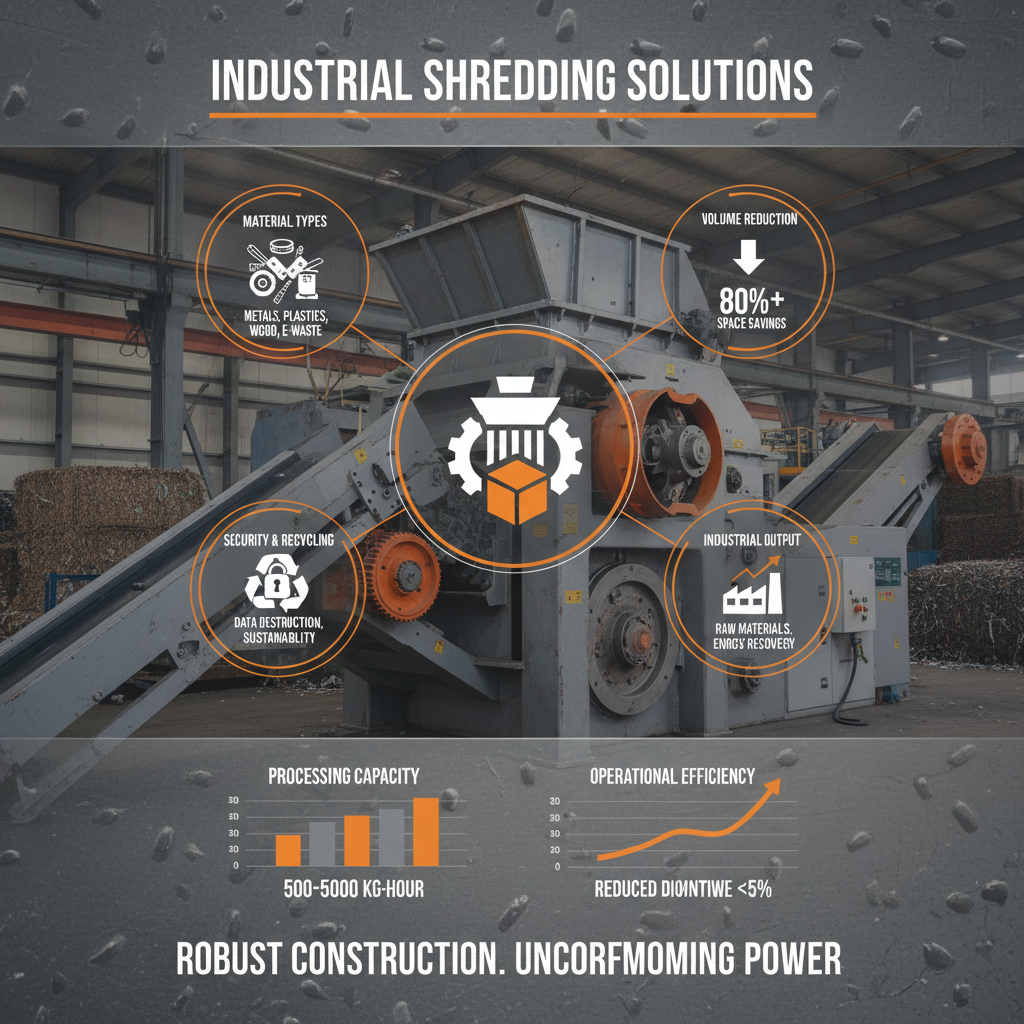
Material Versatility refers to the range of materials a service can effectively process. Different shredders are designed for specific materials – paper, plastics, metals, electronics – and a comprehensive service provider will have the expertise and equipment to handle a diverse waste stream. Environmental Responsibility dictates sustainable practices, including responsible recycling of shredded materials and adherence to environmental regulations. Finally, Cost Efficiency is a key consideration, and providers should offer competitive pricing and transparent billing practices.
Applications Across Industries
The applications of industrial shredding services are remarkably broad, spanning numerous industries. In the finance and legal sectors, secure document destruction is critical for complying with data privacy regulations and protecting client confidentiality. The healthcare industry relies on shredding to dispose of patient records and medical waste securely.
The manufacturing industry utilizes shredding for processing scrap materials, reducing waste, and recovering valuable resources. In the electronics recycling sector, shredding is used to dismantle end-of-life electronic devices, separating components for material recovery and safe disposal of hazardous substances. Furthermore, in government and defense, secure destruction of classified documents and sensitive materials is paramount for national security.
Industrial Shredding Services Performance by Industry
Advantages and Long-Term Value
The advantages of utilizing industrial shredding services extend far beyond simple waste disposal. Tangible benefits include significant cost savings through reduced landfill fees and potential revenue generation from the sale of recyclable materials. Furthermore, these services contribute to enhanced environmental sustainability by diverting waste from landfills and promoting a circular economy.
Long-term value is derived from the increased security and reduced risk of data breaches, protecting your organization's reputation and avoiding costly legal penalties. The emotional benefit of knowing that sensitive information is being handled responsibly fosters trust among customers and stakeholders. Ultimately, investing in comprehensive shredding services demonstrates a commitment to innovation, ethical practices, and long-term sustainability.
Future Trends in Industrial Shredding
The future of industrial shredding is poised for significant innovation, driven by advancements in technology and a growing focus on sustainability. Automation and robotics are increasingly being integrated into shredding processes, enhancing efficiency, reducing labor costs, and improving safety. The development of smart shredding systems, equipped with sensors and data analytics, allows for real-time monitoring of performance and optimization of operations.
Green energy solutions are also gaining traction, with some providers exploring the use of renewable energy sources to power their shredding equipment. Digital transformation is playing a crucial role, enabling secure online portals for tracking shredding jobs, generating certificates of destruction, and managing waste streams. The emphasis on circular economy principles will continue to drive demand for advanced shredding technologies that facilitate material recovery and resource optimization.
Challenges and Innovative Solutions
Despite the advancements in industrial shredding, several challenges remain. One common limitation is the difficulty in processing complex materials that contain a mixture of different substances. Another challenge is ensuring the complete destruction of data on advanced storage media, such as solid-state drives.
Innovative solutions are emerging to address these challenges. Advanced shredding technologies, such as multi-stage shredders and granulators, can effectively process complex materials. Degaussing and physical destruction techniques are being employed to ensure the complete and irreversible erasure of data from storage media. Furthermore, the development of AI-powered sorting systems is improving the efficiency of material recovery and reducing contamination.
Collaboration between shredding service providers, technology developers, and regulatory bodies is essential to overcome these challenges and unlock the full potential of industrial shredding. Investing in research and development, adopting best practices, and promoting industry standards will drive innovation and ensure the long-term sustainability of this critical sector.
Core Components of Successful Industrial Shredding Service Implementation
| Service Type |
Security Protocol |
Material Capacity |
Environmental Impact |
| On-site Mobile Shredding |
NAID AAA Certification |
500-2000 lbs/hour |
Low – reduced transportation emissions |
| Off-site Shredding |
Chain of Custody Documentation |
2000+ lbs/hour |
Medium – transportation emissions considered |
| Hard Drive Destruction |
Physical Destruction & Degaussing |
Variable – dependent on device type |
High – prevents data leakage & resource recovery |
| Plastic Shredding |
Secure processing & material tracking |
1000-5000 kg/hour |
Medium – supports plastic recycling initiatives |
| Paper Shredding |
Confidentiality Agreements & Certificates |
800-3000 lbs/hour |
High – promotes paper recycling & forest conservation |
| E-Waste Shredding |
Secure Data Sanitization & Environmental Compliance |
500-1500 kg/hour |
High – reduces hazardous waste & recovers valuable materials |
FAQS
On-site mobile shredding offers the highest level of security as your confidential documents are destroyed directly at your location, in your presence. Reputable providers utilize NAID AAA Certified shredding trucks, ensuring adherence to stringent security protocols and providing a verifiable chain of custody. This eliminates the risk of documents being lost or intercepted during transportation, making it ideal for highly sensitive information.
While off-site shredding involves transporting materials to a secure facility, reputable providers implement robust security measures throughout the process. This includes locked containers, tracked transportation, and secure storage areas. A detailed chain of custody documentation provides a clear audit trail, verifying the handling of your materials from pick-up to destruction. Look for providers with certifications like NAID AAA to ensure adherence to industry best practices.
Most industrial shredding services can handle a wide variety of materials, including paper, plastics, metals, electronics, and textiles. However, material capabilities vary by provider and shredder type. It’s important to inquire about specific material restrictions and ensure the provider has the appropriate equipment to handle your waste stream. Some providers specialize in specific materials, such as confidential documents or e-waste.
Shredded material is typically baled and sold to recycling facilities for processing into new products. This promotes a circular economy and reduces reliance on virgin resources. Providers committed to environmental responsibility ensure responsible recycling practices and comply with all relevant environmental regulations. Some materials may be used for energy recovery through waste-to-energy processes.
NAID AAA Certification is the gold standard in the secure destruction industry, demonstrating adherence to rigorous security protocols and best practices. Other relevant certifications include ISO 9001 (quality management) and ISO 14001 (environmental management). These certifications provide assurance that the provider is committed to quality, security, and environmental responsibility.
A Certificate of Destruction (COD) is a legally binding document that verifies the secure destruction of your confidential materials. It provides detailed information about the shredding process, including the date, method, and weight of the materials destroyed. The COD serves as proof of compliance with data privacy regulations and provides peace of mind knowing that your sensitive information has been securely handled. Always ensure your provider provides a detailed and verifiable COD.
Conclusion
Industrial shredding services represent a vital component of modern waste management, data security, and resource recovery. By providing secure, efficient, and environmentally responsible solutions for handling voluminous materials, these services enable businesses and organizations to minimize their environmental impact, protect sensitive information, and achieve their sustainability goals. The increasing demand for these services is a testament to their growing importance in today's world.
Looking ahead, continued innovation in shredding technology, coupled with a growing commitment to the circular economy, will drive further advancements in this critical sector. Embracing automation, green energy solutions, and digital transformation will unlock new opportunities for efficiency, sustainability, and security. To learn more about how industrial shredding services can benefit your organization, visit our website today.