The responsible disposal of circuit boards is a critical global issue, stemming from the exponential growth of electronic waste (e-waste). As technology rapidly advances, countless devices become obsolete, creating a massive influx of discarded electronics containing hazardous materials. Proper handling of these boards prevents environmental contamination and recovers valuable resources, making understanding how to dispose of circuit boards paramount.
The increasing volume of e-waste, projected to reach 74.7 million tonnes annually by 2030 (UN Report, 2019), poses a significant threat to both human health and the environment. Informal recycling methods, common in developing nations, often involve crude techniques like open burning and acid leaching, releasing toxic substances into the air, water, and soil. Learning how to dispose of circuit boards correctly is essential for mitigating these risks and fostering a circular economy.
Effective how to dispose of circuit boards strategies offer a pathway to resource recovery – precious metals like gold, silver, and copper can be reclaimed, reducing the need for virgin mining and conserving valuable resources. Understanding this process supports sustainability initiatives and helps create a more environmentally responsible approach to technology consumption.
The Importance of Responsible Disposal
Discarded circuit boards, found in everything from computers and smartphones to household appliances, contain a complex mix of materials, including valuable metals and hazardous substances like lead, mercury, and cadmium. Improper disposal allows these toxins to leach into the soil and groundwater, posing long-term health risks to communities and ecosystems. A proactive approach to how to dispose of circuit boards is vital for public health.
Beyond the immediate environmental concerns, responsible circuit board disposal is crucial for resource conservation. Recovering materials like gold, silver, and copper from e-waste reduces our reliance on environmentally damaging mining operations. It promotes a circular economy, where materials are reused instead of being discarded, leading to a more sustainable future.
Defining Circuit Board Disposal
How to dispose of circuit boards encompasses a series of processes aimed at safely and effectively managing end-of-life electronic components. This isn’t simply about throwing them away; it involves dismantling, sorting, and recovering materials from the boards, while mitigating environmental and health risks. It's a shift from a linear 'take-make-dispose' model to a circular system.
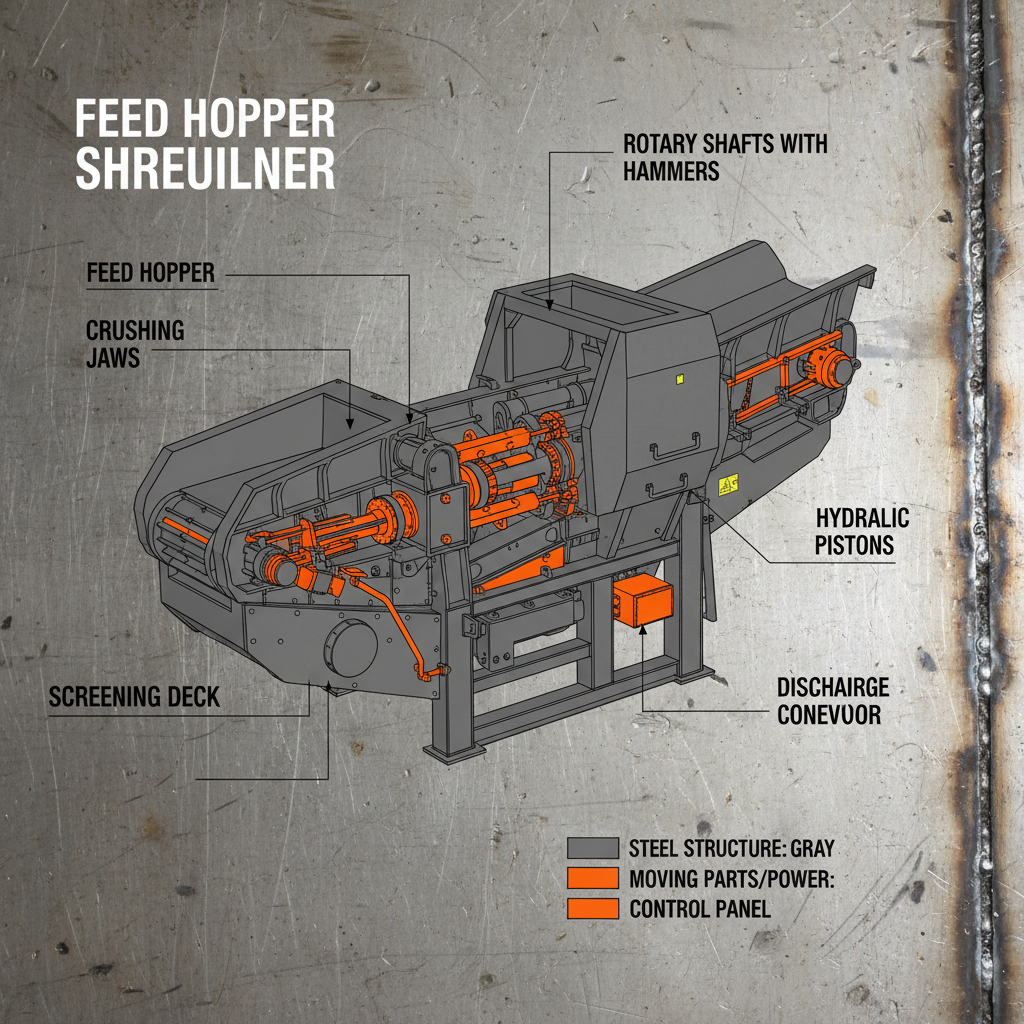
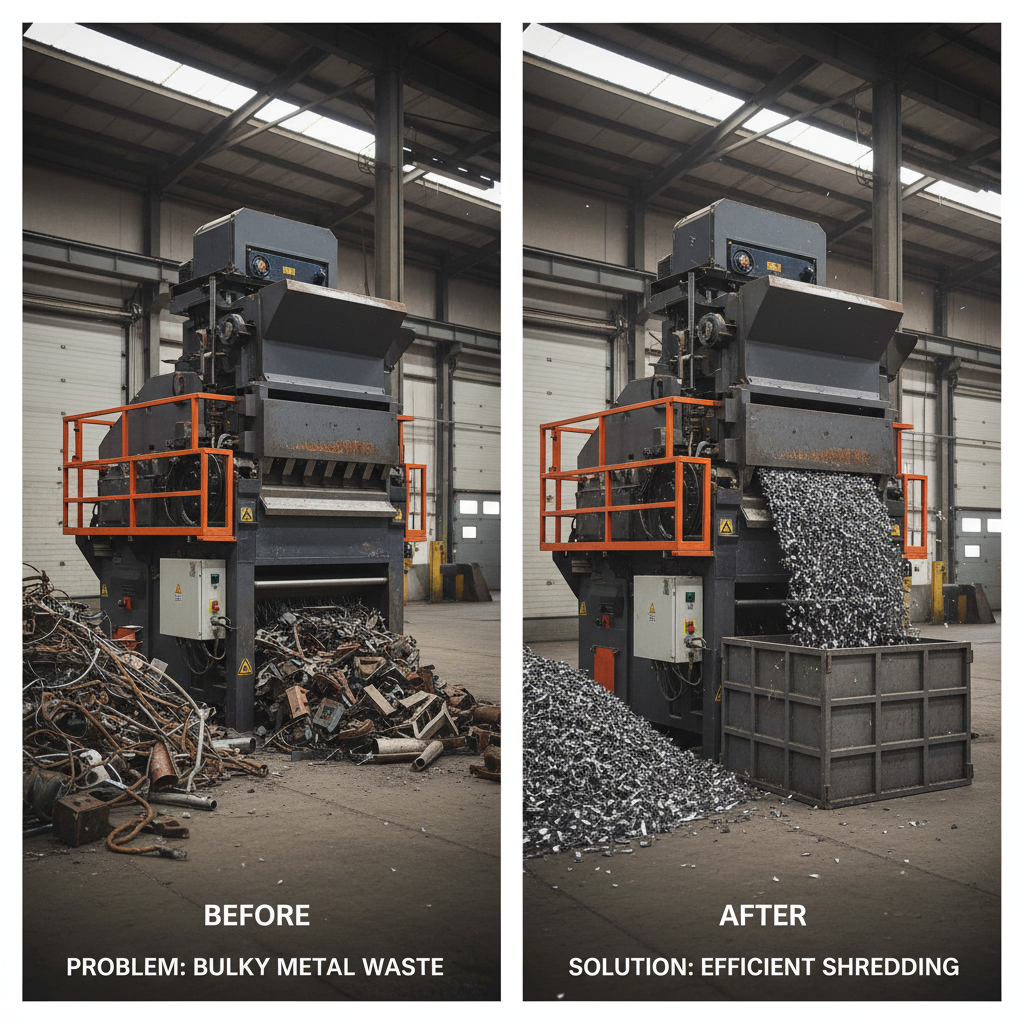
The process typically involves specialized facilities equipped to handle hazardous materials. These facilities employ techniques like mechanical shredding, chemical leaching, and smelting to separate and recover valuable resources. Following ethical and environmentally sound disposal methods, compliant with regulations like RoHS and WEEE, is a cornerstone of responsible electronics management.
Crucially, how to dispose of circuit boards differs significantly from general waste disposal. Circuit boards require specialized handling due to their complex composition and the presence of hazardous materials, making it illegal in many regions to simply discard them with regular trash.
Key Components of Effective Disposal
Several key components are essential for effective how to dispose of circuit boards. First is Collection Infrastructure: establishing convenient and accessible collection points for e-waste, such as drop-off centers and take-back programs, is paramount. This ensures that boards don’t end up in landfills.
Secondly, Dismantling and Sorting are critical. Manually or mechanically separating components like capacitors, resistors, and integrated circuits allows for targeted material recovery and reduces contamination. Thirdly, Material Recovery focuses on extracting valuable metals (gold, silver, copper) using processes like smelting and chemical leaching.
Finally, Compliance and Regulation plays a key role. Adhering to international standards (e.g., ISO 14001) and local regulations (e.g., WEEE Directive) ensures responsible practices and minimizes environmental impact. These steps work in synergy to improve how to dispose of circuit boards.
Global Applications and Industry Standards
The application of effective how to dispose of circuit boards practices varies considerably across the globe. Developed nations, such as those in the European Union, often have robust regulatory frameworks (like the WEEE Directive) and established recycling infrastructure. In contrast, many developing countries struggle with limited resources and a lack of enforcement, leading to informal and often hazardous recycling activities.
Industry standards like RoHS (Restriction of Hazardous Substances) aim to reduce the use of toxic materials in electronics, making recycling easier and safer. ISO 14001 provides a framework for environmental management systems, helping companies minimize their environmental footprint throughout the product lifecycle, including disposal. These standards are becoming increasingly important for international trade and supply chain management.
Organizations like the Basel Action Network are working internationally to combat the illegal trade in e-waste and promote environmentally sound management practices. In post-disaster relief operations, proper how to dispose of circuit boards from damaged electronics is essential to prevent environmental contamination and protect vulnerable communities.
Circuit Board Disposal Methods – Comparative Effectiveness
Advantages of Proper Disposal Practices
Implementing proper how to dispose of circuit boards practices yields a multitude of advantages. Environmentally, it drastically reduces pollution and conserves natural resources. Economically, it creates opportunities for material recovery and generates revenue streams. From a social perspective, it protects public health and fosters responsible consumption patterns.
The long-term value extends to sustainability initiatives and the development of a circular economy. By reclaiming valuable metals, we lessen our dependence on mining, which has significant environmental and social costs. Moreover, a robust recycling infrastructure builds resilience in supply chains and reduces vulnerability to resource scarcity, and reinforces our understanding of how to dispose of circuit boards.
Future Trends in E-Waste Management
Several emerging trends are shaping the future of e-waste management, including advancements in automated dismantling technologies. Robotics and artificial intelligence are being used to improve the efficiency and accuracy of component separation, reducing labor costs and increasing material recovery rates. These advancements will improve how to dispose of circuit boards.
Furthermore, research into innovative chemical leaching processes, utilizing less hazardous and more environmentally friendly solvents, is gaining momentum. "Urban mining," the concept of recovering valuable materials from waste streams in urban areas, is also gaining traction as a sustainable resource management strategy.
Challenges and Innovative Solutions
Despite advancements, significant challenges remain in effectively managing e-waste. The complexity of circuit board composition, the presence of hazardous materials, and the logistical difficulties of collecting and processing e-waste pose ongoing hurdles. Illegal e-waste trafficking remains a persistent problem, with materials often shipped to developing countries with lax environmental regulations.
Innovative solutions include extended producer responsibility (EPR) schemes, where manufacturers are held accountable for the end-of-life management of their products. Blockchain technology is being explored to track e-waste flows and ensure transparency in the recycling process. Investment in research and development of more efficient and environmentally friendly recycling technologies is also crucial to improving how to dispose of circuit boards.
Moreover, educating consumers about the importance of responsible e-waste disposal and promoting sustainable consumption patterns are vital components of a holistic solution. By fostering a culture of environmental awareness, we can drive demand for responsible recycling practices and reduce the overall volume of e-waste generated.
Analysis of Current Circuit Board Disposal Approaches
| Method |
Environmental Impact (1-10) |
Cost Effectiveness (1-10) |
Material Recovery Rate (%) |
| Landfilling |
1 |
10 |
0 |
| Incineration |
3 |
7 |
5 |
| Manual Dismantling |
6 |
5 |
40 |
| Mechanical Recycling |
5 |
8 |
60 |
| Chemical Leaching |
4 |
6 |
75 |
| Smelting |
7 |
4 |
85 |
FAQS
The most environmentally friendly way to dispose of old circuit boards is through certified e-waste recycling facilities. These facilities employ processes designed to safely recover valuable materials while minimizing environmental impact. Avoid landfilling or incineration, as these can release harmful toxins. Proper disposal ensures resources are reclaimed and prevents pollution, demonstrating best practices for how to dispose of circuit boards.
Yes, many countries and regions have legal regulations governing e-waste disposal, including circuit boards. These regulations often stem from international agreements like the Basel Convention and are implemented through national laws such as the WEEE Directive in Europe and various state laws in the US. These laws aim to ensure responsible handling, prevent illegal exports, and promote proper recycling of electronic waste. Understanding these regulations is vital to effective how to dispose of circuit boards.
Many standard municipal recycling centers do not accept circuit boards due to their hazardous materials and specialized processing requirements. However, dedicated e-waste recycling facilities or collection events often exist in your area. You can search online for local e-waste recycling options or check with your local government for designated drop-off locations. Utilizing these resources is crucial for responsible how to dispose of circuit boards.
During recycling, several valuable materials are typically recovered from circuit boards, including gold, silver, copper, palladium, and other precious metals. Additionally, plastics and base metals like aluminum and iron can also be reclaimed. These materials are then reused in new products, reducing the need for virgin resources. Recovery of these materials is a key benefit of following proper how to dispose of circuit boards protocols.
Improper disposal of circuit boards can lead to significant environmental and health risks. Hazardous materials like lead, mercury, and cadmium can leach into the soil and groundwater, contaminating drinking water and harming ecosystems. Open burning of e-waste releases toxic fumes into the air, posing respiratory problems and other health issues. Thus, understanding how to dispose of circuit boards safely is essential.
Yes, many e-waste recycling companies offer pickup services for circuit boards, particularly for businesses or large quantities. Some organizations also host regular e-waste collection events where you can drop off your old electronics. These services provide a convenient and environmentally responsible option for how to dispose of circuit boards, eliminating the need for you to transport the materials yourself.
Conclusion
In conclusion, responsible how to dispose of circuit boards is not merely an environmental obligation, but a crucial step towards resource conservation, public health protection, and a sustainable future. Understanding the complexities of e-waste, adhering to proper disposal methods, and supporting innovative recycling technologies are vital for mitigating the risks associated with electronic waste and maximizing the recovery of valuable materials.
Looking ahead, continued investment in research and development, coupled with stronger regulatory frameworks and increased public awareness, will be essential for addressing the growing challenge of e-waste. By embracing a circular economy model and prioritizing responsible disposal practices, we can minimize the environmental footprint of our technological advancements and create a more sustainable world. Visit our website at www.owrecycling.com to learn more about our e-waste solutions.