Uruguay is currently experiencing a transition toward a more circular economy, driven by stringent national waste management policies. The demand for efficient cable granulation has surged as the country upgrades its electrical infrastructure and telecommunications networks, leading to a higher volume of discarded insulated wires.
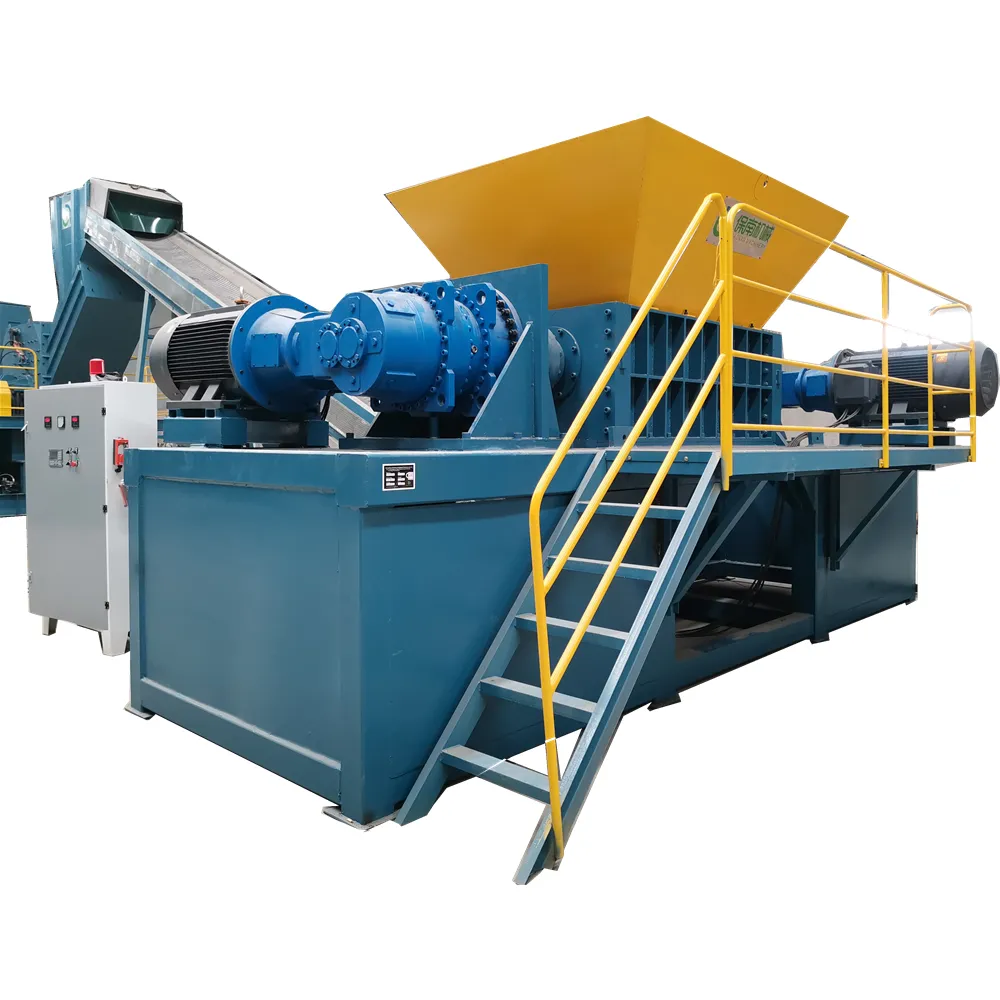
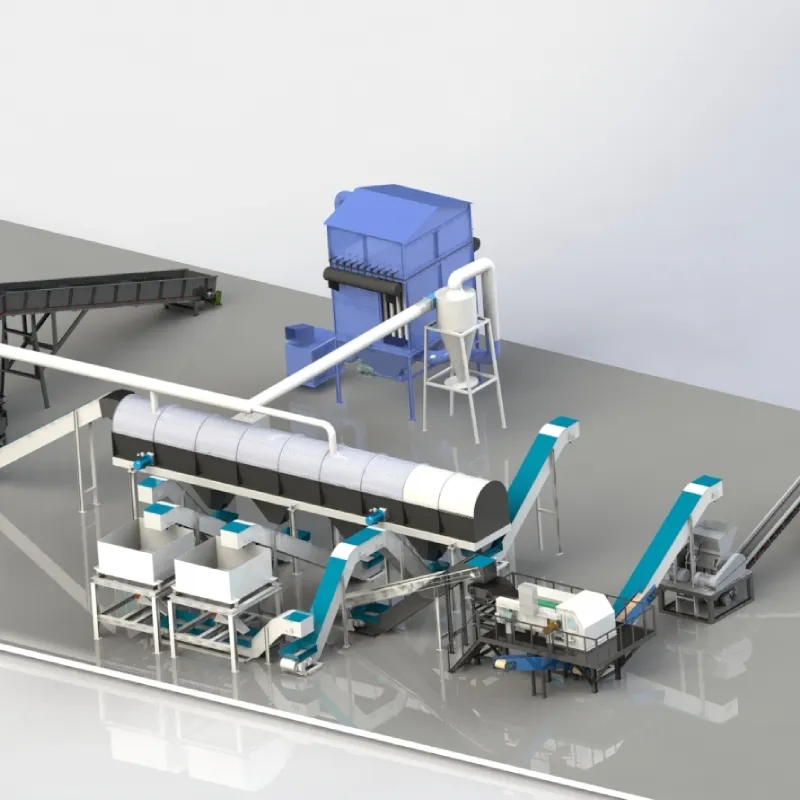
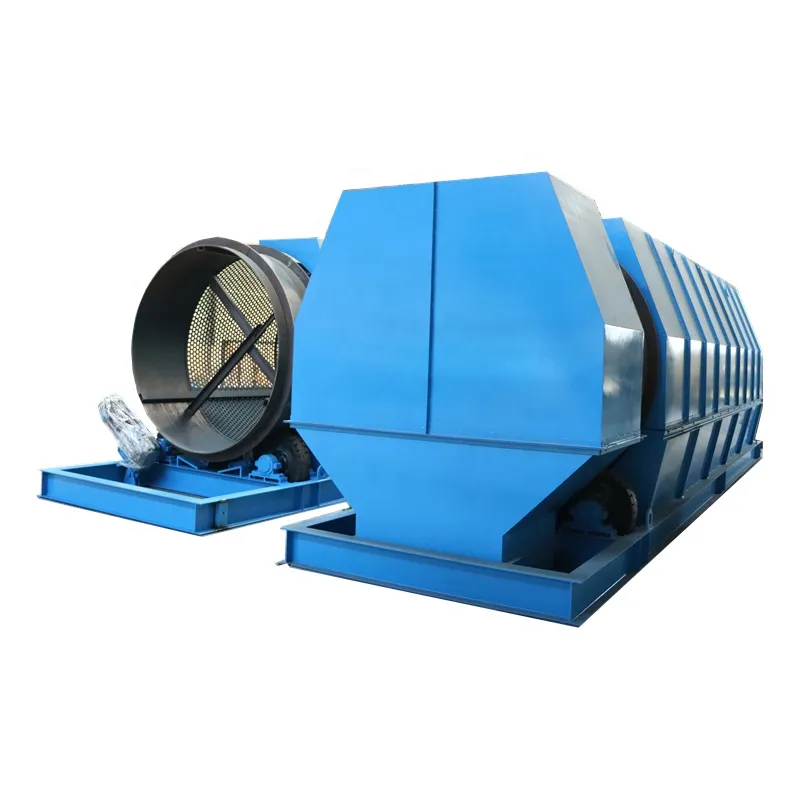
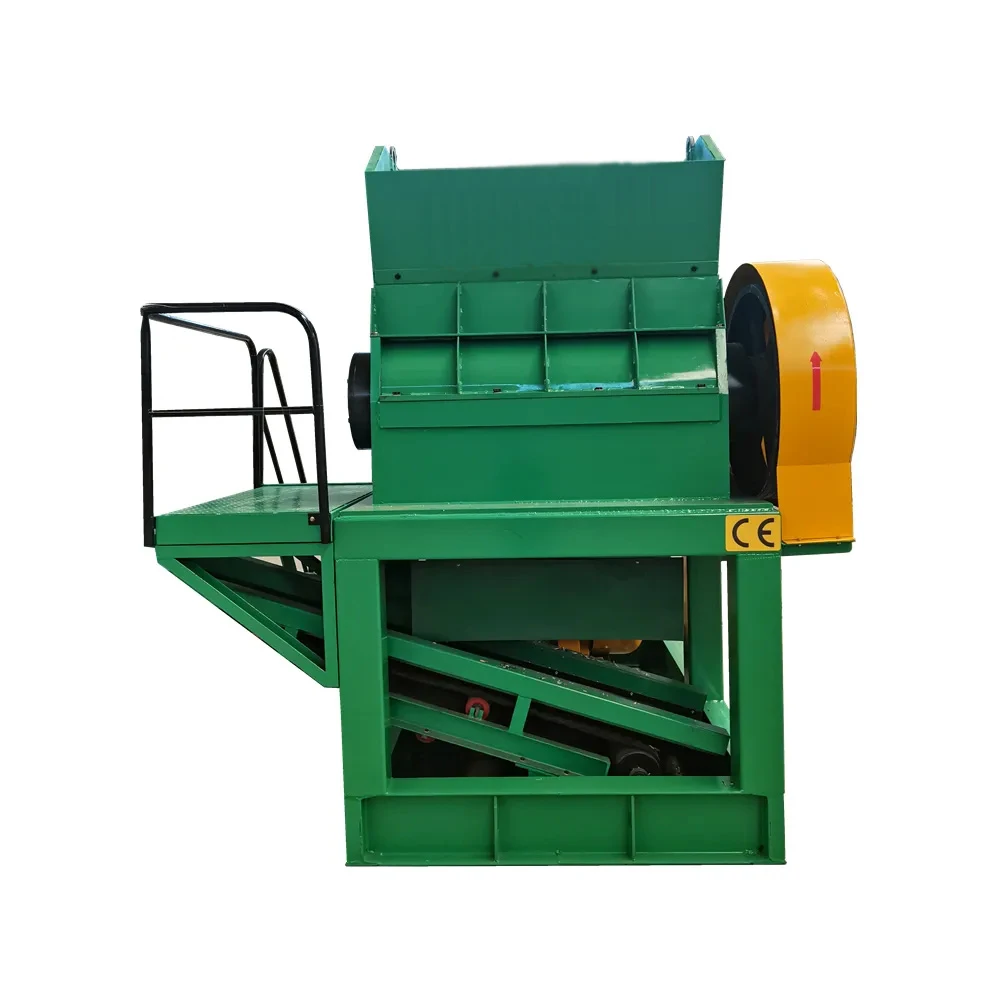
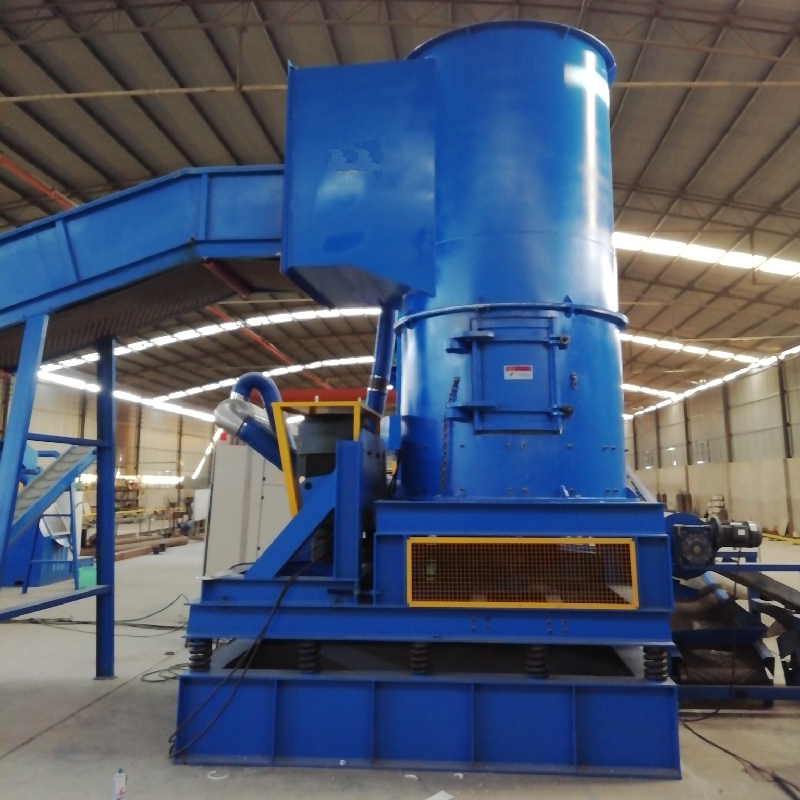
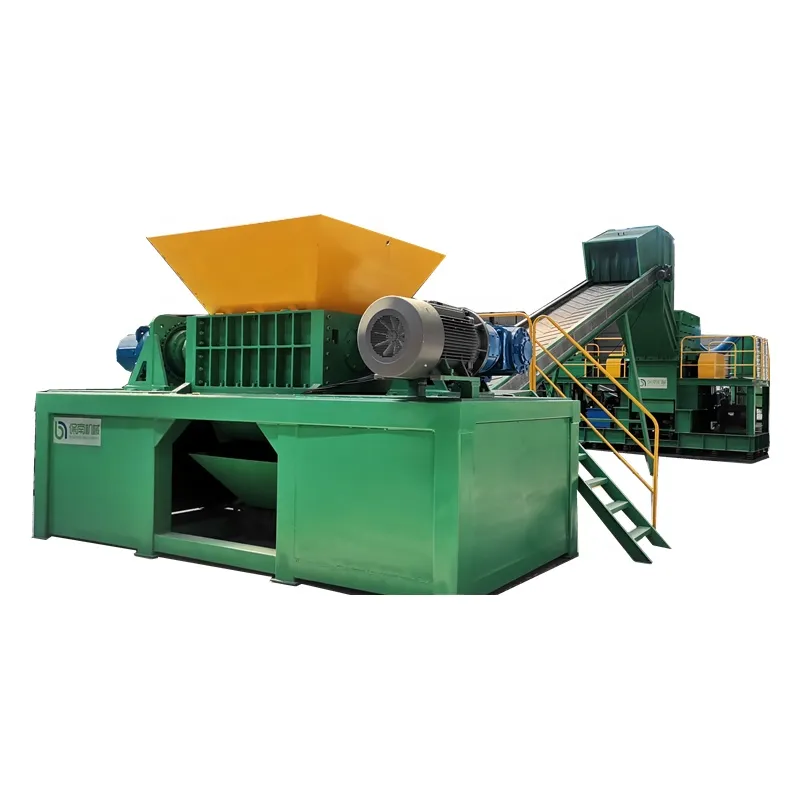
Local recycling centers in Montevideo and surrounding regions have traditionally relied on manual stripping or primitive burning methods. However, the shift toward a professional cable granulator machine is becoming an economic necessity to meet the purity standards required by international copper exporters.
Given Uruguay's humid subtropical climate, equipment durability and corrosion resistance are critical. The industry is now seeking robust machinery that can handle high throughput without compromising the quality of the separated copper and plastic components.