
Advanced copper wire granulator Solutions for Bolivia

High-efficiency recycling technology tailored for the Bolivian industrial landscape, maximizing copper recovery and ensuring environmental compliance.

Advanced copper wire granulator Solutions for Bolivia

We provide state-of-the-art equipment for the precise recovery of non-ferrous metals, specifically designed to handle the varying cable qualities found in South American markets.

The State of Cable Recycling in Bolivia

Analyzing the current industrial infrastructure and environmental challenges in the Andean region.

In Bolivia, the recycling industry is currently transitioning from informal manual stripping to mechanized cable granulation. Due to the country's unique geography and the concentration of industrial hubs in cities like La Paz and Santa Cruz, there is a growing demand for compact yet powerful machinery that can operate efficiently under varying altitudes.

The prevalence of diverse cable types, from thin communication wires to heavy industrial power cables used in mining, requires a versatile cable granulator machine. Many local operators still rely on combustion methods, which cause severe environmental pollution, highlighting the urgent need for sustainable mechanical separation.

Economic fluctuations in South America have led Bolivian entrepreneurs to seek equipment that offers a fast return on investment. By implementing a professional copper wire granulator separator, local plants can achieve 99% purity in copper granules, significantly increasing their market value in the global commodities exchange.
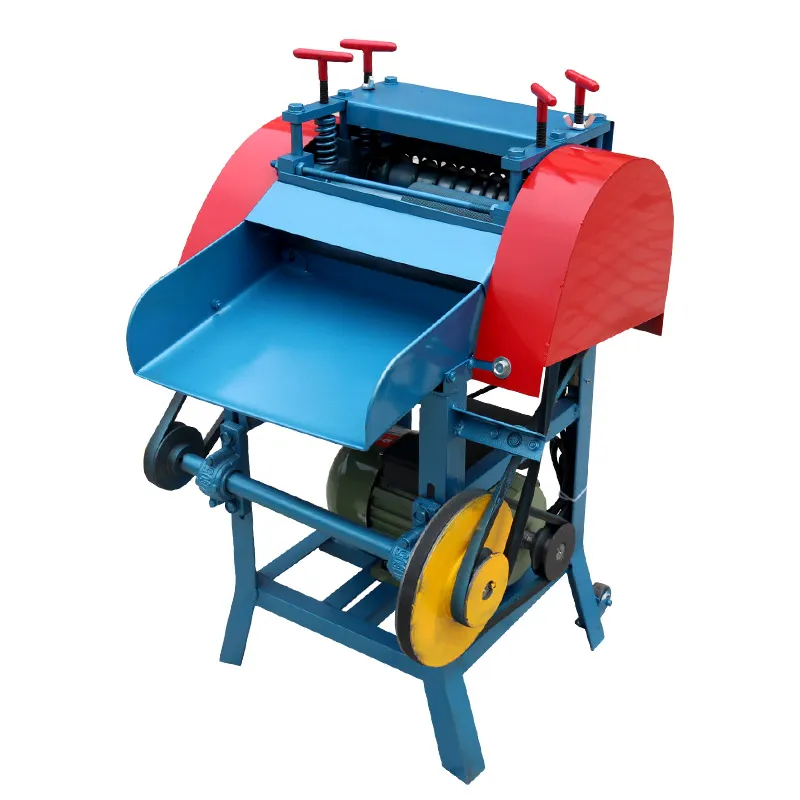
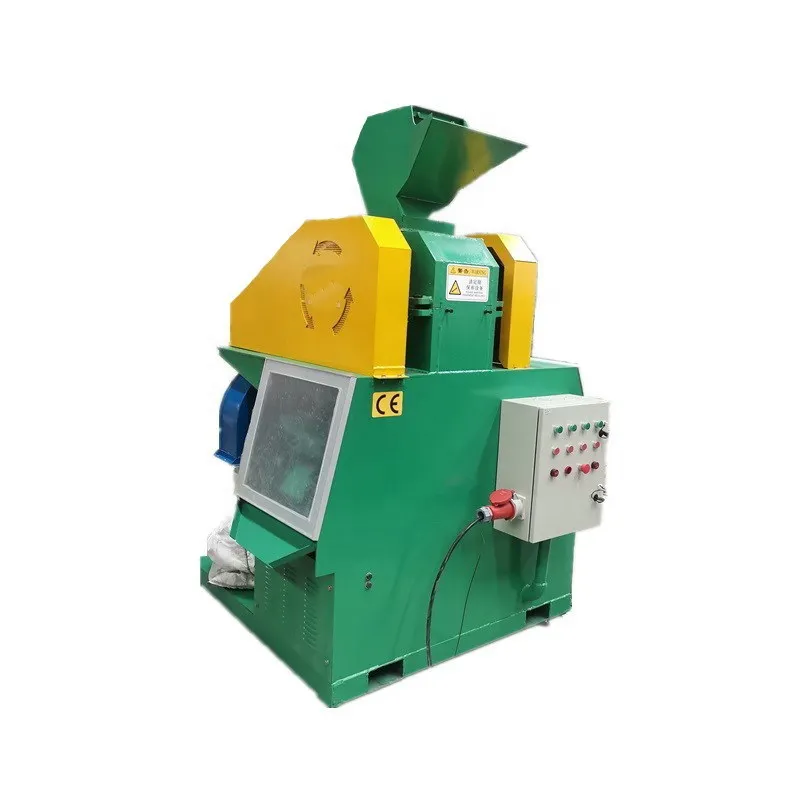
Evolution and Trajectory of Granulation Technology

From rudimentary crushing to intelligent, closed-loop recovery systems.

Market Development History

Prior to 2010, the Bolivian market primarily utilized basic shredders that produced coarse fragments, resulting in low copper purity and high plastic contamination. This era was characterized by high waste and low efficiency.

Between 2011 and 2020, the introduction of the first-generation cable granulator systems allowed for better separation through air classification. This period saw a shift toward formalized recycling centers in urban industrial zones.

Since 2021, the focus has shifted toward "Precision Granulation." Modern systems now integrate multi-stage screening and advanced electrostatic separation to handle the complex PVC and PE coatings found in modern Bolivian infrastructure projects.

Future Development Trends

AI-Driven Material Sorting

Integrating sensor-based sorting before the granulation process to automatically categorize cables by thickness and material, optimizing the machine's throughput.

Energy-Efficient Low-Noise Motors

Development of high-torque, low-energy consumption motors to reduce operational costs in regions where electricity prices are volatile.

Zero-Emission Closed-Loop Systems

Advanced dust collection and filtration systems that ensure 100% of the plastic byproduct is captured for secondary industrial use.

Industry Trends and Future Outlook

Strategic projections for the environmental equipment sector in Bolivia.

Circular Economy Integration
Shift toward fully integrated systems where copper and plastic are both repurposed as raw materials for local manufacturing.
Strict Emission Standards
Increased government regulation in Bolivia regarding air quality will drive the adoption of advanced filtration in granulation.
Modular Scaling
Demand for modular cable granulator machine setups that can grow alongside the company's processing volume.
Copper Price Optimization
Using higher purity granulation to hedge against market price drops by producing premium Grade-A copper granules.

Industry Outlook

Looking forward, the Bolivian recycling sector is expected to see a 15% CAGR in the adoption of automated separation technology. Google Search trends indicate a rising interest in "sustainable mining" and "urban mining" within the region, suggesting a pivot toward recovering minerals from waste.

The integration of IoT for remote monitoring of copper wire granulator performance will become standard, allowing operators to optimize blade wear and energy use in real-time across multiple sites.

Localized Application Scenarios in Bolivia

Practical deployments of granulation technology across various Bolivian industries.

01. Mining Infrastructure Decommissioning

Processing massive quantities of heavy-duty power cables from exhausted mine sites in Potosí, utilizing industrial-scale granulators to reclaim high-value copper.

02. Urban E-Waste Centers in La Paz

Implementing compact cable granulator machine units to process residential wiring and electronic cables from the city's dense urban core.

03. Telecommunication Network Upgrades

Handling the surge of obsolete copper telephony cables being replaced by fiber optics in Santa Cruz through precision granulation and separation.

04. Municipal Waste Management Initiatives

Partnering with local municipalities to establish official cable recovery points, reducing illegal burning and improving public health.

05. Industrial Park Specialized Recycling

Providing dedicated copper wire granulator separator lines for factory complexes to process internal wiring waste in-house.

Brand Story

Global Development Journey of Baoding Baonan Machinery Equipment Manufacturing Co., Ltd.

Founding Vision

Started with a mission to eliminate the pollution caused by cable burning, focusing on pure mechanical separation technology.

Technical Breakthrough

Developed a patented blade geometry that reduces energy consumption by 20% while increasing copper purity.

Global Expansion

Expanded operations into South America, adapting equipment to handle diverse regional cable types and voltage requirements.

Environmental Leadership

Recognized as a leader in "Green Manufacturing," helping thousands of plants transition to zero-emission recovery.

Future Commitment

Investing in AI and automated sorting to redefine the future of the global copper recycling industry.

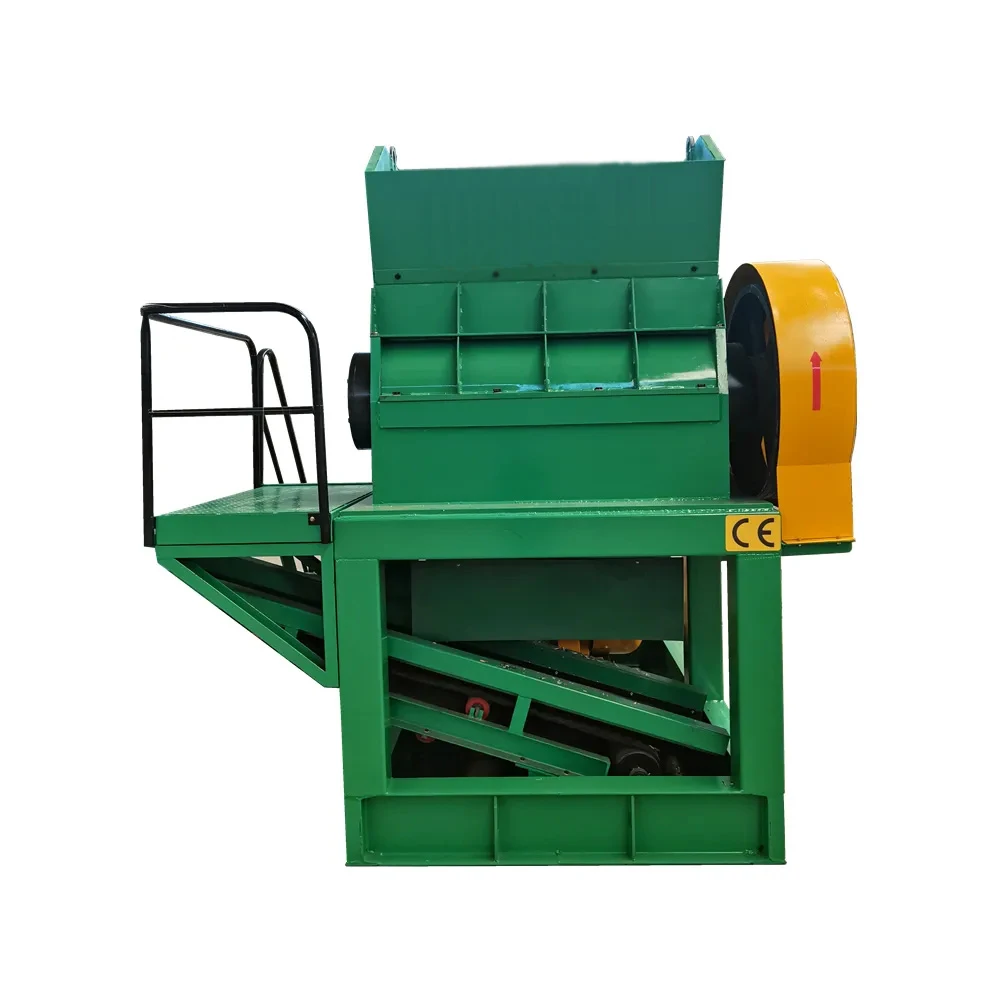
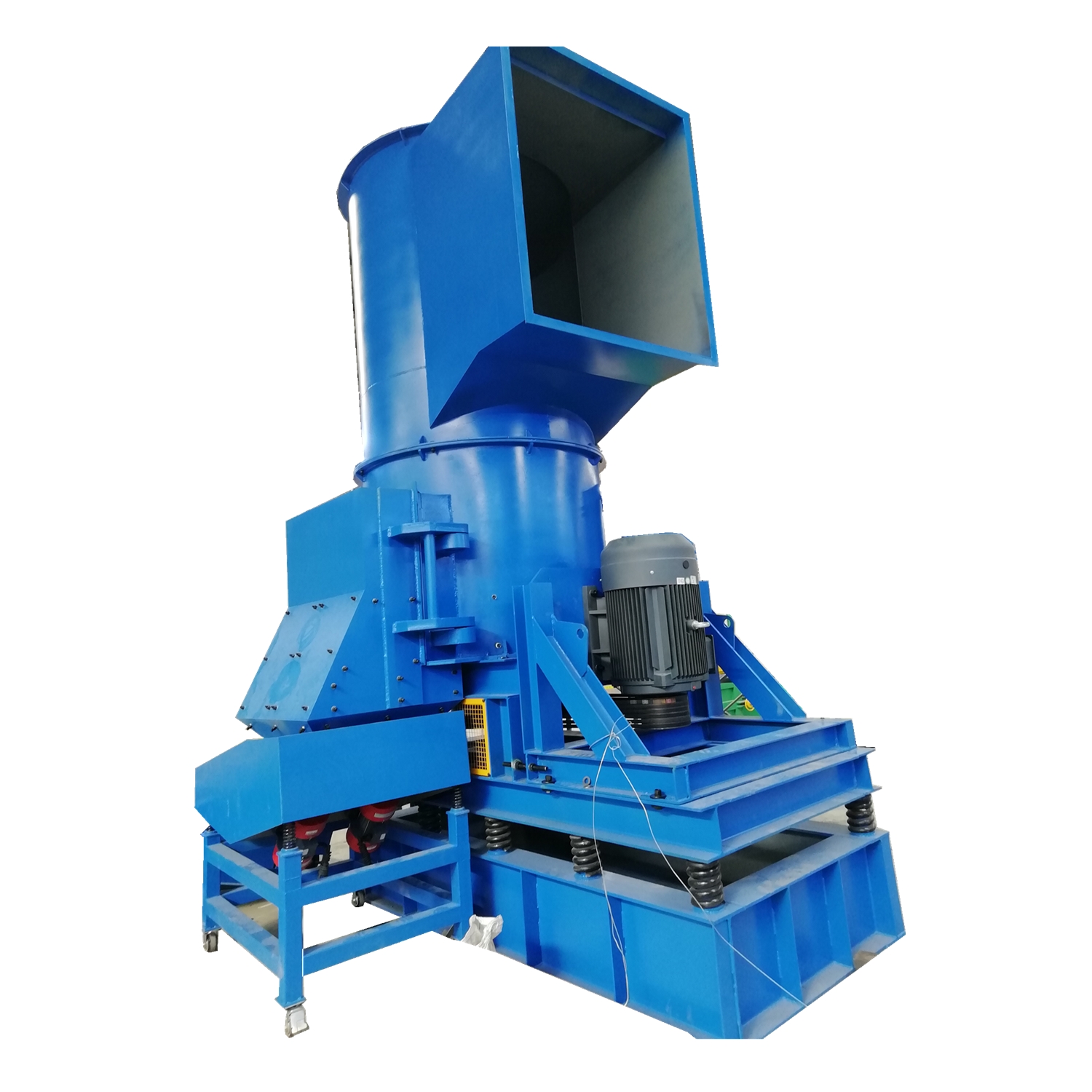
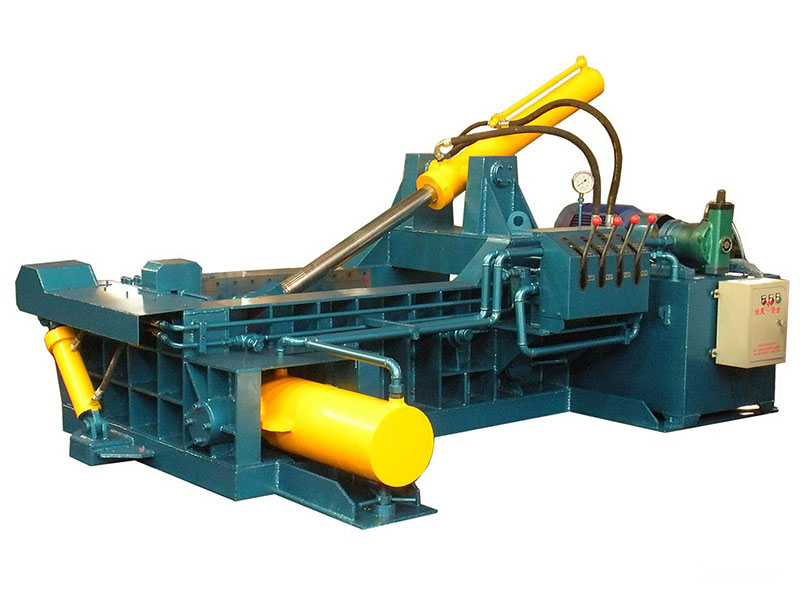
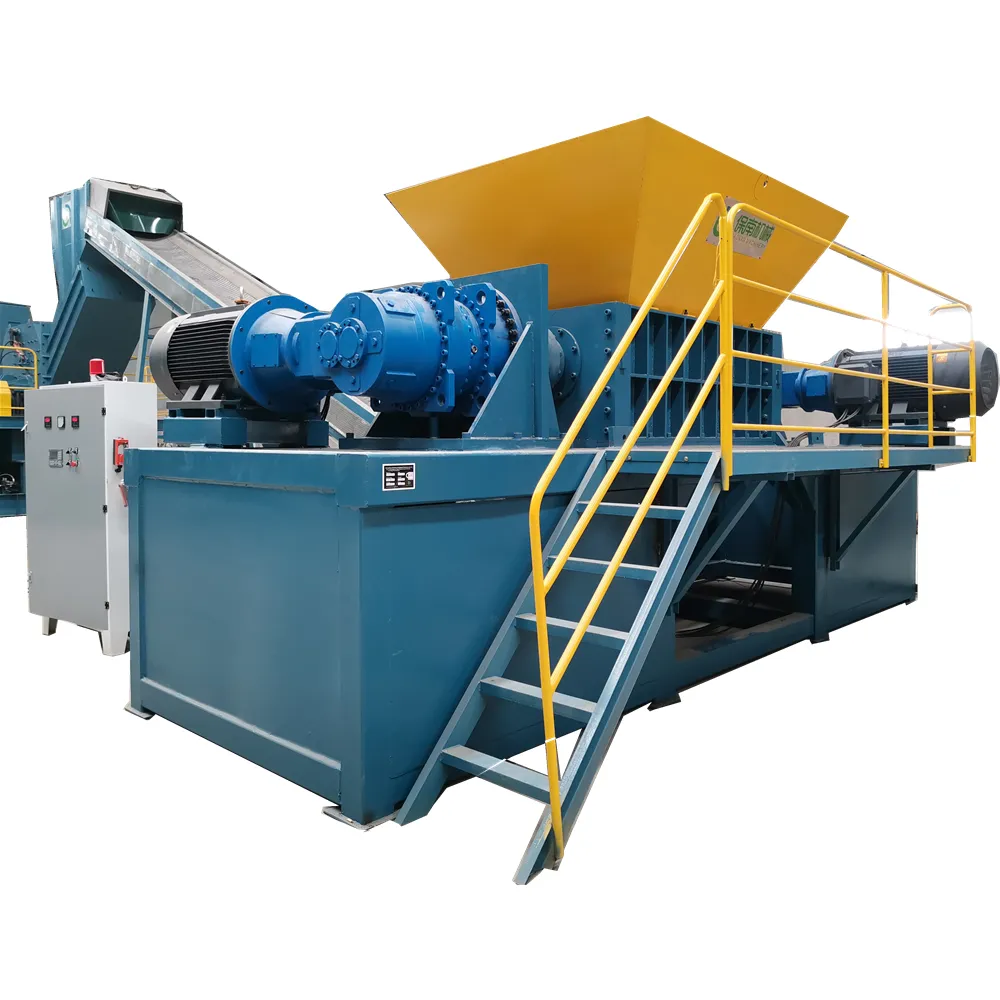
Comprehensive Recovery Portfolio for Bolivia

A full range of machinery from small-scale starters to industrial-grade processing lines.

Bolivia Cable Recycling FAQ

Answers to common technical and operational questions for the Bolivian market.

How does a copper wire granulator handle different insulation materials?

Our machines use a combination of high-speed cutting and air-density separation, allowing them to efficiently separate copper from PVC, PE, and rubber regardless of the insulation thickness.

What is the expected purity when using a copper wire granulator separator?

With our advanced separation technology, users in Bolivia typically achieve copper purity levels between 99.5% and 99.9%, which is ideal for direct smelting.

Can a cable granulator machine operate at high altitudes like La Paz?

Yes, our equipment is designed with optimized cooling systems and powerful motors that maintain performance even in the thinner air of high-altitude regions.

What is the maintenance cycle for cable granulation blades?

Depending on the volume and hardness of the cables, blades typically require sharpening or replacement every 6-12 months to ensure optimal granulation size.

Is a cable granulator energy efficient for small businesses?

Yes, we offer small-scale models with variable frequency drives (VFD) that allow operators to adjust power consumption based on the material load.

How do I choose the right capacity for my recycling plant in Bolivia?

We recommend analyzing your daily tonnage of raw cable waste. Our experts provide customized consultations to match your input volume with the correct machine throughput.

Start Your Sustainable Recovery Project

Our engineering team is ready to provide customized machinery solutions for the unique industrial needs of Bolivia.

Contact Us Now
tel
email
goTop

If you are interested in our products, you can choose to leave your information here, and we will be in touch with you shortly.