Scrap metal shredder manufacturers provide the critical industrial machinery required to transform bulky metallic waste into manageable, high-purity fragments. These systems are essential for the modern circular economy, enabling the efficient recovery of valuable metals from complex waste streams such as automotive scrap, electronic components, and industrial cabling.
For many recycling enterprises, the challenge lies in balancing throughput with purity. Inefficient shredding leads to higher contamination levels and increased downstream processing costs, which directly impacts the profitability of metal recovery operations. Selecting a manufacturer that prioritizes wear-resistant alloy materials and precise PLC control is vital for long-term operational stability.
This guide examines the technical specifications of high-performance shredding and granulation systems, offering a procurement framework for businesses looking to optimize their recycling lines. We will analyze the operational mechanics of copper wire granulators and metal shredders to help you make an informed investment decision.

1Understanding Industrial Shredding Technology

Industrial shredding is the process of mechanically reducing the size of metal waste to facilitate easier separation and smelting. Professional scrap metal shredder manufacturers design these machines to handle a variety of materials, from soft aluminum and copper to hardened steel alloys. The core objective is to liberate the metal from insulating plastics or composite coatings through high-torque shearing and crushing forces.
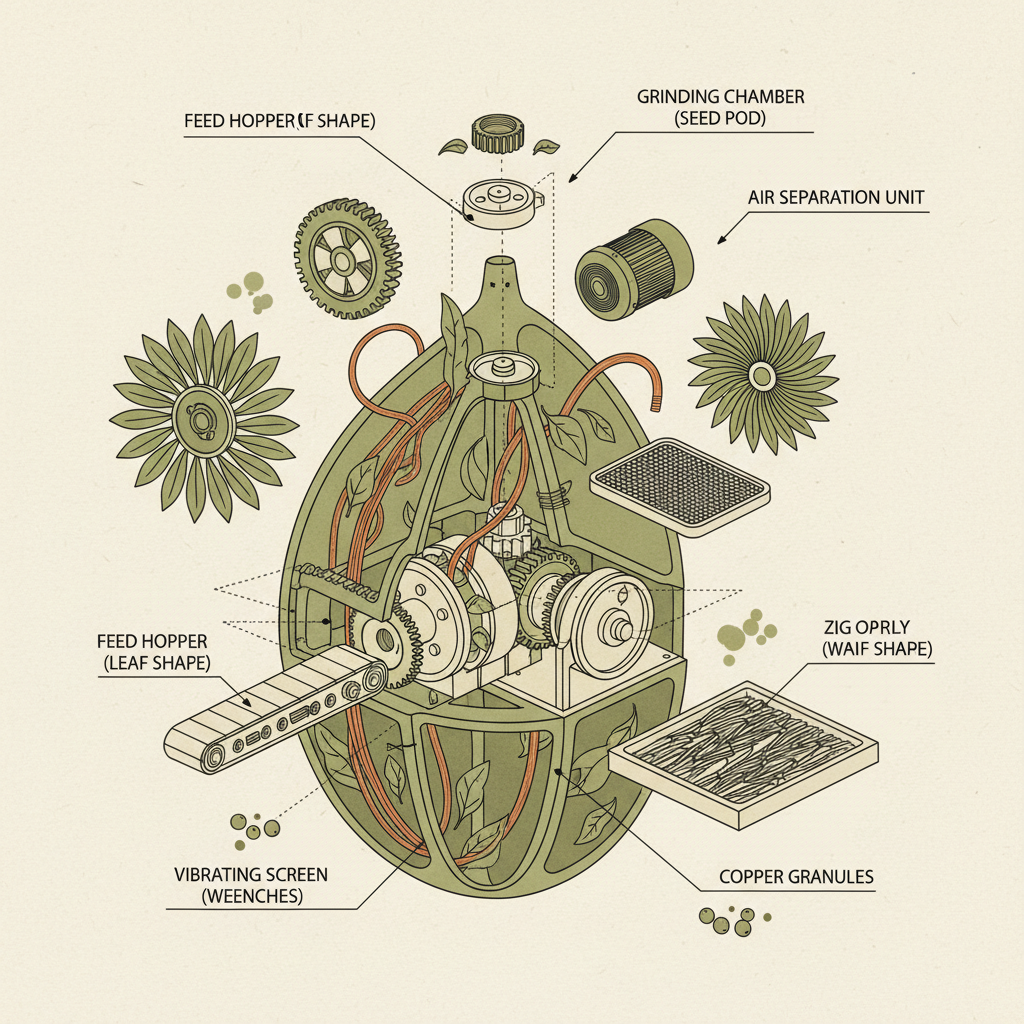
A typical system, such as a copper wire granulator, uses a multi-stage process involving pre-shredding, granulation, and air separation. This ensures that the resulting copper purity can reach up to 99.9%, which is the gold standard for resale in the commodities market.
The integration of PLC control cabinets has revolutionized these systems, allowing operators to monitor machine health in real-time and protect the equipment from overloading during the processing of oversized scrap pieces.
2Key Technical Features of High-Efficiency Shredders
High-performance shredders are characterized by their ability to maintain consistent output while minimizing wear. Leading manufacturers employ special wear-resistant alloy materials for blades and screens, which significantly reduces the frequency of replacements and lowers the overall cost per ton of processed material.
The use of double-roller feeding systems at low speeds ensures a steady flow of material into the crushing chamber. This prevents "slugging"—where too much material enters at once—thereby guaranteeing feeding efficiency and extending the lifespan of the drive motor.
Environmental control is another critical feature. Modern lines integrate pulse dust collectors to capture airborne particulates during the crushing process, ensuring that the facility remains compliant with health and safety regulations regarding secondary pollution.
3Application Scenarios in Metal Recovery
The versatility of shredding equipment allows it to be deployed across various waste streams. For example, automotive wiring harnesses and communication cables, which are often too complex for manual stripping, are ideal for granulation systems. These machines can process wires with diameters ranging from 0.02mm up to 40mm.
In municipal solid waste (MSW) sorting, larger shredders are used as the first stage of processing to break open bags and reduce the volume of mixed scrap. This allows eddy current separators and magnets to more effectively isolate non-ferrous and ferrous metals from the remaining waste.
Industrial factories generating their own scrap, such as aluminum extrusion plants, use compact shredders to densify waste for transport, reducing logistics costs and improving the efficiency of the recycling loop.
4Performance Metrics and Capacity Analysis
When evaluating scrap metal shredder manufacturers, capacity (kg/h) is the primary metric, but it must be viewed alongside power consumption and purity. For instance, a TM200 model might provide 100-200 kg/h using 12.29 kW, whereas a TM1000 scales this up to 800-1000 kg/h with 68 kW.
The efficiency of a system is measured by the ratio of recovered pure metal to the total weight of the input material. High-end systems achieve 99.9% purity by utilizing precise screen sizing and optimized air-flow separation velocities.
scrap metal shredder manufacturers Performance Metrics
Operational stability is another key metric. A machine that can operate at 90% capacity for 20 hours without overheating is far more valuable than a machine with a higher peak capacity that requires frequent cooling intervals.
5Procurement and Selection Criteria
Selecting the right equipment requires a detailed analysis of the feedstock. If the primary material consists of thin communication cables, a granulator with a fine screen is necessary. For heavier industrial scrap, a heavy-duty shredder with high-torque capabilities is required.
One-stop solution services are highly recommended. Manufacturers like Onwang Technology Hebei Co., Ltd provide not just the machinery, but project design, process flow optimization, and technical training, which reduces the risk of implementation failure.
Evaluation of the manufacturer's experience is crucial. A company with 20 years of experience in solid waste recycling equipment is more likely to understand the nuances of material behavior and provide a customized solution that fits the specific requirements of the local waste stream.
6Maintenance and Operational Constraints
The primary constraint in any shredding operation is blade wear. No matter the alloy used, friction will eventually degrade the cutting edges. Regular inspection schedules and the use of standardized blade replacement kits are essential to prevent a drop in production capacity.
Another operational limit is the input material's contamination. Items such as large chunks of concrete or heavy steel beams can damage the shredder's internal components if the pre-sorting process is inadequate.
Finally, power grid stability in some regions can affect PLC performance. Installing a voltage stabilizer is often necessary to protect the sensitive electronic controls from surges and brownouts.
7Comparative Analysis of Recovery Solutions
Different shredding technologies serve different purposes. While a granulator is specialized for wire and cable recovery, a general-purpose metal shredder is designed for volume reduction of mixed metallic waste.
The decision usually comes down to the desired output size and the purity requirements of the end-buyer. Granulation provides the highest purity but requires more energy per unit of material processed compared to simple shredding.
| Equipment Type | Primary Use | Metal Purity | Processing Speed |
|---|---|---|---|
| Wire Granulator | Cable/Wire Recovery | Ultra-High (99.9%) | Moderate |
| Heavy Metal Shredder | Auto Scrap/Steel | Moderate (Mixed) | Very High |
| PCB Shredder | Electronic Waste | High (Pre-separation) | Low to Moderate |
| Plastic/Metal Hybrid | Composite Materials | Moderate | Moderate |
| Dual-Shaft Shredder | General Volume Reduction | Low (Bulk) | High |
| Eddy Current Line | Non-Ferrous Isolation | High (Separated) | High |
For businesses seeking a comprehensive recovery plant, integrating multiple stages—shredding, granulation, and separation—is the only way to maximize the ROI of the recycled materials.
Frequently Asked Questions
Conclusion
Investing in high-quality equipment from reputable scrap metal shredder manufacturers is the cornerstone of a profitable recycling operation. By focusing on technical parameters such as purity levels, wear resistance, and PLC integration, operators can ensure a stable production flow and maximize the value of recovered metals.
Whether you are setting up a new recycling line or upgrading existing capacity, choosing a partner that offers a one-stop solution—from design to technical training—is the most effective way to mitigate operational risk. For those evaluating suitable solutions, detailed product information is available at www.owrecycling.com.