The operational cost of transporting low-density scrap metal often erodes the profit margins of recycling facilities. When metal scrap is processed in its raw, bulky form, the sheer volume leads to inefficient logistics and higher smelting energy requirements, creating a bottleneck in the circular economy.
To overcome these challenges, industrial operators are increasingly shifting toward high-torque shredding systems that can simultaneously reduce volume and purify materials. The ability to transform irregular car bodies or white goods into dense, uniform fragments is no longer just an advantage—it is a financial necessity for sustainable resource management.
Selecting the right double shaft shredder suppliers requires an understanding of how shearing force and material density interact. This article analyzes the technical framework of high-capacity shredders and how they optimize the value chain from scrap collection to final smelting.


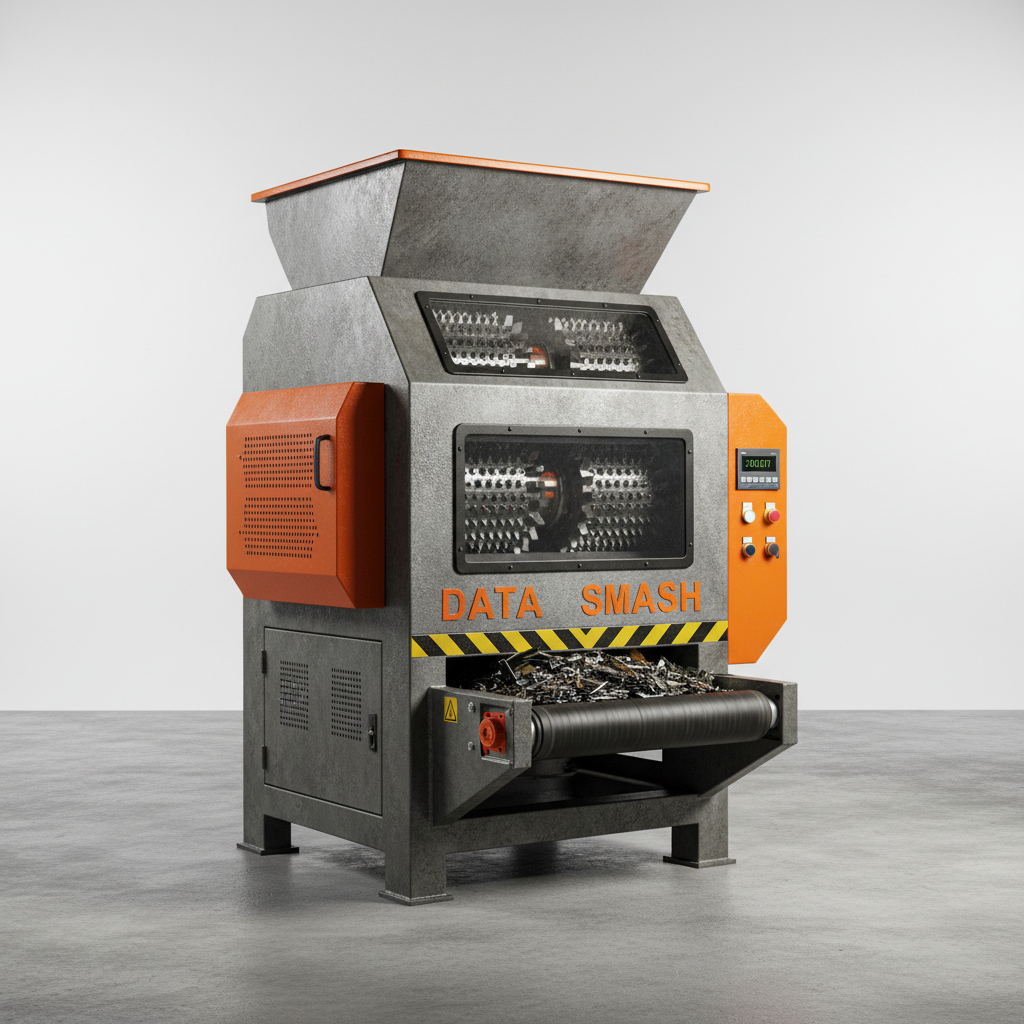
The primary function of a double shaft shredder is to apply immense shearing force to materials that resist standard cutting. By utilizing two counter-rotating shafts equipped with heavy-duty knives, the machine grips the material and pulls it through a narrow gap, forcing a mechanical failure in the scrap metal.
This process is not merely about size reduction; it is about compression. The slow-speed, high-torque approach ensures that the machine can handle foreign objects without immediate failure, while effectively increasing the bulk density of the processed scrap for more efficient handling.
Purification in the context of metal recycling refers to the removal of non-metallic impurities such as plastics, rubber, and paint. A robust shredding mechanism breaks the bond between these disparate materials, allowing downstream separators to more effectively isolate the pure metal.
The design of the knives is critical. Thick, heavy-duty blades not only increase the lifespan of the equipment but also ensure a clean shear. This prevents the "smearing" of materials, which can often trap impurities within the metal fragments and lower the overall grade of the recycled output.
Furthermore, integrating advanced dust and paint removal technologies within the shredding cycle ensures that the final output meets the strict purity standards required by high-end smelting plants, thereby increasing the market value of the recycled metal.
The economic viability of a smelting operation is heavily dependent on the "furnace-charge" quality. Low-density scrap creates air pockets in the furnace, leading to uneven heating and increased energy consumption per ton of liquid metal produced.
Increasing the density of shredded metal directly reduces transportation costs and enhances smelting energy efficiency by optimizing the thermal mass within the furnace.
By utilizing compressing mechanisms during the shredding process, the volume of the scrap is significantly reduced. This allows for more material to be transported in a single load and ensures that the furnace is charged with a dense, consistent material, reducing the operational overhead of the refining stage.
Throughput capacity is a function of motor power and feeding opening width. For instance, moving from a small-scale unit like the HM80 to a large-scale system like the HM250 increases the capacity from 1-3 t/h to 20-30 t/h. This scalability allows recycling plants to match their shredding capacity with their collection volume.
When evaluating the efficiency of double shaft shredder suppliers, operators must consider the balance between main power (kW) and the actual tonnage processed per hour to calculate the energy cost per ton of material.
The versatility of high-capacity shredders allows them to handle a wide array of raw materials. In a typical industrial setting, this includes flattened car bodies, aluminum window frames, and white goods. Each material presents different challenges; for example, car bodies require massive torque to shear structural steel, whereas empty cans require high-speed throughput to be economical.
By processing FE-containing metals and tinplate alongside aluminum, facilities can maintain a flexible intake stream. This adaptability is crucial for operators who must pivot their processing based on the fluctuating availability of different scrap metal types in the regional market.
Modern shredding equipment has moved beyond simple on/off switches. The integration of PLC (Programmable Logic Controller) cabinets allows for real-time monitoring of the shredding process, providing essential protections against overload, short-circuits, and phase-break failures.
One of the most critical advancements is the automatic reverse function. When the system detects an un-shreddable foreign material, the PLC automatically triggers a reversal of the shafts to clear the jam. This significantly reduces downtime and prevents catastrophic damage to the knives and drive motors.
Additionally, noise pollution reduction and dust extraction systems are now being integrated into the primary design. This shift reflects a broader industry trend toward environmental compliance and improved workplace safety in the machinery manufacturing sector.
Choosing the right equipment requires a trade-off analysis between feeding width, power consumption, and required output density. A larger feeding opening reduces the need for pre-shredding or manual feeding but requires a significantly more powerful motor to maintain torque.
Operators should evaluate the "resistance to foreign objects" as a key metric. Slow-speed cutters are generally more resilient to indestructible items, whereas high-speed systems are prone to sudden failure if the feedstock is not meticulously screened.
The following framework provides a comparative look at how different model specifications align with specific industrial requirements, helping buyers match their throughput needs with the appropriate machine scale.
| Model Scale | Primary Feedstock | Power Requirement | Operational Priority |
|---|---|---|---|
| Light-Duty (HM80) | Empty Cans/Small Scraps | 75 kW | Energy Efficiency |
| Mid-Range (HM100) | Aluminum Profiles | 90+90 kW | Balanced Throughput |
| Heavy-Duty (HM160) | White Goods | 132/200 kW | Material Versatility |
| Industrial (HM200) | Car Bodies/Heavy Metal | 400 kW | Max Volume Reduction |
| Ultra-Capacity (HM250) | Mixed Industrial Scrap | 600 kW | Maximum Throughput |
| Customized | Special Waste | Variable | Specific Purity/Size |
It increases value by removing impurities (such as paint and plastic) and increasing the bulk density of the metal. High-density shredded metal is more desirable for smelting plants because it provides a more efficient furnace-charge, reduces energy consumption during melting, and significantly lowers transportation costs per ton of material.
Professional systems are equipped with PLC control cabinets that monitor the motor current. When a foreign object causes a spike in resistance, the machine automatically detects the overload and triggers a reverse cycle to eject the material, preventing damage to the knives and shafts.
For car bodies, high torque and a wide feeding opening are essential. Models like the HM200 or HM250 are most suitable due to their 2500mm-3000mm feeding widths and high main power (400-600 kW), which provide the necessary force to shear through structural automotive steel.
Slow-speed cutters prioritize torque over velocity, making them far more resistant to foreign objects and suitable for heavy, irregular metal scrap. High-speed shredders may offer faster processing for light materials but are more prone to catastrophic failure when encountering hard, dense objects.
The primary maintenance focus is the wear and tear of the shredder knives. Because they deal with abrasive metals, regular inspection of the blade edges is necessary. Using hard-wearing, heavy-duty components and ensuring the PLC protections are calibrated can significantly extend the service interval.
Yes, they are designed to process a broad range of materials. In fact, shredding mixed waste is the first step in a recycling line. Once the mixed waste is shredded into uniform fragments, other equipment like eddy current separators or granulators can be used to split the metal from the plastic.
Optimizing the scrap metal value chain requires a strategic approach to volume reduction and purification. The shift toward high-torque, PLC-controlled shredding systems allows recycling facilities to transform low-value, bulky waste into high-density, purified industrial feedstock.
By aligning machine specifications—such as motor power and feeding width—with the specific characteristics of their feedstock, operators can significantly reduce logistics costs and increase smelting efficiency, directly contributing to a more sustainable and profitable circular economy.