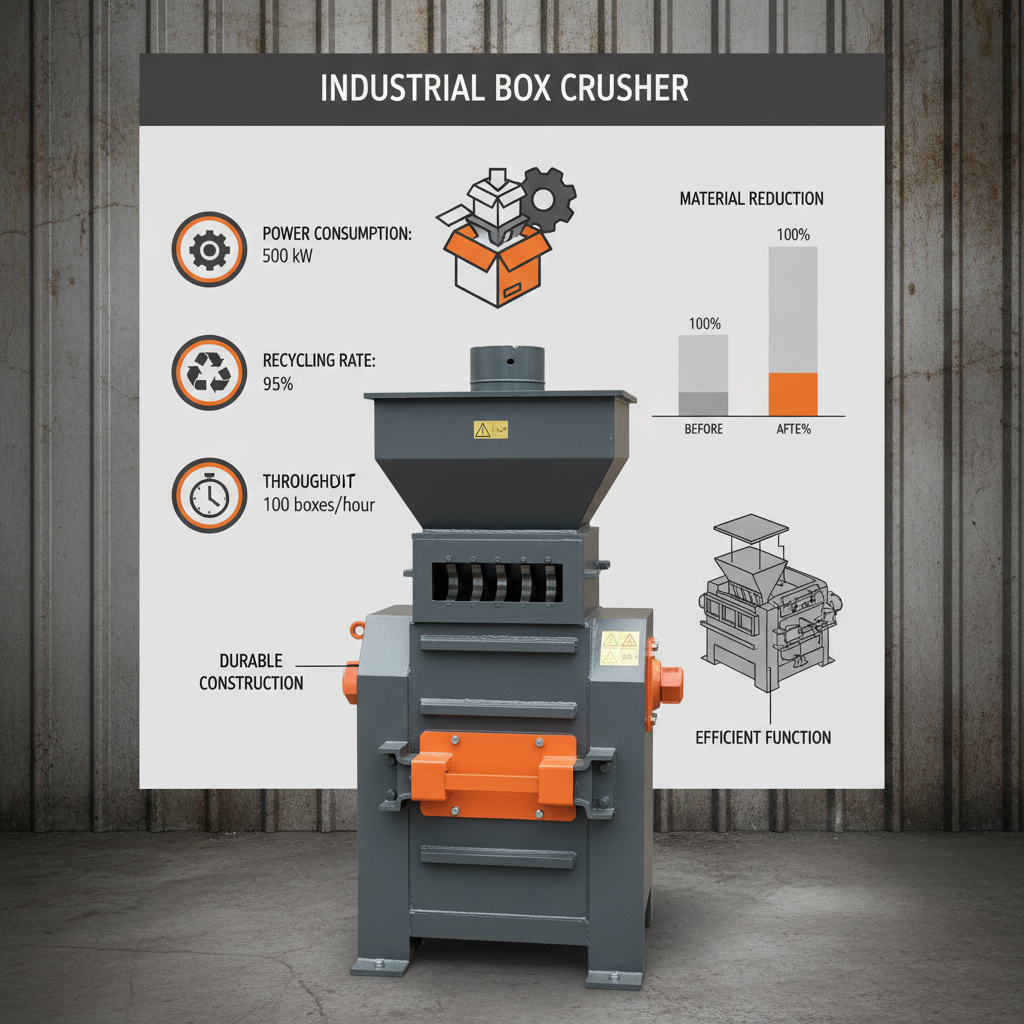
When evaluating the heavy duty metal shredder machine price, stakeholders in the environmental protection equipment industry must look beyond the initial sticker cost to understand the total cost of ownership. These industrial machines are critical for processing automotive casings, aluminum castings, and household appliances, turning bulky scrap into high-density material suitable for furnaces.
The primary challenge for procurement managers is balancing throughput capacity—ranging from 1 t/h to over 30 t/h—with the durability of the shredding components. A lower entry price often correlates with higher maintenance costs, whereas investment in high-torque double-shaft systems typically reduces long-term operational expenses.
This analysis provides a detailed breakdown of cost drivers, technical configurations, and a decision-making framework to help buyers select a recycling line that maximizes ROI through efficient metal separation and minimal downtime.

Primary Cost Drivers for Heavy Duty Shredders

The heavy duty metal shredder machine price is primarily influenced by the material grade of the cutting rotors and the torque requirements of the motor. For processing hardened metal scraps or automotive engine blocks, high-alloy steel blades are mandatory to prevent premature wear, which adds a premium to the initial capital expenditure.
Furthermore, the level of automation significantly impacts the price. Systems integrated with advanced PLC controls and automated feeding mechanisms offer higher throughput and lower labor costs but require a higher upfront investment compared to manual-feed units.
Technical Components Affecting Investment
A professional recycling line is rarely just a single machine; it is a sequence of specialized equipment. The inclusion of a heavy-duty double shaft shredder for pre-crushing and a hammer mill for secondary crushing creates a two-stage reduction process that ensures the final output is clean of paint and dirt, increasing the material's market value.
Additional components such as air separators for removing light plastics and foams, and magnetic separators for ferrous metal extraction, increase the complexity and the price of the line but are essential for achieving a high purity rate in non-ferrous metal recovery.
Operational Impact of Integrated Recycling Lines
Integrating an eddy current separator into the recycling line is a critical technical decision. This component separates non-ferrous metals from remaining waste, ensuring that the final output is suitable for direct furnace return. The efficiency of this separation directly correlates to the revenue generated per ton of processed scrap.
For materials containing soil or mixed sizes, the addition of a rotary screen is often necessary. While this increases the equipment footprint and cost, it prevents downstream contamination and protects the eddy current separator from premature wear caused by abrasive particulates.
Capacity vs. Cost Relative Analysis
Understanding the relationship between processing capacity and relative investment is key to scaling operations. As capacity increases from 1-3 t/h to 20-30 t/h, the cost per ton of capacity typically decreases due to economies of scale in motor and chassis construction.
The following illustrative framework shows the relative investment priority based on capacity levels. Higher capacity lines require more robust conveying equipment and dust removal systems to manage the increased material flow and environmental emissions.
Hidden Costs and Maintenance Variables
The true cost of a shredder extends into the operational phase. Blade sharpening and replacement are the most significant recurring expenses. Heavy-duty double shaft shredders are designed for lower speeds and higher torque, which generally reduces the frequency of blade replacements compared to high-speed horizontal hammer mills.
Energy consumption is another critical variable. Large-scale recycling lines with capacities of 15-30 t/h require substantial electrical infrastructure. Investing in high-efficiency motors can reduce monthly utility costs, offsetting the higher initial purchase price over a 3-5 year period.
Common Procurement Pitfalls in Scrap Recycling
A common mistake is purchasing a machine based solely on the lowest heavy duty metal shredder machine price without considering the specific raw material characteristics. A shredder designed for light aluminum castings will fail rapidly if used for heavy automotive casings or mixed solid waste.
Another risk is neglecting the integration of the dust removal system and air separators. Without these, the production environment becomes hazardous and the final metal output contains high levels of plastic contamination, which leads to penalties from smelting furnaces.
Buyer's Selection Framework for ROI
To maximize return on investment, buyers should categorize their needs based on material purity requirements and desired throughput. The choice between a standalone shredder and a full recycling line depends on whether the goal is simple volume reduction or high-purity metal recovery.
| Configuration Type | Primary Goal | Cost Driver | ROI Timeline |
|---|---|---|---|
| Single Shredder | Volume Reduction | Blade Material | Short Term |
| Dual-Stage Line | Surface Cleaning | Hammer Mill Power | Medium Term |
| Full Recycling Line | High Purity Metal | Separation Tech | Long Term |
| Customized Plant | Specialized Waste | Engineering Design | Project Based |
| Low Capacity (1-5t/h) | Small-Scale Entry | Basic Automation | Rapid Recovery |
| High Capacity (20t/h+) | Industrial Processing | System Stability | Scale Efficiency |
Ultimately, the most cost-effective solution is one that aligns the machine's torque and capacity with the actual tonnage of the waste stream, avoiding both under-utilization and equipment over-stress.
Frequently Asked Questions
The price is mainly driven by the processing capacity (t/h), the hardness of the alloy used for the blades, the motor torque, and whether the system includes secondary components like eddy current separators or air separators.
They serve different purposes. Double shaft shredders are ideal for pre-crushing bulky materials with high torque, while hammer mills are used for secondary crushing to clean surfaces and achieve a smaller, more uniform particle size.
It allows for the automatic separation of non-ferrous metals (like aluminum and copper) from ferrous metals and other debris, significantly increasing the purity and market price of the recovered metal.
Regular maintenance includes blade inspection, sharpening, and replacement of worn cutting edges, as well as lubrication of bearings and checking the tension of conveying belts.
Yes, manufacturers can customize the line by adding components like rotary screens for soil removal or adjusting the shredder's torque and blade configuration to match the density of the raw material.
Standard industrial capacities typically range from 1-3 t/h, 3-10 t/h, up to 20-30 t/h, with larger customized configurations available for high-volume municipal or industrial sites.
Conclusion
Selecting a heavy duty metal shredder involves a strategic trade-off between initial capital expenditure and long-term operational efficiency. By integrating pre-shredding, secondary crushing, and advanced separation technologies, operators can transform low-value scrap into high-purity industrial feedstock, ensuring a faster return on investment.
For organizations requiring a tailored solution for their specific material stream, technical consultations can help define the ideal capacity and component mix. Detailed product information and system configurations are available at www.owrecycling.com to assist in your procurement decision.