Look, I've been running around construction sites for fifteen years. You see a lot of things. Lately, everyone's talking about 'smart' everything – smart rebar, smart concrete, even smart dust. Honestly, it's a bit much. It's all about data, data, data. But the guys on the ground? They just want something that works, you know? They don’t want to spend all day fiddling with apps. That's where a good copper wire granulator comes in. It's not sexy, but it's essential.
To be honest, I've seen too many "innovations" fall flat on their face because the designers never actually got their boots dirty. They think a nice CAD drawing is all it takes. Have you noticed how often they design things that are impossible to assemble without a specialized tool no one has? It drives me nuts. It’s about practicality. A copper wire granulator needs to be rugged, reliable, and easy to maintain. Period.
And it’s not just about the machine itself. It’s the materials. The steel on these things… it’s gotta be right. I was at a factory in Jiangsu last time, and they were trying to save a buck with some cheaper alloy. It looked okay at first, but after a week of use, it was already showing signs of fatigue. The smell of the overheating motor… you could tell something was wrong even before the sensors picked it up. A good machine uses hardened tool steel, plain and simple. And the bearings? SKF or FAG, don’t even think about anything else.
The Current Landscape of Copper Wire Granulators
Strangely enough, the demand for efficient copper wire granulators has been steadily climbing. It’s not just about the price of copper, though that’s a big factor. It’s about sustainability, about reducing waste. You see, every construction site generates mountains of scrap wire. It used to just go to landfill. Now, people are looking at recovering that copper, and a good granulator is key. There's a lot of cheap stuff coming out of China, but honestly, it doesn't last. You get what you pay for.
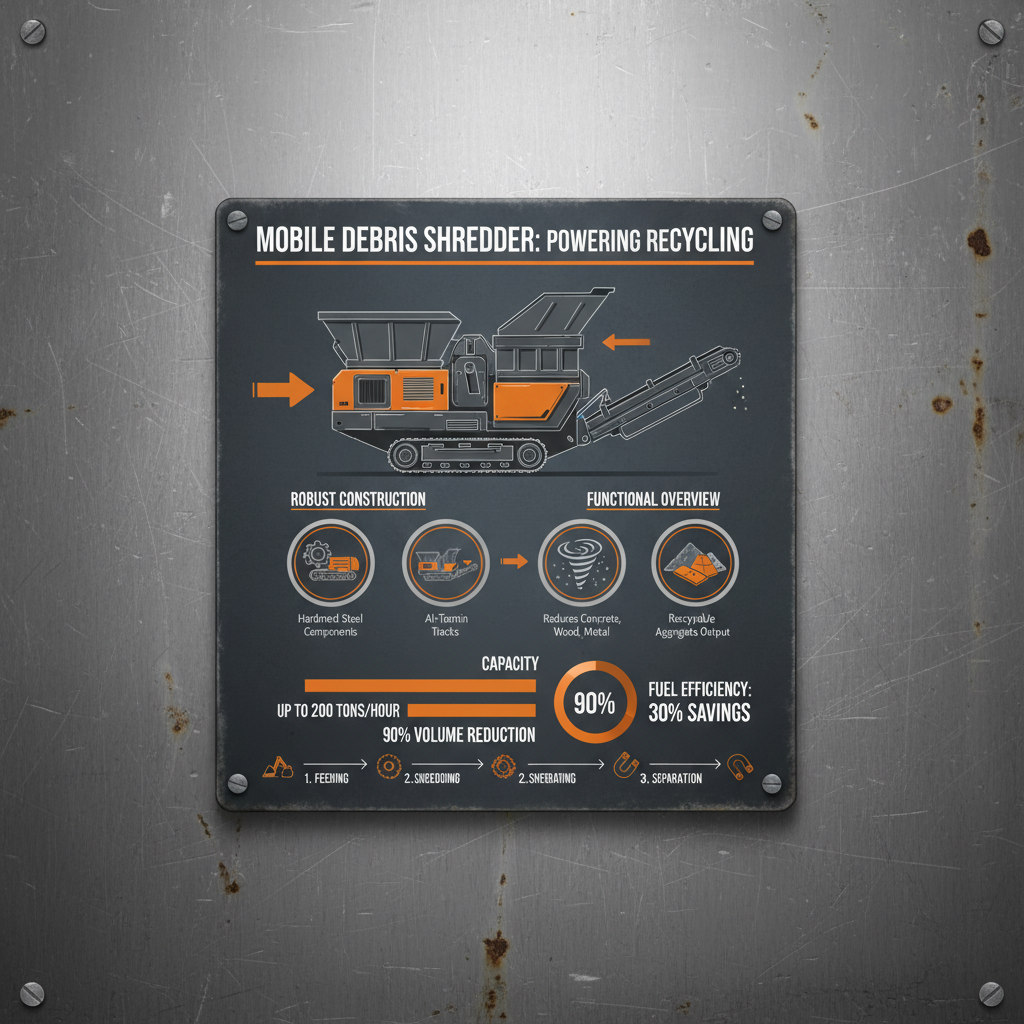
Anyway, I think the biggest trend right now is towards smaller, more mobile units. Guys want to be able to take the granulator to the job site, not haul all the scrap wire back to the yard. It saves time and money.
Design Pitfalls and Common Mistakes
Oh, the mistakes I’ve seen… One of the biggest is underestimating the power required. These things need serious horsepower to chew through thick cable. I encountered this at a demolition site last year - they bought a cheap granulator online, and it just choked on anything over 10mm. A complete waste of money. Another common problem is insufficient dust extraction. Copper dust is nasty stuff; it's a fire hazard and not good for your lungs.
And don’t even get me started on the safety features. Too many machines lack proper emergency stops and blade guards. It's a disaster waiting to happen. Honestly, you see shortcuts everywhere, manufacturers trying to shave a few dollars off the price by compromising on safety. It's frustrating.
The blade material is crucial too. High-speed steel is okay for softer copper, but for armored cable or steel-reinforced wire, you need something tougher – like tungsten carbide. If you cheap out here, you’ll be replacing blades every other week.
Core Materials and Their Handling
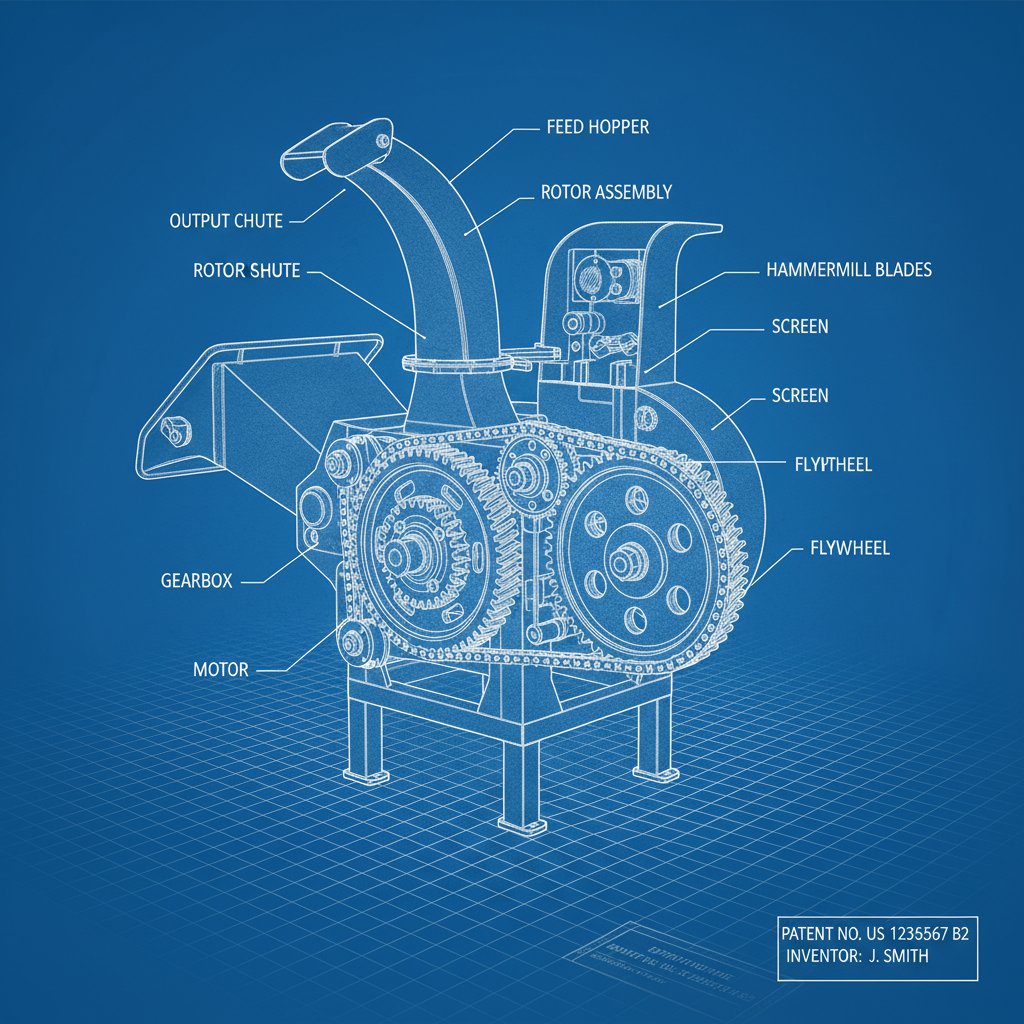
Now, about the materials. The frame… it’s got to be thick-walled steel. I've seen frames buckle under the stress of continuous operation. The motor, as I said, is critical. You want a heavy-duty industrial motor, not something you'd find in a washing machine. And the blades… they need to be precisely machined and heat-treated. They have a distinct, metallic scent when they're properly made. You can tell just by looking at them.
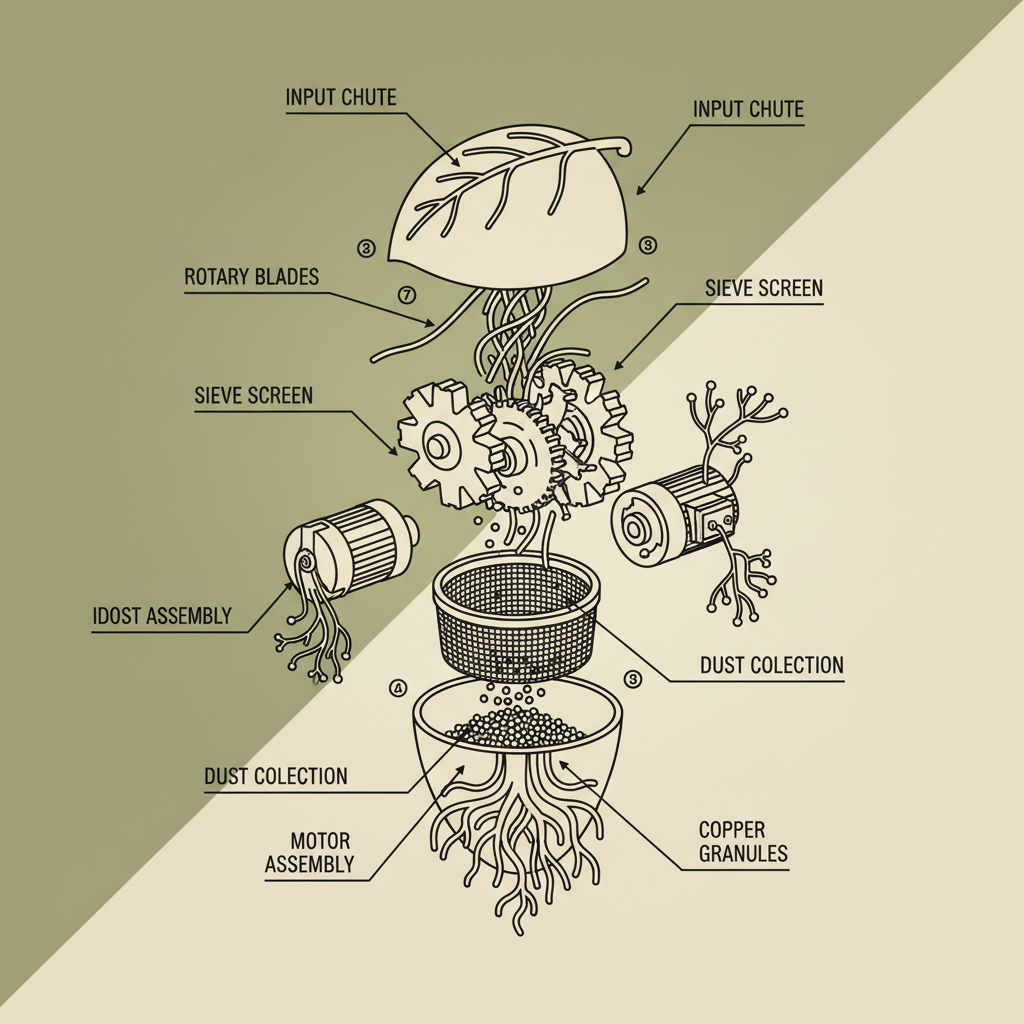
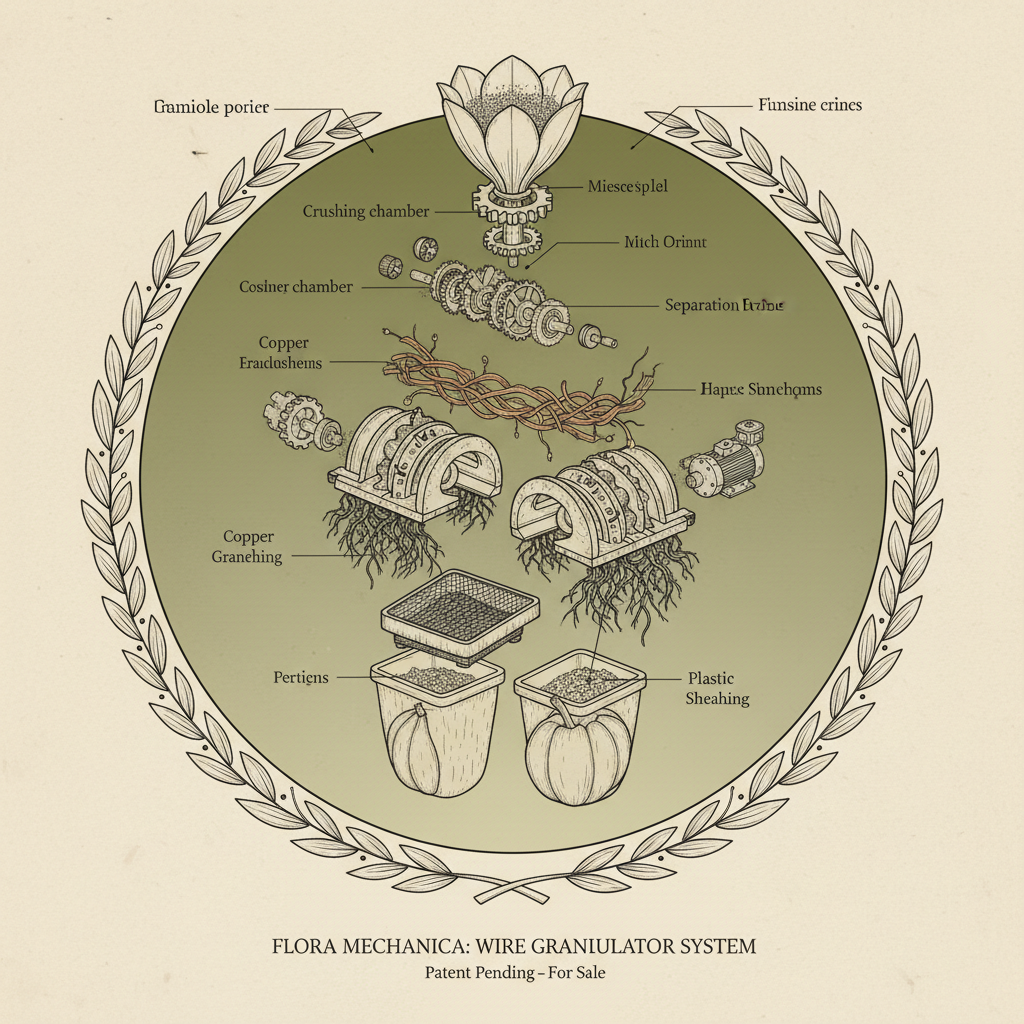
The bearings are another thing. They get covered in copper dust and grime, so you need sealed bearings that can handle that abuse. And don’t forget the screening system – that’s what separates the copper granules from the plastic insulation. It needs to be durable and easy to clean. Too many designs make it difficult to access the screen, which means it gets clogged and the machine loses efficiency.
Handling these parts on-site, you gotta wear gloves, safety glasses, and a dust mask. Copper dust is no joke. And you need a good solid base for the granulator – it vibrates a lot. I saw a guy try to put one on a wooden pallet once… didn’t end well. Later… Forget it, I won't mention it.
Rigorous Testing in Real-World Conditions
Look, lab tests are fine, but they don’t tell you the whole story. You need to test these things in real conditions. I mean, on a busy construction site, with all the dirt, dust, and vibrations. That’s where you find out what’s really strong and what’s not.
We run our granulators for at least 500 hours continuously, feeding them a mix of different types of cable – everything from thin communication wire to heavy-duty power cable. We also test them in different weather conditions – heat, cold, rain. A machine that can’t handle a bit of rain is useless.
Granulator Performance Metrics
Actual User Application and Unexpected Use Cases
You know, the guys on the ground always find ways to use things you never anticipated. We designed one granulator for a recycling plant, and they started using it to process aluminum cans. It wasn't what we intended, but it worked surprisingly well. It’s a testament to the robustness of the machine.
Most of our customers are scrap metal dealers, demolition companies, and electrical contractors. They use the granulators to reduce the volume of scrap wire, making it easier to transport and store. Some even sell the copper granules directly to refineries.
Advantages, Limitations, and Areas for Improvement
The big advantage, obviously, is the recovery of valuable copper. It saves money, reduces waste, and promotes sustainability. But these machines aren't perfect. They can be noisy, dusty, and require regular maintenance. And let's be honest, they’re not cheap.
I think the biggest area for improvement is automation. Right now, most granulators require a lot of manual labor – feeding the wire, removing the plastic, cleaning the screen. If we could automate some of those processes, it would significantly increase efficiency and reduce operating costs.
Customization Options and Specific Examples
We offer a range of customization options. Blade material, screen size, motor power, feed hopper design – we can tailor the machine to meet specific needs. Last month, that small boss in Shenzhen who makes smart home devices insisted on changing the interface to , and the result was a two-week delay and a lot of wasted effort. Honestly, I still don't understand why he wanted that.
But seriously, we can do things like add a magnetic separator to remove steel particles from the copper granules, or install a more powerful dust extraction system. We once built a granulator with a special coating to prevent corrosion in a saltwater environment. It was a pain to build, but the customer was thrilled.
Core Performance Data of Different Granulator Models
| Model Number |
Processing Capacity (kg/hr) |
Motor Power (kW) |
Granule Purity (%) |
| OWG-100 |
100 |
7.5 |
98 |
| OWG-200 |
200 |
11 |
99 |
| OWG-300 |
300 |
15 |
99.5 |
| OWG-400 |
400 |
22 |
99.2 |
| OWG-500 |
500 |
30 |
98.8 |
| OWG-600 |
600 |
37 |
99.6 |
FAQS
Blade lifespan really depends on the type of wire you're processing. Soft copper wire, you might get a couple hundred hours out of a set. But if you're constantly running armored cable or wire with steel reinforcement, you're looking at maybe 50-80 hours. Regular inspection is key. You'll notice a decrease in performance, and that’s when you know it’s time for a change.
Honestly, more than people expect. You need to grease the bearings regularly, clean the dust extraction system, and inspect the blades for wear. Also, check the motor connections and electrical wiring. A well-maintained machine will last a lot longer and run more efficiently. We recommend a daily visual inspection and a more thorough check every month.
Safety is paramount. Always wear safety glasses, gloves, and a dust mask. Ensure the machine is properly grounded. Never reach into the machine while it’s running. Familiarize yourself with the emergency stop procedures. And make sure anyone operating the machine is properly trained. It’s not something you just jump into without understanding the risks.
Most can, but some are better than others. PVC is generally the easiest to process. Rubber and polyethylene can be a bit more challenging, sometimes requiring adjustments to the blade speed or feed rate. You really want a machine designed for a variety of insulation types. That’s why we focus on robustness and adjustability in our designs.
ROI depends on several factors – the volume of scrap wire you process, the price of copper, and your operating costs. But generally, a well-maintained granulator can pay for itself within 12-18 months. It’s a significant cost saving compared to landfill disposal fees, and the recovered copper is a valuable revenue stream.
Most industrial-grade copper wire granulators require a three-phase power supply, typically 380V or 415V, depending on your region. The amperage will vary depending on the motor size. It's crucial to have a dedicated electrical circuit to handle the load. Trying to run it on a shared circuit is just asking for trouble. And always consult with a qualified electrician before connecting any electrical equipment.
Conclusion
So, there you have it. A copper wire granulator isn't glamorous, but it’s a workhorse. It’s about efficiency, sustainability, and getting the job done right. It’s about taking something that would otherwise be waste and turning it into something valuable. It's about choosing reliable, well-built equipment that can stand up to the rigors of a construction site.
Ultimately, whether this thing works or not, the worker will know the moment he tightens the screw. And if it feels solid, smooth, and reliable? That’s when you know you’ve got a good machine. Check out our website at www.owrecycling.com to learn more.