
Mar . 26, 2026 02:15 Back to list
Managing garden waste efficiently is a challenge for landscaping companies, municipalities, and even homeowners. An industrial garden waste shredder offers a powerful solution, transforming bulky debris into manageable, reusable material. This article delves into the benefits, types, applications, and key considerations when choosing a shredder, helping you make an informed decision for your specific needs. Proper waste management is crucial for environmental sustainability and cost-effectiveness.
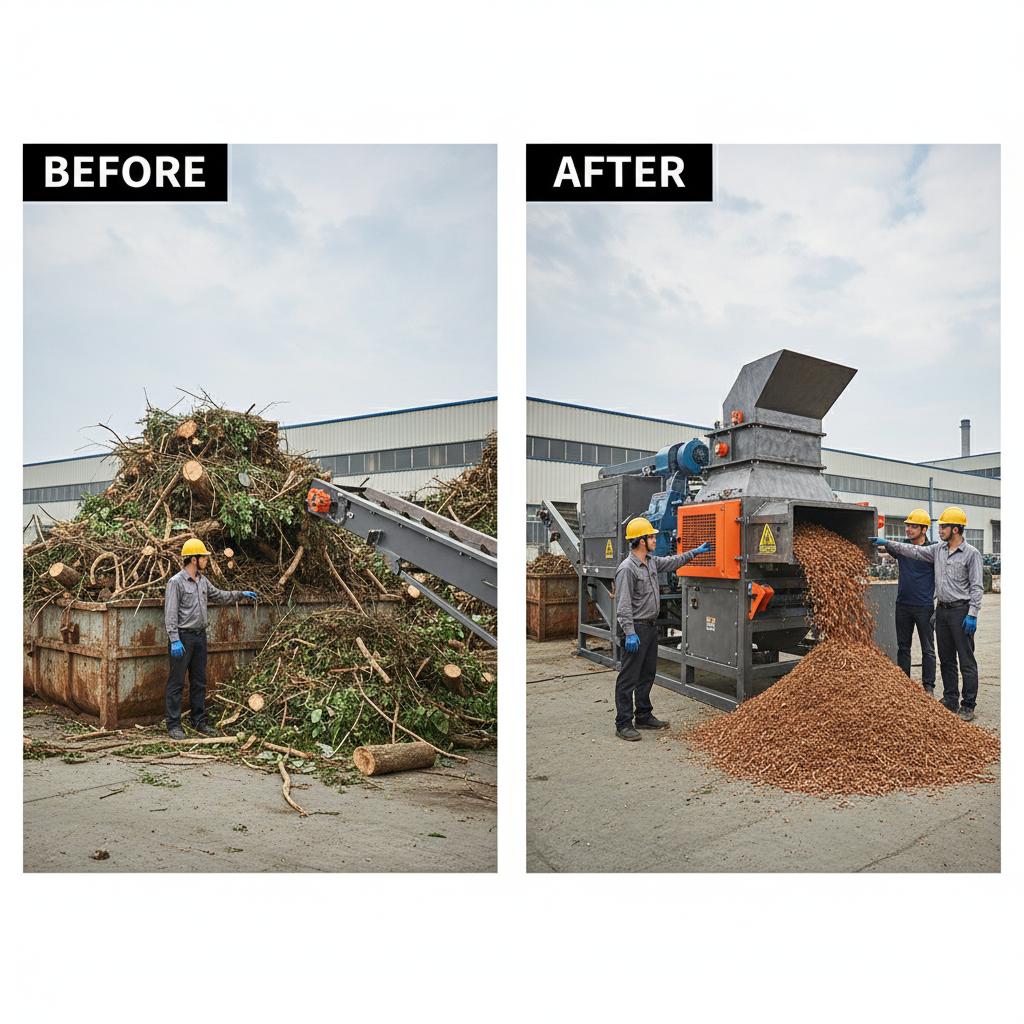
Investing in an industrial garden waste shredder provides numerous advantages. Firstly, it drastically reduces the volume of waste, lowering disposal costs and landfill impact. Secondly, the shredded material can be repurposed as mulch, compost, or biofuel, creating a valuable resource. Furthermore, shredding enhances composting speed and quality. Efficient waste processing improves operational efficiency, frees up valuable space, and promotes environmentally responsible practices. A well-chosen shredder is a long-term investment that delivers substantial returns.
Key Benefits: Reduced waste volume, creation of reusable resources, enhanced composting, improved operational efficiency, and promotion of sustainability.
Several types of industrial shredders cater to different waste volumes and material compositions. Hammer mills use rotating hammers to pulverize material, suitable for a wide range of garden waste. Disc shredders employ rotating discs with blades, offering precise shredding and lower noise levels. Drum shredders feature a rotating drum with cutting tools, ideal for large branches and tougher materials. Choosing the right type depends on the specific waste stream and desired output size. At OW Recycling, we offer a diverse range of shredders to meet any requirement.
Shredder Type Comparison:
• Hammer Mill: Versatile, suitable for various materials.
• Disc Shredder: Precise, low noise.
• Drum Shredder: Handles large branches, tough materials.
Choosing the right industrial garden waste shredder requires careful consideration of several factors. Processing Capacity: Determine the volume of waste you need to process daily or weekly. Material Type: Identify the types of garden waste (branches, leaves, shrubs, etc.) you will be shredding. Output Size: Decide on the desired particle size for your application (mulch, compost, biofuel). Power Source: Consider electric, diesel, or petrol-powered options based on your location and energy availability. Safety Features: Prioritize shredders with robust safety mechanisms to protect operators.
Industrial garden waste shredders find applications across various sectors. Landscaping companies utilize them for on-site waste processing and mulch production. Municipalities employ them for managing park and street sweepings. Agricultural operations use them for composting crop residues. Wood processing industries benefit from converting wood waste into biofuel or animal bedding. The versatility of these machines makes them essential for sustainable waste management in diverse settings.
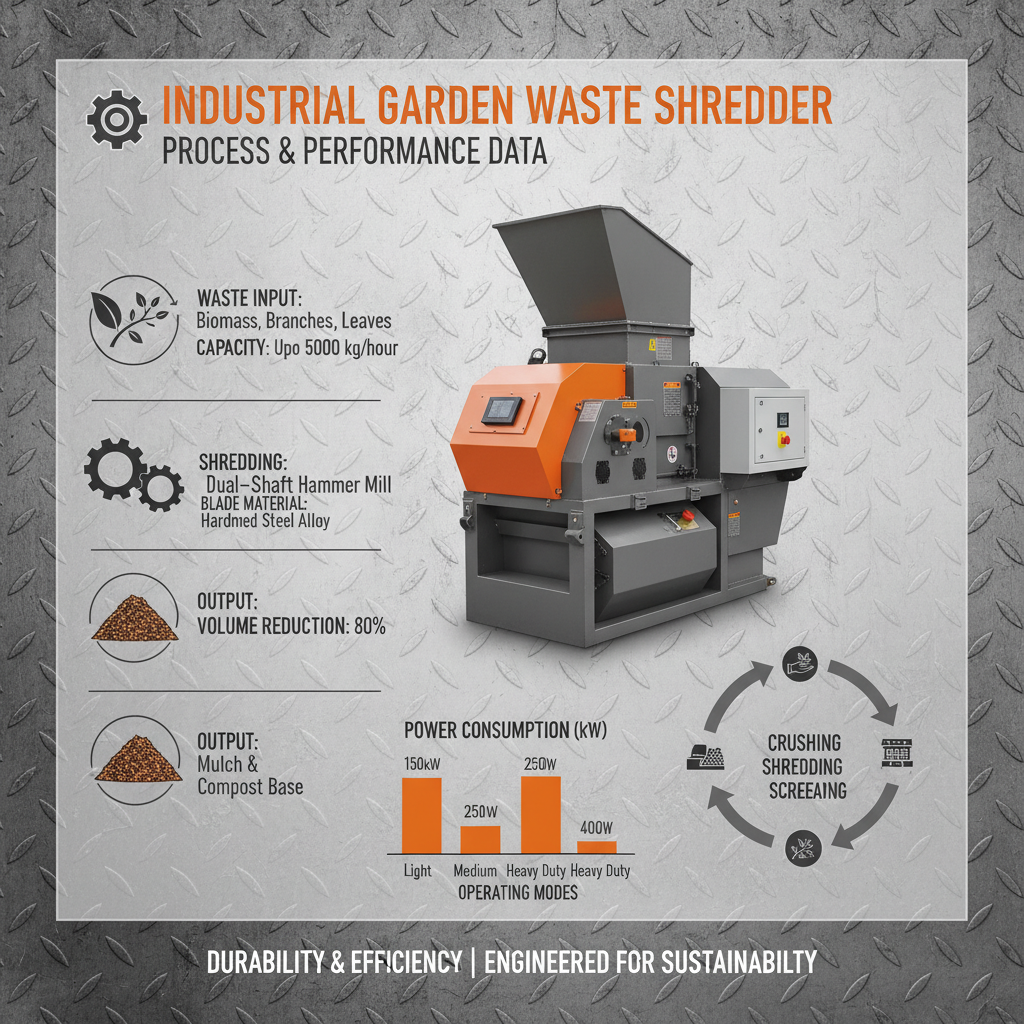
At OW Recycling, we provide a comprehensive range of industrial garden waste shredders to suit your specific needs. We offer expert guidance, reliable equipment, and exceptional customer support. Our shredders are built to withstand demanding environments and deliver consistent performance. Contact us today to discuss your requirements and find the perfect shredding solution.
An industrial garden waste shredder is a vital investment for businesses and organizations seeking sustainable and cost-effective waste management solutions. By choosing the right shredder and partnering with a trusted provider like OW Recycling, you can optimize your operations, reduce environmental impact, and create valuable resources from garden waste.
Regular maintenance is crucial for ensuring the longevity and optimal performance of your shredder. This includes daily inspections for wear and tear, lubricating moving parts, sharpening blades (for disc and drum shredders), and checking the engine oil and filters. It’s also essential to clean the machine thoroughly after each use to remove debris and prevent corrosion. Following the manufacturer's recommended maintenance schedule will significantly reduce the risk of breakdowns and extend the life of your equipment. At OW Recycling we also provide maintenance plans to ensure your machines stay in top condition.
Safety is paramount when operating an industrial shredder. Always wear appropriate personal protective equipment (PPE), including safety glasses, gloves, and hearing protection. Ensure the machine is on a stable and level surface. Never attempt to feed material into the shredder while it is running. Be aware of the potential for flying debris and keep bystanders at a safe distance. Familiarize yourself with the emergency stop mechanism and ensure it is functioning correctly. Always follow the manufacturer’s safety guidelines.
While many industrial shredders can handle some level of moisture, excessively wet garden waste can cause clogging and reduce shredding efficiency. It's best to avoid shredding completely saturated materials. Allowing the waste to partially dry before shredding will improve performance and prevent issues. Some shredder models are specifically designed to handle higher moisture content, so consider this factor when selecting a machine. Contact us at OW Recycling to discuss moisture handling capabilities.
Latest news
Efficient Copper Wire Granulators for High Purity Metal Recycling
NewsApr.16,2026
Industrial Efficiency with Single Shaft Shredder Used in Recycling
NewsApr.09,2026
Comprehensive Guide to Single Shaft Shredders for Efficient Waste Reduction
NewsApr.07,2026
Find the Best Mini Industrial Shredder for Sale and Boost Efficiency
NewsApr.04,2026
Understanding Industrial Shredding Machine Price A Comprehensive Guide To Purchasing
NewsMar.31,2026
Choosing the Right Industrial Shredder Machine Manufacturer for Your Business
NewsMar.28,2026