
Oct . 16, 2025 09:20 Back to list
If you walk a modern yard—or a tight, noisy mill feed area—you’ll notice something: densification is king. The latest Metal Balers aren’t just big hydraulic boxes; they’re the quiet force behind lower logistics costs and faster melt shop throughput. From Dafu Village, Qingyuan Town, Qingyuan District, Baoding City, Hebei Province, one manufacturer I’ve followed closely delivers hydraulic systems tuned for steel, copper, aluminum, stainless scrap, even end-of-life vehicles. To be honest, the speed-to-furnace difference is obvious after a week of real-world use.
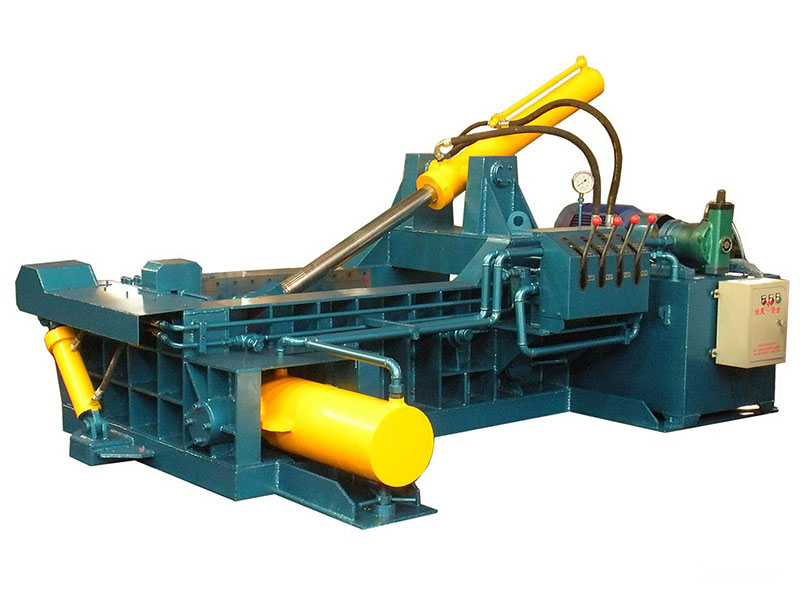
Steel plants, regional recyclers, and non‑ferrous smelters use Metal Balers to press light scrap, offcuts, copper/aluminum profiles, stainless sheet, and shredded autos into furnace-ready charges. Many customers say bale uniformity matters more than peak force once they scale—interesting, but it tracks with melt consistency.
Service life? With proper oil cleanliness and seal care, ≈8–12 years for the power unit; wear liners and shear edges are consumables. Noise levels hover around 78–85 dB in many shops, real-world use may vary.
| Spec | Typical Value (≈) | Notes |
|---|---|---|
| Main pressing force | 200–800 t | Choose by scrap type/throughput |
| Bale size | 300×300 to 600×600 mm | Custom dimensions available |
| Hydraulic pressure | 18–28 MPa | Pressure‑tested per factory SOP |
| Throughput | 8–30 t/h | Depends on scrap density, cycle time |
| Power pack | 45–160 kW | IE3/IE4 motors; diesel option |
| Certifications | ISO 9001, CE | Safety design per ANSI Z245.5, ISO 13849-1 |
| Vendor | Strengths | Trade-offs |
|---|---|---|
| OW Recycling (Hebei) | Solid hydraulics, custom bale sizes, quick spares; good ferrous density | Lead time can stretch in peak season |
| Vendor A (EU) | Advanced PLC, deep telemetry, low noise | Higher CAPEX; service contracts add up |
| Vendor B (US) | Fast on-site support, ANSI training packages | Bale size options fewer; throughput mid‑range |
Buyers typically tweak feed opening, bale chamber liners (HARDOX or equivalent), ejection mode, and power (electric vs diesel). Factory QA often includes hydrostatic testing, valve leak checks, hardness on wear plates, and a 200–500 cycle burn‑in. I’ve seen density tests logged against ISRI grades with photos—simple, but auditors love it.
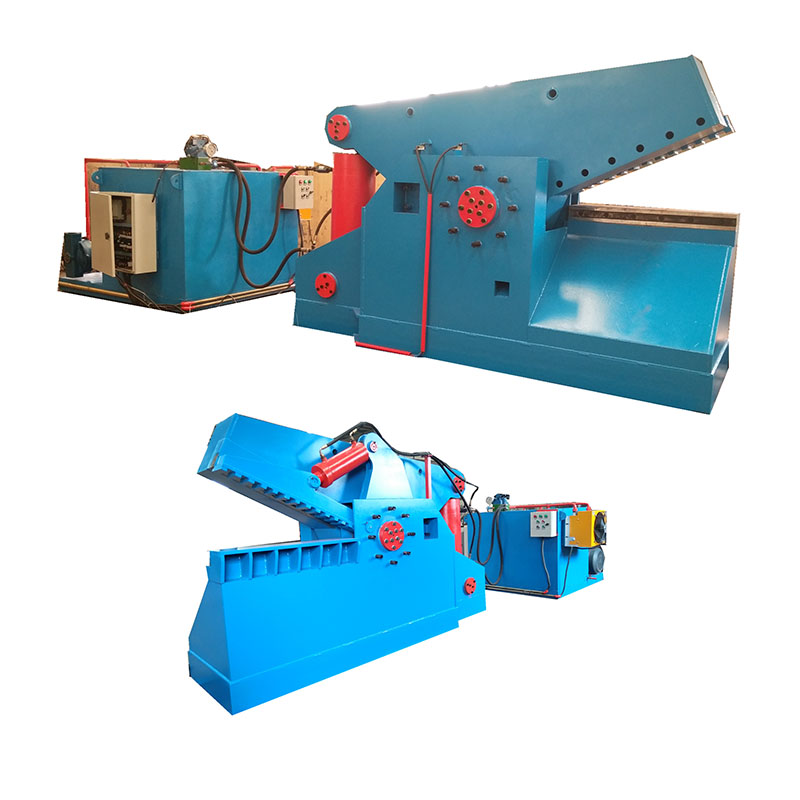
Look for interlocked doors, two‑hand controls, e‑stops, and LOTO compliance. Documentation aligning to ANSI Z245.5, ISO 12100/13849-1, and CE Machinery Directive helps pass audits. Operators appreciate clear HMI alarms and maintenance reminders—small touch, big uptime.
References:
Latest news
Efficient Copper Wire Granulators for High Purity Metal Recycling
NewsApr.16,2026
Industrial Efficiency with Single Shaft Shredder Used in Recycling
NewsApr.09,2026
Comprehensive Guide to Single Shaft Shredders for Efficient Waste Reduction
NewsApr.07,2026
Find the Best Mini Industrial Shredder for Sale and Boost Efficiency
NewsApr.04,2026
Understanding Industrial Shredding Machine Price A Comprehensive Guide To Purchasing
NewsMar.31,2026
Choosing the Right Industrial Shredder Machine Manufacturer for Your Business
NewsMar.28,2026