
Apr . 09, 2026 02:15 Back to list
In the modern waste management landscape, reducing the volume of bulky materials is critical for operational efficiency and cost reduction. A single shaft shredder used in industrial settings provides a high-torque, low-speed solution for processing plastics, rubber, wood, and electronic waste. By utilizing a rotating shaft equipped with powerful cutting blades, these machines transform oversized waste into manageable fragments, facilitating easier transport and more efficient downstream recycling. Whether you are managing a municipal waste site or a specialized manufacturing plant, understanding the mechanics and benefits of this equipment is essential for optimizing your throughput.
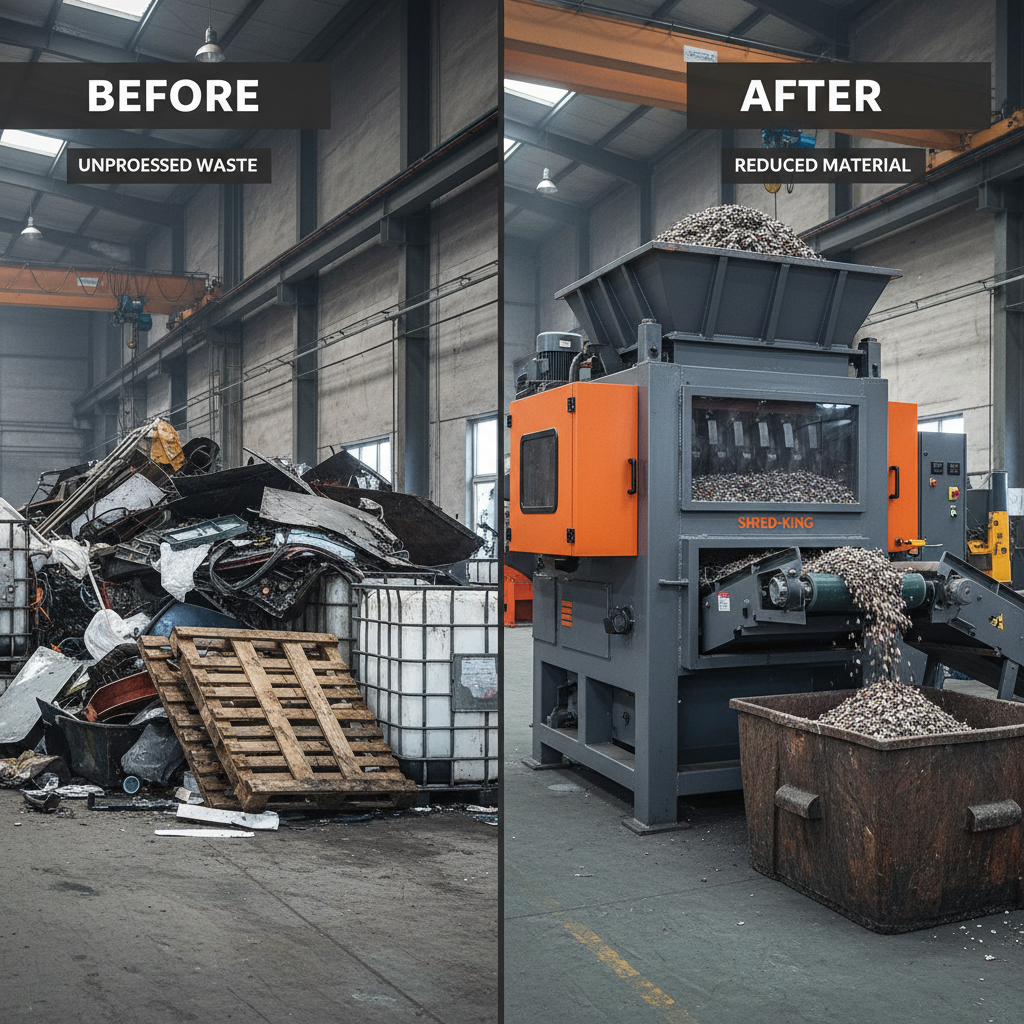
The core principle of a single shaft shredder used for recycling is the application of sheer force. Material is fed into the hopper and pushed toward a heavy-duty rotating shaft. As the shaft turns, the hardened steel cutters grip the material and tear it apart against a stationary counter-knife. This process is characterized by high torque and low rotational speed, which prevents the material from melting (common in high-speed grinding) and reduces the overall noise levels in the facility. The resulting shreds are then pushed through a screen at the bottom, ensuring that only material of the desired size exits the machine.
Technical Insight: The use of a hydraulic pusher ensures that material is constantly fed into the cutting zone, eliminating voids and preventing the machine from idling, which maximizes the hourly output capacity.
When compared to other shredding technologies, the single shaft design offers unique advantages in terms of durability and versatility. Because the cutting action is focused on one axis, the machine can handle heterogeneous materials—meaning it can process a mix of plastics and metals without immediate catastrophic failure. Furthermore, the low speed minimizes the production of "fines" or dust, which is crucial for maintaining air quality and recovering high-value materials. For businesses looking to implement a sustainable waste strategy, a single shaft shredder used ensures that waste is pre-processed efficiently, reducing logistics costs by increasing the bulk density of the material.
Operational Benefits:
• Reduced Volume: Drastically lowers the footprint of waste for storage.
• Low Maintenance: Fewer moving parts compared to twin-shaft systems.
• Customizable Output: Changeable screens allow for precise shred size control.
• Energy Efficiency: High-torque motors provide maximum power with optimized energy draw.
Deciding between a single shaft and a twin shaft system depends on your specific material and desired end-product. While twin shaft shredders are excellent for primary reduction (ripping large items apart), a single shaft shredder used is superior when a consistent particle size is required. The integration of a sizing screen in the single shaft model ensures that no oversized pieces escape, making it the ideal choice for secondary shredding or producing feedstock for extrusion processes.
The versatility of this machinery allows it to be deployed across various sectors. In the plastic recycling industry, it is used to process HDPE and PP containers. In the automotive sector, it handles car tires and interior foam. Even the wood processing industry utilizes these machines for chipping waste boards. By integrating a single shaft shredder used into the production line, companies can transform waste streams into revenue streams by selling processed regrinds to manufacturers.
To ensure you select the right model, it is crucial to examine the technical parameters. The motor power determines the maximum material hardness the machine can handle, while the shaft diameter relates to the structural stability under heavy loads. Most industrial-grade single shaft shredder used units feature an automatic reverse function, which protects the motor if an unbreakable object enters the cutting chamber. Below are the typical specifications found in professional-grade models:
Implementing a single shaft shredder used in your operational workflow is a strategic move toward sustainable industrial management. By offering a balance of high torque, consistent output size, and robust durability, these machines reduce the cost of waste disposal and create valuable raw materials for the circular economy. When selecting your equipment, focus on the motor specifications and blade quality to ensure long-term reliability. Invest in precision shredding today to secure a cleaner, more profitable tomorrow.
A single shaft shredder is incredibly versatile. It is primarily used for plastics (films, bottles, crates), rubber (tires, conveyor belts), wood (pallets, furniture), and soft metals (aluminum cans, thin sheets). Some specialized models can even process e-waste and composite materials. The key is matching the blade material and motor torque to the hardness of your specific waste stream to prevent premature wear and tear on the cutting system.
Blade wear depends heavily on the abrasiveness of the material being processed. For example, shredding glass-filled plastics or rubber will wear down blades faster than shredding soft foams. Typically, blades are inspected monthly and sharpened every 6 to 12 months. Many high-end single shaft shredder used units feature interchangeable blade modules, allowing for quick replacements without significant downtime.
Modern industrial shredders are equipped with an "Auto-Reverse" safety mechanism. When the sensors detect a sudden spike in motor current (indicating a jam or an unbreakable object), the machine automatically stops and reverses the shaft to eject the foreign object. This prevents the drive belt from snapping or the motor from burning out, ensuring the longevity of the equipment and the safety of the operators.
Yes, the output size is controlled by the screen (sieve) located beneath the cutting shaft. The material continues to be shredded until the pieces are small enough to pass through the holes in the screen. By replacing the screen with one that has smaller or larger perforations, you can precisely control the final particle size to meet the requirements of your next production stage or your buyer's specifications.
Latest news
Industrial Efficiency with Single Shaft Shredder Used in Recycling
NewsApr.09,2026
Comprehensive Guide to Single Shaft Shredders for Efficient Waste Reduction
NewsApr.07,2026
Find the Best Mini Industrial Shredder for Sale and Boost Efficiency
NewsApr.04,2026
Understanding Industrial Shredding Machine Price A Comprehensive Guide To Purchasing
NewsMar.31,2026
Choosing the Right Industrial Shredder Machine Manufacturer for Your Business
NewsMar.28,2026
Comprehensive Guide to Industrial Garden Waste Shredders for Efficient Recycling
NewsMar.26,2026