Industrial trash shredders aren’t just about reducing landfill waste; they’re a critical component of modern resource management, impacting everything from manufacturing efficiency to post-disaster recovery. I’ve spent years on sites watching mountains of scrap material – wood, metal, plastics – just piling up, a lost opportunity. A good industrial trash shredder changes that equation. It takes bulky, unusable waste and turns it into something valuable, something that can be repurposed. It’s about closing the loop, and frankly, it’s about making construction and industrial operations leaner and more sustainable.
The scale of the waste problem is massive. The UN estimates that global waste generation will increase by 70% by 2050. That’s a scary thought, especially when you consider the environmental impacts of overflowing landfills and the dwindling availability of raw materials. What I've seen on the ground confirms this - construction sites alone generate an enormous volume of waste. This isn’t just an environmental concern; it’s an economic one. Every piece of material that ends up in a landfill is a lost resource and a potential cost saving. That's where a robust industrial trash shredder becomes essential.
For me, seeing how these machines work day in and day out, it's not just about specs and tonnage. It’s about practicality. It’s about making a real difference on a job site. It's about giving crews a way to handle waste responsibly and efficiently. It’s about contributing to a more circular economy where materials are reused, not discarded.
The Global Importance of Industrial Trash Shredders
The need for effective waste management solutions is escalating globally. Industrial trash shredders are pivotal in addressing this challenge. I’ve seen first-hand how they transform waste streams. It’s not enough to just collect the scrap; you need to process it efficiently. A well-chosen industrial trash shredder is often the first step in resource recovery, allowing businesses to reclaim valuable materials and reduce their environmental footprint.
From a practical standpoint, on larger sites, having an on-site shredder drastically reduces the need for off-site waste transportation, saving both time and money. It also allows for immediate material processing, making it easier to sort and recycle different components. It's a simple equation: less waste hauled away, more resources recovered.
Defining Industrial Trash Shredders
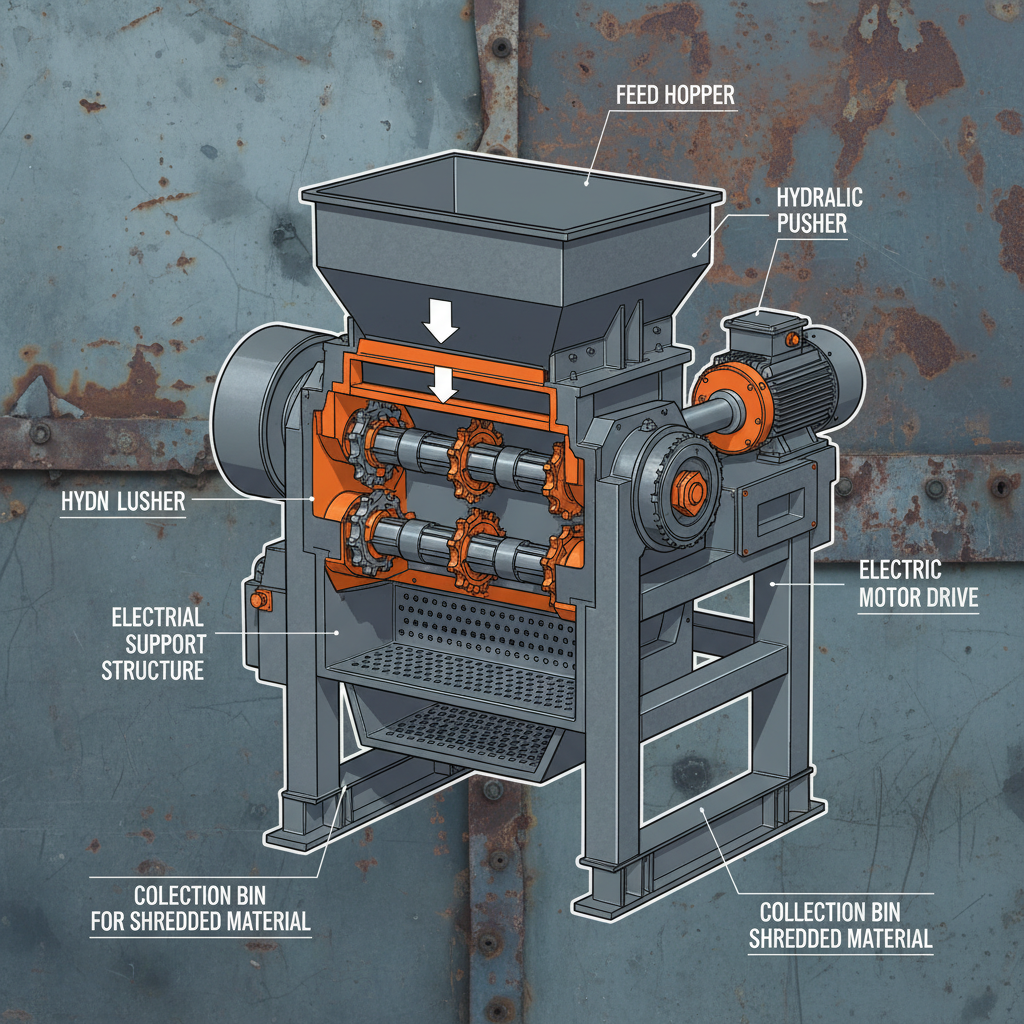
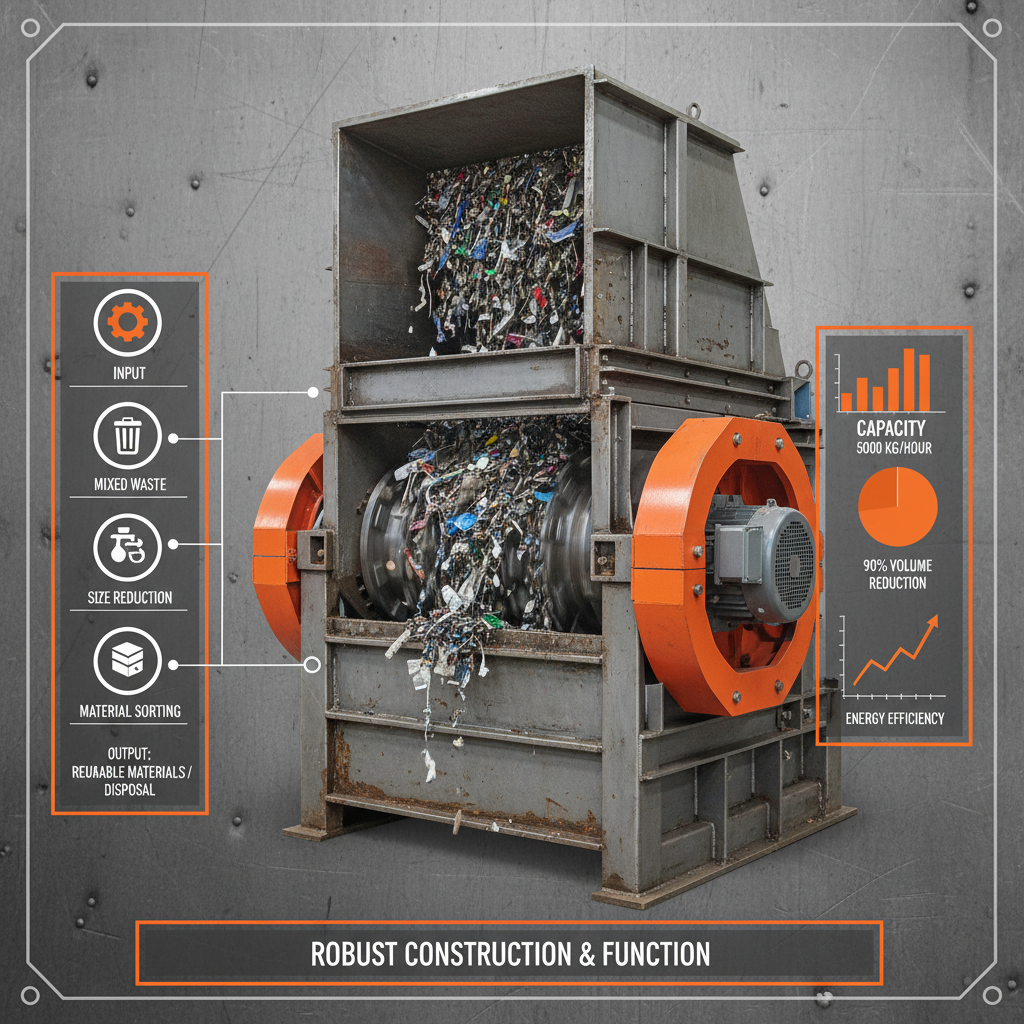
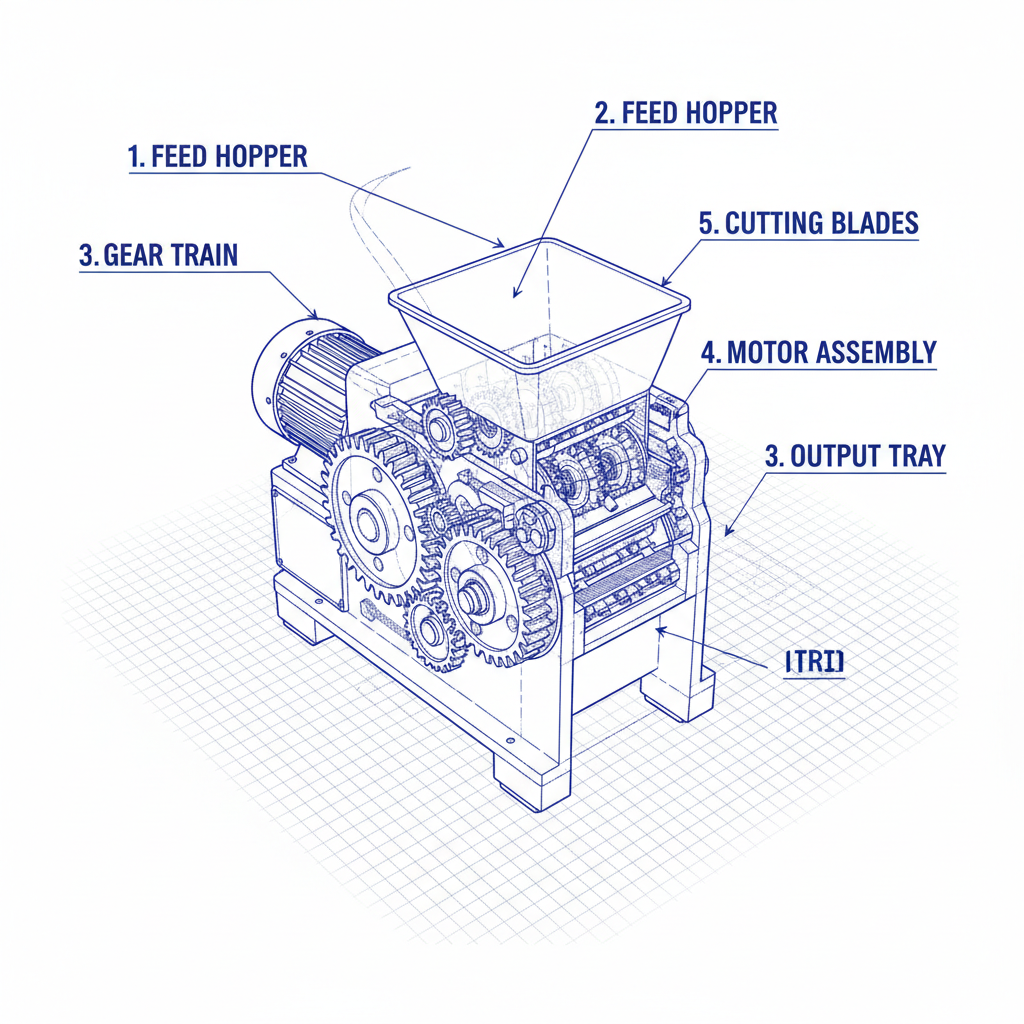
Simply put, an industrial trash shredder is a machine designed to reduce the volume of waste materials through size reduction. But it’s more complex than that. These aren’t your backyard garden shredders. These are heavy-duty pieces of equipment built to handle a wide range of materials – wood, metal, plastic, cardboard, construction debris, and more. Different shredder designs, like rotary, hammer, or shear shredders, are suited for different material types and applications. Choosing the right one depends on what you're trying to shred.
This ties directly into modern industrial practices. The push for sustainability and circular economy models demands efficient waste processing. An industrial trash shredder is no longer just a waste disposal tool; it’s an integral part of a resource recovery system. It helps companies comply with environmental regulations, reduce disposal costs, and generate revenue from recycled materials.
You also see it critical in humanitarian efforts, especially in disaster relief where quickly reducing bulky debris is essential for access and rebuilding. It's a versatile tool with applications far beyond typical industrial settings.
Key Factors in Industrial Trash Shredder Performance
When evaluating an industrial shredder, several factors are critical. Durability is paramount – these machines take a beating. You need something built to withstand continuous operation and handle abrasive materials. Scalability is another key consideration. Can the shredder handle increasing volumes of waste as your business grows? You don’t want to be replacing it every couple of years.
Cost efficiency isn’t just about the initial purchase price. It’s about maintenance, energy consumption, and the cost of replacement parts. A machine that’s cheap upfront but requires constant repairs will end up costing more in the long run. Also, consider the type of drive system – electric, hydraulic, or diesel – and its impact on operating costs. From what I’ve seen, electric drives are becoming increasingly popular due to their lower running costs and reduced emissions.
Finally, safety features are non-negotiable. Emergency stop mechanisms, overload protection, and proper guarding are essential to protect operators and prevent accidents. I've seen too many near misses where proper safety measures could have made all the difference. And don't forget ease of maintenance – you need a machine that’s easy to service and repair.
Global Applications and Use Cases
These machines are in action worldwide, though the specific applications vary. In North America and Europe, you see them extensively in municipal solid waste processing facilities, recycling plants, and construction & demolition debris recycling operations. In Asia, particularly in rapidly industrializing countries, they’re becoming increasingly vital for managing the surge in waste generated by manufacturing and urbanization.
I've worked with companies in remote industrial zones in Australia that rely on mobile shredders to process waste on-site. It's a logistical necessity when transporting waste long distances is impractical or expensive. And in post-disaster relief operations, as I mentioned earlier, portable industrial trash shredders are critical for quickly clearing debris and creating access for emergency responders.
Even specialized industries like tire recycling and wood processing have dedicated shredder designs. The common thread is the need to efficiently reduce waste volume and recover valuable materials.
Industrial Trash Shredder Application Breakdown
Advantages and Long-Term Value
The benefits of investing in an industrial trash shredder go far beyond simply reducing waste volume. There are tangible cost savings associated with reduced landfill fees and the recovery of recyclable materials. But it’s also about sustainability. By diverting waste from landfills, you’re reducing greenhouse gas emissions and conserving valuable natural resources. That's a win-win.
From a practical standpoint, I’ve seen how shredding operations create new business opportunities. The shredded material can be sold as fuel for energy plants, used as raw material for manufacturing, or processed into new products. It’s about turning a liability into an asset. And the safety aspect, when you have a well-maintained and properly operated machine, is a huge benefit for your crew.
Future Trends and Innovations
We’re seeing a lot of innovation in this space. Automated shredding systems are becoming more common, reducing labor costs and improving efficiency. Digital monitoring and control systems allow operators to track performance, diagnose problems remotely, and optimize shredding parameters. And there’s a growing focus on energy efficiency, with manufacturers developing shredders that consume less power.
I'm particularly excited about the potential of AI-powered sorting systems integrated with shredders. These systems can automatically identify and separate different materials, maximizing recovery rates and improving the quality of recycled materials. It’s a game-changer for the recycling industry.
Challenges and Solutions
One of the biggest challenges is dealing with contaminated waste streams. Materials mixed with hazardous substances require special handling and can damage shredding equipment. The solution is better source separation and pre-processing of waste materials. You need to remove contaminants before they reach the shredder.
Another challenge is maintaining optimal shredder performance. Dull blades and worn parts can reduce efficiency and increase downtime. Regular maintenance and timely replacement of wear parts are crucial. And of course, operator training is essential to ensure safe and efficient operation. It’s not enough to just buy the machine; you need to invest in training your staff.
Finally, there's the issue of dust and noise. Shredders can generate significant amounts of both. Dust control systems and noise reduction measures are essential to protect workers and comply with environmental regulations.
Summary of Challenges and Potential Solutions for Industrial Trash Shredders
| Challenge |
Impact on Operations |
Potential Solutions |
Implementation Cost (1-10) |
| Contaminated Waste Streams |
Equipment Damage, Reduced Material Quality |
Enhanced Source Separation, Pre-Processing |
5 |
| Equipment Maintenance |
Reduced Efficiency, Increased Downtime |
Regular Maintenance Schedules, Wear Part Replacement |
6 |
| Operator Training |
Safety Risks, Inefficient Operation |
Comprehensive Training Programs, Safety Protocols |
4 |
| Dust and Noise Pollution |
Worker Health, Environmental Concerns |
Dust Control Systems, Noise Reduction Measures |
7 |
| Material Variability |
Reduced Throughput, Inconsistent Output |
Adjustable Shredding Parameters, Optimized Blade Configurations |
5 |
| Energy Consumption |
High Operating Costs, Environmental Impact |
Energy-Efficient Drive Systems, Optimized Operating Procedures |
6 |
FAQS
Single-shaft shredders are typically used for shredding longer, bulkier materials like wood or tires, reducing them to a consistent particle size. Dual-shaft shredders are better suited for pre-shredding mixed waste streams, providing a more aggressive initial size reduction. The choice depends largely on the material composition and desired final product. Considering the job site and the material composition is vital when determining the best fit. From my experience, understanding the feed material is 90% of the decision-making process.
Blade replacement frequency depends heavily on the type of material being shredded and the machine's operating hours. However, a good rule of thumb is to inspect blades every 500 operating hours and replace them when they show significant wear or damage. Dull blades reduce efficiency and increase the risk of damage to the machine. Proactive maintenance saves you money in the long run – trust me, I’ve seen it firsthand.
Essential safety features include emergency stop buttons, overload protection systems, and robust guarding to prevent access to moving parts. Look for shredders that comply with relevant safety standards (like CE or UL). Operator presence sensors are also a good idea. Safety isn't something you can skimp on – it's paramount. We've all seen what can happen when safety protocols are ignored.
Dust control systems, such as spray nozzles or dust collectors, are essential for minimizing airborne particles. Noise reduction can be achieved through soundproofing enclosures or by selecting shredders with quieter drive systems. Regularly inspecting and maintaining dust control equipment is also crucial. Remember, worker health and environmental compliance are top priorities.
Pre-processing materials before feeding them into the shredder can often help. This might involve cutting them into smaller pieces or removing any non-shreddable components. Some shredders have features like reversible motors to help clear jams. It’s vital to follow the manufacturer’s guidelines and avoid overloading the machine. A little preparation goes a long way.
The ROI varies significantly based on application, material volumes, and tipping fees avoided. However, most businesses see a positive ROI within 2-5 years through reduced waste disposal costs, revenue from recycled materials, and increased operational efficiency. A detailed cost-benefit analysis, considering all factors, is crucial before making a decision. Don't underestimate the long-term savings and sustainability benefits.
Conclusion
Industrial trash shredders are no longer simply waste disposal tools; they are crucial components of a sustainable and circular economy. From reducing landfill waste and reclaiming valuable resources to improving operational efficiency and fostering innovation, the benefits are clear. Properly selected and maintained, these machines offer significant long-term value for businesses and communities alike.
Looking ahead, continued advancements in automation, digitalization, and material science will further enhance the performance and capabilities of industrial shredders. Investing in this technology isn’t just about managing waste; it’s about building a more sustainable future. If you're considering an industrial trash shredder for your operation, don't hesitate to reach out – we’re here to help you find the right solution.