
Oct . 31, 2024 21:12 Back to list
How Do You Recycle Electronic Waste?
In today's fast-paced world, electronic devices have become an integral part of our lives. From smartphones to laptops, these gadgets enhance our daily routines but also contribute significantly to the growing problem of electronic waste, commonly known as e-waste. Recycling e-waste is crucial for mitigating environmental harm, conserving resources, and ensuring that toxic materials do not end up in landfills. This article explores the process and importance of recycling electronic waste.
How Do You Recycle Electronic Waste?
The first step in recycling electronic waste is to determine whether an item is recyclable. Many electronics, such as old computers, televisions, and smartphones, can often be recycled or refurbished. Before discarding any electronic device, check for local recycling programs or take-back initiatives offered by manufacturers. These programs often ensure that devices are handled in an environmentally friendly manner.
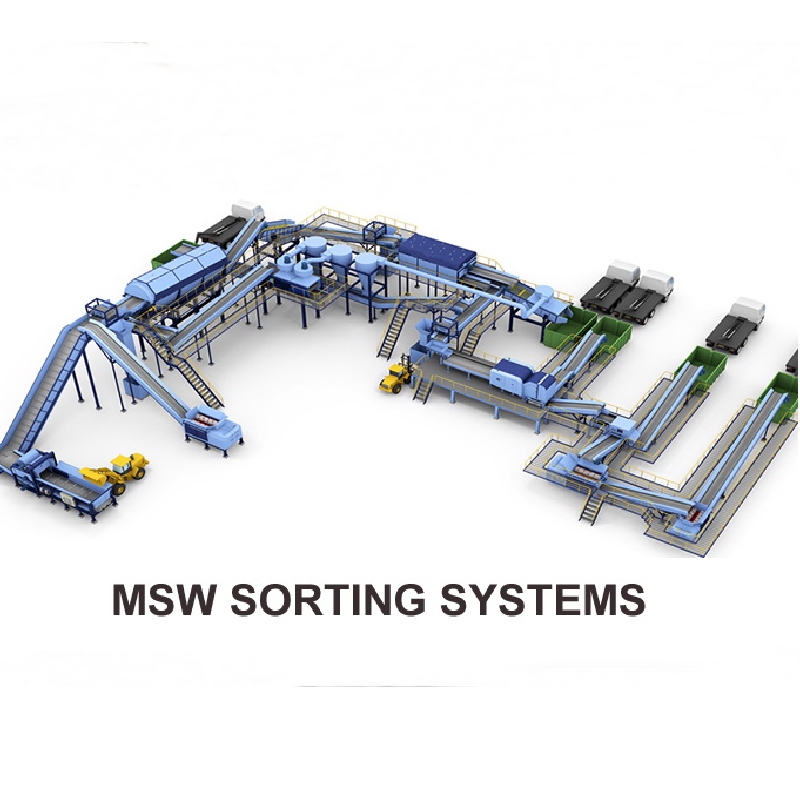
Once you have identified recyclable e-waste, the next step is proper collection and transportation. Many communities have designated e-waste collection days or drop-off locations. It is important to keep your e-waste separate from regular trash to prevent potential contamination. In some areas, specialized recycling centers focus solely on electronic waste, ensuring that materials are sorted and processed appropriately.
After collection, the recycling process begins. At recycling facilities, e-waste is disassembled, and valuable materials are extracted. Metals like copper, aluminum, and gold are separated and sent to smelting facilities for reuse, while plastics and glass can be reprocessed into new products. The recycling process not only conserves natural resources but also reduces the need for landfills, thus minimizing pollution.
Moreover, recycling e-waste helps to create jobs in the green economy, promoting sustainable practices and innovation. Many organizations are focusing on enhancing recycling technologies and finding new ways to repurpose old electronics, which can lead to economic growth and environmental benefits.
In conclusion, recycling electronic waste is vital for environmental sustainability and resource conservation. As consumers, we have a responsibility to ensure that our old electronics are disposed of responsibly. By participating in recycling programs, supporting e-waste initiatives, and educating ourselves about proper disposal methods, we can collectively contribute to a healthier planet. Remember, the next time you upgrade your device, think twice before tossing the old one—recycling it could make a significant difference.
Latest news
Troubleshooting Common Eddy Separator Problems
NewsJul.04,2025
The Role of Metal Recycling Plants in Circular Economy
NewsJul.04,2025
The Impact of Recycling Line Pickers on Waste Management Costs
NewsJul.04,2025
Safety Features Every Metal Shredder Should Have
NewsJul.04,2025
How Industrial Shredders Improve Waste Management Systems
NewsJul.04,2025
How Cable Granulators Contribute to Sustainable Recycling
NewsJul.04,2025


 Afrikaans
 Albanian
 Amharic
 Arabic
 Armenian
 Azerbaijani
 Basque
 Belarusian
 Bengali
 Bosnian
 Bulgarian
 Catalan
 Cebuano
 Corsican
 Croatian
 Czech
Czech
 Danish
 Dutch
Dutch
 Esperanto
 Estonian
 Finnish
 French
 Frisian
 Galician
 Georgian
 German
 Greek
Greek
 Gujarati
 Haitian Creole
 Hausa
Hausa
 Hawaiian
 Hebrew
 Hindi
Hindi
 Miao
Miao
 Hungarian
 Icelandic
 Igbo
Igbo
 Indonesian
 Irish
Irish
 Italian
 Japanese
 Javanese
 Kannada
 Kazakh
 Khmer
Khmer
 Rwandese
 Korean
 Kurdish
 Kyrgyz
 Lao
Lao
 Latin
Latin
 Latvian
 Lithuanian
 Luxembourgish
 Macedonian
 Malgashi
 Malay
Malay
 Malayalam
 Maltese
 Maori
Maori
 Marathi
 Mongolian
 Myanmar
 Nepali
 Norwegian
 Norwegian
 Occitan
 Pashto
 Persian
 Polish
 Portuguese
 Punjabi
 Romanian
 Russian
 Samoan
 Scottish Gaelic
 Serbian
 Sesotho
 Shona
Shona
 Sindhi
 Sinhala
 Slovak
 Slovenian
 Somali
 Spanish
 Sundanese
 Swahili
 Swedish
 Tagalog
 Tajik
Tajik
 Tamil
Tamil
 Tatar
Tatar
 Telugu
 Thai
Thai
 Turkish
 Turkmen
 Ukrainian
 Urdu
Urdu
 Uighur
 Uzbek
Uzbek
 Vietnamese
 Welsh
Welsh
 Bantu
Bantu
 Yiddish
 Yoruba
 Zulu
Zulu
 English