
Nov . 02, 2024 18:10 Back to list
Aluminium Recycling Plant A Sustainable Solution for a Greener Future
Aluminium is one of the most widely used metals in the world, valued for its lightweight, durability, and resistance to corrosion. However, the extraction of aluminium from bauxite ore is an energy-intensive process that contributes significantly to environmental degradation and carbon emissions. This is where aluminium recycling plants play a critical role. By transforming scrap aluminium back into usable metal, these facilities offer a sustainable solution that benefits both the economy and the environment.
Aluminium recycling plants operate on the principle of circular economy, where waste is treated as a resource. The process begins with the collection of scrap aluminium from various sources, including post-consumer products like cans, foils, and car parts. This scrap is then sorted to remove impurities and non-aluminium materials. Once sorted, the aluminium is shredded into smaller pieces, making it easier to melt and process.
The melting process is crucial in recycling but differs significantly from primary aluminium production. Recycling aluminium requires only about 5% of the energy used to produce aluminium from ore, making it a much more environmentally friendly option. The melted aluminium is then poured into molds to form ingots, which can be transported to manufacturers for the production of new products. This closed-loop system not only conserves energy but also reduces greenhouse gas emissions.
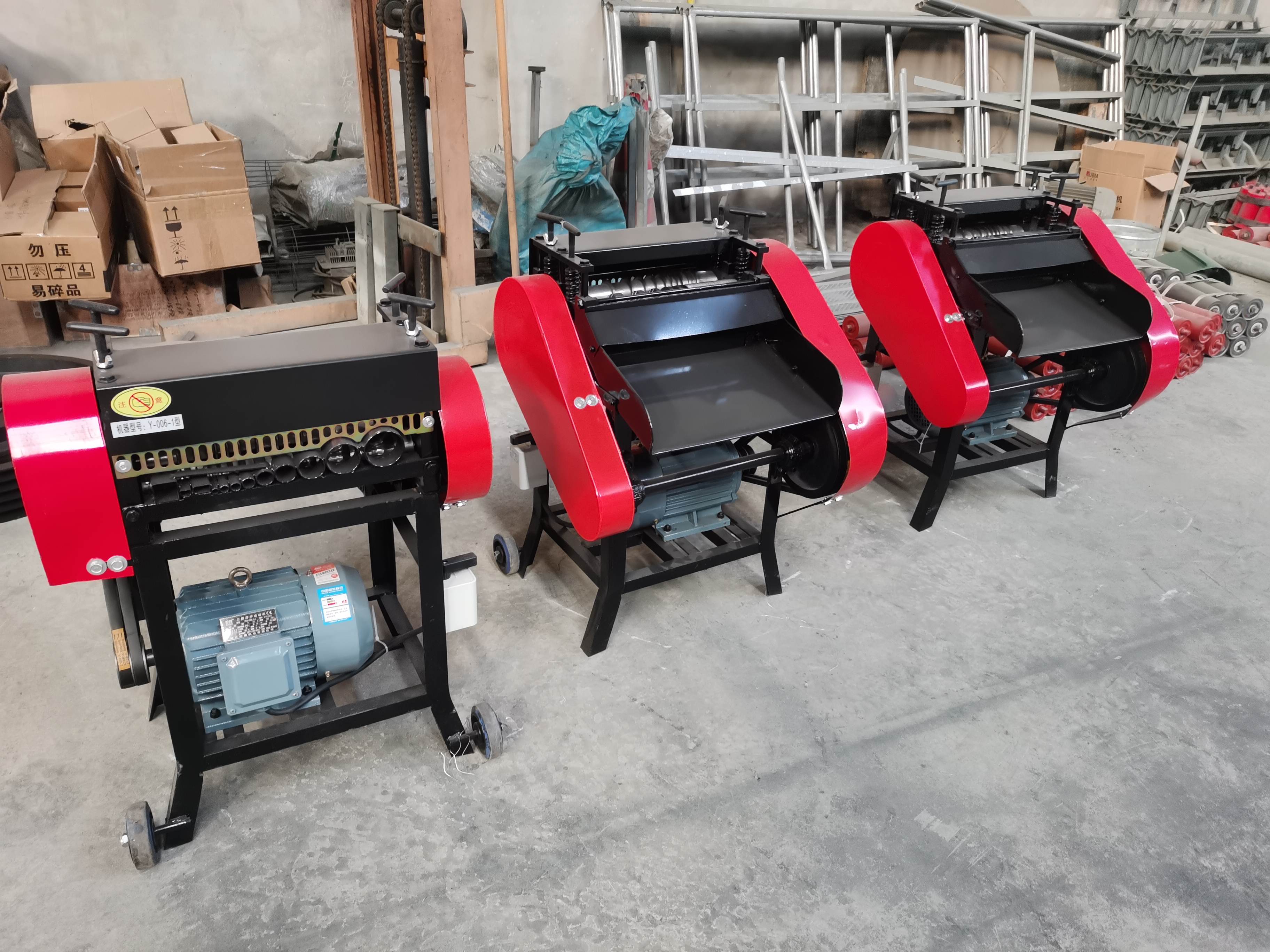
Furthermore, aluminium recycling helps to alleviate the problem of waste management. In an age where landfills are nearing capacity, recycling plants contribute to reducing the amount of waste that ends up in these sites. By repurposing scrap aluminium, recycling facilities minimize environmental impact and promote responsible consumption practices.
The economic benefits of aluminium recycling plants are equally significant. By creating jobs in the recycling and manufacturing sectors, these facilities support local economies. Additionally, recycled aluminium has a lower production cost compared to virgin aluminium, which can lead to reduced prices for consumers.
In conclusion, aluminium recycling plants are vital in the quest for sustainability and environmental protection. They not only provide an efficient way to manage aluminium waste but also contribute to energy conservation and economic growth. As we face increasing environmental challenges, enhancing our recycling efforts is essential for ensuring a sustainable future. By investing in aluminium recycling, we can forge a path towards a greener, more circular economy that benefits all.
Latest news
Troubleshooting Common Eddy Separator Problems
NewsJul.04,2025
The Role of Metal Recycling Plants in Circular Economy
NewsJul.04,2025
The Impact of Recycling Line Pickers on Waste Management Costs
NewsJul.04,2025
Safety Features Every Metal Shredder Should Have
NewsJul.04,2025
How Industrial Shredders Improve Waste Management Systems
NewsJul.04,2025
How Cable Granulators Contribute to Sustainable Recycling
NewsJul.04,2025


 Afrikaans
 Albanian
 Amharic
 Arabic
 Armenian
 Azerbaijani
 Basque
 Belarusian
 Bengali
 Bosnian
 Bulgarian
 Catalan
 Cebuano
 Corsican
 Croatian
 Czech
Czech
 Danish
 Dutch
Dutch
 Esperanto
 Estonian
 Finnish
 French
 Frisian
 Galician
 Georgian
 German
 Greek
Greek
 Gujarati
 Haitian Creole
 Hausa
Hausa
 Hawaiian
 Hebrew
 Hindi
Hindi
 Miao
Miao
 Hungarian
 Icelandic
 Igbo
Igbo
 Indonesian
 Irish
Irish
 Italian
 Japanese
 Javanese
 Kannada
 Kazakh
 Khmer
Khmer
 Rwandese
 Korean
 Kurdish
 Kyrgyz
 Lao
Lao
 Latin
Latin
 Latvian
 Lithuanian
 Luxembourgish
 Macedonian
 Malgashi
 Malay
Malay
 Malayalam
 Maltese
 Maori
Maori
 Marathi
 Mongolian
 Myanmar
 Nepali
 Norwegian
 Norwegian
 Occitan
 Pashto
 Persian
 Polish
 Portuguese
 Punjabi
 Romanian
 Russian
 Samoan
 Scottish Gaelic
 Serbian
 Sesotho
 Shona
Shona
 Sindhi
 Sinhala
 Slovak
 Slovenian
 Somali
 Spanish
 Sundanese
 Swahili
 Swedish
 Tagalog
 Tajik
Tajik
 Tamil
Tamil
 Tatar
Tatar
 Telugu
 Thai
Thai
 Turkish
 Turkmen
 Ukrainian
 Urdu
Urdu
 Uighur
 Uzbek
Uzbek
 Vietnamese
 Welsh
Welsh
 Bantu
Bantu
 Yiddish
 Yoruba
 Zulu
Zulu
 English