
Mar . 07, 2026 02:15 Back to list
Managing waste effectively is a critical aspect of modern industrial operations. From reducing landfill costs to reclaiming valuable materials, a robust waste management system can significantly impact a company's bottom line. At the heart of many successful systems lies the industrial trash shredder. This article will delve into the world of industrial shredders, exploring their benefits, types, applications, and how to choose the right model for your specific needs. Effective waste processing is no longer just an environmental concern; it's a strategic advantage. OW Recycling provides high-quality shredding solutions tailored to diverse industrial requirements.
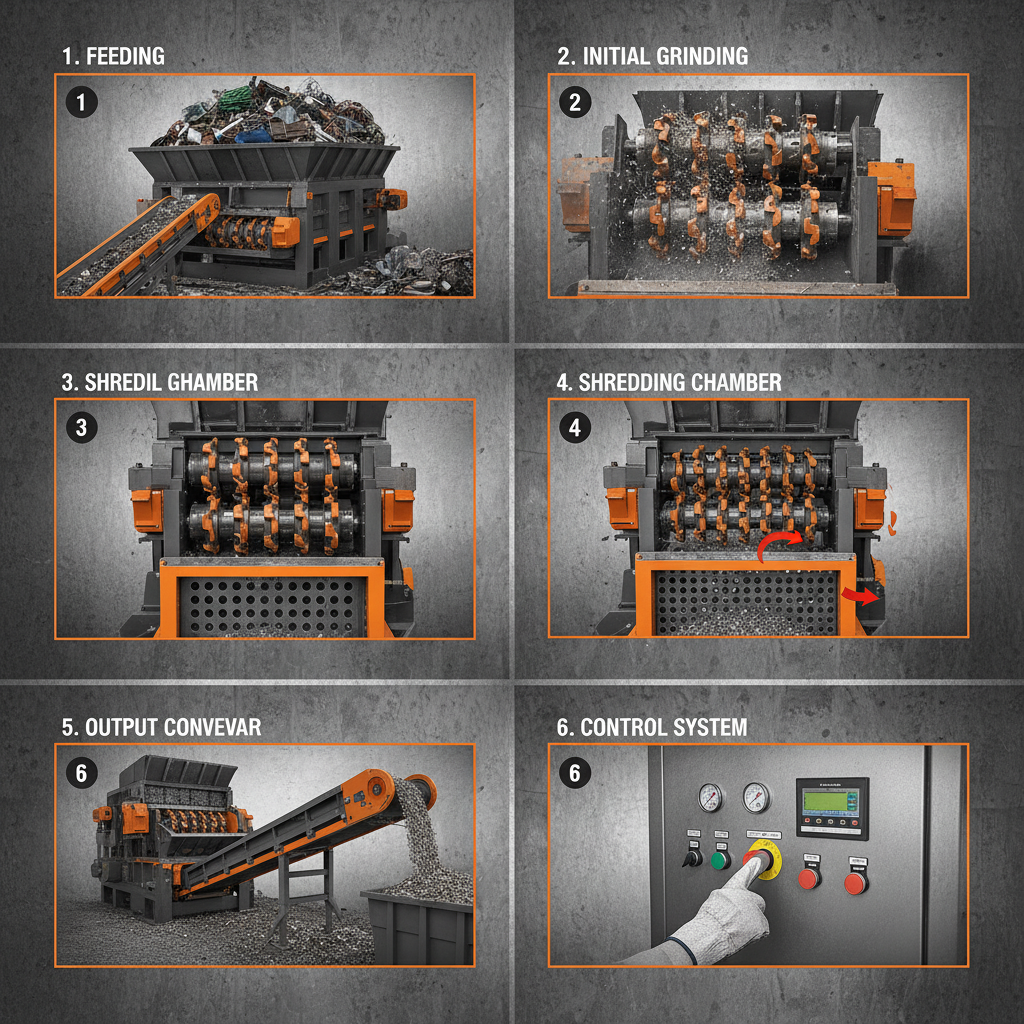
Implementing an industrial trash shredder offers numerous advantages for businesses. Firstly, it significantly reduces the volume of waste, lowering disposal costs. Secondly, it allows for the recovery of valuable materials like plastics, metals, and paper, which can be recycled and reused, generating revenue. Furthermore, shredding enhances security by destroying sensitive documents and confidential information. Finally, it streamlines waste handling processes, improving efficiency and reducing labor costs. Investing in a shredder is an investment in sustainability, profitability, and security.
Key Benefits: Reduced disposal costs, material recovery, enhanced security, streamlined processes, improved sustainability.
The market offers a variety of industrial trash shredders, each designed for specific applications. Single-shaft shredders are ideal for large, bulky items like pallets, tires, and wood. Two-shaft shredders are better suited for mixed waste streams, including plastics, paper, and metals. Granulators are designed for precision shredding of plastics and rubber, producing a consistent particle size. Finally, four-shaft shredders excel at shredding delicate materials, like films and fibers. Choosing the right type depends on the volume, composition, and desired output of your waste stream.
Shredder Type Overview:
• Single-Shaft: Bulky items, high volume.
• Two-Shaft: Mixed waste, versatile.
• Granulator: Plastics, rubber, precise size.
• Four-Shaft: Delicate materials, films, fibers.
When evaluating an industrial trash shredder, several key features should be considered. These include motor horsepower, rotor speed, feed opening size, discharge conveyor capacity, and safety features. A higher horsepower motor can handle tougher materials and higher volumes. Rotor speed affects particle size and throughput. The feed opening size dictates the maximum size of materials that can be processed. A robust discharge conveyor ensures efficient material handling. And, of course, comprehensive safety features like emergency stop buttons and safety guards are paramount.
Choosing the ideal industrial trash shredder requires careful consideration. Begin by analyzing your waste stream – its composition, volume, and size. Then, determine your desired output size and throughput requirements. Next, evaluate the available space and power supply. Finally, consider factors like noise levels, maintenance requirements, and safety features. Consulting with a shredder expert, like those at OW Recycling, can ensure you select the most efficient and cost-effective solution.
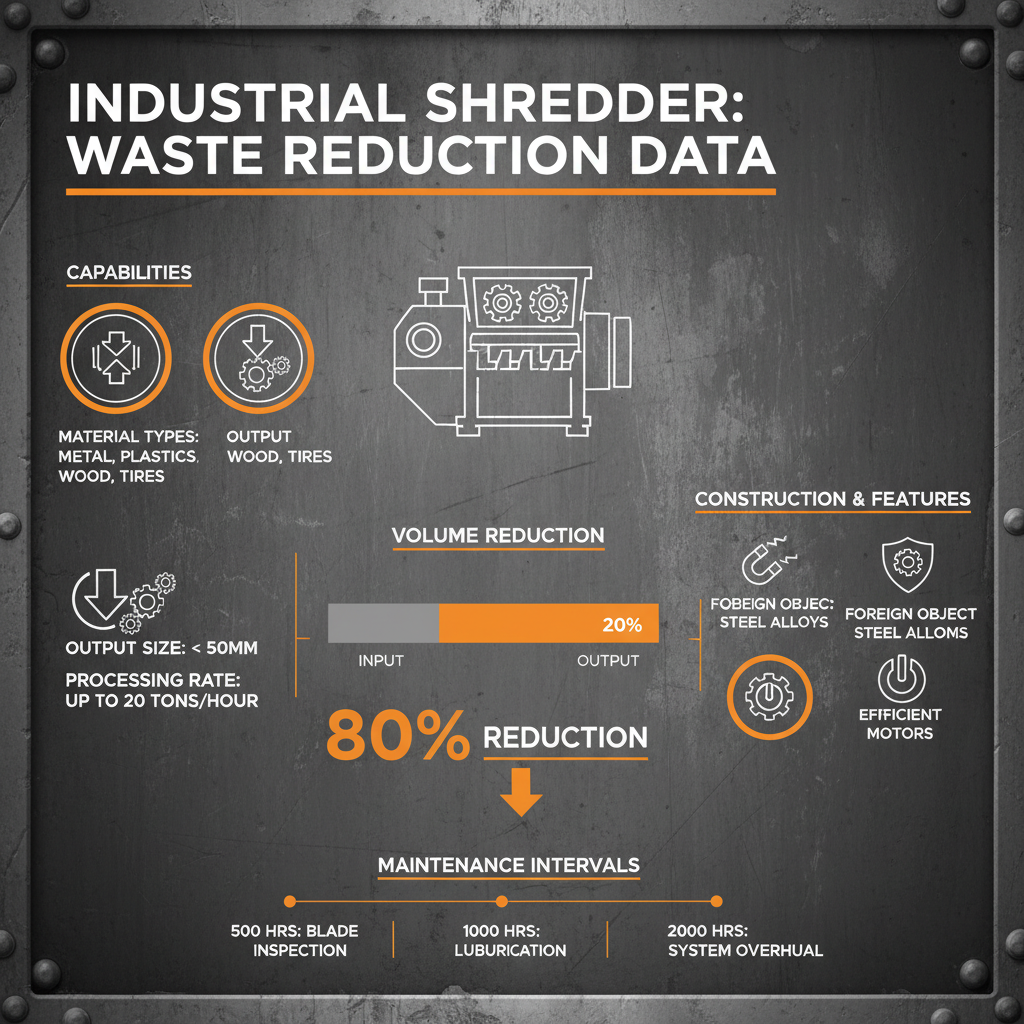
Safety is paramount when operating an industrial trash shredder. Always ensure that all safety guards are in place and functioning correctly. Operators should receive thorough training on proper operating procedures and emergency shutdown protocols. Wear appropriate personal protective equipment (PPE), including safety glasses, gloves, and hearing protection. Never attempt to manually feed materials into the shredder while it's running. Regular maintenance and inspection are critical for identifying and addressing potential safety hazards. Prioritize safety to prevent accidents and ensure a productive work environment.
Investing in the right industrial trash shredder is a strategic decision that can significantly benefit your business. From reducing waste disposal costs to enhancing security and promoting sustainability, the advantages are undeniable. OW Recycling offers a comprehensive range of shredding solutions to meet your specific needs. Contact us today to explore how we can help you optimize your waste management processes.
Industrial trash shredders are capable of processing a wide variety of materials, including plastics (various types), paper, cardboard, wood, textiles, metal (depending on the shredder type and material hardness), and even electronic waste. However, it’s crucial to choose a shredder designed to handle the specific materials you’ll be processing. For example, a shredder designed for wood might not be suitable for thick metals. Some shredders can handle mixed waste streams, while others are best suited for single materials. It's vital to consult with a shredder specialist to determine the best machine for your needs. OW Recycling can help you choose the right model.
Industrial shredders require regular maintenance to ensure optimal performance and longevity. This typically includes daily inspections for wear and tear, lubrication of moving parts, sharpening or replacing cutting blades, and cleaning to prevent material buildup. The frequency of maintenance will vary depending on the shredder type, usage intensity, and the materials being processed. Following the manufacturer’s recommended maintenance schedule is crucial. OW Recycling offers maintenance programs and support to help you keep your shredder running smoothly.
Safety features are essential when choosing an industrial shredder. Look for features such as emergency stop buttons, safety guards around moving parts, automatic shut-off systems, overload protection, and interlocks that prevent operation when safety guards are removed. Proper training for operators is also crucial. Ensure the shredder meets relevant safety standards and certifications. A reliable supplier like OW Recycling will prioritize safety in their designs and offer comprehensive safety training.
The ROI for an industrial shredder varies depending on factors such as the volume of waste processed, the value of recovered materials, and the reduction in disposal costs. However, many businesses see a return on their investment within 12-24 months. The savings from reduced landfill fees, coupled with the revenue generated from recycled materials, can quickly offset the initial cost of the shredder. OW Recycling can provide a customized ROI analysis based on your specific waste stream and operational needs.
Latest news
Efficient Copper Wire Granulators for High Purity Metal Recycling
NewsApr.16,2026
Industrial Efficiency with Single Shaft Shredder Used in Recycling
NewsApr.09,2026
Comprehensive Guide to Single Shaft Shredders for Efficient Waste Reduction
NewsApr.07,2026
Find the Best Mini Industrial Shredder for Sale and Boost Efficiency
NewsApr.04,2026
Understanding Industrial Shredding Machine Price A Comprehensive Guide To Purchasing
NewsMar.31,2026
Choosing the Right Industrial Shredder Machine Manufacturer for Your Business
NewsMar.28,2026