
Mar . 05, 2026 02:15 Back to list
As the volume of electronic waste (e-waste) continues to rise globally, efficient and responsible recycling methods are paramount. At the heart of many e-waste recycling operations lies the electronic waste shredder. These powerful machines break down complex electronic devices into smaller components, facilitating the recovery of valuable materials and minimizing environmental impact. This article provides a detailed overview of e-waste shredders, covering their types, applications, key features, safety considerations, and how to choose the right shredder for your needs. Proper e-waste management is crucial for a sustainable future, and shredders play a pivotal role in this process.
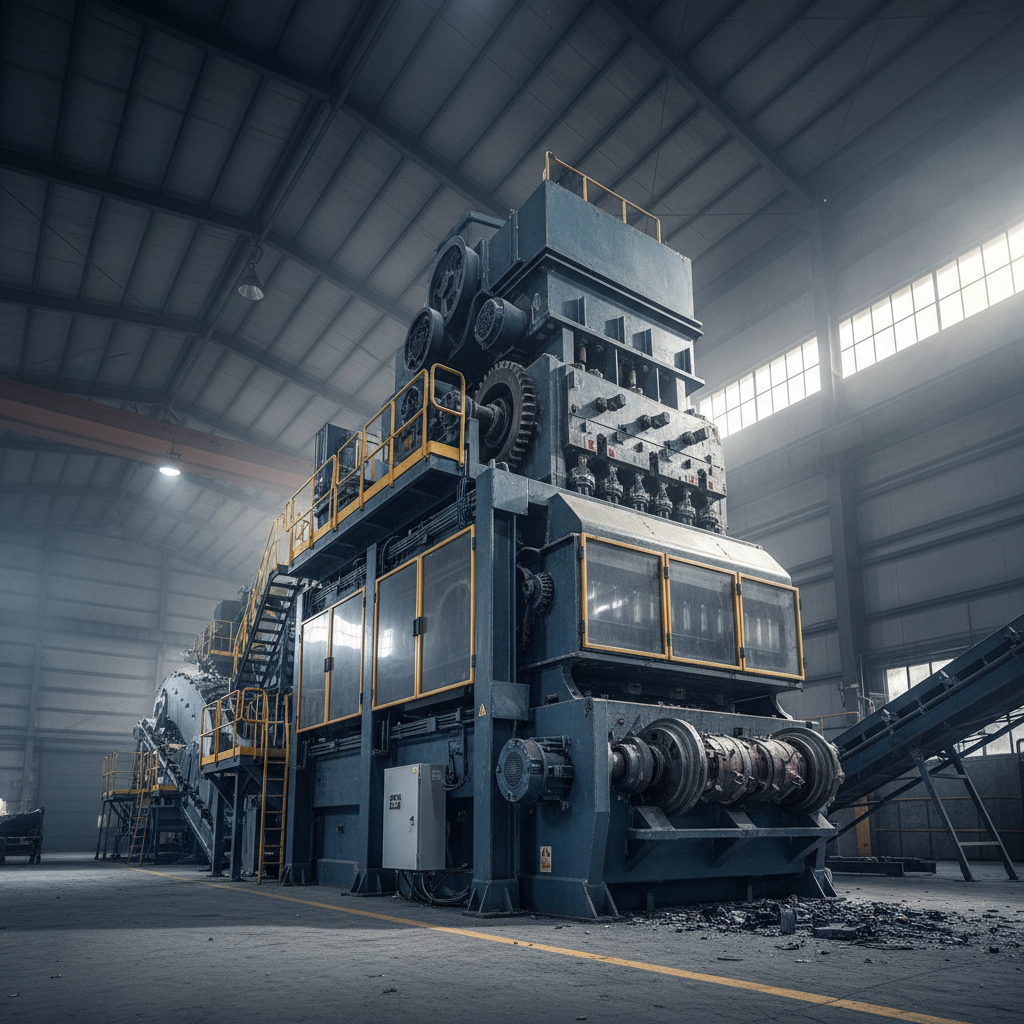
Electronic waste shredders come in a variety of designs, each suited for different volumes and types of e-waste. Single-shaft shredders are commonly used for pre-shredding large items like refrigerators and washing machines. Dual-shaft shredders are effective for processing a wider range of materials, including circuit boards and plastics. Granulators offer a finer shred size, ideal for separating materials for further refinement. Hammer mills utilize rotating hammers to break down materials, often used for smaller components. Choosing the appropriate type of shredder depends on the specific composition of the e-waste stream and the desired output material. OW Recycling offers a range of shredder solutions to meet diverse recycling needs.
Key Consideration: The appropriate shredder depends on the volume and composition of the e-waste, and the desired output particle size.
Selecting the optimal electronic waste shredder requires careful consideration of several factors. Capacity is a crucial aspect - the shredder should be able to handle the volume of e-waste generated. The types of materials processed (plastics, metals, circuit boards) influence the choice of shredder design. The desired particle size determines whether a pre-shredder, dual-shaft shredder, or granulator is most appropriate. Energy efficiency and maintenance requirements are also important considerations. Finally, ensuring the shredder meets relevant safety standards is paramount to protecting workers and the environment.
Important Factors to Consider:
• Processing Capacity
• Material Compatibility
• Desired Particle Size
• Energy Efficiency
• Safety Standards
Different types of e-waste shredders excel in specific areas. The following table compares key features to help in the selection process:
Operating an electronic waste shredder involves inherent risks. Proper training is essential for all personnel involved in the shredding process. Personal protective equipment (PPE), including safety glasses, gloves, and dust masks, should always be worn. Emergency stop mechanisms must be readily accessible and regularly tested. Regular maintenance and inspection of the shredder are crucial to prevent malfunctions. Appropriate ventilation is required to manage dust and fumes generated during the shredding process. Following all safety guidelines is paramount to ensuring a safe working environment.
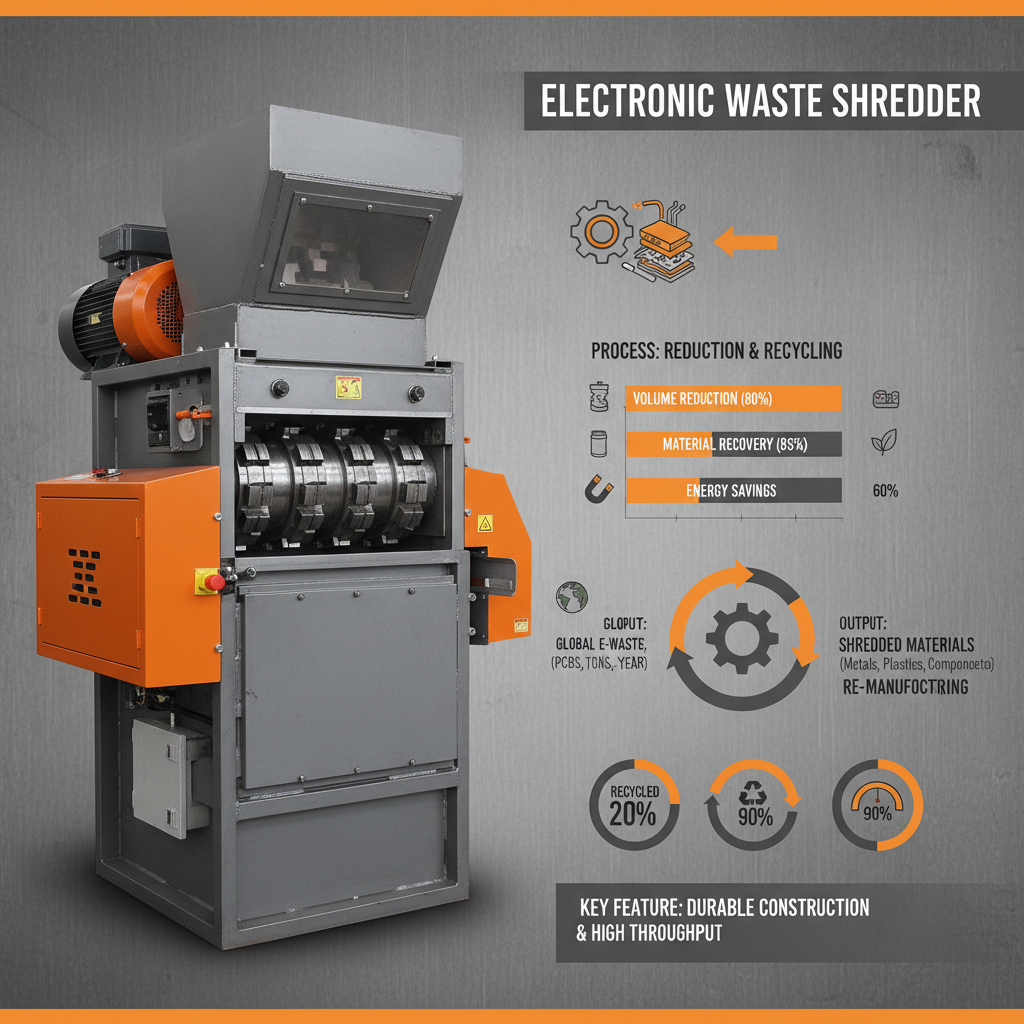
Prioritize safety, efficiency, and environmental responsibility – choose wisely.
Regular maintenance is crucial for optimal performance and longevity. This includes daily inspections for wear and tear, lubricating moving parts, checking and replacing blades as needed, and ensuring proper tension on belts. Periodic inspections by a qualified technician are also recommended. Following the manufacturer’s maintenance schedule is essential. Neglecting maintenance can lead to breakdowns, reduced efficiency, and potential safety hazards.
Most e-waste shredders are designed to process a wide range of materials found in electronic devices, including plastics, metals (aluminum, copper, steel), circuit boards, and glass. However, some shredders may not be suitable for certain materials, such as batteries or mercury-containing components. It’s essential to consult the shredder's specifications and guidelines to ensure compatibility with the materials you intend to process.
Essential safety features include an emergency stop button, safety interlocks on access doors, overload protection, dust collection systems, and clear warning labels. A robust enclosure to contain flying debris is also critical. Ensure the shredder complies with relevant safety standards and regulations. Regular safety training for operators is paramount.
Shredding reduces the size of e-waste, making it easier to separate valuable materials like metals and plastics. This separation process is crucial for recovering resources and reducing the amount of e-waste sent to landfills. Shredding also helps to render data storage devices unreadable, protecting sensitive information.
Latest news
Efficient Copper Wire Granulators for High Purity Metal Recycling
NewsApr.16,2026
Industrial Efficiency with Single Shaft Shredder Used in Recycling
NewsApr.09,2026
Comprehensive Guide to Single Shaft Shredders for Efficient Waste Reduction
NewsApr.07,2026
Find the Best Mini Industrial Shredder for Sale and Boost Efficiency
NewsApr.04,2026
Understanding Industrial Shredding Machine Price A Comprehensive Guide To Purchasing
NewsMar.31,2026
Choosing the Right Industrial Shredder Machine Manufacturer for Your Business
NewsMar.28,2026