
Feb . 11, 2026 02:15 Back to list
When it comes to efficient waste wood processing, an industrial chipper is an essential piece of equipment. These machines reduce wood waste into reusable wood chips, offering significant benefits for businesses across various sectors. This article will provide a detailed overview of industrial chippers, their applications, the different types available, key considerations when purchasing, and how OW Recycling can provide the ideal solution for your needs. Investing in the right chipper can streamline operations, reduce costs, and promote sustainable practices.
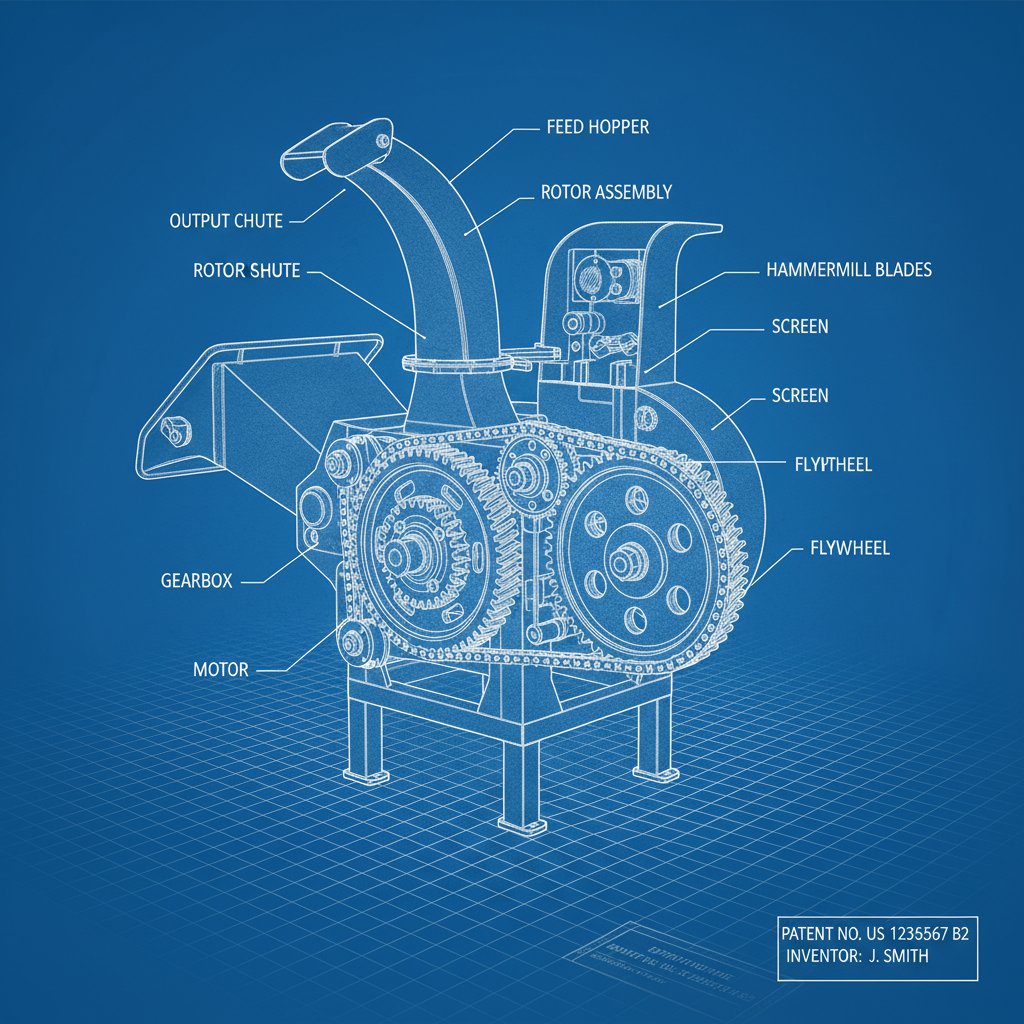
An industrial chipper, also known as a wood chipper, is a powerful machine designed to reduce large pieces of wood—such as branches, logs, and pallets—into smaller wood chips. These chips have numerous uses, including landscaping mulch, biomass fuel, particleboard manufacturing, and animal bedding. Unlike smaller homeowner chippers, industrial models are built for continuous, heavy-duty operation, handling significantly larger volumes of material and tougher wood types. They’re engineered for longevity and reliability, crucial for demanding commercial and industrial environments. OW Recycling offers a range of robust and efficient industrial chippers.
Key Benefits: Reduced waste volume, creation of valuable by-products, lower disposal costs, and environmentally friendly waste management.
Industrial chippers serve a diverse range of industries. Landscaping companies utilize them to create mulch for gardens and landscaping projects. Tree service businesses depend on chippers to efficiently dispose of branches and tree debris after trimming or removal. The agricultural sector uses them for processing orchard prunings and other agricultural waste. Furthermore, biomass energy plants rely on wood chips as a renewable fuel source. Pallet recycling facilities use industrial chippers to efficiently break down damaged or unusable pallets. The versatility of these machines makes them a valuable asset across many sectors.
Industry Applications:
• Landscaping & Mulch Production
• Tree Service & Arboriculture
• Biomass Energy Production
• Pallet Recycling
• Agricultural Waste Processing
Different types of industrial chippers cater to specific needs and wood types. Drum chippers are the most common, utilizing a rotating drum with chipping knives to process material. They're versatile and handle a wide range of wood sizes. Disc chippers, employing a rotating disc with fixed blades, are known for producing consistent chip sizes and are ideal for softer woods. Finally, turbine chippers use a high-speed turbine to propel wood into the chipping chamber and are suited for handling green wood and challenging materials. Choosing the right type depends on the volume, type of wood, and desired chip size.
Selecting the right industrial chipper requires careful consideration of several factors. The volume of material you’ll be processing is paramount—larger operations need higher-capacity machines. The type of wood you’ll be chipping (hardwood, softwood, green wood) influences the appropriate chipper type. Engine power and fuel efficiency are critical for operational costs. Consider the maintenance requirements and availability of spare parts. Finally, safety features—such as emergency stops and infeed controls—are non-negotiable. OW Recycling can help you navigate these considerations and select the ideal chipper for your specific requirements.
Investing in an industrial chipper from OW Recycling is a strategic move for any business handling significant wood waste. By carefully evaluating your needs and choosing a machine that aligns with your operations, you can streamline processes, reduce costs, and contribute to a more sustainable future. Contact us today to discuss your requirements and discover how we can help you find the perfect solution.
Regular maintenance is crucial for ensuring the longevity and performance of your industrial chipper. This includes daily inspections for wear and tear on blades and other components, lubricating moving parts, checking belt tension, and monitoring fluid levels. Sharpening or replacing blades is essential for efficient chipping. More extensive maintenance, such as engine servicing and hydraulic system checks, should be performed according to the manufacturer's recommendations. OW Recycling offers maintenance services and support to help you keep your chipper running smoothly.
Safety is paramount when operating an industrial chipper. Key safety features include emergency stop buttons, blade guards, infeed control devices to prevent overfeeding, and robust safety interlocks. Operator presence controls ensure the machine only operates when the operator is in a safe position. Proper training for all operators is also vital. Always adhere to the manufacturer's safety guidelines and wear appropriate personal protective equipment (PPE).
OW Recycling provides comprehensive support to its customers, including expert advice on selecting the right chipper for your needs, installation assistance, operator training, and ongoing maintenance services. We offer a wide range of spare parts and accessories, and our dedicated team is available to answer your questions and provide technical support. We are committed to ensuring your complete satisfaction.
Using an industrial chipper offers significant environmental benefits. By reducing wood waste, it minimizes landfill volume and reduces the need for incineration. The resulting wood chips can be used as a renewable fuel source, reducing reliance on fossil fuels. Mulch made from wood chips improves soil health, conserves moisture, and suppresses weed growth, reducing the need for chemical fertilizers and herbicides. Ultimately, utilizing an industrial chipper promotes sustainable waste management practices.
Latest news
Efficient Copper Wire Granulators for High Purity Metal Recycling
NewsApr.16,2026
Industrial Efficiency with Single Shaft Shredder Used in Recycling
NewsApr.09,2026
Comprehensive Guide to Single Shaft Shredders for Efficient Waste Reduction
NewsApr.07,2026
Find the Best Mini Industrial Shredder for Sale and Boost Efficiency
NewsApr.04,2026
Understanding Industrial Shredding Machine Price A Comprehensive Guide To Purchasing
NewsMar.31,2026
Choosing the Right Industrial Shredder Machine Manufacturer for Your Business
NewsMar.28,2026