
Mar . 09, 2026 02:15 Back to list
In today's world, efficient waste management and material recycling are crucial for environmental sustainability and operational cost reduction. Industrial shredding equipment plays a vital role in these processes, enabling businesses to effectively process a wide range of materials. This article provides a thorough overview of industrial shredders, their types, applications, and the factors to consider when selecting the right equipment for your needs. Investing in the right shredder can significantly improve your material processing efficiency and contribute to a more sustainable future.
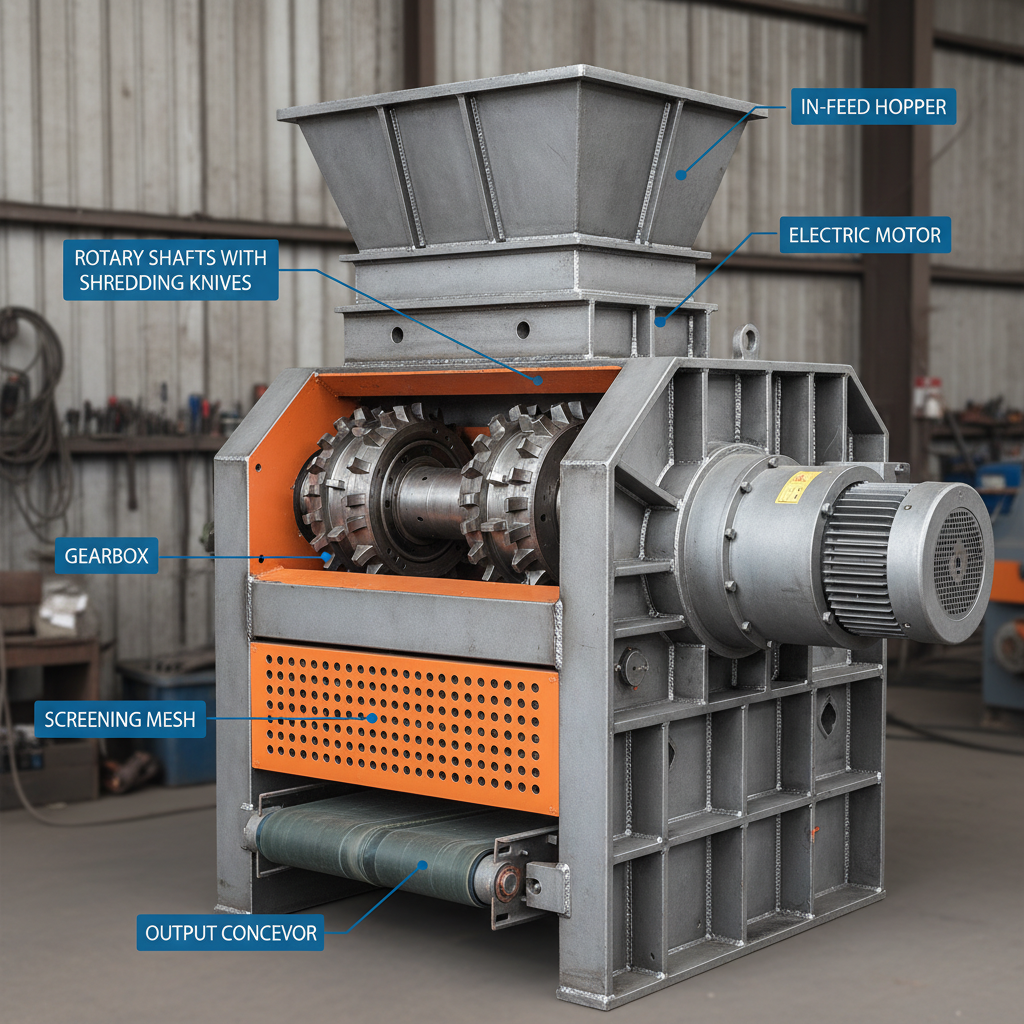
Industrial shredders are powerful machines designed to reduce the volume of waste materials. They come in various designs, each suited for different materials and applications. From paper and plastic to metal and wood, industrial shredders handle a diverse range of inputs. The key benefit of using these machines is transforming large, unwieldy waste into manageable pieces, easing disposal and enabling recycling. Different types of shredders employ different cutting mechanisms, impacting their efficiency and the final particle size of the shredded material.
Key Benefits: Reducing waste volume, facilitating recycling, improving material handling, enhancing safety by eliminating sharp edges, and potential revenue generation from recycled materials.
Several types of industrial shredders are available, each with specific strengths and weaknesses. Understanding these differences is crucial for choosing the right equipment. Common types include: Single-shaft shredders, Dual-shaft shredders, Four-shaft shredders, and Granulators. Each type excels in shredding specific materials, and the choice depends heavily on the application and budget.
Shredder Type Comparison:
The applications of industrial shredding equipment are incredibly diverse. They are commonly used in recycling facilities for processing plastic, paper, and metal. The construction and demolition industries utilize shredders to reduce waste materials like wood, concrete, and drywall. Manufacturing companies use them for processing scrap materials generated during production. Furthermore, secure document destruction relies heavily on specialized shredders to protect sensitive information. Many industries are now using the resulting materials as alternative fuel sources or feedstock for new products.
Selecting the ideal industrial shredder requires careful consideration of several factors. The type of material to be shredded is paramount, as different materials require different cutting mechanisms and motor power. Throughput requirements – the volume of material that needs to be processed per hour – will determine the appropriate shredder size and capacity. The desired output particle size also plays a crucial role. Finally, consider the overall budget, including the initial cost of the equipment, maintenance expenses, and energy consumption. Partnering with a reputable supplier like OW Recycling can provide expert guidance and ensure you make the best investment for your specific needs.
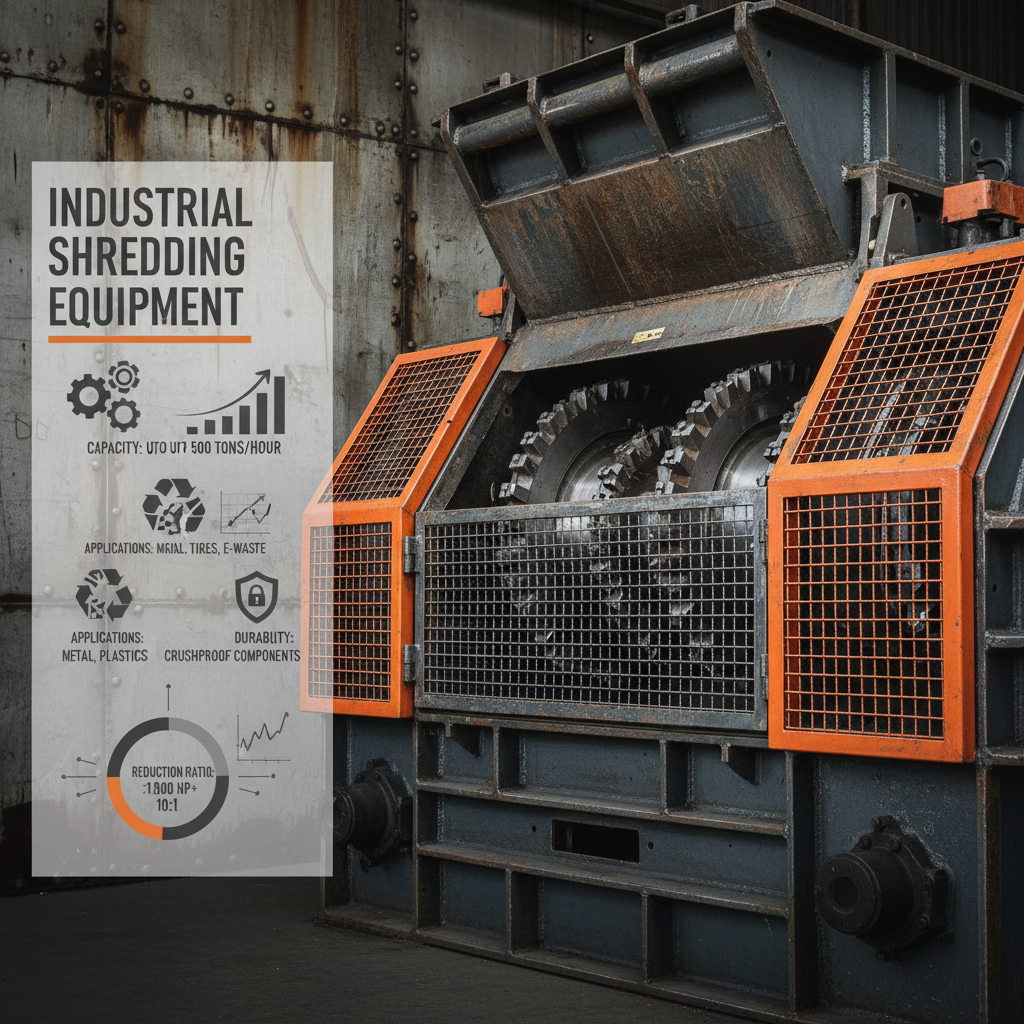
Regular maintenance is crucial for ensuring the longevity and safe operation of your industrial shredder. This includes routine inspections, lubrication of moving parts, and timely replacement of worn components. Always follow the manufacturer's recommendations for maintenance schedules and procedures. Safety should be a top priority. Ensure all operators are properly trained in the safe operation of the equipment and wear appropriate personal protective equipment (PPE), such as safety glasses, gloves, and hearing protection. Never attempt to operate a shredder without proper safety guards in place. Follow Lockout/Tagout procedures when performing maintenance or repairs.
Investing in the right industrial shredding equipment is a strategic decision that can significantly benefit your business. By carefully considering your specific needs, choosing the appropriate type of shredder, and prioritizing safety and maintenance, you can unlock a world of efficiency, sustainability, and cost savings. OW Recycling is your trusted partner for all your shredding needs.
The cost of an industrial shredder varies significantly based on several factors. The type of shredder (single-shaft, dual-shaft, etc.), its capacity and throughput, the materials it’s designed to process, and the level of automation all play a role. Customization options, such as special features or accessories, also contribute to the price. Finally, the manufacturer and the level of after-sales support can impact the overall cost. Typically, higher capacity shredders designed for more demanding applications will command a higher price.
Determining the appropriate shredder size involves calculating your material throughput requirements. Assess the volume of material you need to process per hour or day. Consider the density and type of material, as some materials are more difficult to shred than others. It's generally recommended to slightly oversize the shredder to accommodate future growth and fluctuations in material volume. Consult with a shredder specialist to perform a thorough assessment of your needs and recommend the optimal size.
Essential safety features include emergency stop buttons strategically located around the machine, safety guards and interlocks to prevent access to moving parts, overload protection to prevent motor damage, and clear warning labels. Look for shredders that comply with relevant safety standards and certifications. Proper operator training and adherence to safety procedures are also critical for safe operation. Regular inspections of safety features should be part of your maintenance routine.
Energy consumption varies widely depending on the shredder's size, type, and the material being processed. Larger shredders and those processing harder materials will generally consume more energy. Look for shredders with energy-efficient motors and features like automatic shutdown when idle. Regular maintenance, such as lubricating moving parts, can also help minimize energy consumption. It's important to factor energy costs into the total cost of ownership when selecting a shredder.
Latest news
Efficient Copper Wire Granulators for High Purity Metal Recycling
NewsApr.16,2026
Industrial Efficiency with Single Shaft Shredder Used in Recycling
NewsApr.09,2026
Comprehensive Guide to Single Shaft Shredders for Efficient Waste Reduction
NewsApr.07,2026
Find the Best Mini Industrial Shredder for Sale and Boost Efficiency
NewsApr.04,2026
Understanding Industrial Shredding Machine Price A Comprehensive Guide To Purchasing
NewsMar.31,2026
Choosing the Right Industrial Shredder Machine Manufacturer for Your Business
NewsMar.28,2026