
Jan . 30, 2026 14:45 Back to list
When it comes to waste management and material recycling, a small industrial shredder is an invaluable asset. Selecting the right shredder can significantly improve efficiency, reduce costs, and enhance sustainability within your operations. This article provides a comprehensive guide to understanding, selecting, and utilizing small industrial shredders, focusing on key features, applications, and considerations for optimal performance. We'll explore how choosing the correct shredder can transform your material processing workflow.
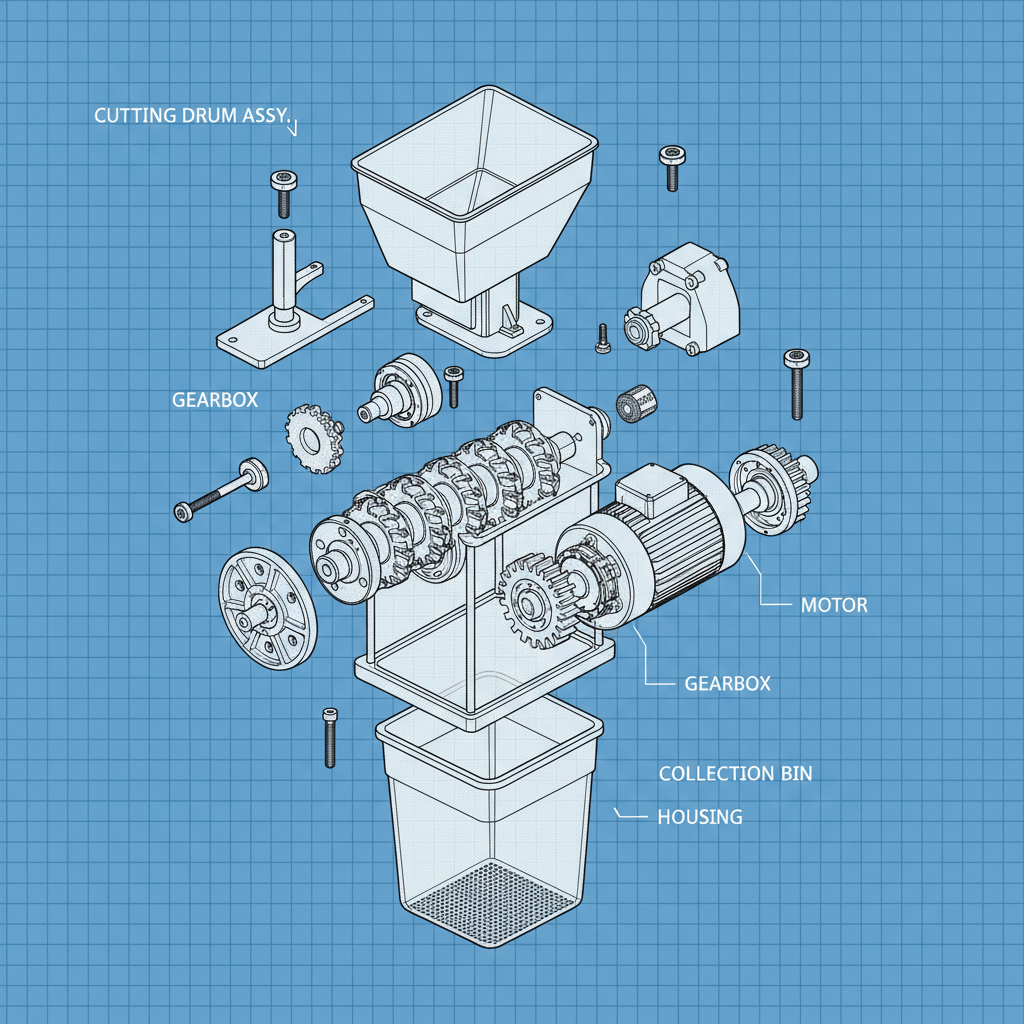
Small industrial shredders are designed to process a variety of materials, from plastics and paper to rubber and wood. They are typically used by businesses with moderate waste volumes, such as recycling centers, manufacturing plants, and packaging facilities. There are several types of small industrial shredders available, each with its own strengths and weaknesses. Single-rotor shredders are cost-effective and versatile, while dual-rotor shredders offer higher throughput and can handle tougher materials. Granulators are ideal for creating uniformly sized particles, while strip cutters are suitable for reducing long materials into manageable strips. Choosing the right type depends on your specific material, volume, and desired output. OW Recycling offers a diverse range to suit varied needs.
Key Highlights: A properly chosen shredder streamlines material processing, reduces landfill waste, and can even create revenue streams through the sale of recycled materials.
Several key features should guide your selection process. First, consider the material you will be shredding. Different materials require different rotor designs and cutting technologies. Second, evaluate the throughput capacity – how much material needs to be processed per hour? Third, assess the shredder's motor horsepower, which determines its ability to handle dense or tough materials. Fourth, look for features like automatic reversing, which protects the shredder from jams, and safety interlocks, which prevent operation when the hopper is open. Finally, consider the ease of maintenance and availability of spare parts.
Essential Shredder Features:
• Rotor Design: Appropriate for the materials you’ll process.
• Throughput Capacity: Matches your processing volume.
• Motor Horsepower: Sufficient for handling tough materials.
• Safety Features: Automatic reversing, safety interlocks.
Choosing between different models can be challenging. Here's a comparative overview of three popular options, outlining their strengths and weaknesses to assist your decision-making. These models represent a range of price points and capabilities.
Safety is paramount when operating any industrial equipment. Always wear appropriate personal protective equipment (PPE), including safety glasses, gloves, and hearing protection. Never attempt to clear a jammed shredder with your hands – use the provided tools and follow the manufacturer's instructions. Ensure the shredder is properly grounded to prevent electrical hazards. Regularly inspect the machine for wear and tear and address any issues promptly. Proper training for all operators is essential to prevent accidents and ensure efficient operation.
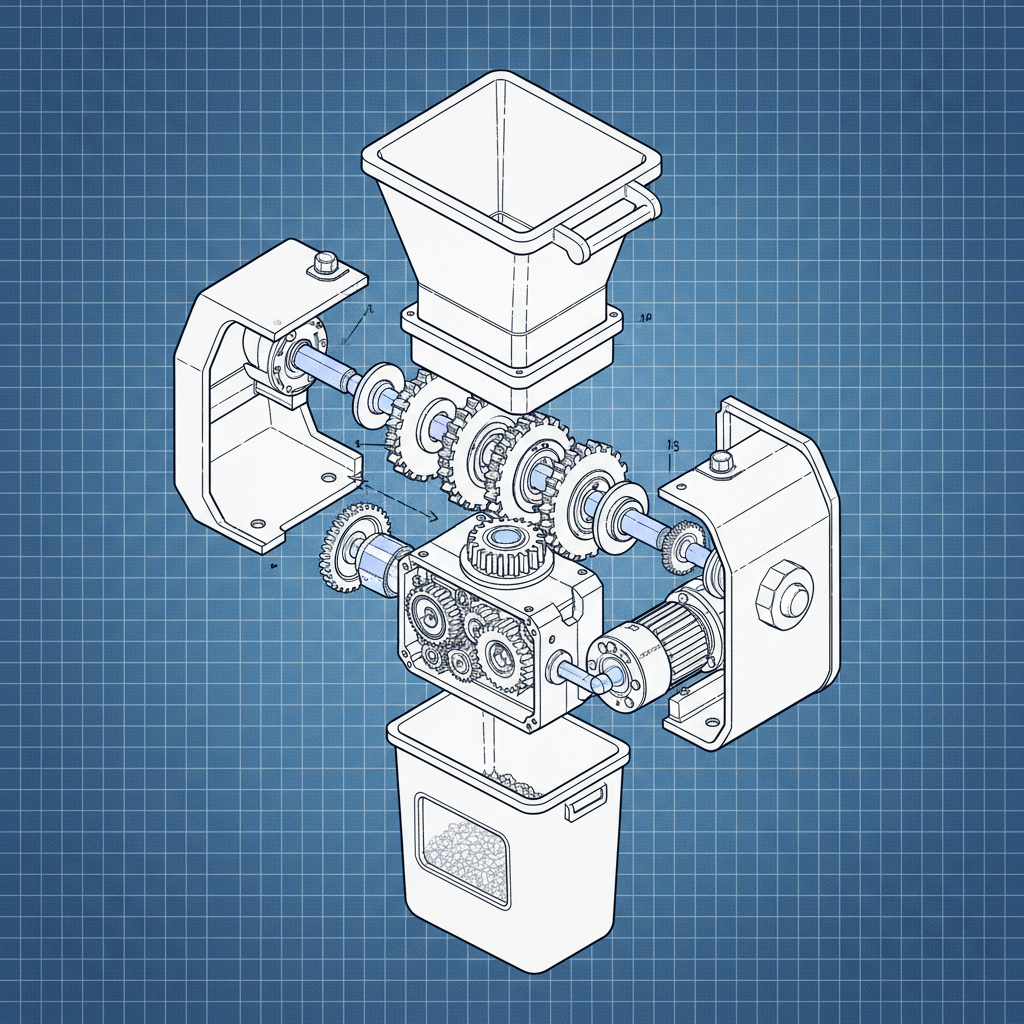
Regular maintenance is crucial for extending the lifespan of your shredder. This includes cleaning the cutting blades, lubricating moving parts, and inspecting for worn or damaged components. Following the manufacturer's recommended maintenance schedule will help prevent breakdowns and ensure optimal performance. Promptly address any issues, such as unusual noises or decreased throughput. Consider a preventative maintenance program with OW Recycling for peace of mind and maximum uptime.
The right small industrial shredder can be a transformative investment for your business. By carefully considering your material, volume, and safety requirements, you can select a machine that streamlines your operations, reduces waste, and enhances your bottom line. Partnering with a reputable supplier like OW Recycling ensures you receive quality equipment, expert guidance, and ongoing support.
Small industrial shredders are versatile and can handle a wide range of materials, including plastics (various types like PET, HDPE, PP), paper, cardboard, rubber, wood, and even some textiles. However, the specific materials a shredder can handle effectively depend on its rotor design and cutting technology. Some shredders are better suited for softer materials like paper, while others are designed for tougher materials like rubber or wood. It's crucial to select a shredder specifically designed for the materials you intend to process.
The cost of a small industrial shredder can vary significantly depending on its capacity, features, and brand. Generally, prices range from $5,000 to $20,000 or more. Lower-end models designed for lighter materials and smaller volumes tend to be less expensive, while higher-end models with greater capacity and advanced features will cost more. Factors such as motor horsepower, rotor type, and safety features also contribute to the overall price.
The rotor is the heart of the shredder, so choosing the right one is crucial. For materials like paper and cardboard, a smooth-cut rotor is often sufficient. For tougher materials like plastics and rubber, a toothed or aggressive rotor is more effective. Granulators utilize a screen for uniform particle size, ideal for plastic recycling. Consider the material’s hardness, thickness, and consistency when making your selection.
Using a shredder offers numerous benefits over landfilling waste. It reduces waste volume, making transportation and disposal more cost-effective. It allows for material recycling, creating valuable resources and reducing reliance on virgin materials. Shredding also enhances security by destroying sensitive documents and confidential information. Furthermore, it supports sustainability efforts and reduces environmental impact by minimizing landfill waste.
Latest news
Efficient Copper Wire Granulators for High Purity Metal Recycling
NewsApr.16,2026
Industrial Efficiency with Single Shaft Shredder Used in Recycling
NewsApr.09,2026
Comprehensive Guide to Single Shaft Shredders for Efficient Waste Reduction
NewsApr.07,2026
Find the Best Mini Industrial Shredder for Sale and Boost Efficiency
NewsApr.04,2026
Understanding Industrial Shredding Machine Price A Comprehensive Guide To Purchasing
NewsMar.31,2026
Choosing the Right Industrial Shredder Machine Manufacturer for Your Business
NewsMar.28,2026