
Sep . 04, 2024 20:29 Back to list
Solutions for E-Waste Management
Electronic waste, commonly known as e-waste, has become one of the fastest-growing waste streams in the world. With the rapid advancement of technology, consumers frequently upgrade their devices, resulting in significant amounts of discarded electronics. As e-waste can contain hazardous materials that pose risks to both the environment and human health, effective management strategies are urgently needed.
One of the most effective solutions for e-waste management is recycling. Proper recycling facilities can extract valuable materials such as gold, silver, and copper, reducing the need for environmentally damaging mining practices. By recovering these materials, we can create a sustainable loop of resource use, minimizing the finite resources extracted from the earth.
Additionally, awareness and education play crucial roles in managing e-waste. People often lack knowledge about the proper disposal methods for electronic items. Governments and organizations should implement informational campaigns to educate the public about the importance of responsible e-waste disposal. This could include details on where to recycle old electronics, as well as the environmental impacts of improper disposal.
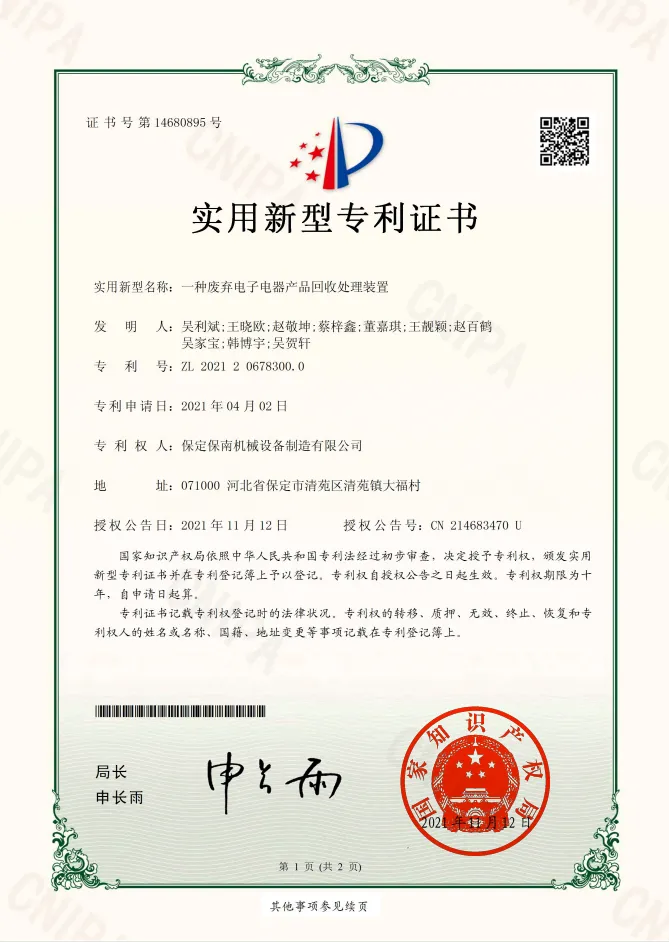
Another effective approach is the implementation of producer responsibility programs. Manufacturers should be held accountable for their products throughout their lifecycle. By designing products with recyclability in mind and taking responsibility for their end-of-life management, companies can significantly reduce e-waste generation. This could involve programs where consumers can return old devices for proper disposal or recycling.
Furthermore, developing innovative technologies for e-waste processing can enhance the efficiency of recycling systems. Advanced techniques, such as hydrometallurgical processes, can recover precious metals with minimal environmental impact. Research into alternative materials that are less harmful and easier to recycle can also support sustainable production practices.
In conclusion, addressing the e-waste crisis requires a multifaceted approach involving recycling, education, producer responsibility, and innovative technologies. By adopting these solutions, we can mitigate the environmental impact of e-waste, create a more sustainable future, and harness the potential of recovered materials for continued use in technological advancements. Working together, governments, industries, and consumers can transform e-waste from a hazardous burden into a valuable resource.
Latest news
How to Choose a Hammer Mill Shredder for Scrap Metal
NewsNov.11,2026
Copper Wire Granulators vs. Automatic Scrap Cable Granulators: What the Specifications Show
NewsNov.02,2026
Metal Balers FAQ: Specifications, Ordering and Support Questions
NewsOct.28,2026
Industrial Metal Shredder Manufacturer for Sustainable Recycling
NewsJul.01,2026
Top Metal Shredder Factory for High Efficiency Recycling Equipment
NewsJun.29,2026
Analyze Industrial Efficiency with Metal Shredder Video Guide
NewsJun.27,2026