
May . 07, 2025 19:37 Back to list
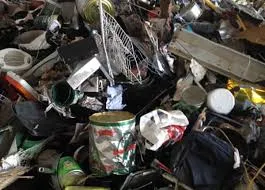
(steel recycling plant)
Global demand for recycled steel has surged by 42% since 2018, driven by manufacturing sectors prioritizing sustainable material sourcing. A state-of-the-art steel recycling plant
can process up to 500 metric tons of scrap daily, reducing production costs for manufacturers by 18-25% compared to virgin steel production. Regulatory pressures, particularly in the EU and North America, now mandate minimum recycled content thresholds between 30-50% for construction materials, creating urgent demand for efficient processing infrastructure.
Contemporary plants integrate multiple advanced systems:
These innovations enable recovery rates exceeding 96% from mixed scrap loads, compared to traditional plants averaging 78-82% efficiency.
| Vendor | Capacity (TPD) | Energy Use (kWh/T) | Recovery Rate | Cost Range ($M) |
|---|---|---|---|---|
| EcoMetal Pro | 650 | 48 | 97.1% | 12.5-18.7 |
| ScrapMaster X7 | 420 | 63 | 93.4% | 9.8-14.2 |
| GreenSteel Ultra | 880 | 41 | 98.6% | 16.9-22.3 |
Modular plant designs now permit:
Automotive manufacturers have achieved 34% faster production cycles through integrated scrap-to-billet systems, while construction firms report 29% reduction in material logistics costs.
Automotive: A German OEM reduced annual steel expenditures by €47 million through on-site scrap processing, achieving 92% material reuse within 18 months.
Shipbuilding: Korean yards decreased raw material imports by 61% after implementing coastal recycling hubs, processing 680,000T of marine-grade steel annually.
Modern installations demonstrate:
The global steel scrap recycling plant market is projected to reach $97.4 billion by 2031, growing at 6.8% CAGR. Emerging technologies like hydrogen-based reduction and blockchain material tracking are reshaping operational paradigms. Leading operators now achieve 98.5% uptime through predictive maintenance algorithms, ensuring continuous processing capability for high-volume industrial clients.
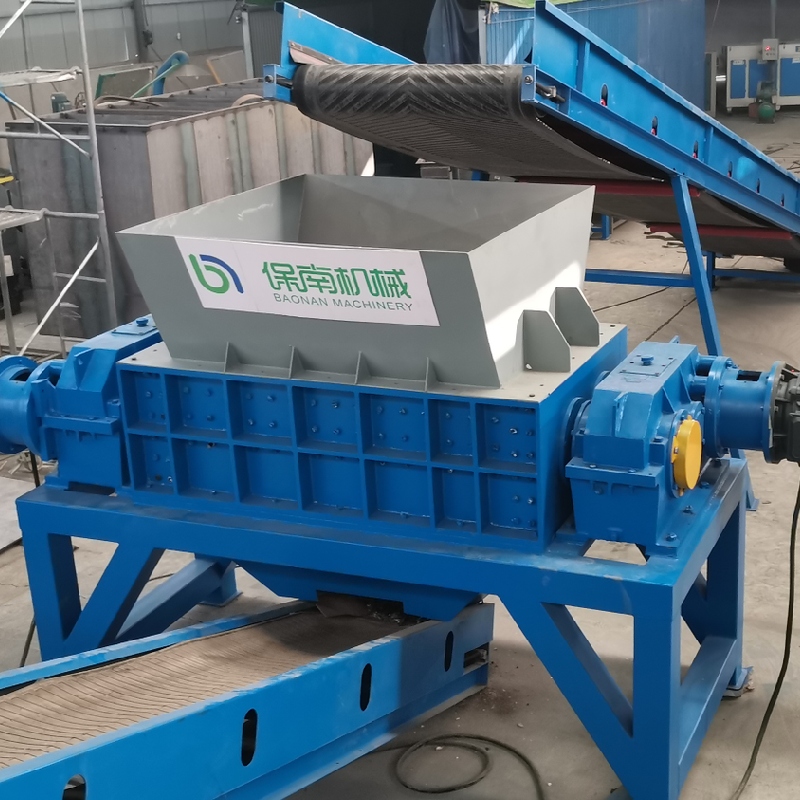
(steel recycling plant)
A: Key factors include plant size, location, machinery type, labor costs, and compliance with environmental regulations. Initial investments also cover scrap collection systems and processing technology.
A: Scrap metal is sorted, shredded, purified using magnets or sensors, melted in furnaces, and molded into new products. Advanced plants may include waste treatment systems to reduce environmental impact.
A: Core equipment includes shredders, magnetic separators, balers, furnaces, and conveyor systems. Dust control systems and safety gear are also critical for efficient and safe operations.
A: Recycling steel reduces mining demand, lowers CO2 emissions by up to 58% compared to virgin production, and minimizes landfill waste. It also conserves energy and natural resources like iron ore and coal.
A: Profitability depends on scrap availability, market prices for recycled steel, operational efficiency, and government incentives. Well-managed plants can achieve margins of 10-20%, depending on scale and technology.
Latest news
How to Choose a Hammer Mill Shredder for Scrap Metal
NewsNov.11,2026
Copper Wire Granulators vs. Automatic Scrap Cable Granulators: What the Specifications Show
NewsNov.02,2026
Metal Balers FAQ: Specifications, Ordering and Support Questions
NewsOct.28,2026
Industrial Metal Shredder Manufacturer for Sustainable Recycling
NewsJul.01,2026
Top Metal Shredder Factory for High Efficiency Recycling Equipment
NewsJun.29,2026
Analyze Industrial Efficiency with Metal Shredder Video Guide
NewsJun.27,2026