
Sep . 23, 2024 02:55 Back to list
Solid Waste Recycling Plant A Step Towards Sustainability
In recent years, the challenge of managing solid waste has gained immense attention globally. As cities grow and urban populations swell, the amount of waste generated continues to escalate, posing significant environmental threats. Solid waste recycling plants have emerged as a crucial solution to this pressing issue, facilitating a transition towards a more sustainable future.
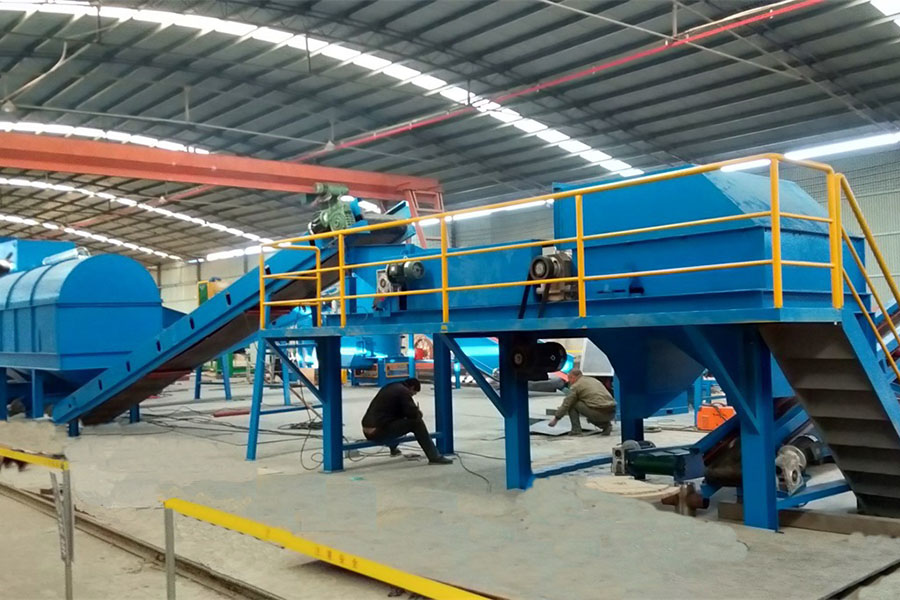
A solid waste recycling plant is primarily designed to process various types of waste materials, transforming them into reusable resources. This process begins with the collection of waste from households, businesses, and industrial sources. Upon arrival at the recycling facility, the waste undergoes sorting, where recyclable materials such as paper, plastics, metals, and glass are separated from non-recyclable refuse. This segregation is vital as it increases the efficiency of the recycling process and ensures that materials are correctly processed.
Once sorted, the recyclable materials are cleaned and processed. For instance, plastics are shredded, melted, and molded into new products, while metals are often melted down and repurposed. Paper is pulped and transformed into new sheets, and glass is crushed and remelted into new containers. This not only conserves natural resources but also reduces the energy required for manufacturing new products from virgin materials.
The benefits of solid waste recycling plants extend beyond waste reduction. By diverting waste from landfills, these facilities contribute significantly to lowering greenhouse gas emissions. Landfills are a major source of methane, a potent greenhouse gas, released during the decomposition of organic matter. Recycling also conserves energy; producing new materials from recycled sources typically requires less energy compared to using raw materials, thereby reducing overall carbon footprints.
Moreover, solid waste recycling plants create job opportunities, from the labor-intensive sorting process to managerial positions in processing and logistics. They contribute to local economies and foster a culture of sustainability within communities. As awareness of environmental issues grows, many municipalities are investing in recycling infrastructures and education programs to encourage community participation.
In conclusion, solid waste recycling plants play an essential role in addressing the global waste crisis. By converting waste into valuable resources, they contribute to a sustainable and circular economy, mitigating environmental impact while promoting economic growth. Through collaborative efforts, we can pave the way for a cleaner, greener future, emphasizing the importance of recycling and responsible waste management.
Latest news
How to Choose a Hammer Mill Shredder for Scrap Metal
NewsNov.11,2026
Copper Wire Granulators vs. Automatic Scrap Cable Granulators: What the Specifications Show
NewsNov.02,2026
Metal Balers FAQ: Specifications, Ordering and Support Questions
NewsOct.28,2026
Industrial Metal Shredder Manufacturer for Sustainable Recycling
NewsJul.01,2026
Top Metal Shredder Factory for High Efficiency Recycling Equipment
NewsJun.29,2026
Analyze Industrial Efficiency with Metal Shredder Video Guide
NewsJun.27,2026