
Nov . 03, 2024 02:18 Back to list
The Growing Importance of Metal Shreds in Recycling and Manufacturing
In recent years, the importance of metal shreds has grown significantly in the recycling and manufacturing sectors. Metal shreds, which are small fragments of metal often produced during the machining process, cutting, or demolition of metal structures, have emerged as valuable raw materials rather than mere waste products. The trends in sustainable manufacturing and the circular economy have driven the demand for efficient metal recovery processes, pushing the industry towards greater recycling efforts.
Metal shreds can come from a variety of sources, including automotive parts, construction debris, and industrial machinery. These fragments typically consist of a mix of different metals, such as steel, aluminum, and copper. Traditionally, the disposal of metal shreds was viewed primarily as a waste management issue, leading to metal being sent to landfills. However, with increasing awareness of environmental challenges and the scarcity of natural resources, companies are now focusing on how to best recycle and utilize these materials.
One key advantage of metal shreds is their ability to be processed and transformed into high-quality raw materials
. Through various recycling techniques such as shredding, sorting, and melting, these fragments can be purified and repurposed. The metal recycling industry employs advanced technologies, such as magnetic separation and eddy current separation, to efficiently recover valuable metals from mixed shreds. The result is a significant reduction in the need for virgin materials, which has both economic and environmental benefits.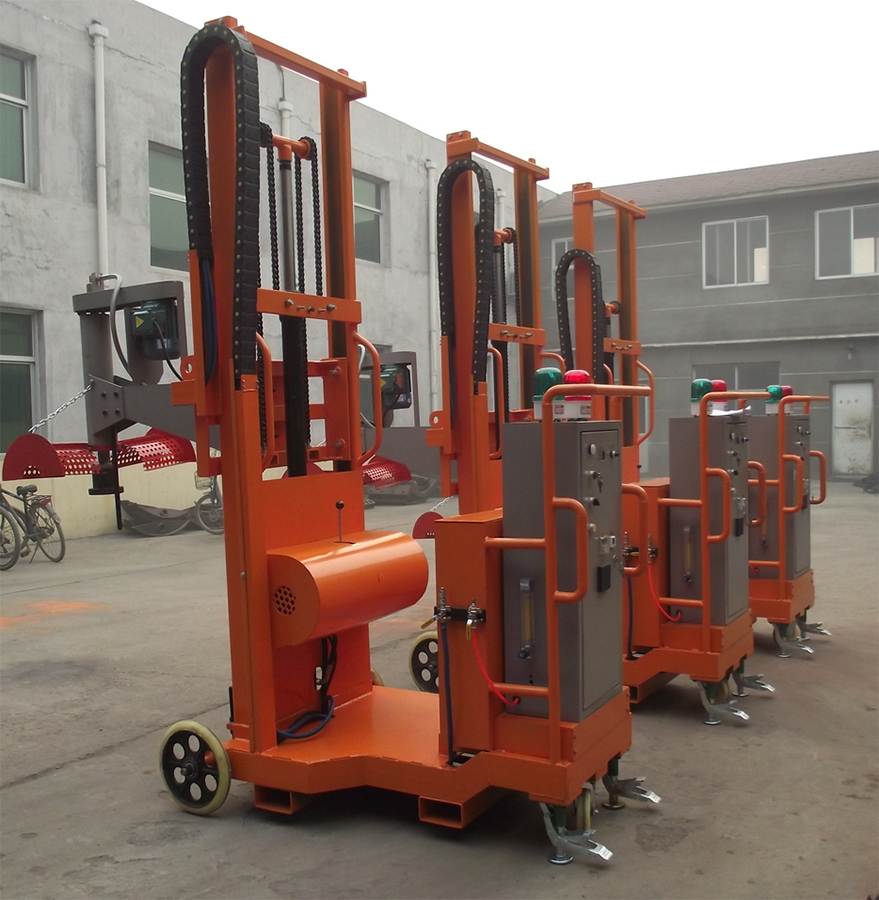
Furthermore, using recycled metal shreds in manufacturing processes can enhance the sustainability of production. Metals derived from recycling typically require less energy to process compared to their virgin counterparts. For example, recycling aluminum saves up to 95% of the energy needed to produce new aluminum from bauxite ore. This reduction in energy consumption not only lowers production costs but also substantially decreases greenhouse gas emissions, aligning with global efforts to combat climate change.
In many industries, including automotive, construction, and consumer goods, metal shreds provide a pathway for manufacturers to meet their sustainability goals. Companies are increasingly adopting practices that prioritize the use of recycled materials, driven by both consumer demand and regulatory pressures. This shift is not only beneficial for the environment but also offers a competitive edge in a market that is progressively valuing sustainability.
Moreover, educational initiatives and government policies aimed at promoting recycling have further enhanced the status of metal shreds. Investments in recycling infrastructure and technology are critical to managing these materials effectively. Programs that encourage businesses to source recycled metals also help create a closed-loop system where materials are reused rather than discarded.
In conclusion, metal shreds represent a vital component of the recycling and manufacturing landscape. As industries transition toward more sustainable practices, the value of these fragments will likely continue to rise. By harnessing the potential of metal shreds, businesses can contribute to a circular economy that emphasizes recycling and resource conservation. Embracing this shift holds promise not only for economic opportunities but also for creating a more sustainable future.
Latest news
Efficient Copper Wire Granulators for High Purity Metal Recycling
NewsApr.16,2026
Industrial Efficiency with Single Shaft Shredder Used in Recycling
NewsApr.09,2026
Comprehensive Guide to Single Shaft Shredders for Efficient Waste Reduction
NewsApr.07,2026
Find the Best Mini Industrial Shredder for Sale and Boost Efficiency
NewsApr.04,2026
Understanding Industrial Shredding Machine Price A Comprehensive Guide To Purchasing
NewsMar.31,2026
Choosing the Right Industrial Shredder Machine Manufacturer for Your Business
NewsMar.28,2026