
Nov . 01, 2024 00:03 Back to list
The Cost of Metal Shredders Understanding Market Prices
Metal shredders play a crucial role in the recycling and waste management industry, enabling businesses to process scrap metal efficiently. As demand for recycled materials continues to rise, so does the need for effective shredding equipment. However, the price of metal shredders can vary significantly due to several factors, which are essential to understand for businesses considering an investment in this technology.
Types of Metal Shredders
Metal shredders come in various types, designed to handle different levels of processing and material types. There are industrial-grade shredders, which can handle large volumes of heavy-duty metal like car frames and machinery, while smaller, more specialized shredders cater to lighter materials, such as aluminum cans. The price for these machines generally depends on their capacity, size, and the technology involved. For instance, a basic shredder might cost around $10,000, while larger, more advanced models can range from $50,000 to upwards of $500,000.
Key Factors Influencing Prices
1. Capacity and Size The larger the shredder, the higher the cost. Businesses need to consider their processing needs if they process large volumes of material, investing in a higher-capacity machine may prove more economical in the long run.
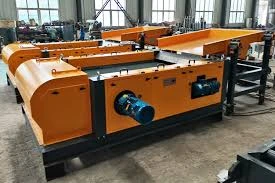
2. Technology and Features Advanced features such as automated controls, enhanced safety systems, and energy-efficient designs can significantly affect the price. Machines equipped with higher technological capabilities often come with a premium, as they can reduce operating costs over time and improve safety and efficiency in operations.
3. Material Thickness Different metal types require various levels of shredding power. Machines designed for heavy metal, such as steel or cast iron, typically cost more than those intended for lighter metals. Factors like the thickness of the materials can also influence the design and engineering of the shredder, thereby impacting the price.
4. Brand and Quality Like any market, brand reputation plays a critical role in pricing. Established brands with a track record of durability and reliability often charge more than lesser-known brands. While cheaper options may be tempting, investing in a reputable brand can lead to long-term savings and performance reliability.
5. Market Trends and Economic Factors The broader economic climate can also influence prices. For instance, during periods of high demand for scrap metal, the prices for shredders may increase due to the heightened competition among buyers. Additionally, fluctuations in raw material costs can lead manufacturers to adjust their prices accordingly.
Conclusion
When considering the purchase of a metal shredder, businesses must evaluate their specific needs and budget. Understanding the various factors that influence prices can help in making an informed decision. While the initial investment might seem steep, the long-term benefits of improved efficiency and reduced labor costs can ultimately justify the expense. As the recycling industry continues to evolve, staying updated on technological advancements and market trends will be essential for making sound investment choices in metal shredding equipment.
Latest news
Efficient Copper Wire Granulators for High Purity Metal Recycling
NewsApr.16,2026
Industrial Efficiency with Single Shaft Shredder Used in Recycling
NewsApr.09,2026
Comprehensive Guide to Single Shaft Shredders for Efficient Waste Reduction
NewsApr.07,2026
Find the Best Mini Industrial Shredder for Sale and Boost Efficiency
NewsApr.04,2026
Understanding Industrial Shredding Machine Price A Comprehensive Guide To Purchasing
NewsMar.31,2026
Choosing the Right Industrial Shredder Machine Manufacturer for Your Business
NewsMar.28,2026