
Sep . 22, 2024 04:56 Back to list
Eddy Current Recycling A Sustainable Approach to Waste Management
In today's world, with increasing concerns about environmental sustainability and the depletion of natural resources, innovative recycling methods are becoming more critical. One such method is eddy current recycling, which offers an effective solution for separating and recovering non-ferrous metals from mixed waste streams. This technology not only enhances recycling efficiency but also contributes to a more sustainable future.
Eddy current recycling is based on the principle of electromagnetic induction. When conductive materials, such as aluminum or copper, pass through a magnetic field, they generate eddy currents, which create an opposing magnetic field. This interaction causes the conductive materials to be repelled and effectively separated from non-metallic materials, such as plastics and glass. The process is particularly effective for separating metals from shredded electronic waste, automotive scrap, and other industrial wastes.
One of the key advantages of eddy current recycling is its efficiency
. The technology can quickly process large volumes of mixed materials, significantly reducing the time and effort needed for manual sorting. This rapid processing capability allows recycling facilities to handle increased waste flows, maximizing recovery rates for valuable metals while minimizing the amount of waste that ends up in landfills.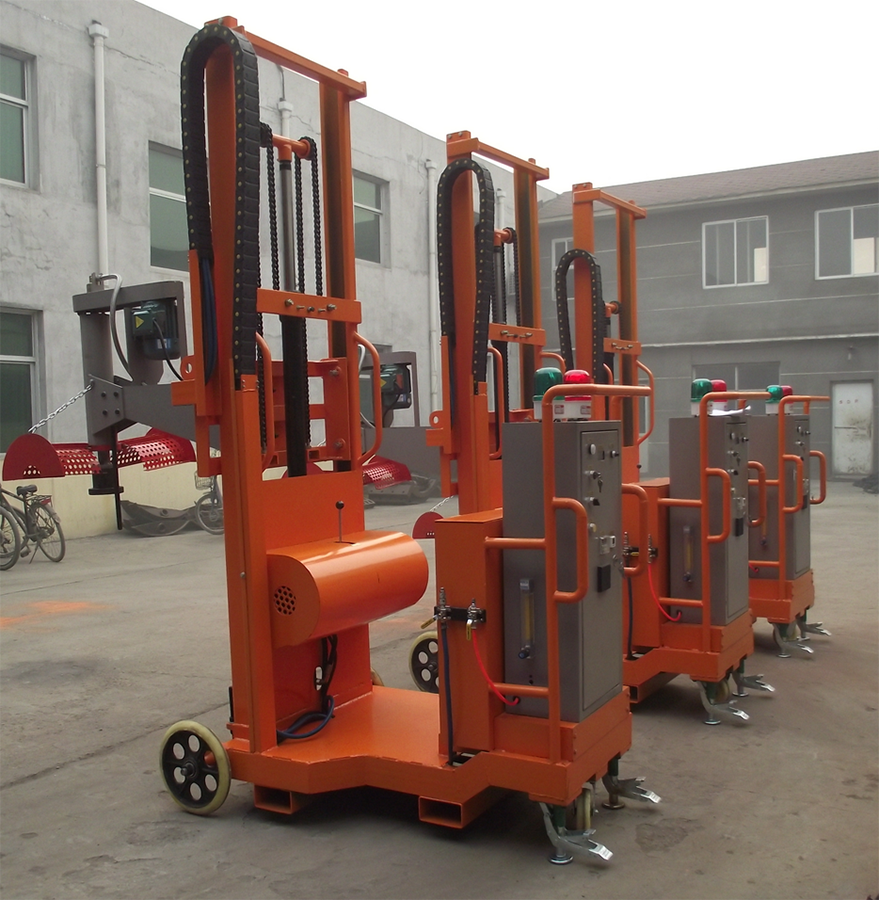
Moreover, eddy current recycling enhances the overall quality of the recovered materials. By employing advanced sensors and powerful magnets, the technology ensures a high degree of separation, resulting in purer metal fractions that can be reused in manufacturing processes. This quality improvement is essential for industries that rely on recycled metals to meet their production standards and reduce their environmental footprint.
The environmental benefits of eddy current recycling are substantial. By recovering non-ferrous metals from waste, we reduce the need for primary extraction, which often involves energy-intensive processes and significant ecological disruption. This recycling method not only conserves natural resources but also lowers greenhouse gas emissions associated with mining and refining new metals.
In conclusion, eddy current recycling is a vital component of a sustainable waste management strategy. Its ability to efficiently recover valuable non-ferrous metals from mixed waste streams plays a crucial role in promoting recycling and reducing environmental impact. As technology continues to evolve, the adoption of eddy current systems is expected to increase, further enhancing our recycling efforts and contributing to a cleaner, greener planet. Investing in such innovative solutions is essential for fostering a circular economy, where materials are reused and waste is minimized, ultimately benefiting both the environment and society.
Latest news
How to Choose a Hammer Mill Shredder for Scrap Metal
NewsNov.11,2026
Copper Wire Granulators vs. Automatic Scrap Cable Granulators: What the Specifications Show
NewsNov.02,2026
Metal Balers FAQ: Specifications, Ordering and Support Questions
NewsOct.28,2026
Industrial Metal Shredder Manufacturer for Sustainable Recycling
NewsJul.01,2026
Top Metal Shredder Factory for High Efficiency Recycling Equipment
NewsJun.29,2026
Analyze Industrial Efficiency with Metal Shredder Video Guide
NewsJun.27,2026