
Nov . 07, 2024 15:46 Back to list
Understanding the Concept of Current Separators
In the realm of electrical engineering and circuit design, the term “current separator” refers to a mechanism or device that divides electric current into two or more paths. This concept is essential in various applications, from simple circuits to complex systems in power distribution and communication technologies. A deeper understanding of current separators can enhance both the efficiency and reliability of electric circuits.
At its core, a current separator aims to ensure that electric current can be effectively utilized without overloading any single component. By distributing the current evenly or strategically according to the design requirements, we can achieve optimal performance. For example, in a parallel circuit configuration, current separators allow multiple branches to draw current simultaneously from the source. This reflects the fundamental principle of parallel circuits where the total current is the sum of the currents through each branch.
The design of current separators must factor in several critical elements, including resistance, voltage, and load balancing. Resistance plays a vital role in how much current a branch can handle; components with lower resistance tend to draw more current. Therefore, designers need to calculate the appropriate resistance values to ensure each branch operates within its specified limits. Moreover, voltage must remain consistent across all branches to avoid imbalances that could lead to circuit failure or damage.
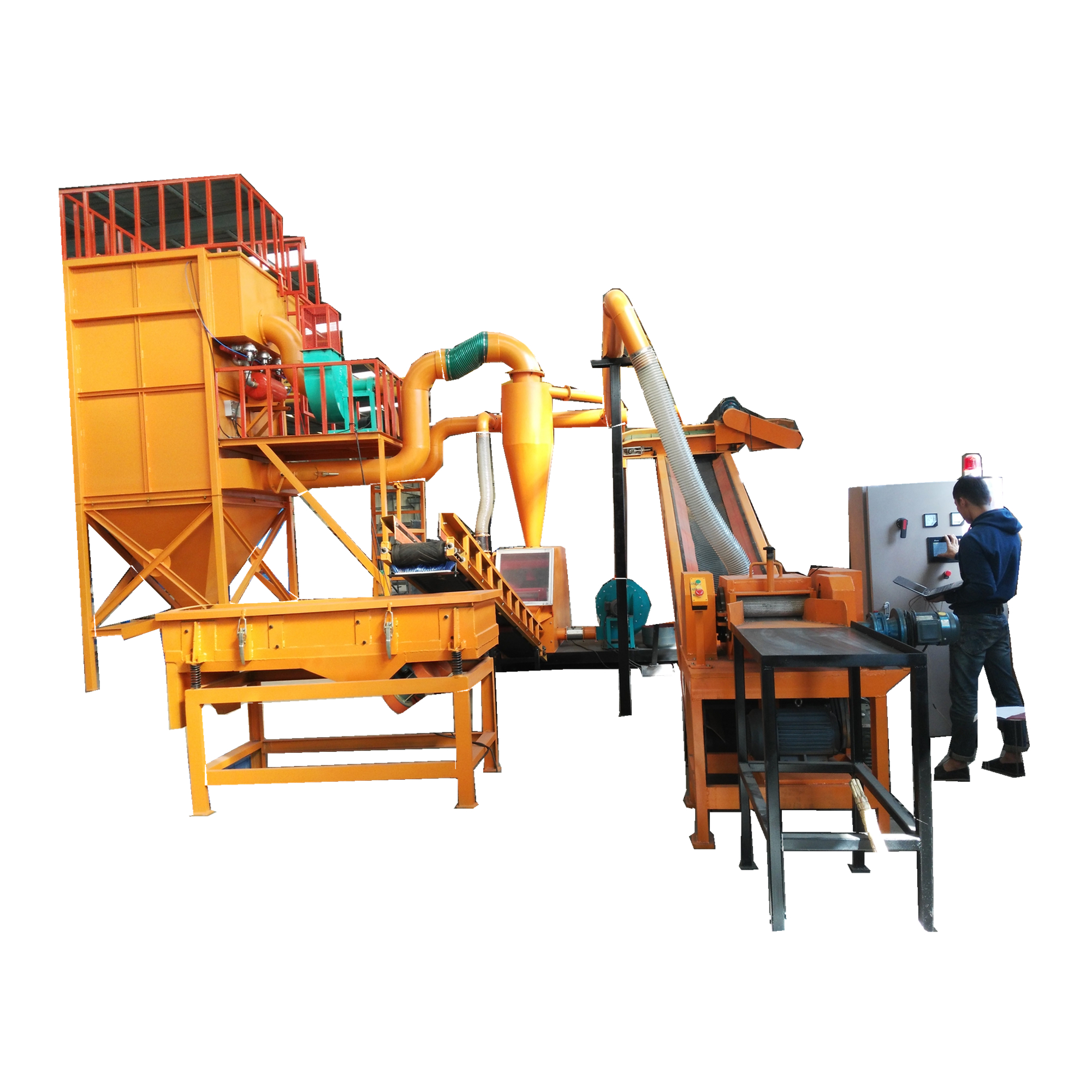
Another significant aspect of current separators is their implementation in safety mechanisms. Circuit breakers and fuses are practical examples of current separation devices designed to protect electrical circuits from overloads. When the current exceeds a safe limit, these devices interrupt the flow, preventing potential hazards such as overheating, fires, or equipment failure. By monitoring and managing the distribution of current, they safeguard the overall integrity of electrical systems.
In modern applications, current separators are integral to renewable energy systems, such as solar panels and wind turbines. In these setups, energy generated from different sources may need to be combined or separated effectively to optimize energy use and grid compatibility. Current separators facilitate this process, ensuring that energy flows smoothly while maintaining system integrity.
Moreover, in communication technologies, current separation is crucial for signal integrity. These systems often use current-carrying conductors to transmit data signals. By separating the current based on frequency or timing, engineers can minimize interference and enhance the clarity of transmitted signals.
In conclusion, current separators play a pivotal role in the design and functionality of electrical systems. Whether in protecting circuits, optimizing energy distribution, or enhancing communication, these devices help ensure that electrical currents serve their intended purpose effectively. As technology evolves, the principles underlying current separation will continue to be essential in developing innovative solutions across various industries. Understanding and applying these principles is vital for engineers and designers seeking to create efficient and reliable electrical systems.
Latest news
How to Choose a Hammer Mill Shredder for Scrap Metal
NewsNov.11,2026
Copper Wire Granulators vs. Automatic Scrap Cable Granulators: What the Specifications Show
NewsNov.02,2026
Metal Balers FAQ: Specifications, Ordering and Support Questions
NewsOct.28,2026
Industrial Metal Shredder Manufacturer for Sustainable Recycling
NewsJul.01,2026
Top Metal Shredder Factory for High Efficiency Recycling Equipment
NewsJun.29,2026
Analyze Industrial Efficiency with Metal Shredder Video Guide
NewsJun.27,2026