
Feb . 27, 2026 02:15 Back to list
Managing construction and demolition debris efficiently is crucial for sustainability and cost-effectiveness. A construction waste shredder offers a powerful solution for reducing waste volume, creating reusable materials, and minimizing landfill burden. This article explores the benefits, types, applications, and key considerations when selecting a shredder for your construction waste management needs. Effective waste shredding not only benefits the environment but also improves project efficiency and reduces disposal costs.
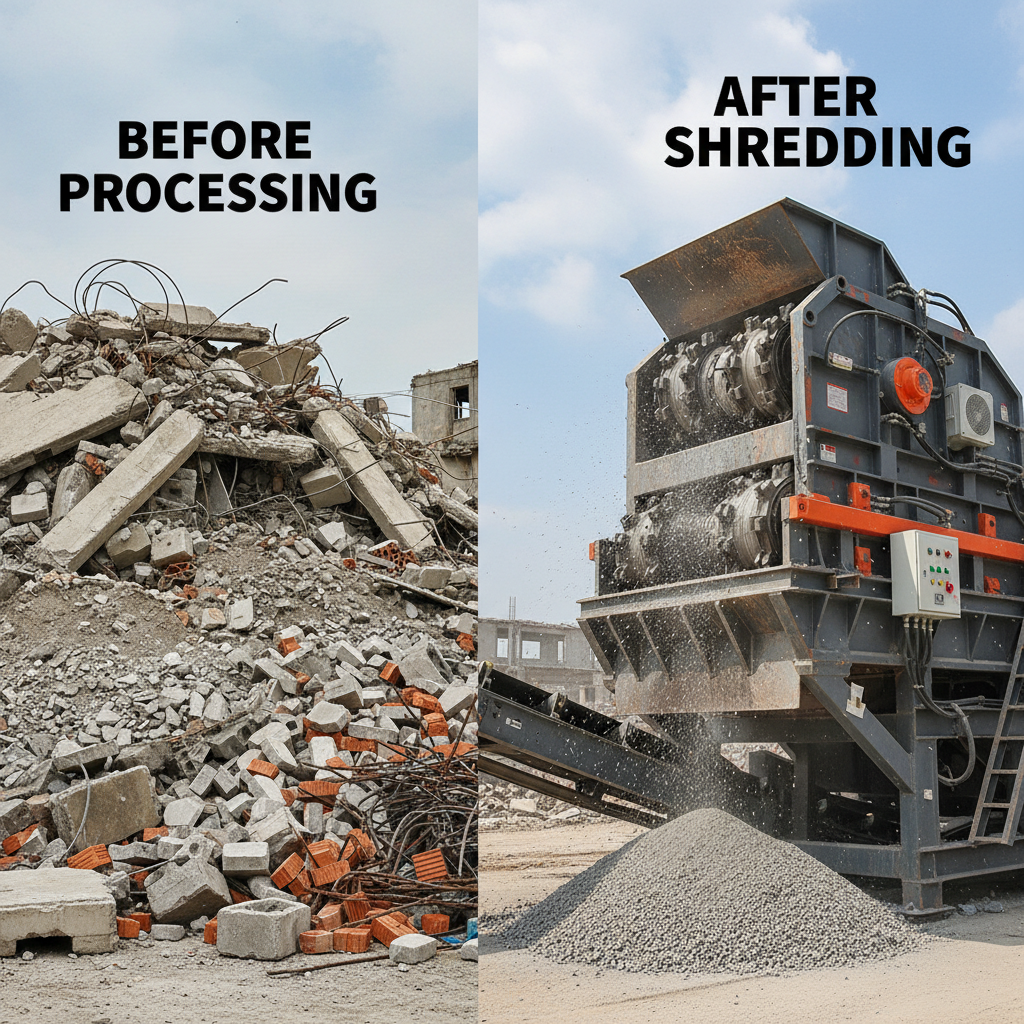
Investing in a construction waste shredder provides numerous advantages. Primarily, it dramatically reduces the volume of waste material, lowering transportation and landfill costs. Shredded waste can be repurposed as engineered fill, daily cover for landfills, or even processed further into new building materials. This promotes a circular economy and reduces reliance on virgin resources. Furthermore, shredders enhance site safety by eliminating bulky, hazardous debris, reducing trip hazards and improving overall workspace organization. Choosing the right construction waste shredder can significantly improve your project's environmental impact and bottom line.
Key Benefits: Reduced waste volume, lower disposal costs, material repurposing, enhanced site safety, and promotion of a circular economy.
Several types of shredders are suitable for construction waste, each with its strengths and weaknesses. These include rotary shears, hammer mills, and slow-speed high-torque shredders. Rotary shears excel at processing metals and large, bulky items. Hammer mills are versatile and effective for a wide range of materials, including wood, concrete, and asphalt. Slow-speed high-torque shredders are ideal for challenging materials like reinforced concrete and tires, minimizing noise and dust. The optimal choice depends on the composition and volume of your waste stream, as well as your budget and space constraints.
Shredder Type Breakdown:
• Rotary Shears: Best for metals and bulky items.
• Hammer Mills: Versatile for wood, concrete, and asphalt.
• Slow-Speed High-Torque: Ideal for reinforced concrete and tires.
Choosing the right shredder can be daunting. Here's a comparison of common types to help you make an informed decision. Factors to consider include material throughput, particle size, noise level, maintenance requirements, and initial investment. A thorough assessment of your specific needs will guide you towards the most efficient and cost-effective solution. Explore the offerings at OW Recycling for a range of high-quality shredders.
The applications of construction waste shredding are broad. Shredded concrete can be used as road base material, reducing the need for virgin aggregate. Shredded wood can be used for landscaping, mulch, or even biomass fuel. Metal recycling is also simplified with pre-shredded materials. Furthermore, shredding reduces the risk of illegal dumping and promotes responsible waste management practices. OW Recycling offers solutions tailored to various construction and demolition projects.
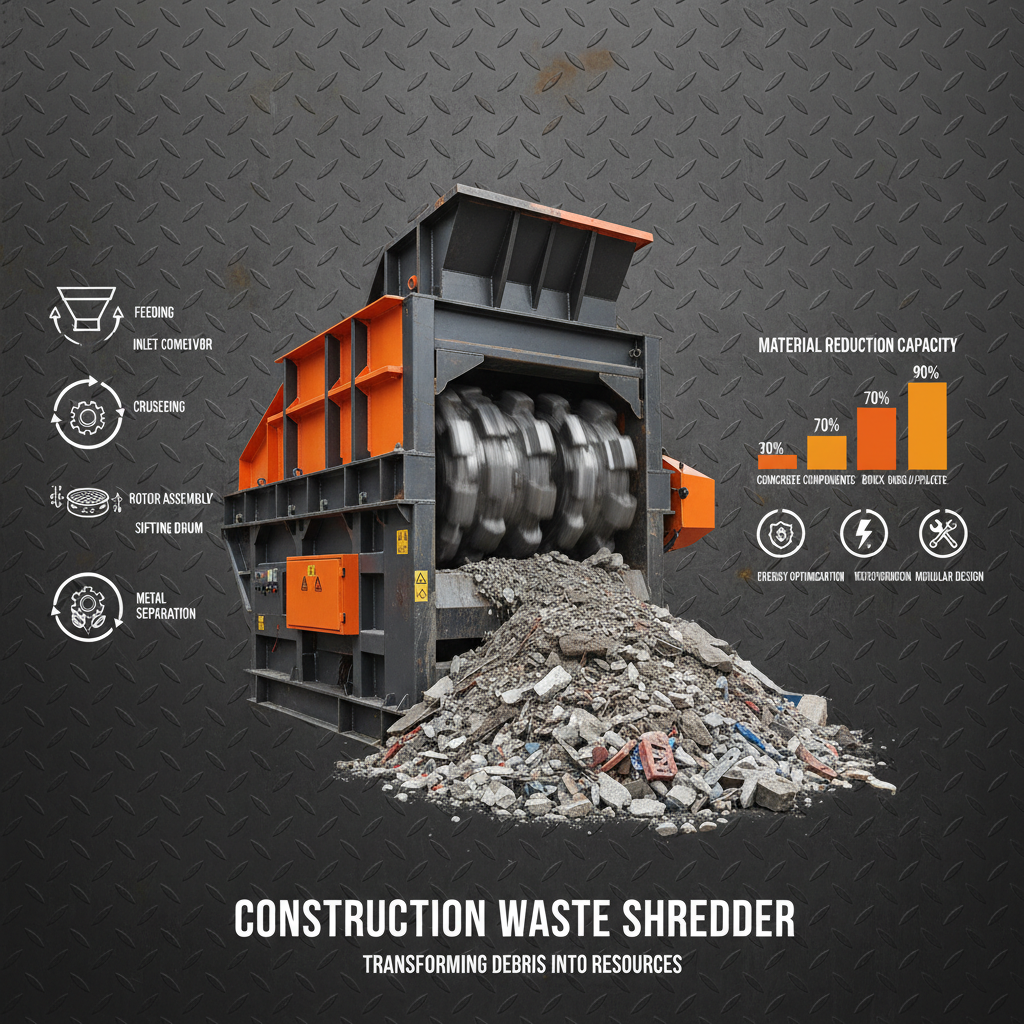
Before investing in a shredder, consider factors such as material composition, processing volume, budget, space availability, and power source. It's crucial to select a machine that can handle the types of waste you generate and meet your production needs. Look for features like overload protection, remote control operation, and dust suppression systems. A reputable manufacturer like OW Recycling can provide expert guidance and support.
Investing in a construction waste shredder is a smart move for any company committed to sustainability and cost savings. By carefully evaluating your needs and selecting the appropriate machine, you can streamline your waste management processes, reduce environmental impact, and boost your bottom line. Don't hesitate to consult with experts like those at OW Recycling to find the perfect shredding solution for your projects.
Most construction waste shredders can handle a wide range of materials, including wood, concrete, asphalt, drywall, plastic, metal, and roofing shingles. However, the specific capabilities depend on the type of shredder. For example, slow-speed high-torque shredders are best suited for tough materials like reinforced concrete, while hammer mills are more versatile for a broader range of materials. It’s essential to confirm the shredder’s specifications to ensure it can effectively process your specific waste stream. Choosing a robust shredder like those offered at OW Recycling ensures versatility and durability.
Safety is paramount when operating a shredder. Key safety features include emergency stop buttons, overload protection systems, automatic shut-off mechanisms, and robust guarding to prevent access to moving parts. Remote control operation is also a valuable safety feature, allowing operators to control the shredder from a safe distance. Regular maintenance and operator training are crucial for ensuring safe and efficient operation. Look for shredders that meet industry safety standards and certifications.
The cost of a construction waste shredder varies significantly depending on its type, size, capacity, and features. Smaller, portable shredders can cost a few thousand dollars, while larger, industrial-grade shredders can cost tens or even hundreds of thousands of dollars. Factors like brand reputation, warranty, and after-sales support also influence the price. Obtain quotes from multiple suppliers, including OW Recycling, to compare prices and find the best value for your needs.
Regular maintenance is essential for ensuring the longevity and optimal performance of a construction waste shredder. This includes daily inspections for wear and tear, lubrication of moving parts, blade sharpening or replacement, and cleaning of the machine to remove debris. Following the manufacturer's maintenance schedule is crucial. Preventive maintenance can help avoid costly repairs and downtime. Consider a maintenance contract with a qualified technician for peace of mind.
Latest news
Efficient Copper Wire Granulators for High Purity Metal Recycling
NewsApr.16,2026
Industrial Efficiency with Single Shaft Shredder Used in Recycling
NewsApr.09,2026
Comprehensive Guide to Single Shaft Shredders for Efficient Waste Reduction
NewsApr.07,2026
Find the Best Mini Industrial Shredder for Sale and Boost Efficiency
NewsApr.04,2026
Understanding Industrial Shredding Machine Price A Comprehensive Guide To Purchasing
NewsMar.31,2026
Choosing the Right Industrial Shredder Machine Manufacturer for Your Business
NewsMar.28,2026