
Jan . 28, 2026 11:05 Back to list
Plasma TVs, while offering excellent picture quality, contain hazardous materials that require responsible disposal. Simply throwing them in the trash is not an option. This article will guide you through the proper methods for disposing of your old plasma TV, ensuring environmental safety and compliance with regulations. We'll explore recycling options, manufacturer take-back programs, and local disposal guidelines. Responsible e-waste disposal is critical, and we'll show you how to do it right. OW Recycling is here to help you navigate this process.
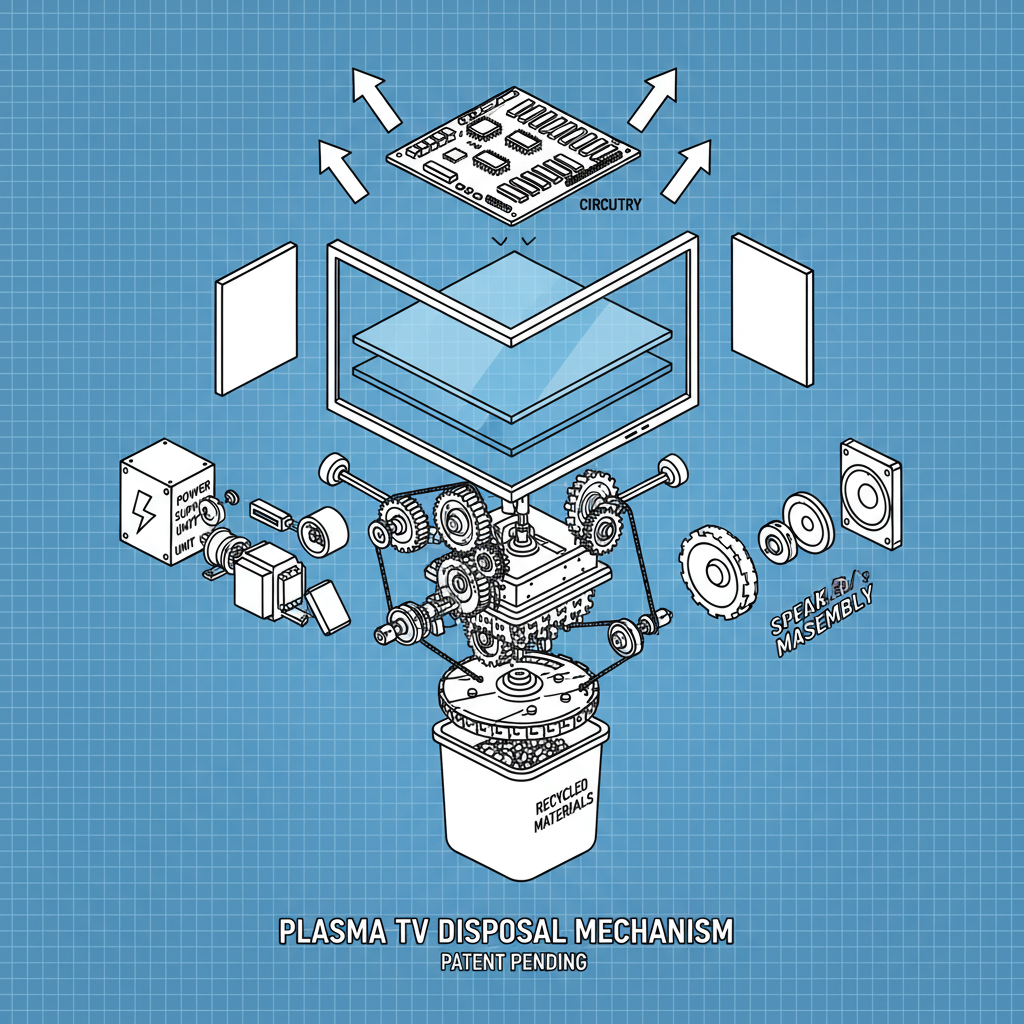
Plasma TVs contain materials like lead, mercury, and cadmium, which are harmful to the environment and human health. These substances can leach into the soil and water if the TV is improperly discarded in a landfill. Furthermore, many components can be recovered and reused through recycling, conserving valuable resources. Proper disposal ensures that these hazardous materials are handled safely, and reusable materials are given a second life. Ignoring responsible disposal practices can lead to environmental contamination and potential health risks. OW Recycling provides environmentally sound solutions for your old plasma TV.
Key Takeaway: Plasma TVs require specialized disposal due to the presence of hazardous materials. Recycling is the most responsible option.
Recycling is the preferred method for disposing of a plasma TV. Several options are available: local recycling centers, e-waste collection events, and retail take-back programs. Many municipalities offer designated e-waste recycling facilities where you can drop off your TV free of charge. Check with your local government for details. E-waste collection events are often held periodically in communities, providing a convenient way to recycle electronics. Retailers like Best Buy and Staples also offer take-back programs, sometimes even providing store credit for your old TV. OW Recycling can provide a comprehensive list of recycling options in your area.
Recycling Benefits:
• Prevents hazardous materials from entering landfills
• Conserves valuable resources through material recovery
• Reduces environmental pollution
• Supports a circular economy
Many TV manufacturers offer take-back programs for their products. These programs allow you to return your old TV to the manufacturer for responsible recycling. Check the manufacturer's website for information on their take-back policies and procedures. Some programs may require you to ship the TV back to the manufacturer, while others may have designated drop-off locations. Participating in a manufacturer take-back program ensures that your TV is recycled according to industry best practices. OW Recycling can assist you in locating manufacturer take-back programs.

Choosing the right disposal method depends on your location, the condition of the TV, and your preferences. Here's a comparison of the most common options:
Never attempt to disassemble a plasma TV yourself. The internal components contain hazardous materials that require specialized handling. Avoid throwing the TV in the regular trash, as it will likely end up in a landfill. Do not leave the TV on the curb for scavengers, as it could be mishandled. Always choose a reputable recycling facility or take-back program to ensure responsible disposal. OW Recycling adheres to the highest standards of environmental safety.
Properly disposing of your old plasma TV is crucial for protecting the environment and human health. By choosing recycling or a manufacturer take-back program, you can ensure that hazardous materials are handled safely and reusable materials are recovered. OW Recycling is dedicated to providing environmentally responsible e-waste solutions. Make the right choice for our planet.
Many recycling centers and e-waste events offer free recycling for plasma TVs. However, some facilities or programs may charge a small fee to cover processing costs. It’s always best to check with the specific recycling provider beforehand to inquire about any potential fees. Some retailers offering take-back programs may even provide a store credit or discount for your old TV, effectively offsetting any potential costs. OW Recycling strives to offer competitive and transparent pricing.
After your plasma TV is collected for recycling, it's carefully dismantled by trained technicians. Hazardous materials like lead, mercury, and cadmium are removed and processed separately for safe disposal or reclamation. Reusable materials, such as glass, plastic, and metals, are sorted and sent to specialized facilities for recycling into new products. This process helps conserve resources and reduces the need for raw material extraction.
In many states and municipalities, it is illegal to dispose of e-waste, including plasma TVs, in the regular trash. These laws are in place to protect the environment and human health. Violators may face fines or other penalties. It’s important to check your local regulations to understand the specific rules in your area. Recycling is the legally compliant and environmentally responsible option. OW Recycling can provide information on local e-waste regulations.
Look for recyclers that are certified by organizations like R2 (Responsible Recycling) or e-Stewards. These certifications ensure that the recycler adheres to strict environmental and safety standards. You can search for certified recyclers on the websites of these organizations. Certifications provide assurance that your TV will be recycled responsibly and ethically. OW Recycling is proud to be a certified e-waste recycler.
Latest news
Efficient Copper Wire Granulators for High Purity Metal Recycling
NewsApr.16,2026
Industrial Efficiency with Single Shaft Shredder Used in Recycling
NewsApr.09,2026
Comprehensive Guide to Single Shaft Shredders for Efficient Waste Reduction
NewsApr.07,2026
Find the Best Mini Industrial Shredder for Sale and Boost Efficiency
NewsApr.04,2026
Understanding Industrial Shredding Machine Price A Comprehensive Guide To Purchasing
NewsMar.31,2026
Choosing the Right Industrial Shredder Machine Manufacturer for Your Business
NewsMar.28,2026