
Mar . 31, 2026 02:15 Back to list
Investing in an industrial shredding machine is a significant decision for any business dealing with waste reduction, material recovery, or security. The industrial shredding machine price can vary considerably based on capacity, features, and the manufacturer. This article will delve into the factors influencing pricing, explore different types of shredders, and provide insights to help you make an informed purchasing decision. Understanding these nuances is crucial for maximizing your return on investment and ensuring efficient operation. Choosing the right shredder isn't just about cost; it's about finding the perfect fit for your specific needs.
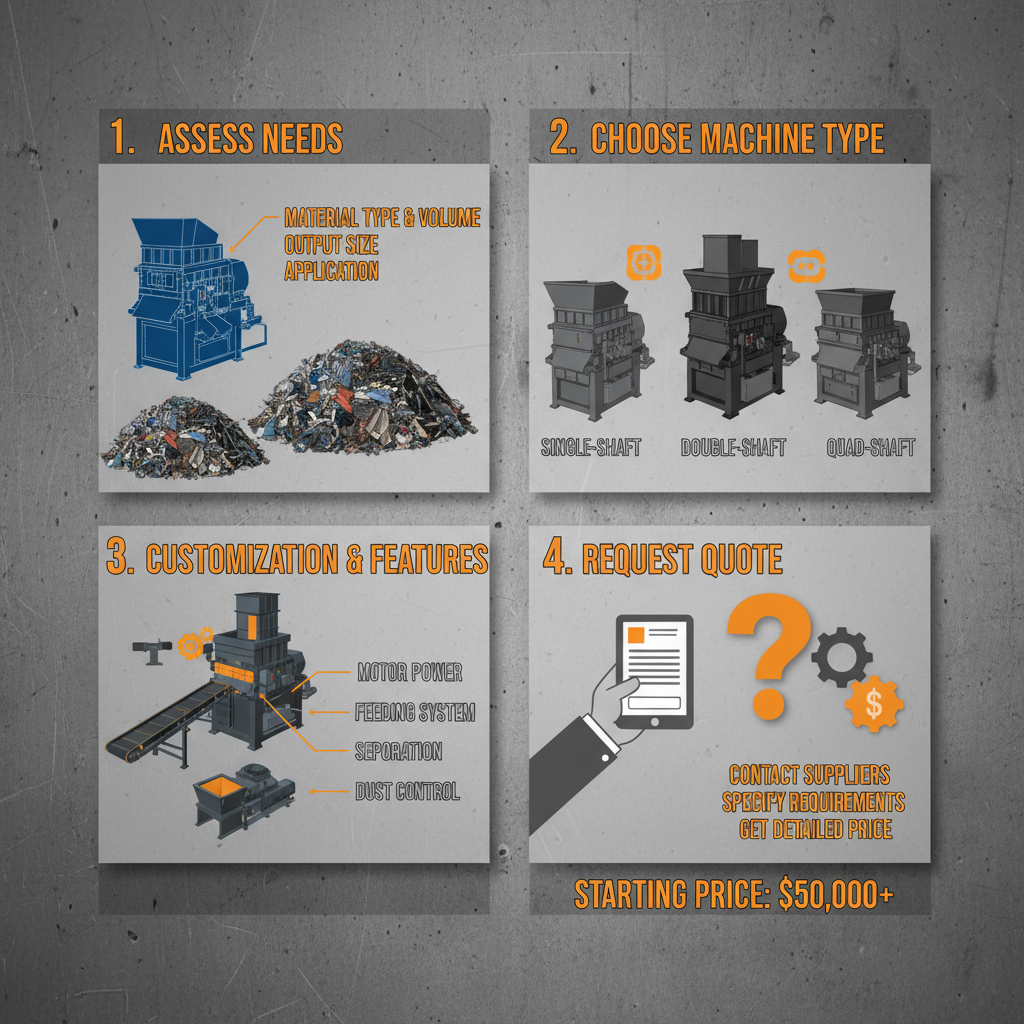
Several key factors contribute to the final price of an industrial shredding machine. Capacity is a major driver; larger machines capable of processing greater volumes of material naturally command a higher price. The type of material being shredded also plays a role – shredding highly abrasive materials requires more robust (and therefore expensive) components. Features like automatic reversing, PLC control systems, and dust collection systems add to the cost. Furthermore, the manufacturer’s reputation, warranty offerings, and after-sales service all impact the overall price. Consider the total cost of ownership, including maintenance, repairs, and energy consumption, when evaluating different options. OW Recycling offers competitive pricing alongside comprehensive support.
Key Considerations: Capacity, Material Type, Features, Manufacturer Reputation, and Total Cost of Ownership.
The industrial shredding machine price varies significantly depending on the type of shredder. Single-shaft shredders are versatile and can handle a wide range of materials but are generally more expensive than two-shaft shredders. Granulators are ideal for reducing material size into uniform particles and are often used in plastics recycling. Four-shaft shredders are effective for shredding bulky materials like tires. Here's a general price range overview:
Consider whether to purchase a new or used industrial shredding machine. Used machines can offer significant cost savings, but they may come with higher maintenance requirements and limited warranties. New machines offer the latest technology, full warranties, and typically lower long-term maintenance costs. When evaluating a used machine, thoroughly inspect its condition, request maintenance records, and assess the availability of spare parts. OW Recycling offers both new and refurbished options to fit various budgets.
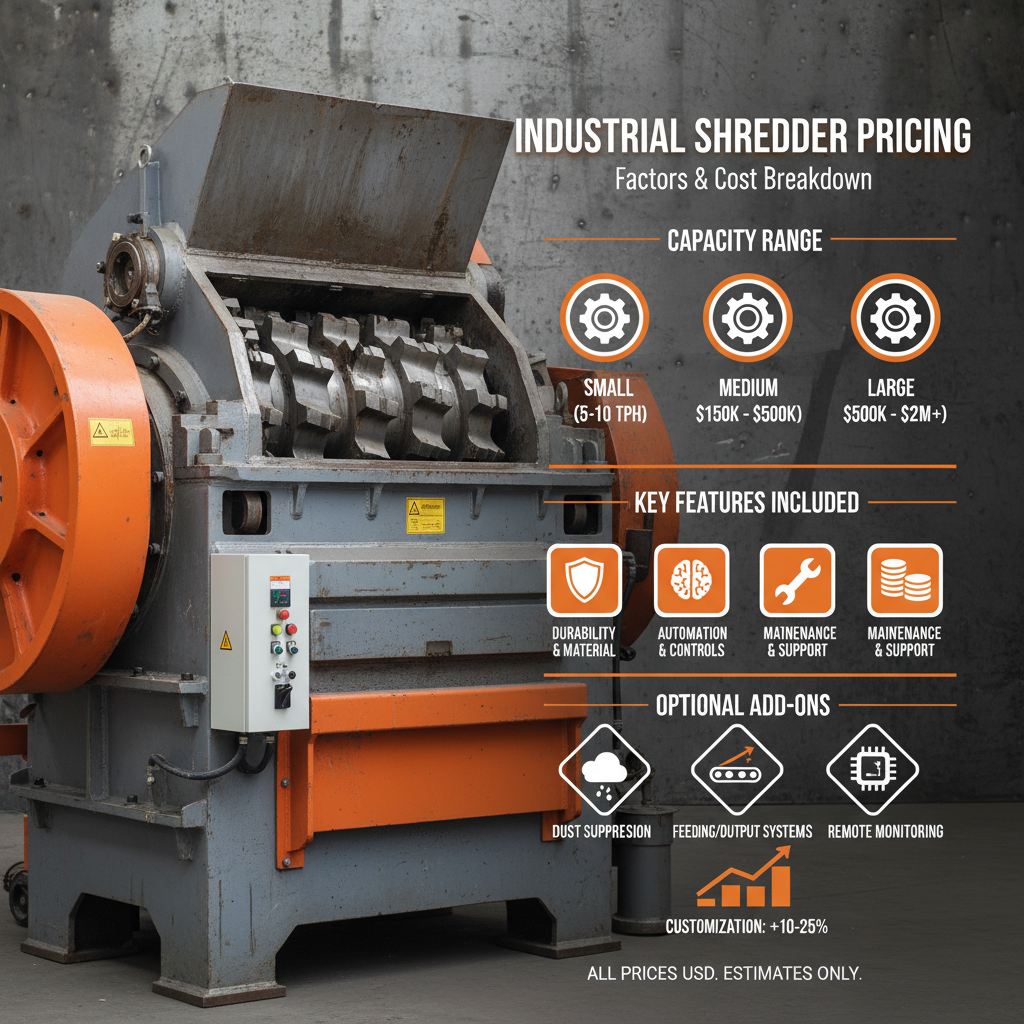
Beyond the initial industrial shredding machine price, factor in potential hidden costs. These include installation, electrical work, operator training, maintenance contracts, spare parts, and waste disposal fees for shredded materials. Regularly scheduled maintenance is crucial to prevent breakdowns and extend the machine's lifespan. Consider the cost of replacing blades or screens, and factor in potential downtime for repairs. Thorough planning can help minimize these unexpected expenses.
To secure the best possible price, obtain quotes from multiple vendors, clearly specifying your requirements. Be prepared to negotiate and ask about discounts or financing options. Consider the vendor’s reputation and after-sales support. Check online reviews and seek references from other customers. Finally, consider a machine with modular design for future upgrades. OW Recycling provides customized solutions and transparent pricing.
Selecting the right industrial shredding machine requires careful consideration of your specific needs and budget. Understanding the factors that influence industrial shredding machine price, exploring different types of shredders, and accounting for hidden costs are all crucial steps. By following these guidelines and partnering with a reputable supplier like OW Recycling, you can make a confident and cost-effective investment.
Lead times vary depending on the manufacturer and the complexity of the machine. Standard models typically have a lead time of 4-8 weeks, while custom-built machines can take 12 weeks or longer. Factors such as component availability and the manufacturer’s production schedule can also influence lead times. It’s essential to inquire about lead times upfront to ensure the machine will be delivered when you need it. OW Recycling can provide accurate lead time estimates.
Regular maintenance is vital for ensuring optimal performance and longevity. This typically includes daily inspections, blade sharpening or replacement, lubrication of moving parts, and filter cleaning. A preventative maintenance schedule should be established and followed diligently. More complex maintenance tasks, such as motor repairs or electrical troubleshooting, should be performed by qualified technicians.
Yes, OW Recycling offers a range of financing options to suit different budgets. We work with several financial institutions to provide competitive rates and flexible payment terms. Contact our sales team to discuss your financing needs and find a solution that works for you.
Safety is paramount when operating an industrial shredder. Essential safety features include emergency stop buttons, safety interlocks to prevent operation with open access doors, overload protection, and appropriate guarding to protect operators from moving parts. Ensure the machine meets relevant safety standards and that operators receive thorough training on safe operating procedures.
Latest news
Industrial Efficiency with Single Shaft Shredder Used in Recycling
NewsApr.09,2026
Comprehensive Guide to Single Shaft Shredders for Efficient Waste Reduction
NewsApr.07,2026
Find the Best Mini Industrial Shredder for Sale and Boost Efficiency
NewsApr.04,2026
Understanding Industrial Shredding Machine Price A Comprehensive Guide To Purchasing
NewsMar.31,2026
Choosing the Right Industrial Shredder Machine Manufacturer for Your Business
NewsMar.28,2026
Comprehensive Guide to Industrial Garden Waste Shredders for Efficient Recycling
NewsMar.26,2026