
Jan . 27, 2026 19:15 Back to list
The rapid pace of technological advancement means electronic devices become obsolete quickly. But what happens when it's time to say goodbye to your old smartphones, laptops, and other gadgets? Simply throwing them in the trash isn't the answer. Improper disposal of e-waste can have serious environmental and health consequences. This article provides a thorough guide on how to responsibly dispose of your electronics, covering everything from recycling options to data security. Let's explore the best practices for handling your electronic waste.
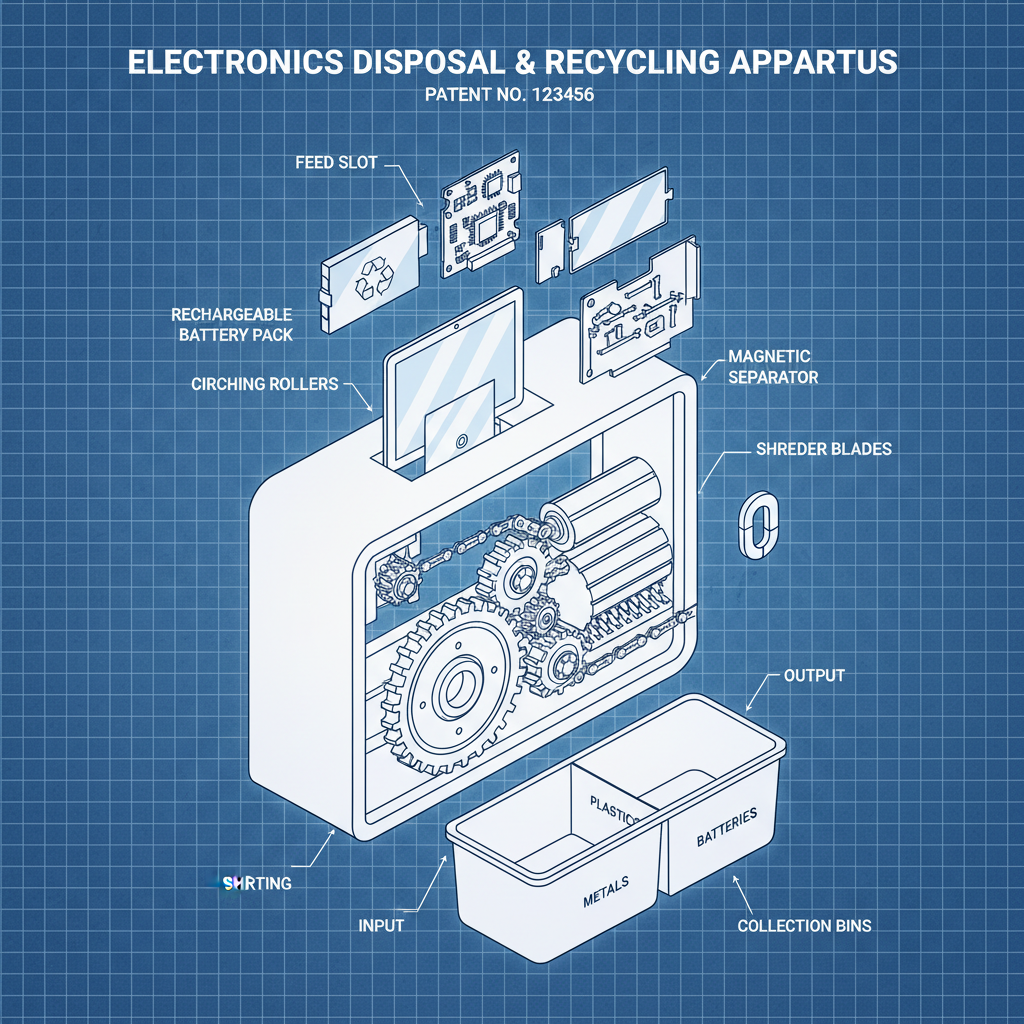
Electronic devices contain hazardous materials like lead, mercury, cadmium, and beryllium. When these materials end up in landfills, they can leach into the soil and groundwater, contaminating the environment. Furthermore, the manufacturing of electronics requires valuable resources, and recycling recovers these materials, reducing the need for mining and conserving natural resources. Responsible disposal also protects human health by preventing exposure to toxic substances. Choosing the right disposal method ensures a sustainable and environmentally conscious approach to managing your outdated technology.
Key Takeaway: E-waste contains hazardous materials that can harm the environment and human health. Recycling recovers valuable resources and promotes sustainability.
There are several ways to dispose of your electronics responsibly. Here are some of the most common methods:
OW Recycling offers comprehensive e-waste solutions for individuals and businesses.
Before disposing of any electronic device that stores personal information, it's crucial to protect your data. Simply deleting files isn’t enough. You need to securely wipe the data to prevent it from being recovered.
Remember to remove any SIM cards or memory cards before disposal. Protecting your personal information is paramount.
Data Security Checklist:
• Perform a factory reset on smartphones and tablets.
• Use data wiping software for computers.
• Physically destroy hard drives if necessary.
• Remove SIM and memory cards.
Choosing the right recycling option depends on the type of electronic device and your location. Here’s a comparison:
As technology continues to evolve, the volume of e-waste will only increase. Innovation in recycling technologies, extended producer responsibility (EPR) schemes, and increased consumer awareness are crucial for addressing this challenge. By actively participating in responsible e-waste disposal practices, we can minimize environmental impact and create a more sustainable future. Supporting companies like OW Recycling who are dedicated to ethical and efficient recycling processes is a step in the right direction.
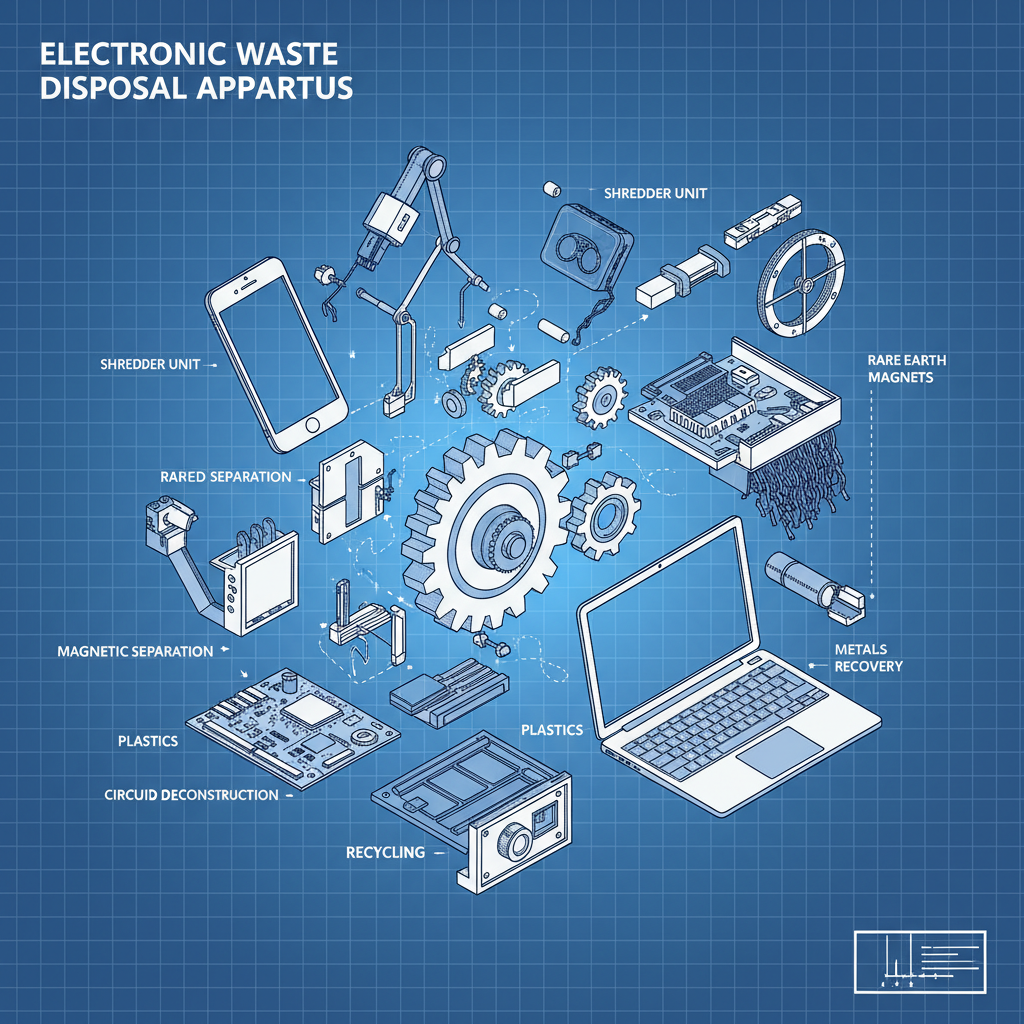
Properly disposing of electronics is not just an individual responsibility, but a collective effort. By understanding the environmental impacts, data security risks, and available recycling options, we can all contribute to a more sustainable future. OW Recycling is here to help you navigate the process and ensure your e-waste is handled responsibly. Let’s work together to protect our planet.
Most electronic devices are recyclable, including computers, laptops, monitors, smartphones, tablets, televisions, printers, and various peripherals. However, some programs may have limitations on specific items, such as CRT monitors or certain types of batteries. It’s best to check with your chosen recycling provider for a list of accepted materials. Often, even small electronics like chargers and cables can be recycled. OW Recycling accepts a wide range of electronics for responsible disposal.
The cost of e-waste recycling can vary depending on the provider and the type of device. Some programs are free, while others may charge a fee, particularly for larger items like televisions or monitors. Manufacturer take-back programs are often free. Certified e-waste recyclers may charge a processing fee. It's always a good idea to check the fees before dropping off your electronics. Contact OW Recycling for transparent pricing and services.
R2 (Responsible Recycling) and e-Stewards are both certifications for e-waste recyclers. Both standards aim to ensure environmentally sound and safe recycling practices. However, e-Stewards is generally considered more stringent, particularly regarding the prohibition of exporting hazardous e-waste to developing countries. Choosing a recycler with either certification is a good step, but e-Stewards provides a higher level of assurance regarding ethical and responsible processing.
Latest news
Efficient Copper Wire Granulators for High Purity Metal Recycling
NewsApr.16,2026
Industrial Efficiency with Single Shaft Shredder Used in Recycling
NewsApr.09,2026
Comprehensive Guide to Single Shaft Shredders for Efficient Waste Reduction
NewsApr.07,2026
Find the Best Mini Industrial Shredder for Sale and Boost Efficiency
NewsApr.04,2026
Understanding Industrial Shredding Machine Price A Comprehensive Guide To Purchasing
NewsMar.31,2026
Choosing the Right Industrial Shredder Machine Manufacturer for Your Business
NewsMar.28,2026