
Feb . 28, 2026 02:15 Back to list
In today's world, efficient waste management and resource recovery are more crucial than ever. An industrial recycling shredder is a cornerstone of this process, transforming waste materials into reusable resources. This article will delve into the benefits, types, applications, and key considerations when choosing the right shredder for your recycling needs. We'll explore how these machines contribute to a circular economy and improve environmental sustainability. Choosing the correct shredder dramatically impacts efficiency and profitability.
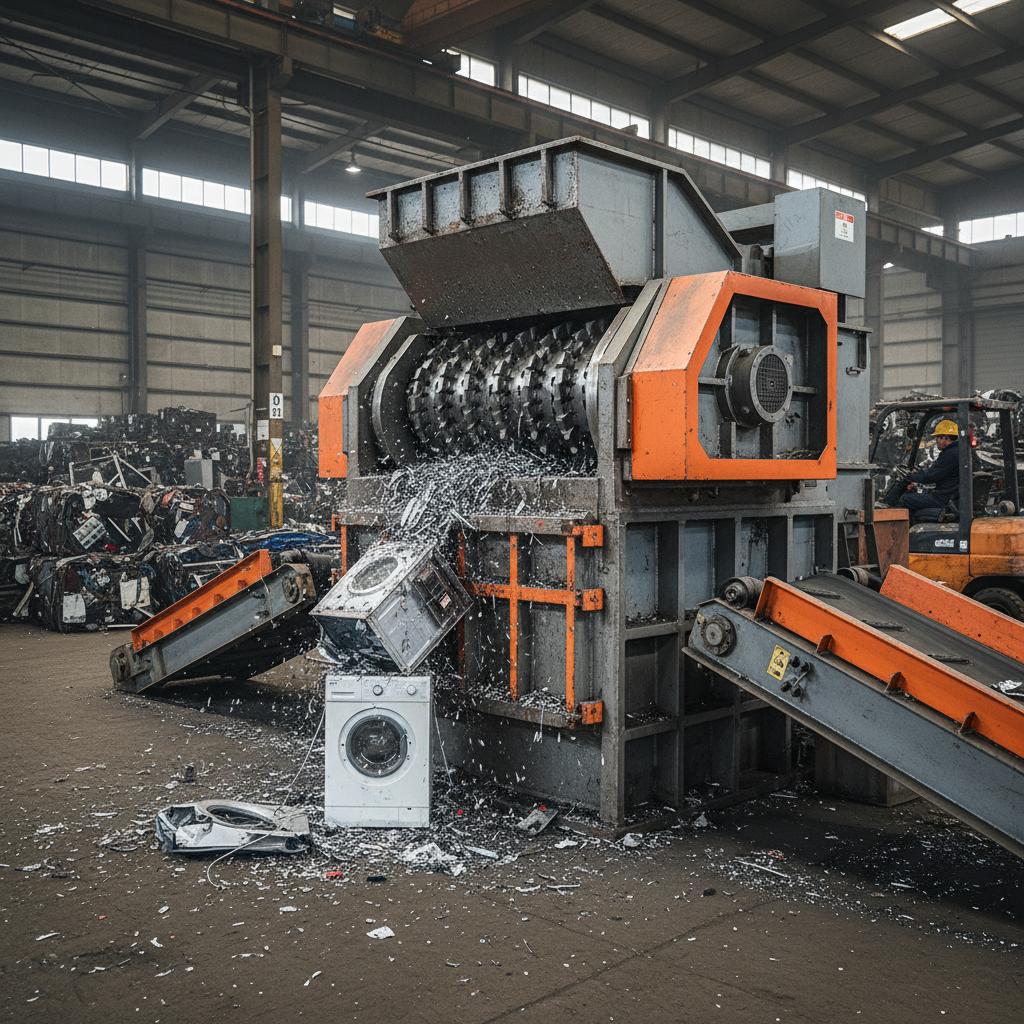
Investing in an industrial recycling shredder offers numerous advantages. Firstly, it drastically reduces the volume of waste sent to landfills, conserving valuable landfill space. Secondly, it creates valuable secondary raw materials that can be sold or reused in manufacturing processes, lowering production costs. Thirdly, it promotes environmental sustainability by reducing the need for virgin resources. Finally, modern shredders are designed for energy efficiency and low maintenance, resulting in long-term operational savings. The ability to process a wide range of materials, from plastics to metals, makes these machines incredibly versatile.
Key Benefits: Reduced landfill waste, creation of secondary raw materials, environmental sustainability, energy efficiency, and versatility in material processing.
Several types of industrial recycling shredders cater to different materials and applications. Single-shaft shredders are ideal for bulky or mixed waste, providing high torque and capacity. Two-shaft shredders excel at processing homogenous materials like plastics and paper, offering precise size reduction. Granulators are used for fine grinding of materials into smaller particles, often used after primary shredding. Shear shredders use blades to cut materials, and are often used for metallic scraps. Selecting the right type depends on the specific materials you'll be processing and the desired output size. OW Recycling offers a range of these options.
Shredder Type Breakdown:
• Single-Shaft Shredders: Bulky, mixed waste.
• Two-Shaft Shredders: Homogenous materials.
• Granulators: Fine grinding.
• Shear Shredders: Metallic Scraps.
The applications for industrial recycling shredders are incredibly diverse. They are essential in plastic recycling plants, processing post-consumer and post-industrial plastic waste. Metal recycling facilities use them to reduce scrap metal to manageable sizes for further processing. Waste-to-energy plants utilize shredders to prepare waste for incineration. The construction and demolition industry utilizes them for processing wood, concrete, and other building materials. Even the confidential document destruction industry relies on shredders to ensure secure data disposal.
Selecting the right industrial recycling shredder requires careful consideration of several factors. The type of material to be processed is paramount, as different materials require different shredding mechanisms. The volume of material processed daily will determine the required capacity of the shredder. The desired output size and shape will influence the choice between different shredder types. Budget, maintenance requirements, and energy efficiency are also important factors to consider. OW Recycling can provide expert guidance to help you select the optimal shredder for your specific needs.
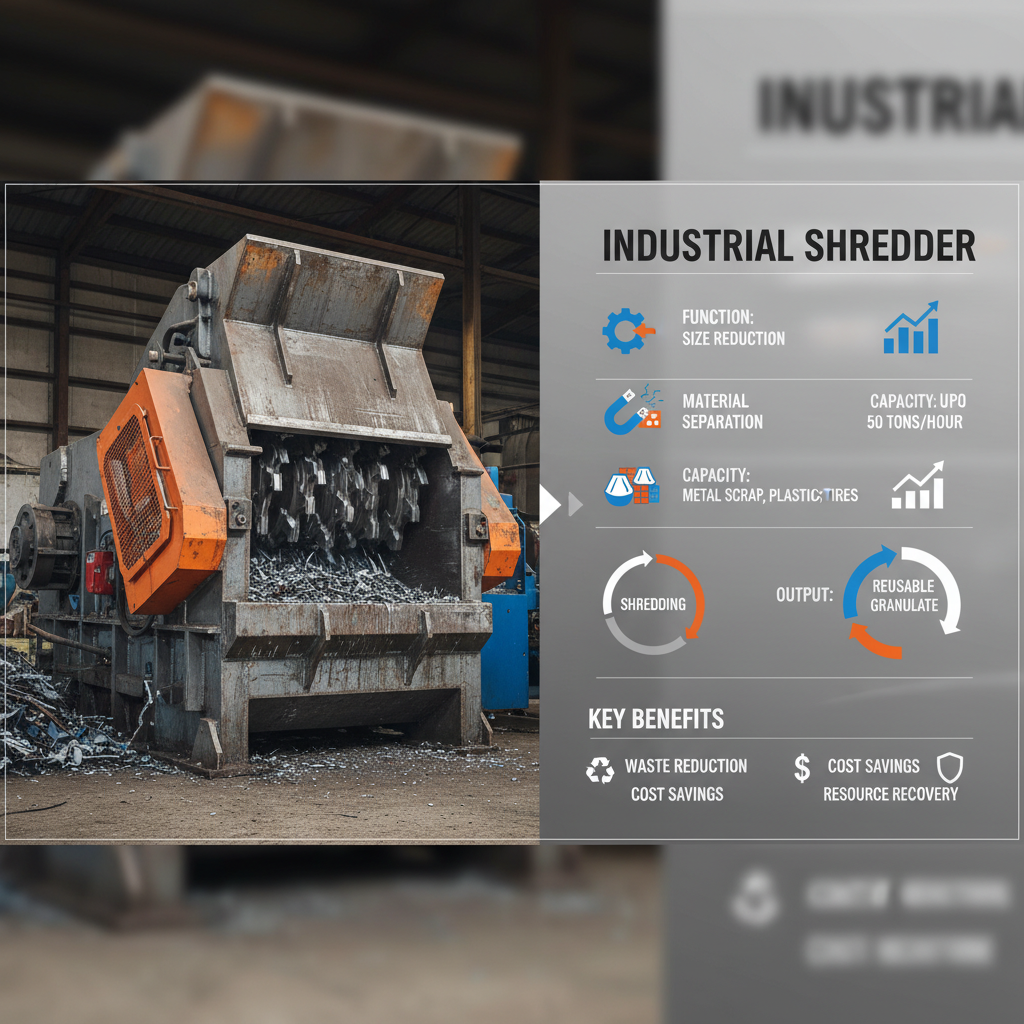
At OW Recycling, we specialize in providing high-quality industrial recycling shredders and comprehensive recycling solutions. We offer a wide range of shredders to suit various applications and budgets, backed by expert technical support and reliable after-sales service. Our commitment to innovation and sustainability ensures that our clients receive cutting-edge technology and optimal performance. Partner with us to optimize your recycling processes and contribute to a greener future.
An industrial recycling shredder is more than just a machine; it’s an investment in a sustainable future. By efficiently processing waste materials into reusable resources, these shredders contribute to a circular economy, reduce landfill waste, and minimize environmental impact. Choosing the right shredder, with the help of experts like those at OW Recycling, is crucial for maximizing efficiency and profitability.
Modern industrial recycling shredders are equipped with a range of safety features to protect operators. These include emergency stop buttons, safety interlocks that prevent operation when access doors are open, overload protection systems, and robust guarding to prevent contact with moving parts. Some models also feature remote control operation for increased safety in hazardous environments. Regular maintenance and operator training are crucial to ensure these safety features function effectively. OW Recycling prioritizes safety in the design and implementation of all its shredding solutions.
The maintenance requirements for industrial recycling shredders vary depending on the type of shredder and the materials processed. Generally, regular maintenance includes inspecting and replacing wear parts such as blades, screens, and bearings. Lubrication of moving parts is also crucial. It’s important to establish a preventative maintenance schedule to minimize downtime and ensure optimal performance. OW Recycling provides comprehensive maintenance services and support to help clients keep their shredders operating efficiently.
The payback period for an industrial recycling shredder investment varies based on factors such as the volume of material processed, the price of recovered materials, and the cost of waste disposal. However, a typical payback period ranges from 1 to 3 years. The cost savings from reduced landfill fees, increased revenue from selling recovered materials, and improved operational efficiency can quickly offset the initial investment. A thorough cost-benefit analysis is recommended to determine the specific payback period for your operation.
Many industrial recycling shredders are designed to handle some level of contamination, such as dirt, debris, or non-recyclable materials mixed with the target material. However, the extent to which a shredder can handle contamination depends on the type of shredder and the nature of the contaminants. It's important to consider the potential impact of contaminants on the shredder's performance and wear parts. Pre-sorting materials to remove excessive contamination is often recommended.
Latest news
Efficient Copper Wire Granulators for High Purity Metal Recycling
NewsApr.16,2026
Industrial Efficiency with Single Shaft Shredder Used in Recycling
NewsApr.09,2026
Comprehensive Guide to Single Shaft Shredders for Efficient Waste Reduction
NewsApr.07,2026
Find the Best Mini Industrial Shredder for Sale and Boost Efficiency
NewsApr.04,2026
Understanding Industrial Shredding Machine Price A Comprehensive Guide To Purchasing
NewsMar.31,2026
Choosing the Right Industrial Shredder Machine Manufacturer for Your Business
NewsMar.28,2026