
Mar . 11, 2026 02:15 Back to list
Managing construction and demolition debris is a significant challenge for businesses and municipalities alike. Efficiently processing this waste not only reduces landfill costs but also promotes sustainable practices by enabling material recovery and reuse. A construction waste crusher is a vital piece of equipment for tackling this task. This article explores the benefits, types, applications, and key considerations when choosing a construction waste crusher. We’ll delve into how these machines can transform waste into valuable resources, boosting your bottom line and contributing to a greener future.
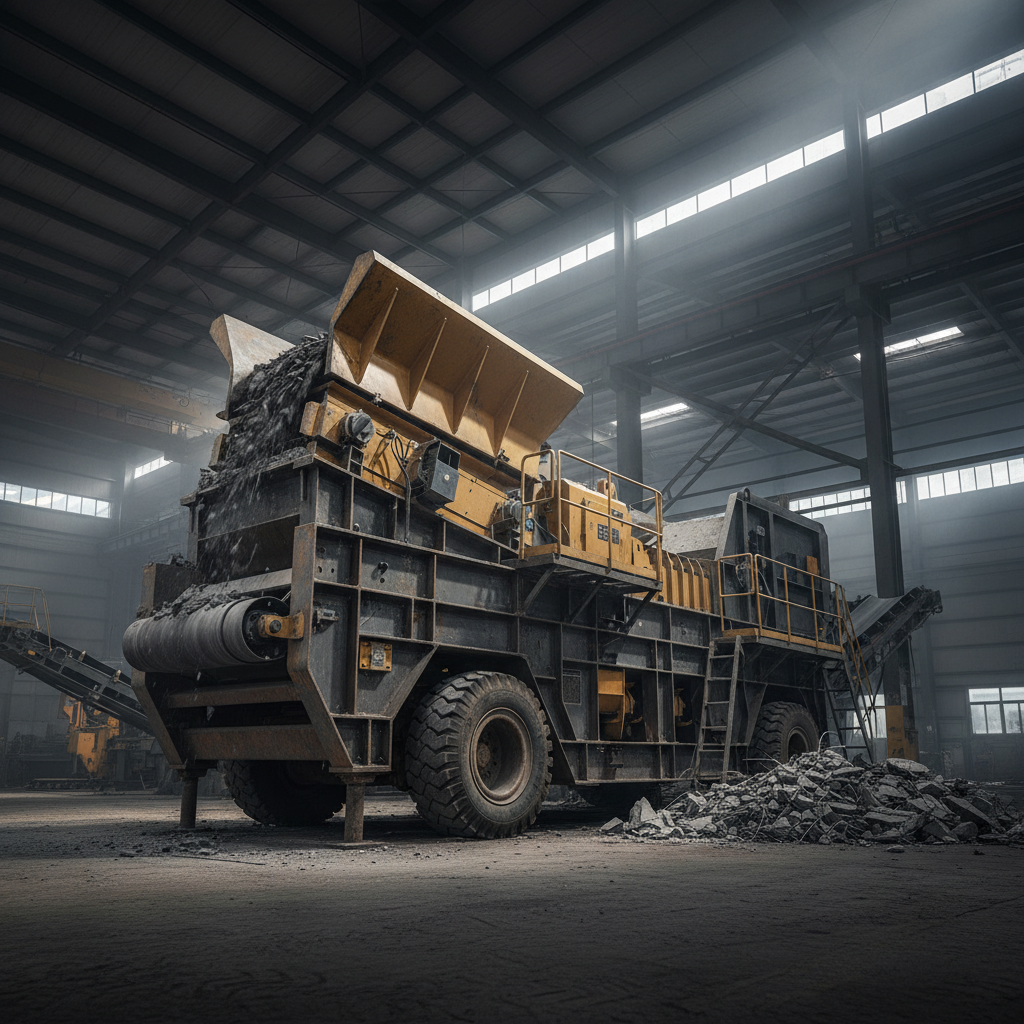
Investing in a construction waste crusher offers a multitude of advantages. Firstly, it significantly reduces the volume of waste material, lowering disposal costs. Secondly, it enables the recovery of valuable materials like concrete, asphalt, brick, and wood, which can be repurposed for road base, aggregate, or other construction projects. This promotes circular economy principles and reduces reliance on virgin materials. Furthermore, on-site crushing minimizes transportation costs and emissions associated with hauling waste to landfills. Finally, it can enhance your company’s reputation by demonstrating a commitment to environmental responsibility. The increased efficiency and revenue generation possibilities make a crusher a compelling investment.
Key Benefits: Reduced disposal costs, material recovery, minimized transportation, enhanced sustainability, and increased profitability.
Several types of crushers are available, each suited to different waste compositions and volumes. Jaw crushers are known for their durability and ability to handle hard materials like concrete and rock. Impact crushers are effective for asphalt and softer materials, offering high reduction ratios. Cone crushers are ideal for producing precisely sized aggregate. And finally, shear crushers are best suited for processing wood, metal, and other lighter debris. Selecting the right type depends on the specific characteristics of your waste stream and your desired output material.
Crusher Type Comparison:
• Jaw Crusher: Durable, handles hard materials.
• Impact Crusher: High reduction ratio, good for asphalt.
• Cone Crusher: Precise aggregate sizing.
• Shear Crusher: Wood, metal, and lighter debris.
Selecting the ideal construction waste crusher requires careful consideration of several factors. First, assess the volume and composition of your waste stream. Second, determine the desired output material size and quality. Third, evaluate the power source available (electric, diesel, or hydraulic). Fourth, consider portability and ease of maintenance. And finally, establish a budget that encompasses not only the initial purchase price but also operating costs, maintenance, and potential repairs. Partnering with a reputable supplier like OW Recycling can provide valuable guidance and support throughout the selection process.
Construction waste crushers find applications in a wide array of scenarios. Demolition projects utilize them to process concrete and masonry debris. Road construction and maintenance benefit from asphalt and aggregate recycling. Land clearing operations can efficiently manage wood and vegetative waste. Furthermore, quarrying and mining operations utilize crushers for processing raw materials. The versatility of these machines makes them essential tools across multiple sectors. OW Recycling offers solutions for diverse applications.
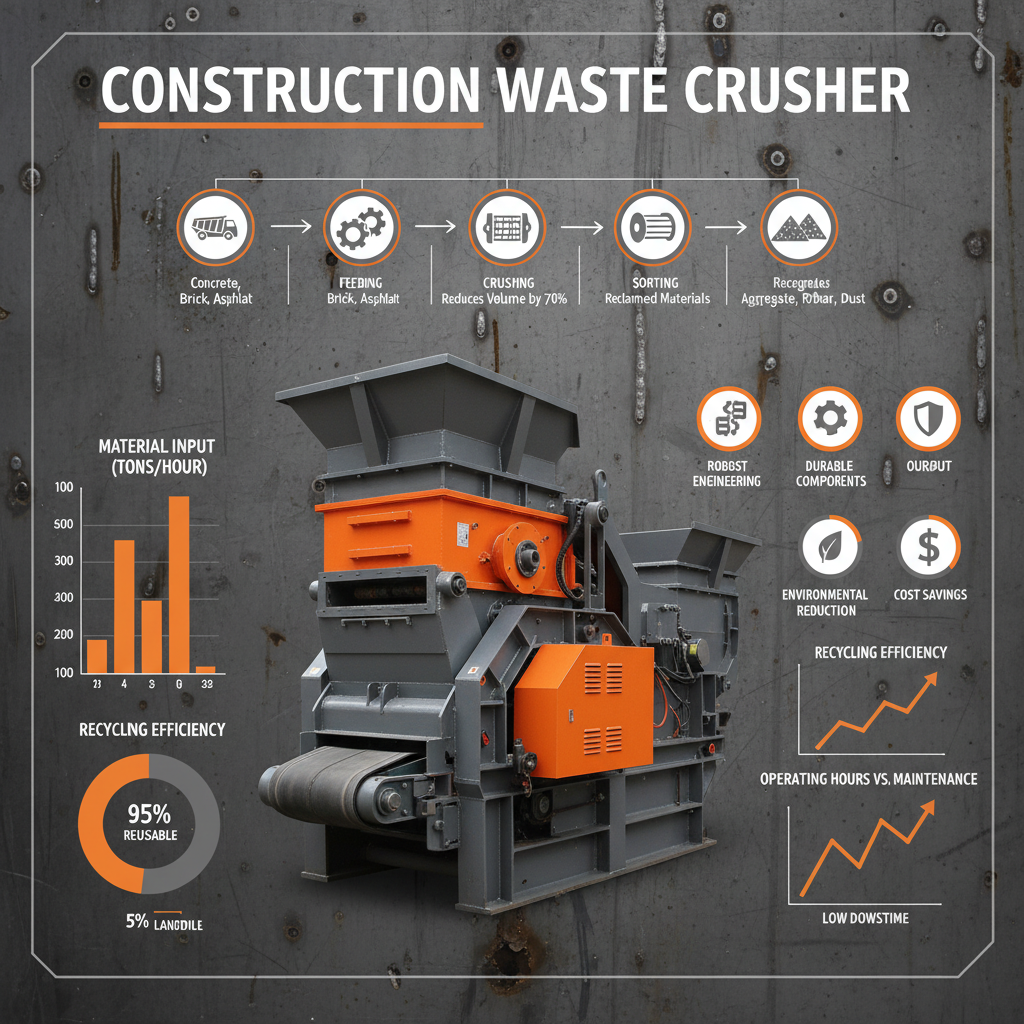
Here's a look at some key specifications of our popular mobile construction waste crusher:
Investing in a construction waste crusher is a strategic move for businesses committed to sustainability and cost efficiency. By transforming waste into valuable resources, you can reduce disposal costs, minimize environmental impact, and enhance your operational efficiency. OW Recycling is your trusted partner in providing high-quality crushing solutions tailored to your specific needs. Contact us today to learn how we can help you revolutionize your waste management practices.
The payback period varies depending on waste volume, material resale value, and disposal costs. However, many businesses experience a payback period of 1-3 years. The cost savings from reduced landfill fees and revenue generated from recycled materials often offset the initial investment relatively quickly. Factors like utilization rate and maintenance costs also influence the payback period. A detailed cost-benefit analysis tailored to your specific operations can provide a more accurate estimate.
Regular maintenance is crucial for ensuring optimal performance and longevity. This includes daily inspections for wear and tear, lubrication of moving parts, and periodic replacement of wear parts such as hammers, screens, and liners. More extensive maintenance, such as engine servicing and hydraulic system checks, should be performed according to the manufacturer's recommendations. OW Recycling provides comprehensive maintenance support and spare parts to keep your crusher operating efficiently.
Permit requirements vary significantly depending on your location and the scale of your operation. Generally, permits are required for air emissions, noise levels, and stormwater runoff. It’s essential to check with your local environmental agencies and zoning authorities to determine the specific permits and regulations applicable to your site. OW Recycling can assist in understanding these requirements and ensuring compliance.
Safety is paramount when operating a construction waste crusher. Always wear appropriate personal protective equipment (PPE), including safety glasses, hearing protection, and dust masks. Ensure the crusher is properly grounded and that all safety guards are in place. Never enter the crusher's operating area while it's running. Implement lockout/tagout procedures during maintenance. Provide thorough training to all operators on safe operating procedures. Regular safety inspections and hazard assessments are also essential.
Latest news
Efficient Copper Wire Granulators for High Purity Metal Recycling
NewsApr.16,2026
Industrial Efficiency with Single Shaft Shredder Used in Recycling
NewsApr.09,2026
Comprehensive Guide to Single Shaft Shredders for Efficient Waste Reduction
NewsApr.07,2026
Find the Best Mini Industrial Shredder for Sale and Boost Efficiency
NewsApr.04,2026
Understanding Industrial Shredding Machine Price A Comprehensive Guide To Purchasing
NewsMar.31,2026
Choosing the Right Industrial Shredder Machine Manufacturer for Your Business
NewsMar.28,2026