
Jan . 27, 2026 21:45 Back to list
Old cell phones often end up in drawers, forgotten and unused. But these devices contain valuable materials and potentially harmful substances, making proper disposal crucial. Simply tossing them in the trash isn’t just wasteful; it’s environmentally damaging. This article will guide you through the best ways to responsibly dispose of your cell phone, protecting both the planet and your data. We'll explore recycling options, trade-in programs, and data security measures to ensure a safe and sustainable solution.
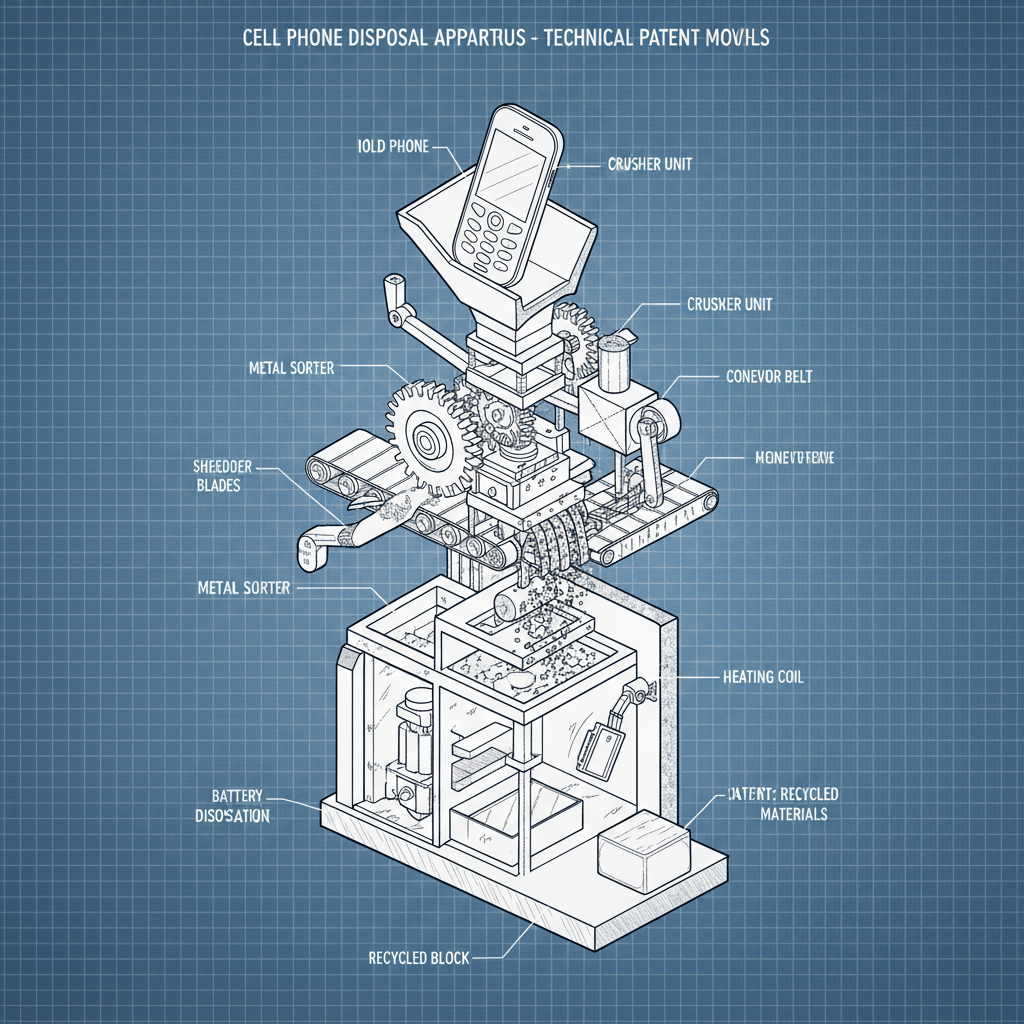
Cell phones aren't just plastic and glass. They contain precious metals like gold, silver, and palladium, as well as rare earth elements. Recycling these materials conserves natural resources and reduces the need for mining, which can have significant environmental impacts. Furthermore, cell phones contain hazardous substances like lead, mercury, and cadmium. If these materials end up in landfills, they can leach into the soil and groundwater, posing a threat to human and environmental health. Choosing to recycle is choosing to protect our planet. OW Recycling provides a secure and eco-friendly solution for handling electronic waste.
Key Takeaway: Responsible disposal prevents environmental contamination, conserves valuable resources, and supports a circular economy.
Several convenient options are available for recycling your old cell phone. Many cell phone carriers, such as Verizon, AT&T, and T-Mobile, offer trade-in programs or recycling initiatives. Retailers like Best Buy and Staples also have in-store recycling kiosks. Additionally, organizations like OW Recycling specialize in electronics recycling and offer mail-in programs for your convenience. Choosing a certified recycler ensures your device will be processed responsibly, adhering to strict environmental standards. Look for certifications like R2 or e-Stewards.
Recycling Resources:
• Cell Phone Carrier Trade-In Programs
• Retailer Recycling Kiosks (Best Buy, Staples)
• Certified Electronics Recyclers (OW Recycling, R2, e-Stewards)
If your cell phone is still in good working condition, a trade-in program might be the best option. You can receive credit towards a new device or cash for your old phone. Recycling, on the other hand, is ideal for phones that are damaged, obsolete, or no longer hold significant value. While trade-in programs offer financial incentives, recycling ensures responsible disposal even for unusable devices. Consider your phone's condition and your priorities when choosing between these options.
Before recycling or trading in your cell phone, it's vital to protect your personal data. Perform a factory reset to erase all personal information, including contacts, photos, and accounts. Remove your SIM card and any memory cards. Consider using data wiping software for an extra layer of security. If you're concerned about data recovery, you can physically destroy the storage media, but this should be done responsibly and in accordance with local regulations. OW Recycling offers secure data destruction services.
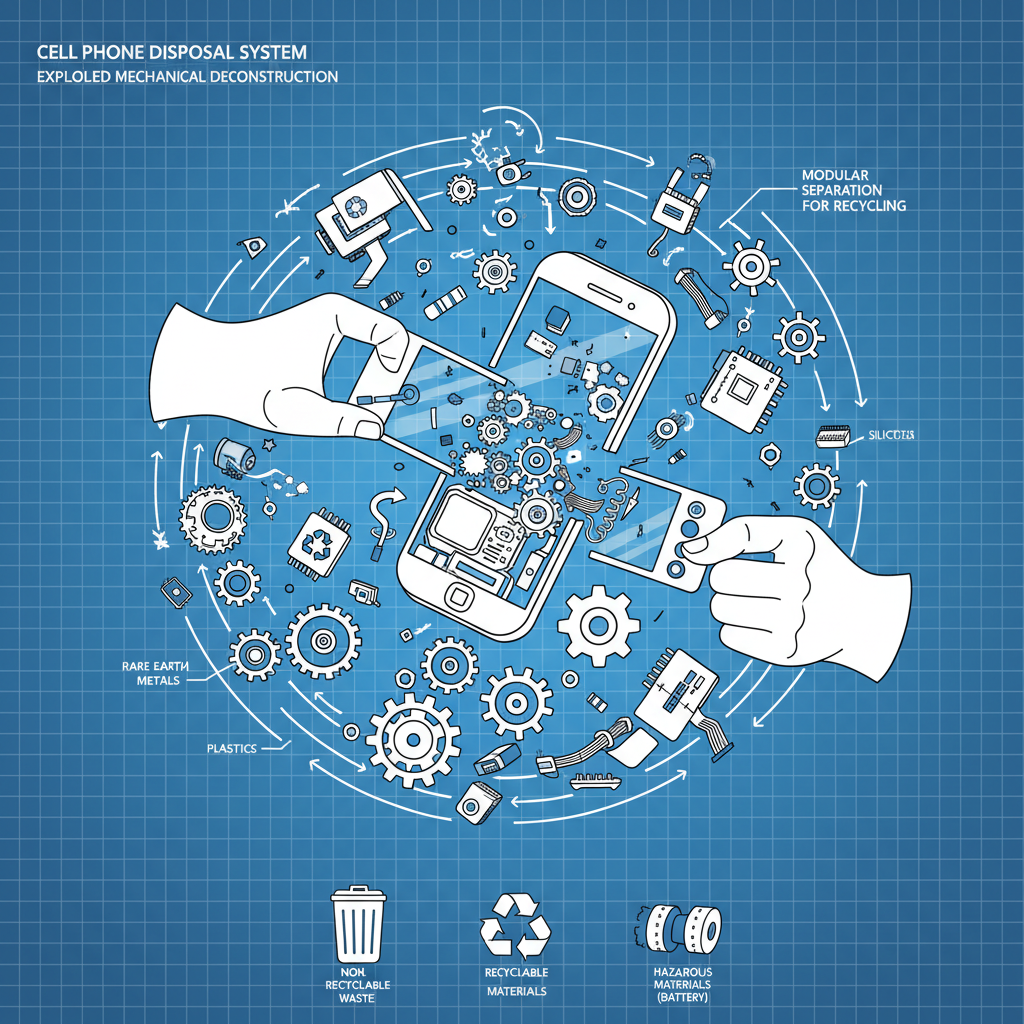
When selecting a recycling partner, look for certifications like R2 (Responsible Recycling) or e-Stewards. These certifications ensure the recycler adheres to strict environmental and data security standards. Avoid sending your phone to uncertified recyclers, as they may improperly dispose of hazardous materials. OW Recycling is a trusted partner committed to environmentally sound electronics recycling practices.
Properly disposing of your cell phone is a simple yet impactful way to protect the environment and conserve valuable resources. By choosing recycling, trade-in programs, and prioritizing data security, you can contribute to a more sustainable future. Don't let your old phone end up in a landfill – give it a new life!
Recycled cell phones yield a variety of valuable materials, including gold, silver, copper, palladium, platinum, and rare earth elements. These materials are used in new electronics, reducing the need for mining and its associated environmental impacts. Plastics and glass are also recovered and can be repurposed for various applications. The efficient recovery of these materials is a key benefit of responsible cell phone recycling.
Generally, recycling your cell phone is free. Many recycling programs, including those offered by carriers and retailers, cover the costs of processing. However, some specialized recyclers might charge a small fee for certain types of devices or for mail-in services. OW Recycling clearly outlines any associated costs upfront, ensuring transparency.
The recycling process can take several weeks, depending on the recycler's facilities and the volume of devices they are processing. The process typically involves dismantling the phone, separating the different materials, and refining them for reuse. Certified recyclers adhere to strict timelines and protocols to ensure efficient and environmentally sound processing.
Reputable recyclers prioritize data security. They employ various methods to ensure your data is completely erased, including physical destruction of storage media and certified data wiping software. It's still crucial to perform a factory reset and remove your SIM and memory cards before sending your phone in. OW Recycling provides secure data destruction services with a certificate of completion.
Latest news
Efficient Copper Wire Granulators for High Purity Metal Recycling
NewsApr.16,2026
Industrial Efficiency with Single Shaft Shredder Used in Recycling
NewsApr.09,2026
Comprehensive Guide to Single Shaft Shredders for Efficient Waste Reduction
NewsApr.07,2026
Find the Best Mini Industrial Shredder for Sale and Boost Efficiency
NewsApr.04,2026
Understanding Industrial Shredding Machine Price A Comprehensive Guide To Purchasing
NewsMar.31,2026
Choosing the Right Industrial Shredder Machine Manufacturer for Your Business
NewsMar.28,2026